The Kittson County Elk Herd Size
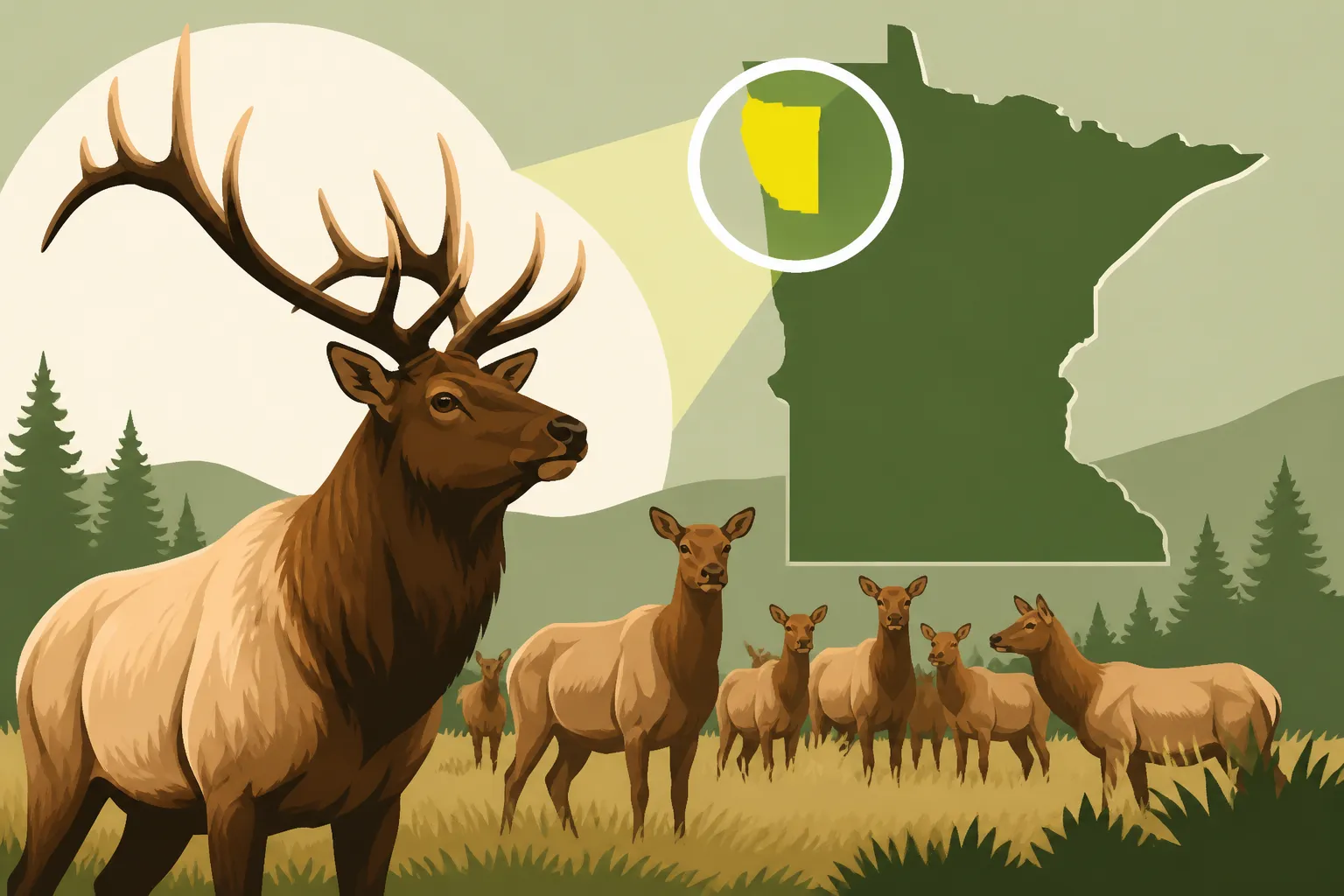
For many Minnesota hunters, the idea of elk roaming the prairies feels almost mythical, a whisper from a bygone era. Yet, in the far northwest corner of our state, specifically in Kittson County, a small but robust herd of elk thrives, offering a unique and incredibly challenging hunting opportunity. This guide will delve deep into the specifics of this remarkable herd, exploring its history, the challenges it faces, and how its population is managed, so you can truly understand the significance of this northern Minnesota treasure.
Understanding Minnesota's Elk Population History
Before we dive into Kittson County specifically, it’s helpful to understand that elk aren't entirely new to Minnesota. Our state once boasted a thriving elk population that roamed much of the landscape, much like the white-tailed deer we pursue today. However, European settlement brought drastic changes: habitat loss, unregulated hunting, and agricultural expansion pushed elk populations to the brink, leading to their extirpation from Minnesota by the late 19th or early 20th century. It’s a somber chapter in our wildlife history, one that highlights the profound impact humans can have on a species.
For decades, the idea of elk in Minnesota was just a historical footnote. But conservation efforts, driven by dedicated individuals and wildlife agencies, slowly began to change that narrative. The dream of bringing these magnificent animals back to their native range started to take shape, fueled by successful reintroductions in other parts of the country and a growing understanding of wildlife management. It was a long road, paved with careful planning and public engagement, but the commitment to restoring elk to Minnesota never wavered.
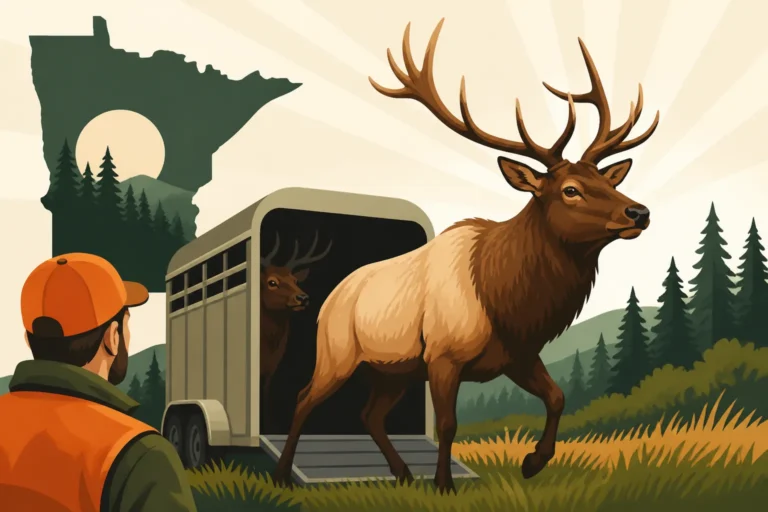
The process of reintroducing a large game species like elk is incredibly complex, requiring detailed scientific study, habitat assessment, and community cooperation. Biologists had to identify suitable release sites, considering everything from food sources and cover to potential conflicts with landowners. This careful groundwork laid the foundation for the eventual return of elk to Minnesota, setting the stage for the distinct herds we recognize today. Learning about this history truly underlines the incredible success story that the presence of elk represents for our state. To dive deeper into how these majestic animals made their comeback, you might be interested in How Elk Returned to Northwest Minnesota.
The Unique Story of the Kittson County Herd
The Kittson County elk herd, often referred to as the "Caribou-Kittson" herd due to its proximity to the Caribou Wildlife Management Area, is one of the most significant success stories in Minnesota's wildlife restoration efforts. Unlike some other herds, this population didn't just spontaneously appear; it's the result of carefully planned reintroductions that began several decades ago. These initial efforts aimed to establish self-sustaining populations in areas with suitable habitat, primarily focusing on the vast agricultural lands interspersed with pockets of brush, timber, and grasslands found in the far northwest.
The terrain in Kittson County offers a unique blend of habitat that elk find appealing. You'll find expansive agricultural fields providing ample forage, particularly corn and other crops, which can be both a blessing and a curse. These fields are often interspersed with large tracts of brushy cover, shelterbelts, and small woodlots that provide crucial bedding and security cover. This mosaic of habitat allows the elk to thrive, finding both abundant food and the necessary seclusion to raise calves and evade predators. It's a testament to the adaptability of these animals and the foresight of those who selected this region for their reintroduction.
Over the years, the Kittson herd has shown remarkable resilience and growth, fluctuating with environmental conditions and management strategies. The initial small groups of transplanted elk slowly but surely expanded, colonizing available habitat and establishing a foothold in the region. This growth is closely monitored by wildlife officials, as maintaining a balance between a healthy elk population and minimizing agricultural damage is a constant challenge. Their presence is a point of pride for many local residents and hunters, symbolizing a wildness that was once thought lost to the state. For those curious about the specifics of where these animals roam, The Kittson and Marshall County Elk Herds offers more insight.
Factors Influencing Kittson County Elk Numbers
Understanding the actual size of the Kittson County elk herd requires a look at the various elements that constantly shape its population dynamics. It's not a static number; rather, it's a living, breathing population that responds to a complex interplay of natural and human influences. One of the primary factors is habitat quality and availability. While Kittson County provides good forage, changes in agricultural practices, land use, and the encroachment of human development can all impact how much suitable habitat is available for the elk to thrive and expand their range.
Reproduction rates play a huge role in the herd's growth. Healthy cow elk typically produce a single calf each spring, and the survival of those calves through their first year is critical for population stability. Factors like severe winter weather, which can increase calf mortality, and predation from animals like wolves, can significantly impact recruitment into the herd. Wildlife managers carefully track calf-to-cow ratios to get a pulse on the herd's reproductive success and overall health. Knowing when elk typically breed can be helpful for those hoping to witness a truly unique wildlife spectacle; you might want to read about When Minnesota Elk Bugle.
Hunting, though extremely limited, is another factor used to manage the herd size and structure. The state offers a very small number of elk tags, primarily through a lottery system, with specific objectives to control herd growth, address depredation issues, or maintain a healthy age structure within the population. Because the number of tags is so tiny, the impact of hunting on the overall herd size is surgical, designed to achieve specific management goals rather than to significantly reduce the population. It's a privilege, not a given, and those who secure a tag are truly embarking on a once-in-a-lifetime experience. For a broader understanding of the elk lottery, check out Minnesota Elk Lottery Rules.
Here's a look at some key factors influencing the Kittson County elk herd:
| Factor | Description | Impact on Herd Size |
|---|---|---|
| Habitat Quality | Availability of suitable forage (crops, native grasses) and cover (brush, woodlots). | Abundant, diverse habitat supports higher numbers; fragmentation reduces capacity. |
| Reproduction | Number of calves born and their survival rate to adulthood. | High calf survival leads to growth; poor calf survival can lead to decline. |
| Winter Severity | Duration and depth of snow, extreme cold affecting foraging and calf survival. | Harsh winters can increase mortality, especially among calves and older animals. |
| Predation | Impact of predators like wolves on calf and adult elk survival. | Can reduce population growth, particularly if calf survival is already low. |
| Disease | Prevalence of diseases like CWD (Chronic Wasting Disease) or EHD (Epizootic Hemorrhagic Disease). | Outbreaks can cause significant localized mortality and impact long-term herd health. |
| Human Conflict | Conflicts with agricultural producers (crop damage) and vehicle collisions. | Can lead to management actions to reduce herd size or shift distribution. |
| Hunting Quotas | Limited number of hunting permits issued each year. | Strategically removes a small number of animals to meet management objectives. |
Managing and Monitoring the Elk Herd
Managing a rare and iconic species like the Kittson County elk herd is a meticulous, year-round undertaking for wildlife professionals. Their primary goal is to maintain a healthy, viable population while balancing the needs of the elk with the concerns of landowners and local communities. This often involves navigating the delicate line between conservation and agricultural interests, especially in an area with extensive farming operations.
One of the most critical aspects of management is population monitoring. Biologists employ a variety of techniques to estimate the herd's size, distribution, and overall health. This includes aerial surveys conducted during winter when snow cover makes elk easier to spot against the landscape. These flights provide valuable data on herd numbers, composition (how many bulls, cows, and calves), and their movement patterns. Ground observations, citizen reports, and even trail camera data also contribute to a comprehensive understanding of the herd's status. All of this information is compiled and analyzed to make informed decisions about future management strategies, including potential hunting quotas. For those interested in how state agencies gather such data, you can learn more about How the DNR Counts Minnesota Deer, which employs similar principles for elk.
Habitat management is another cornerstone of elk conservation in Kittson County. While much of the land is privately owned farmland, efforts are made to enhance and protect existing natural cover and forage areas. This might involve working with landowners on conservation easements, planting native grasses, or managing brushy areas to provide optimal bedding and calving habitat. Federal programs and partnerships with organizations like the Rocky Mountain Elk Foundation also play a vital role in securing and improving habitat that directly benefits the elk. These efforts ensure the herd has the resources it needs to not just survive, but truly thrive.
Given the agricultural landscape, managing human-elk conflict is a significant challenge. Elk, being large grazers, can cause damage to crops, fences, and hay bales. Wildlife managers often work directly with affected landowners to mitigate these issues, offering advice on deterrents or providing assistance with damage claims. Sometimes, herd reduction through limited hunting is deemed necessary in specific areas to alleviate pressure on agricultural producers. It’s a constant balancing act, requiring flexibility and a commitment to finding solutions that work for both wildlife and people. When researching hunting opportunities in such sensitive areas, platforms like GoHunt can be invaluable for understanding specific regulations and drawing odds for limited tags.
The Future of Elk Hunting in Kittson County
The future of the Kittson County elk herd, and the hunting opportunities it provides, is a topic of great interest to hunters and conservationists alike. While the herd has shown remarkable resilience, its continued viability depends on ongoing sound management, careful monitoring, and a sustained commitment to habitat preservation. The extremely limited nature of elk hunting in Minnesota means that even a small change in herd dynamics or management policy can have a significant impact on future tag availability.
For hunters, the prospect of drawing an elk tag in Kittson County remains a distant dream for most. The odds are incredibly slim, often numbering in the thousands of applicants for just a handful of permits. This scarcity only adds to the mystique and allure of a Minnesota elk hunt, making it one of the most coveted big game tags in the state. Many hunters apply year after year, knowing that the experience of even being considered for such a unique opportunity is part of the tradition. Platforms like GoHunt can assist hunters in tracking their preference points and understanding the drawing odds, which are crucial for such a limited tag.
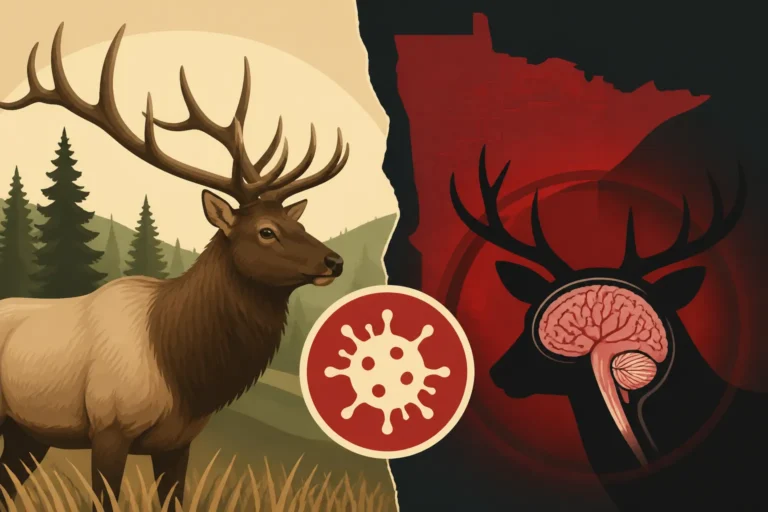
Conservation efforts will continue to focus on ensuring the long-term health and genetic diversity of the herd. This includes ongoing disease surveillance, particularly concerning Chronic Wasting Disease (CWD), which poses a potential threat to all cervid populations, including elk. While Minnesota's elk herds have largely remained free of CWD, vigilance is constant, and proactive measures are in place to monitor and prevent its spread. Understanding CWD Risk to the Minnesota Elk Herd is vital for all hunters and wildlife enthusiasts.
Ultimately, the Kittson County elk herd is a symbol of successful conservation and a reminder of the wildness that still exists in our state. Its size may fluctuate, and its management will always present challenges, but its presence is a testament to what can be achieved when dedicated individuals and agencies work together to restore and protect our natural heritage. For those who dream of a Minnesota elk hunt, patience, persistence, and a deep appreciation for this incredible animal will be your most valuable assets. You can learn more about the strict limits on this hunt through Why the Minnesota Elk Tag Is Once in a Lifetime.
Disclaimer
This article is for general informational purposes only and does not constitute professional advice. Laws, prices and regulations vary by location and change over time. Consult a qualified professional for guidance on your specific situation.