Minnesota Spring Turkey Harvest Numbers
For many Minnesota turkey hunters, the spring season is a highlight, filled with frosty mornings, thunderous gobbling, and the thrill of a tom responding to your calls. But once the dust settles and the season closes, a common question echoes through hunting camps: "How did we do this year?" The official spring turkey harvest numbers can often feel like a cold, hard dose of reality, sometimes validating our struggles and other times sparking curiosity about how others found success. This guide will help you understand what those harvest numbers truly mean, the factors that shape them, and how you can use this information to become a more successful turkey hunter in Minnesota.
Understanding What Minnesota Spring Turkey Harvest Numbers Really Mean
When you see reports about the total number of turkeys harvested during the Minnesota spring season, it's easy to just look at the big figure and draw a quick conclusion. But that single number, while interesting, rarely tells the full story. It’s a snapshot, not a motion picture, and to truly grasp the nuances of turkey hunting success in our state, we need to dig a little deeper.
Beyond Just the Raw Data
Imagine a year with particularly harsh winter conditions or a very late, cold spring. These factors can dramatically affect both the turkey population and hunter success, sometimes even before the first shots are fired. A low harvest number might not mean the woods are empty; it could mean the birds were simply harder to locate and call in due to lingering cold snaps or excessive rain. Conversely, a bumper crop of gobblers doesn't guarantee high harvest numbers if bad weather keeps hunters out of the woods or if the turkeys are "henned up" early in the season, making them less responsive to calls.
The raw data also doesn't account for the sheer number of hunters in the woods, or where they are focusing their efforts. A permit area might show a lower harvest, but if it also had fewer hunters, the success rate for those who did hunt might still be quite good. It’s all about context. The total number is just a starting point; the real learning comes from peeling back the layers and understanding the conditions surrounding those figures.
The Importance of Context and Trends
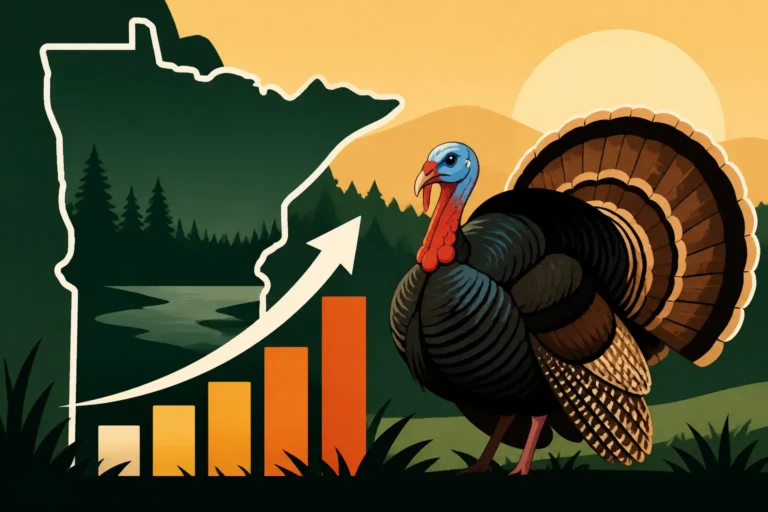
To get a truly valuable insight from Minnesota's spring turkey harvest numbers, you need to look beyond a single year's data. Analyzing trends over several seasons can reveal much more about the health of the turkey population and the general hunting conditions. For example, a consistent decline in harvest over three to five years might signal a population issue, perhaps due to poor reproduction, habitat loss, or increased predation. Conversely, a steady increase indicates a healthy and expanding turkey population.
Consider a permit area where harvest numbers have remained stable despite increasing hunter participation. This suggests a robust turkey population that can withstand more pressure. Tools like the DNR's historical harvest reports, which are usually available on their website, can be invaluable for this kind of analysis. It’s not just about how many birds were taken, but why that number exists in relation to previous years and surrounding areas. This deep dive helps you anticipate future hunting prospects rather than just reacting to last season's results. You can even use resources such as the GoHunt platform to cross-reference general harvest data with topographical maps and public land access, helping you identify potential areas to scout more closely.
Key Factors That Influence Minnesota's Spring Turkey Success
Hunting success isn't just about good calling or perfect camouflage; it's a complex interplay of environmental factors, turkey behavior, and hunter effort. Understanding these elements can help make sense of the spring turkey harvest numbers and guide your own strategies for future seasons.
Weather's Impact on Gobbler Behavior
Weather is undeniably one of the biggest drivers of spring turkey harvest numbers. A warm, early spring often means turkeys are eager to breed, gobbling frequently and moving predictably, making them more vulnerable to hunters. Conversely, a cold, wet, or late spring can suppress gobbling activity, keep birds roosted longer, and make them more wary. When the weather turns sour, birds might spend more time foraging or seeking shelter, becoming less interested in responding to calls. This can dramatically lower the success rate, even if the population is strong.
Consider a scenario where heavy, unseasonable snow blankets the woods during the peak breeding weeks. Gobblers might still be around, but they’ll be more concerned with survival and finding food than with strutting and gobbling their heads off. Hunters might struggle to even hear birds, let alone call one in. Similarly, extreme winds or pouring rain can make it nearly impossible to hear distant gobblers or even hold a call steady. When looking at harvest data, always try to recall the general weather patterns of that spring. It often explains a lot. A good resource for understanding turkey behavior in challenging conditions might be When Minnesota Gobblers Go Quiet.
Hunter Pressure and Public Land Dynamics
Minnesota offers a wealth of public land, from sprawling state forests to smaller wildlife management areas (WMAs). However, as more people get into turkey hunting, certain areas can experience significant hunter pressure. This pressure directly impacts harvest numbers. In heavily hunted areas, gobblers quickly become "call-shy" or associate human presence with danger. They might gobble less, move more cautiously, or simply avoid open areas during hunting hours. This can lead to lower success rates, even if there are plenty of birds around.
On public lands, particularly those close to population centers, the sheer volume of hunters can scatter birds, make them nocturnal, or push them onto adjoining private property. A low harvest number in a public land-rich permit area might not mean a lack of turkeys, but rather that the birds are simply too pressured to be consistently harvested. Hunters adapting their tactics, perhaps using Run-and-Gun Turkey Tactics on Public Land to cover more ground or Decoy Placement for Pressured Minnesota Birds to entice wary toms, can still find success. The dynamic between hunter numbers and turkey behavior is a constant chess match that plays out in the harvest reports.
Population Health and Reproduction Cycles
Ultimately, harvest numbers are a reflection of the turkey population itself. Minnesota Turkey Population Trends play a huge role. Years with strong poult survival—meaning more young turkeys survive to adulthood—lead to a healthier, more abundant population in subsequent years. Conversely, poor nesting success or high poult mortality due to harsh springs or increased predation can lead to fewer mature birds in the following hunting seasons. This natural cycle is often influenced by factors like:
- Winter Severity: Mild winters mean less stress on the birds, better survival rates, and more energy for breeding in the spring. Severe winters, especially those with deep snow and prolonged cold, can cause significant mortality.
- Spring Nesting Conditions: Cool, wet springs during nesting season can lead to a lot of failed nests or poults dying from exposure. Dry, warm springs generally favor higher reproductive success.
- Predator Management: While predators are a natural part of the ecosystem, local fluctuations in coyote, bobcat, or raccoon populations can impact turkey nests and poults.
Understanding these underlying biological factors helps you see past just the yearly tally and recognize the long-term health and potential of Minnesota's wild turkey resource. The Minnesota Spring Turkey Application Deadline comes every year, and the number of tags issued for different zones often reflects the DNR's assessment of these population health indicators.
Regional Variations in Minnesota's Turkey Harvest
Minnesota is a diverse state, offering everything from rolling farmland to vast northern forests. This geographical variety means that turkey populations and hunting conditions can differ significantly from one region to another, and these differences are clearly reflected in the harvest numbers.
Farmland vs. Forest Zone Success Rates
The classic image of a big gobbler strutting in a green field is quintessential farmland turkey hunting. In Minnesota's agricultural regions, particularly in the southeast bluff country and parts of western Minnesota, turkeys often thrive due to abundant food sources (waste grain, insects) and diverse cover (woodlots, river bottoms, cattail sloughs). These birds can be highly visible and vocal, often leading to higher hunter success rates. In these areas, tactics like Turkey Tactics for Farmland Field Edges or hunting early periods like Hunting an Early Turkey Period in Minnesota can be very effective.
Compare this to the challenging terrain of Minnesota's northern forest zones. Here, turkeys are often harder to locate in vast timber, and their habits can be much different. Success rates might be lower because hunters have to work harder to find and call birds in thick cover. There are fewer open fields, so turkeys might be more concentrated along edges, near logging roads, or within specific habitat pockets. Hunters here might rely more on scouting and understanding where to find birds in dense woods, perhaps employing strategies like Roost Hunting Minnesota Gobblers or Calling a Minnesota Gobbler Off the Roost to pinpoint birds before they hit the ground. Understanding these regional dynamics helps hunters interpret harvest data not as a statewide average, but as localized performance indicators.
Impact of Specific Permit Area Regulations
Minnesota's spring turkey season is divided into different zones and periods, each with its own specific regulations and lottery structures, particularly in high-demand areas. These regulations directly influence harvest numbers. For example, some permit areas are "lottery" areas, meaning only a limited number of tags are issued, while others are "over-the-counter" or "no-quota" areas. Areas with fewer permits naturally lead to fewer harvested birds, regardless of population density.
The timing of the hunting periods also plays a role. Early periods (A and B) generally coincide with the peak of gobbling activity and breeding, often leading to higher success rates for hunters who draw these tags. Later periods (F and G) can be more challenging, as birds might be more pressured, hens are often on nests, and gobblers might be less vocal. If a permit area has a high proportion of tags allocated to later periods, its overall harvest numbers might appear lower than an area with more early-season opportunities. This is why paying close attention to the Minnesota Spring Turkey Zones and Periods is so important, as it directly impacts your personal odds and the overall harvest picture.
How to Use Harvest Data to Improve Your Next Minnesota Turkey Hunt
Looking at past spring turkey harvest numbers isn't just an exercise in curiosity; it's a powerful way to inform your future hunting decisions. By analyzing the data with a critical eye, you can gain valuable insights that could increase your chances of success.
Scouting Smarter with Historical Information
Harvest data can be a fantastic starting point for your pre-season scouting. While you won't find specific stand locations, you can identify trends in particular permit areas. For instance, if an area consistently shows higher harvest numbers, it suggests a healthy turkey population and favorable conditions. This doesn't mean it's an easy hunt, but it does indicate a higher likelihood of encountering birds. Conversely, areas with consistently low harvest numbers might indicate lower turkey densities or simply more challenging hunting conditions, suggesting you might need to adjust your expectations or put in extra effort.
Think about using this data to narrow down your options. Instead of blindly picking a new public land spot, check its historical performance. Has it seen a steady decline, or has it maintained consistent success? Websites like GoHunt or the DNR's online mapping tools often allow you to overlay habitat features and public access points with historical harvest data for various Minnesota Deer Seasons and Permit Areas and turkey zones. This combination can help you identify pockets within larger areas that have historically been productive. This proactive approach saves you time and effort in the field.
Adjusting Tactics Based on Past Performance
Beyond just choosing an area, harvest data can help you refine your hunting tactics. If you consistently hunt a specific permit area and see its harvest numbers dip, it might be a sign to change your approach. Perhaps the turkeys in that area are becoming more pressured, and a new tactic is needed. For instance, if you've been relying heavily on aggressive calling, a shift to more subtle calls or even entirely silent ambush strategies might be more effective.
Table: Correlating Harvest Trends with Tactical Adjustments
| Observed Harvest Trend in Your Area | Potential Interpretation | Recommended Tactical Adjustment |
|---|---|---|
| Consistently High | Healthy population, potentially less pressure | Continue with proven tactics, but scout for new hot spots |
| Steady Decline | Increased pressure, population dip, or changing habits | Reduce calling volume, increase scouting, try new entry points |
| Erratic/Fluctuating | Weather-dependent success, inconsistent bird behavior | Adapt to daily weather, be mobile, try different calls/setups |
| High Early Season, Low Late Season | Birds get pressured quickly, become call-shy as season progresses | Focus efforts on early periods, adapt to quieter tactics later in season |
This table is a simplified example, but the principle is clear: your hunting strategy shouldn't be static. If the overall success rates for Minnesota Spring Turkey Harvest Numbers are down statewide, it might indicate a tougher year, requiring more patience and adaptability from every hunter. By understanding these broader trends, you can be better prepared to make real-time decisions in the woods, giving yourself the best possible chance at calling in a Minnesota gobbler.
Disclaimer
This article is for general informational purposes only and does not constitute professional advice. Laws, prices and regulations vary by location and change over time. Consult a qualified professional for guidance on your specific situation.