Minnesota Turkey Population Trends
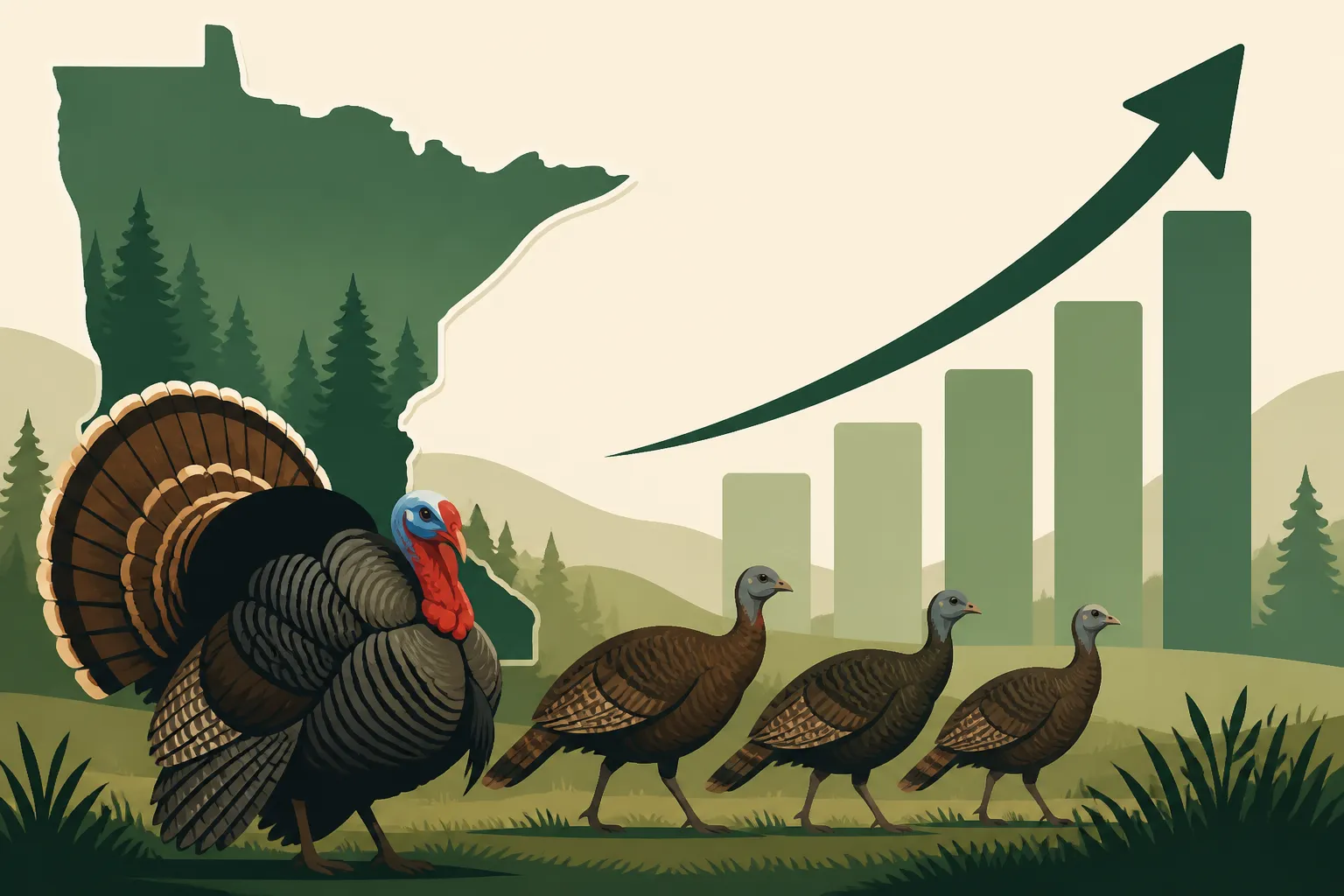
It's no secret that wild turkeys have become a beloved part of Minnesota's landscape, offering thrilling hunts and a vibrant natural presence that wasn't always here. But sometimes, when you're out in the woods, it feels like the birds are everywhere, and other times, you wonder where they've all gone. Understanding the constantly shifting dynamics of Minnesota's turkey population can feel like a guessing game for many hunters, making it tough to plan for a successful season. This comprehensive guide will pull back the curtain on the current population trends, dive into the fascinating history of their restoration, explore the numerous factors that influence their numbers, and ultimately, help you make more informed decisions about your turkey hunting adventures.
A Look Back at Minnesota's Wild Turkey Comeback
If you were a hunter in Minnesota just a few decades ago, the idea of chasing a strutting gobbler through the spring woods would have seemed like a dream. It's truly remarkable how far we've come, transforming Minnesota into a legitimate turkey hunting destination. This wasn't just a happy accident; it was a carefully orchestrated effort that stands as one of the state's great wildlife conservation success stories.
The Historical Absence and Initial Restoration Efforts
It might surprise some, but wild turkeys, as we know them today, were essentially absent from Minnesota by the late 1800s. Early settlers and unregulated hunting, combined with widespread habitat destruction from logging and agricultural expansion, simply pushed them out. For nearly a century, Minnesota was a wild turkey void. The dream of bringing them back started in the mid-20th century, but it wasn't until the 1970s that real, sustained efforts began. The Minnesota Department of Natural Resources (DNR) initially tried releasing pen-raised birds, which, as often happens with such endeavors, proved to be largely unsuccessful. These domestic-bred turkeys lacked the instincts and hardiness to survive in the wild.
The turning point came when wildlife managers learned from successful projects in other states: the key was to trap wild turkeys from robust populations and transplant them into suitable Minnesota habitats. These "wild-trapped" birds were already equipped with the survival skills needed to thrive. The first major success came with the release of birds from Missouri in southeastern Minnesota's bluff country, specifically in Houston and Winona counties, which offered ideal habitat with mature hardwoods and agricultural fringes. This initial batch of turkeys took hold, forming the foundation of what would become a rapidly expanding population. You can read more about How Turkeys Were Restored to Minnesota and the early challenges faced.
How Turkeys Spread Across Minnesota
Once those initial wild-trapped birds established a foothold in the rugged, forested river valleys of southeastern Minnesota, they began to do what wild turkeys do best: multiply and expand their range. From those initial pockets, the DNR continued its trap-and-transfer program, moving birds from healthy Minnesota flocks to new release sites across the state. This strategy was incredibly effective. Turkeys are adaptable birds, and as their numbers grew, they started pushing into areas that were previously thought to be marginal, finding niches in woodlots, riparian corridors, and even agricultural lands further north.
This expansion wasn't just confined to the southeast; turkeys successfully colonized central Minnesota, finding homes in the rolling hills and fragmented forests around Brainerd and St. Cloud. Eventually, they even pushed into parts of northern Minnesota, a region once considered too harsh for wild turkeys due to colder temperatures and deeper snow. Their resilience and the dedication of wildlife managers saw their range grow dramatically, turning isolated pockets into widespread populations.
Milestones in Turkey Management and Season Expansion
The growing turkey population allowed for the establishment of regulated hunting seasons, a testament to the success of the restoration efforts. Minnesota's first modern spring turkey season opened in 1978, but it was a far cry from today's expansive opportunities. Initially, permits were extremely limited and restricted to a handful of southeastern counties. As turkey numbers continued to climb and their range expanded, so did hunting opportunities. The DNR systematically opened more permit areas and increased the number of available tags.
This steady growth led to the introduction of a fall turkey season, offering hunters another chance to pursue these wily birds. The shift from a lottery system in many areas to over-the-counter tags for much of the state, particularly in the fall, clearly demonstrates the health and abundance of the population. Today, Minnesota offers a generous number of hunting periods and broad geographic zones, allowing thousands of hunters to chase gobblers and hens. The DNR’s careful monitoring of population dynamics, including factors like Minnesota Turkey Harvest Numbers and success rates, continually informs these management decisions, ensuring sustainable hunting opportunities for years to come.
Current Minnesota Turkey Population Estimates and Distribution
So, where do things stand today? The overall picture is still very positive, but it's not a uniform story across the state. Like with any wildlife species, turkey populations ebb and flow, influenced by a myriad of factors unique to different regions.
Statewide Population Numbers and Regional Variations
Estimating the exact number of wild turkeys across a large state like Minnesota is a complex task, as these birds are constantly on the move. However, the Minnesota DNR regularly conducts surveys, collects harvest data, and analyzes factors like Poult-to-Hen Ratios and What They Mean to gauge population health. While specific annual statewide numbers fluctuate, the consensus is that Minnesota supports a robust and healthy turkey population, likely numbering in the tens of thousands, if not more.
However, it's crucial to understand that this isn't an even distribution. The highest densities of wild turkeys remain concentrated in the original strongholds of southeastern Minnesota. The hardwood forests, river bottoms, and agricultural fields of the bluff country provide an almost perfect mosaic of habitat – food, roosting sites, and cover from predators. As you move north and west, populations tend to become more fragmented. While significant turkey populations exist in central Minnesota, particularly in areas with good timber and farmland mix, they often occur in more isolated pockets. Even some northern areas now host turkeys, though densities are generally lower and more susceptible to harsh winters.
Key Factors Influencing Local Turkey Densities
Several key environmental and human-influenced factors play a significant role in determining how many turkeys you'll find in any given area:
- Habitat Quality and Availability: This is perhaps the most critical factor. Turkeys need a specific mix of mature timber for roosting, open woodlands or fields for foraging, and dense cover for nesting and escape. Areas with large, contiguous blocks of diverse habitat will naturally support higher densities.
- Food Sources: A consistent and varied food supply is vital. This includes acorns, wild berries, insects, and waste grain from agricultural fields. Areas rich in oak stands and active farming typically hold more birds.
- Weather Patterns: Severe winter weather, especially deep, prolonged snow cover, can negatively impact survival rates, particularly for younger birds. Conversely, mild, dry springs are ideal for successful nesting and poult survival. We'll dive deeper into this soon.
- Predation: While turkeys are robust, poults are vulnerable to a wide array of predators, including raccoons, opossums, skunks, foxes, and coyotes. Areas with high predator densities can see lower poult survival.
- Disease: While not as widespread or dramatic as CWD in deer, turkey populations can be affected by diseases like Avian Pox or Lymphoproliferative Disease Virus (LPDV), especially in areas of high density or stress.
Understanding these factors can give you a real edge in predicting where the birds will be. If you're looking for Where Minnesota Turkeys Are Densest, you'll often find yourself scouting areas that naturally provide this ideal combination.
Reading the Signs: Where Minnesota Turkeys Are Densest
For the hunter, knowing where turkeys are likely to be found is half the battle. While the DNR provides fantastic resources, nothing beats boots-on-the-ground scouting and learning to read the landscape. Generally, the classic "turkey country" of southeastern Minnesota's bluff lands – think counties like Houston, Winona, Fillmore, and Goodhue – continues to hold the highest concentrations. These areas offer a perfect blend of mature hardwood forests (especially oaks), steep terrain providing natural thermal cover, and agricultural fields that offer abundant waste grain.
However, don't overlook areas in central and west-central Minnesota. Pockets of excellent turkey hunting can be found around the Minnesota River Valley, particularly where there are significant timbered areas interspersed with corn and soybean fields. Places like Lac qui Parle and Big Stone counties, while primarily agricultural, have enough timbered river breaks and shelterbelts to hold strong turkey numbers. Even in some northern areas, particularly around towns like Bemidji or Grand Rapids where there's a mix of aspen, oaks, and limited agriculture, turkeys have carved out a niche. Using mapping tools, like the ones offered by GoHunt, can be incredibly helpful here. You can layer satellite imagery with public land boundaries to identify potential roosting areas, feeding zones, and travel corridors, giving you a virtual scouting advantage before you even set foot in the woods.
Understanding Fluctuations in Turkey Populations
Turkey populations aren't static; they're constantly in flux. One year might seem bursting with birds, and the next, they feel sparser. These ups and downs are perfectly normal and are often driven by a combination of environmental factors that impact their ability to reproduce and survive. As a hunter, understanding these dynamics can help you manage your expectations and even adjust your strategies.
Weather's Impact on Reproduction and Survival
Without a doubt, weather is one of the most significant natural drivers of turkey population fluctuations, especially when it comes to reproductive success and poult survival.
-
Spring Nesting and Poult Survival: The most critical period for turkey recruitment is during the spring nesting and early brooding phase. Wild turkey hens are prolific layers, but their success hinges on favorable weather. A cold, wet spring can be devastating. Eggs are susceptible to chilling and flooding, and newly hatched poults are incredibly vulnerable to hypothermia. They lack the full feathering to regulate their body temperature effectively, and prolonged periods of rain and cold can lead to high mortality rates. Conversely, a warm, relatively dry spring allows for higher nesting success and significantly improves the survival chances of young poults. These good hatches directly translate to more birds in the fall and the following spring. This is where tracking Poult-to-Hen Ratios and What They Mean becomes important for biologists and hunters alike, giving insight into future population trends.
-
Winter Severity: While less impactful than spring weather for reproduction, severe winters can certainly affect overwinter survival, particularly in northern reaches of the state where turkeys are closer to the edge of their natural range. Deep, persistent snow cover can make it incredibly difficult for turkeys to find food, forcing them to expend more energy and making them more susceptible to starvation or predation. Birds entering winter in poor condition, or young birds who haven't yet learned the ropes, are especially vulnerable. However, Minnesota's turkeys are hardy, and in most established areas, they cope remarkably well with typical winters, provided they have access to adequate food and roosting cover.
Habitat Changes and Their Role in Turkey Success
Beyond weather, the landscape itself plays a monumental role in supporting wild turkey populations. Changes in habitat, whether natural or human-induced, inevitably impact turkey numbers.
-
Forest Succession and Management: Turkeys thrive in diverse forest environments. They need mature hardwoods for secure roosting, open understories for easy movement, and young, brushy areas for nesting and poult cover. Forest succession, where old fields grow into brush, then young forest, and finally mature timber, constantly changes the available habitat. Active forest management, such as selective timber harvests or prescribed burns, can create beneficial early successional habitat that benefits turkeys, especially for nesting. Without this management, vast tracts of mature, dense forest can become less ideal for turkeys over time, especially if the understory becomes too thick for easy travel or foraging.
-
Agricultural Practices: In much of Minnesota, turkeys live in close proximity to agricultural lands. Changes in farming practices, such as the increasing size of fields, reduced crop diversity, or the elimination of fence rows and woodlots, can impact turkey populations. Waste grain, especially corn, is a critical winter food source. However, if all the trees are removed from an area to maximize tillable acres, turkeys lose essential roosting and cover habitat, regardless of how much food is present. Finding that balance between agriculture and sufficient wild cover is crucial. Areas with a mosaic of small woodlots, creek bottoms, and diverse crops tend to support more birds.
Predation, Disease, and Other Challenges
While habitat and weather are primary drivers, other factors can also contribute to the ebb and flow of turkey numbers.
-
Predation: Adult turkeys are generally large and wary enough to avoid most predators. However, nests and poults are highly vulnerable. Raccoons, skunks, opossums, foxes, and coyotes are all opportunistic nest predators, and a high density of these animals can certainly depress nesting success. Once poults are a few weeks old and more mobile, their vulnerability decreases significantly, but they still face threats from raptors and ground predators. While predation is a natural part of the ecosystem, an imbalance can sometimes put pressure on local turkey numbers.
-
Disease: Wild turkeys, like all wild animals, can be susceptible to various diseases. Avian Pox is a relatively common viral disease that causes wart-like lesions, primarily on the head and neck. While usually not fatal, severe cases can impair feeding or vision, making birds more vulnerable. Lymphoproliferative Disease Virus (LPDV) is another viral disease found in wild turkeys that can cause tumors and impact overall health. Fortunately, widespread, devastating disease outbreaks are uncommon in Minnesota's turkey populations, but localized occurrences can certainly put a damper on bird numbers in specific areas. The DNR monitors for these issues through hunter reports and wildlife surveys.
-
Human-Wildlife Conflict: As turkey populations expand into more populated areas, conflicts can arise, leading to localized management challenges. While this doesn't typically impact statewide trends, it can influence perceptions and management decisions in specific regions.
Harvest Trends and What They Tell Us
Harvest data is one of the most direct and invaluable ways the Minnesota DNR tracks turkey population health and trends. By analyzing how many birds hunters are taking, where they're being taken, and how successful hunters are, biologists can glean critical insights into population dynamics and the effectiveness of current management strategies.
Analyzing Spring and Fall Turkey Harvest Numbers
Minnesota offers both spring and fall turkey seasons, and the harvest data from each provides different pieces of the puzzle:
-
Spring Harvest: This is generally the more popular and higher-volume season. Spring gobbler harvest numbers are an excellent indicator of the adult male population and overall population health, particularly following overwinter survival. A strong spring harvest usually suggests a healthy carryover of birds from the previous year. If spring numbers dip, it could signal a poor hatch the previous year, a tough winter, or other population pressures. Over the past decade, Minnesota's spring turkey harvest has remained relatively strong, with annual fluctuations. For example, some years might see harvests pushing over 15,000 birds, while others might be slightly lower due to weather during the season or variations in bird numbers. Generally, the trend has been stable to slightly increasing in many areas, reflecting the birds' continued expansion. You can always check the DNR's annual reports for precise figures, which often include data about Minnesota Turkey Harvest Numbers broken down by season and permit area.
-
Fall Harvest: Fall turkey hunting focuses on harvesting either sex and tends to be less popular than spring hunting, resulting in lower overall harvest numbers. However, fall harvest is a critical indicator of reproductive success from the preceding spring. A high fall harvest, especially of jakes and juvenile hens, suggests a good hatch. If fall harvest numbers are low, it might mean the previous spring's nesting conditions were poor, or poult survival was low. Fall turkey hunting offers flexibility, and many areas allow multiple tags, allowing hunters to contribute significantly to population management by taking hens in areas of high density.
Hunter Success Rates Across Different Zones and Seasons
Beyond raw harvest numbers, hunter success rates provide valuable context. It's one thing to have a lot of tags, but if nobody is filling them, that tells a different story.
-
Spring Hunter Success: In the spring, hunter success rates are often influenced by weather during the hunt, bird behavior (are they vocal and visible, or quiet and henned up?), and hunter effort. Minnesota's spring success rates are generally respectable, often ranging from 20-30% or even higher in prime areas, which is quite good for public land hunting. When success rates are consistently high in a particular permit area, it's a strong indicator of a thriving local population. Conversely, a noticeable dip could signal a localized decline or simply that the birds were "tight-lipped" during the hunting period. Hunting the specific Minnesota Spring Turkey Zones and Periods can make a big difference in your personal success rate.
-
Fall Hunter Success: Fall success rates tend to be higher than spring because hunters are often targeting flocks and can take any sex. This makes the hunting style different – often involving breaking up flocks and calling birds back, or simply still-hunting – and can lead to more opportunities. High fall success usually confirms a healthy population and good recruitment from the spring hatch. While the pressure is lower, and tactics are different, many hunters find the fall season to be a highly enjoyable and productive hunt. You can explore Minnesota Fall Turkey Season Rules for details on how to pursue birds in autumn.
| Year | Spring Harvest (Gobblers) | Fall Harvest (Any Sex) | Total Harvest | Spring Success Rate (%) |
|---|---|---|---|---|
| 2021 | 16,032 | 4,215 | 20,247 | 27 |
| 2022 | 15,110 | 3,890 | 19,000 | 25 |
| 2023 | 15,580 | 4,150 | 19,730 | 26 |
| 2024 | 14,800 (est.) | 3,900 (est.) | 18,700 (est.) | 24 (est.) |
Note: These numbers are illustrative and simplified. Actual DNR data often includes more detailed breakdowns by period, weapon, and permit area.
How Population Trends Inform DNR Management Decisions
The Minnesota DNR doesn't just collect this data for fun; it's the bedrock of their scientific wildlife management. Every year, biologists pore over the numbers, compare them to previous years, and consider the factors we've discussed.
-
Adjusting Seasons and Quotas: If trends indicate a robust and growing population, the DNR might expand hunting opportunities, open new permit areas, or increase the number of available tags. Conversely, if there are signs of localized decline or a consistently poor hatch, they might consider reducing tags, shortening seasons, or implementing stricter regulations in specific areas to allow the population to rebound. This adaptive management ensures that hunting remains sustainable and doesn't jeopardize the long-term health of the resource.
-
Habitat Initiatives: Harvest data and population trends also guide habitat conservation efforts. If certain areas show consistent struggles despite good habitat potential, it might prompt the DNR to investigate habitat degradation, predator issues, or disease. Understanding where Best Minnesota Counties for Turkeys are thriving helps focus resources on maintaining and enhancing those areas, while also identifying regions that might benefit from habitat improvement projects. These insights allow the DNR to allocate resources effectively, ensuring Minnesota's turkey populations remain healthy and resilient for future generations of hunters.
Looking Ahead: The Future of Minnesota Turkey Hunting
Minnesota's wild turkey story is largely one of success, but that doesn't mean we can rest on our laurels. Maintaining and even enhancing these populations requires ongoing effort, adaptability from hunters, and a continued commitment to conservation. The future of turkey hunting in Minnesota looks bright, but it's a future we all have a hand in shaping.
Conservation Efforts and Habitat Improvement Initiatives
The DNR and various conservation organizations are continually working to ensure healthy turkey populations throughout Minnesota. These efforts are multifaceted and focus heavily on habitat.
-
Habitat Protection and Restoration: Much of the success of Minnesota's wild turkeys is tied to the preservation of existing forest lands and the restoration of degraded areas. This includes managing state forests, wildlife management areas (WMAs), and other public lands to provide the diverse habitat turkeys need. Efforts might involve selective timber harvest to create ideal early-successional nesting cover, maintaining oak stands for acorn production, or protecting riparian corridors that serve as vital travel routes and roosting areas. Non-profit groups like the National Wild Turkey Federation (NWTF) are incredibly active in Minnesota, often partnering with the DNR to fund and implement specific habitat projects, like creating new food plots or improving forest health.
-
Landowner Programs: Recognizing that a significant portion of turkey habitat exists on private land, programs that encourage private landowners to implement turkey-friendly practices are crucial. This might include incentives for planting native grasses for nesting cover, maintaining woodlots, or creating diverse field edges. Education and outreach also play a significant role, helping landowners understand the benefits of wildlife-friendly land management.
-
Research and Monitoring: Ongoing research into turkey biology, disease prevalence, and population dynamics ensures that management decisions are based on the best available science. This includes detailed studies on Nest Predation and Minnesota Turkey Hatches and other factors that influence recruitment, allowing the DNR to respond proactively to potential challenges.
Adapting Hunting Strategies to Changing Conditions
As turkey populations expand, contract, or shift their distribution, savvy hunters learn to adapt their strategies. What worked perfectly in one area five years ago might need tweaking today.
-
Scouting is Key: More than ever, pre-season scouting is paramount. Don't just rely on last year's hotspots. Use tools like the GoHunt app to check satellite imagery for habitat changes, identify new potential roosting sites, or locate fresh food sources. Spend time listening for birds, looking for tracks, droppings, and dusting bowls. This ground-truthing will give you the most accurate picture of where the birds are currently.
-
Flexibility with Locations: If your traditional hunting spot seems a bit slow, be willing to explore new areas. With turkeys spreading across Minnesota, there might be excellent opportunities in places you haven't considered before. This could involve trying a different permit area or venturing further into less-pressured public lands. Remember, a major part of Hunting Minnesota Now That Rifles Are Legal Statewide is adaptability across different landscapes, and turkeys are no different.
-
Vary Your Calling and Tactics: Sometimes, birds get "call shy" in heavily hunted areas. Experiment with different calls – a slate call one day, a mouth call the next – and vary your calling intensity. Knowing when to be aggressive and when to be silent is a skill honed over many seasons. Tactics like Calling a Minnesota Gobbler Off the Roost require precise timing and stealth, while Turkey Tactics for Farmland Field Edges might require a different approach, often involving decoys and patience. If you're hunting later in the season, birds are often less vocal and require more stealth and woodsmanship to locate.
The Role of Hunters in Sustaining Healthy Turkey Populations
Hunters are, and always have been, the backbone of wildlife conservation in North America. Our commitment to ethical hunting and funding through license sales and excise taxes on gear directly supports the very programs that sustain healthy turkey populations.
-
Ethical Hunting and Compliance: Adhering to all hunting regulations, being respectful of landowners, and practicing ethical shot placement ensures a positive image for hunting and contributes to responsible wildlife management. Accurate reporting of harvests is also critical data for the DNR.
-
Advocacy and Participation: Joining organizations like the NWTF or local conservation groups allows you to actively participate in habitat projects, voice your opinions on policy, and support ongoing research. Your engagement matters.
-
Mentorship: Introducing new hunters to the sport, especially youth, ensures that the passion for wildlife and conservation continues for generations. Teaching proper techniques, safety, and respect for the resource is one of the most important contributions you can make. By staying informed, adapting our strategies, and actively participating in conservation, we can ensure that the thrill of a Minnesota gobbler sounding off on a spring morning remains a cherished tradition for years to come.
Disclaimer
The information provided in this guide is for general informational purposes only and is not intended as legal advice. Hunting regulations, season dates, and permit area rules can change frequently. Always consult the most current Minnesota Department of Natural Resources (DNR) official regulations and publications before planning any hunting activity. It is the hunter's responsibility to know and follow all applicable laws.