Northern Minnesota Deer Density
If you've spent any time at all chasing whitetails in the vast timberlands of northern Minnesota, you've likely felt the frustration. It's common to hear hunters lamenting the "lack of deer" compared to the agricultural zones further south. This guide aims to pull back the curtain on why northern Minnesota deer density is what it is, exploring the unique challenges and opportunities that come with hunting in this incredible, yet often demanding, landscape.
The Reality of Deer Density in Northern Minnesota's Big Woods
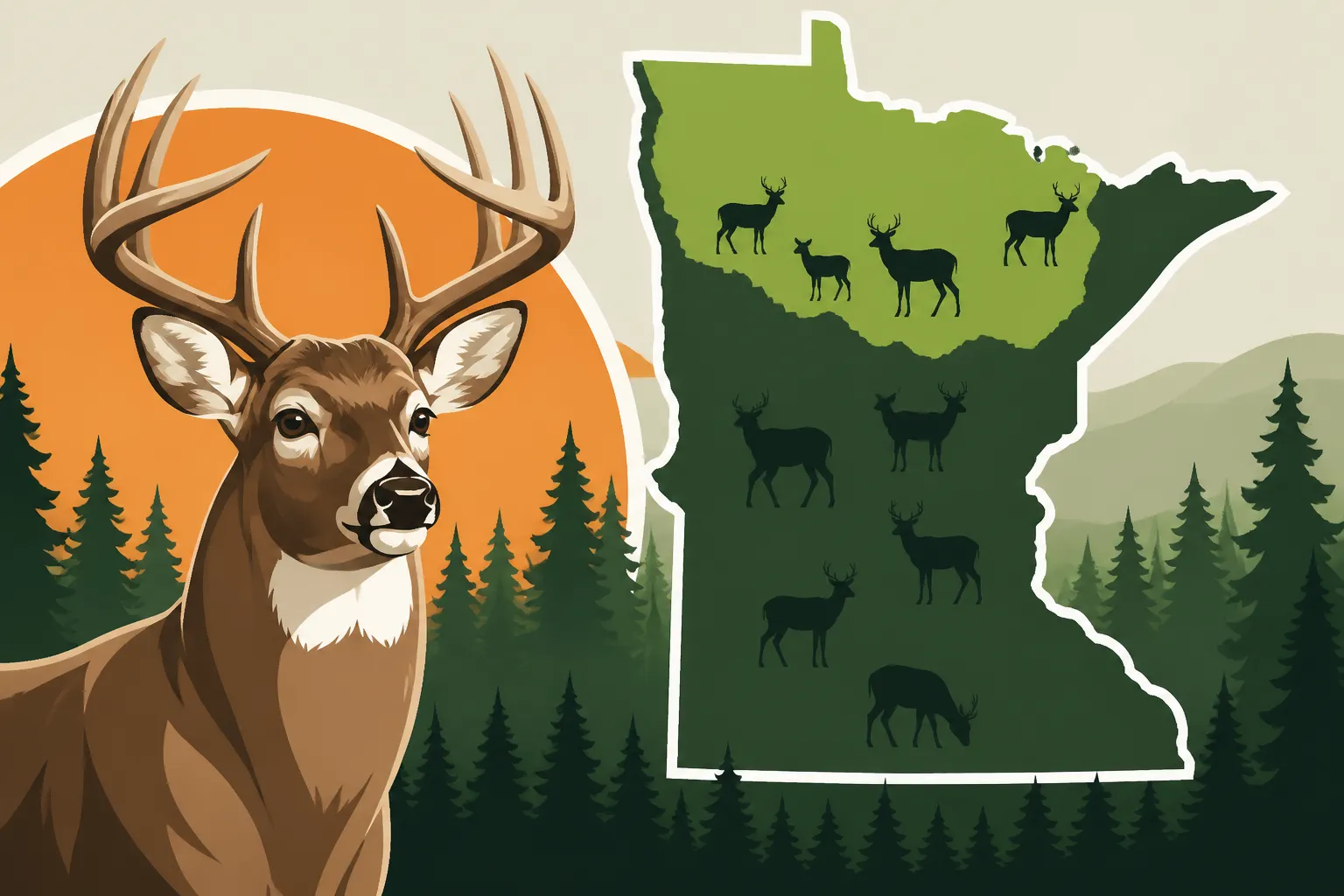
Let's be honest, the big woods of northern Minnesota aren't going to offer you the same kind of deer-per-acre numbers you might find down in the farmlands of say, Fillmore County or the river bottoms near Wabasha. That's just a simple ecological truth, and understanding it is the first step to successful hunting up here. This isn't a criticism of the deer herd; it's a reflection of the environment itself.
Think about the landscape: vast tracts of mixed forest, often with dense conifer swamps, aspen cuts, and occasional pockets of oak. While beautiful, this terrain presents a different challenge for whitetails than the food-rich agricultural fields to the south. Deer populations in these northern zones are naturally shaped by factors like winter severity, habitat quality, and predation pressure in ways that simply don't impact deer in the same way elsewhere in the state. Hunters often have to work harder, cover more ground, and be more patient, but the reward of a buck from this wild country is truly special. It’s about quality of the hunt, not just quantity of deer sighted.
The perception of "low density" often comes from the sheer scale of the landscape. You can walk for miles in a state forest or a national forest like the Superior or Chippewa National Forests without seeing a single deer, which can be disheartening. But that doesn't mean deer aren't there. It means they're spread out, often concentrated in specific areas that offer the best food, cover, and protection from the elements. Finding those pockets, that's the real trick to Hunting Minnesota Big Woods success.
Factors Shaping Northern Minnesota's Deer Populations
Several interconnected elements work together to determine how many deer call northern Minnesota home and where they tend to congregate. These aren't just abstract ideas; they directly influence your hunting experience.
Habitat and Food Availability in the North
Unlike the corn and soybean fields that provide a seemingly endless buffet for deer in southern Minnesota, the northern forests offer a different kind of menu. Deer up north rely heavily on browse – twigs, leaves, and buds from trees and shrubs. Aspen cuts, in particular, are incredibly important for deer browse, and understanding How Old a Cut Should Be for Grouse can also give you clues about good deer habitat, as deer often utilize similar regenerating forest areas.
The diversity of the forest, from dense cedar swamps offering thermal cover in winter to regenerating clear-cuts providing food, dictates where deer can survive and thrive. When the habitat is fragmented or lacks diversity, deer populations struggle. This makes knowing how to Reading Aerial Photos for Big Woods Deer an absolutely critical skill for northern hunters, helping you pinpoint those crucial habitat components even before you step foot in the woods. You're looking for the subtle nuances that provide both food and safety.
The Impact of Harsh Winters
If there's one factor that can decimate deer populations in northern Minnesota, it's a severe winter. Deep, prolonged snow cover makes it incredibly difficult for deer to move and access food. It drains their energy reserves, making them more susceptible to disease and predation. When we talk about How Severe Winters Hit Northern Deer Herds, we're not just talking about a little inconvenience; we're talking about a significant force that can shape herd health for years.
In areas with persistent deep snow, deer are often forced into traditional deer yards – areas of dense conifer cover, usually cedar or spruce swamps, where the snow isn't as deep, and they can find some thermal protection. While these areas offer temporary refuge, they also concentrate deer, making them more vulnerable to predators and increasing competition for limited food. A mild winter, on the other hand, can lead to a boom in fawn survival and overall herd health, allowing more deer to make it through to the following year. This natural fluctuation is a defining characteristic of northern deer management.
Predation Pressure from Wolves and Bears
Northern Minnesota is truly wild country, and with that comes a healthy population of predators. Wolves, in particular, play a significant role in regulating deer numbers, especially during harsh winters or when deer are concentrated in yards. It's a natural dynamic, but one that can feel frustrating to hunters already dealing with lower deer densities. Bears also contribute to fawn mortality, especially in spring, though their overall impact on adult deer populations is less significant than wolves.
Understanding the dynamics of Wolves and Predators in Minnesota is crucial for anyone hunting up north. You might not see these predators often, but their presence influences deer behavior, movement patterns, and where deer feel safe enough to bed or browse. For instance, deer may avoid certain areas where wolf activity is high, pushing them into other, perhaps less ideal, habitats. This means hunters need to consider not just where deer should be based on food and cover, but also where they feel safe from predation.
Hunting Strategies for Lower Deer Density Environments
Hunting northern Minnesota deer isn't about sitting in a stand over a food plot, waiting for a parade of deer. It's a different game altogether, demanding a more proactive and strategic approach. You're not looking for deer everywhere; you're looking for the right spots where deer are concentrated.
Scouting for Pockets of Deer
When deer are spread out, finding those specific "pockets" where they feed, travel, and bed becomes paramount. This is where diligent scouting, both pre-season and during the hunt, truly pays off. Forget covering miles and miles of seemingly barren woods. Focus on finding key features that funnel deer movement or provide essential resources.
- Topography: Look for natural funnels like saddles between ridges, pinch points where terrain narrows, or benches along hillsides. Deer will almost always take the path of least resistance.
- Habitat Edges: The transition zones between different habitat types are often hotspots. Think where a conifer swamp meets an aspen stand, or where a clear-cut abuts mature timber. These edges offer both food and cover.
- Water Sources: While northern Minnesota isn't typically short on water, a reliable water source, especially during drier periods, can concentrate deer.
- Logging Roads and Trails: While sometimes busy with other hunters, these often create corridors for deer movement and provide access to regenerating forest.
- Sign, Not Sightings: In lower density areas, fresh tracks, rubs, scrapes, and droppings are far more valuable than actual deer sightings. They tell you where deer have been and are likely to be again. Using a mapping application like GoHunt, you can mark these signs and build a picture of deer activity over time, helping you piece together their travel routes. This is how you start to understand Where Big Woods Bucks Bed in Minnesota and how they move through their range.
Adjusting Hunting Tactics for Big Woods Whitetails
The tactics that work in high-density areas often fall flat up north. You need to adapt to the deer, not try to make the deer adapt to your preferred style.
- Still-Hunting and Tracking: Given the lower density, actively moving through the woods, or "still-hunting," can be highly effective. This involves moving slowly, stopping frequently, and using your binoculars to pick apart the cover. Learning the art of Still-Hunting Minnesota Big Woods is a skill that takes patience and practice. If there's snow, tracking deer becomes a powerful tool.
- Stand Placement: Instead of placing a stand in an open field, focus on travel corridors, funnels, and natural pinch points. Deer in the big woods are often on the move, so intercepting them between bedding and feeding areas is key. A portable treestand or saddle setup can be invaluable for adapting to fresh sign.
- Patience and Persistence: You might not see deer every sit, or even every day. Northern Minnesota hunting tests your resolve. Embrace the solitude and the challenge. Every deer earned in this country feels like a true accomplishment.
- Deer Drives: On public land, especially during the firearm season, organizing small Deer Drives With Three or Four Hunters can be a highly effective way to push deer out of thick cover towards waiting standers. It requires good communication and knowledge of the terrain, but it’s a time-honored tradition in these parts.
Understanding Deer Management Zones
Minnesota's deer management is tailored to different parts of the state. Northern Minnesota often falls into different permit area designations than the agricultural zones. Knowing your specific Minnesota Deer Seasons and Permit Areas is crucial. Some areas may have more conservative antlerless harvest limits to help build herd numbers, while others might allow for more flexibility. Always check the regulations for the specific permit area you plan to hunt.
The Future and Management of Northern Minnesota's Deer
The management of deer in northern Minnesota is a complex balancing act, considering hunter expectations, ecological realities, and the challenges of a changing landscape.
Balancing Hunter Expectations and Ecosystem Health
Wildlife managers are constantly striving to balance the desires of hunters for robust deer populations with the ecological capacity of the northern forest to support them. Overpopulation in these areas can lead to habitat degradation, while underpopulation means fewer hunting opportunities. It’s a delicate dance. Factors like climate change, which can bring milder winters or more extreme weather events, also play a role in this ongoing equation. The goal is a healthy, sustainable herd that can withstand natural fluctuations and provide consistent recreational opportunities.
Conservation Efforts and Habitat Improvement
Many organizations, along with the DNR, are engaged in conservation efforts aimed at improving habitat for deer and other wildlife in northern Minnesota. This includes strategic timber harvesting to create diverse age classes of forest, prescribed burns, and protecting critical wintering areas. These efforts don't just benefit deer; they create a healthier ecosystem for a wide range of species, from ruffed grouse to moose.
Furthermore, hunters themselves are often the biggest advocates for these efforts, understanding that a healthy forest is the foundation of a healthy deer herd. Participating in local conservation groups or volunteering for habitat projects is a fantastic way to contribute to the future of White-Tailed Deer Across Minnesota, particularly in the challenging northern regions.
Minnesota Deer Population Overview: North vs. South
To put things into perspective, here's a general comparison of key factors influencing deer density in Northern vs. Southern Minnesota:
| Feature | Northern Minnesota (Big Woods) | Southern Minnesota (Farmland/Bluff Country) |
|---|---|---|
| Primary Habitat | Mixed forest, conifers, aspen, swamps | Agricultural fields, hardwoods, river bottoms |
| Dominant Food Source | Natural browse (twigs, buds), regenerating timber | Agricultural crops (corn, soybeans), acorns, browse |
| Winter Severity Impact | High – deep snow, cold, reliance on deer yards | Moderate – less deep snow, easier food access |
| Predation Pressure | Significant (wolves, bears) | Lower (coyotes, occasional bear) |
| Typical Deer Density | Lower to moderate deer/square mile | Moderate to high deer/square mile |
| Hunter Approach | Scouting-intensive, still-hunting, drives | Stand hunting over food, natural funnels |
This table illustrates why your approach needs to shift when you venture into the north country. It's a different world, but one that offers immense satisfaction to the dedicated hunter.
Disclaimer
This article is for general informational purposes only and does not constitute professional advice. Laws, prices and regulations vary by location and change over time. Consult a qualified professional for guidance on your specific situation.