Minnesota Deer Camp Traditions
It's easy to get caught up in the specifics of licenses, gear, and hunting tactics, but for many, the true heart of deer season lies in the cherished ritual of deer camp. These gatherings aren't just about bagging a buck; they're about shared stories, hearty meals, and the irreplaceable camaraderie that builds year after year, often overcoming the logistical headaches of modern life. This guide delves deep into the enduring spirit of Minnesota deer camp traditions, offering a realistic look at how these experiences shape us, how to keep them vibrant, and how to pass them on to future generations.
What Makes Minnesota Deer Camp Unique?
For those of us who grew up in Minnesota, deer camp isn't just a place; it's a state of mind. It’s a temporary reprieve from the daily grind, a chance to reconnect with family and friends, and a deep dive into the primal rhythm of the hunt. While hunters nationwide gather, Minnesota’s unique landscape and hunting culture have fostered a set of traditions that are distinctly ours, blending the rugged individualism of the Northwoods with the close-knit community spirit of rural life.
The Evolution of Deer Camp
The concept of deer camp in Minnesota stretches back generations, evolving from purely utilitarian, often makeshift shelters where hunters processed game to the beloved, semi-permanent fixtures many camps are today. In the early days, a "camp" might have just been a canvas tent or a small, wood-heated shack, a necessity for hunters venturing deep into the vast forests to secure meat for the winter. It was a communal effort, born of necessity and survival. Hunters would spend days, sometimes weeks, away from home, relying on each other for safety, warmth, and success.
Over time, as hunting regulations solidified and transportation became easier, deer camp transitioned into a more recreational pursuit, though the core values of shared effort and camaraderie never faded. Today's camps range from rustic, off-grid cabins tucked away in the Superior National Forest to elaborate setups with all the modern conveniences on private land in the rolling farmlands. Despite these variations, the essence remains: a place where the focus shifts from individual success to collective experience, where the chase for a trophy buck is often secondary to the shared laughter and the annual reunion. It’s a heritage passed down, often from grandparent to parent to child, shaping not just hunting skills but life lessons.
Geographic Influences on Traditions
Minnesota is a state of incredible geographic diversity, and these varied landscapes play a significant role in shaping local deer camp traditions. Up in the "big woods" of northern Minnesota, around places like Itasca County or the vast public lands near Grand Rapids, camps often embrace a more rugged, self-sufficient ethos. Hunting methods here might involve extensive still-hunting through thick aspen and pine, or strategic drives through clear-cuts and swamps. The terrain often dictates a more mobile approach, and camp traditions might revolve around navigating challenging cover and celebrating the hard-earned success of a deep-woods buck. Hunters might rely on tools like GoHunt's detailed maps to scout distant sections of public land before the season, identifying potential bedding areas or travel corridors that influence where they'll hang their stands or plan their pushes.
Conversely, in the agricultural regions of southern Minnesota, particularly in the rich bluff country of the southeast, deer camps often center around established farmsteads or private parcels. Hunting strategies here frequently involve watching field edges, hunting river bottoms, or conducting well-organized Deer Drives With Three or Four Hunters through woodlots. The camps in these areas might be less about surviving the elements and more about strategizing over aerial maps, sharing abundant home-cooked meals, and leveraging local knowledge of deer patterns in cultivated landscapes. Regardless of the setting, the specific challenges and opportunities presented by the local environment inevitably weave themselves into the fabric of the camp's unique traditions.
The Heart of Camp: Food, Stories, and Camaraderie
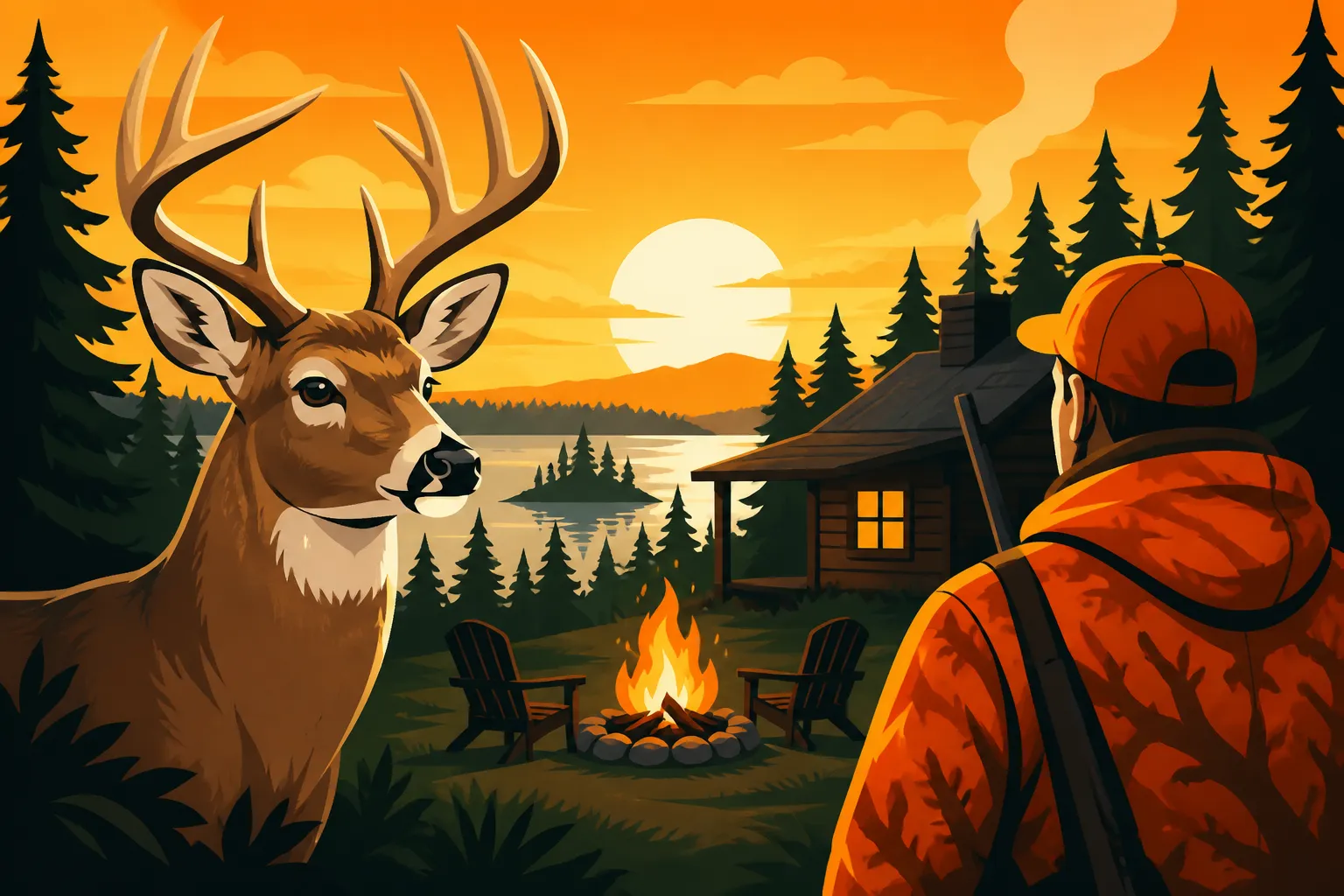
Beyond the hunt itself, the true magic of deer camp often lies in the moments shared around a table or a crackling fire. These are the elements that solidify bonds, create lasting memories, and truly define the spirit of the season.
The Culinary Backbone of Camp
Let's be honest: good food is non-negotiable at deer camp. It's the fuel for long days in the woods and the comfort after a cold, unproductive sit. Camp cooking traditions vary widely, but they almost always involve hearty, stick-to-your-ribs fare designed to warm you from the inside out. Think massive pots of chili, venison stew simmering for hours, stacks of pancakes and sausage for breakfast, or even a deep-fried turkey on a successful day. Many camps have a rotating schedule, where different members are responsible for cooking specific meals, leading to friendly competition and signature dishes.
There's often a designated "head cook" or an elder whose recipes are legendary. My Uncle Gary's "Gut-Buster Chili" is still talked about years after he passed, his secret blend of spices and a dash of coffee making it truly unforgettable. Coffee, by the way, is a camp essential – brewed strong and plentiful from dawn till dusk. And when a deer is down, the venison becomes the star of the show, grilled backstraps, tenderloin pan-fried, or ground meat for a massive batch of tacos. The shared act of preparing, cooking, and enjoying these meals together fosters a deep sense of community and provides a much-needed break from the intensity of the hunt.
Storytelling Around the Fire
Ah, the stories. The campfire or the trusty wood stove, often in an old hunting shack, is where the legends are born and embellished year after year. Every hunter, regardless of experience, has a tale to tell – of the monster buck seen but never shot, the harrowing walk in the dark, the misstep that cost a shot, or the comical mishap with gear. These stories aren't just entertainment; they're a vital part of the oral history of the camp, passing down wisdom, caution, and humor through generations.
"Remember the year ole' Bill fell asleep in his stand and woke up to a porcupine chewing on his boot?" These anecdotes become the fabric of camp identity. They celebrate the successes, commiserate over the failures, and reinforce the shared experience. It's where new hunters learn the unwritten rules of the woods and the nuances of Hunting the Peak Rut in Early November. The stories often involve a healthy dose of exaggeration, but beneath the tall tales lies a genuine connection to the land and each other. These moments of reflection, often accompanied by a beverage of choice, are as important as any time spent in a treestand.
Activities Beyond the Hunt
While deer hunting is the main event, deer camp life isn't solely confined to the hours spent in the woods. There's a rich tapestry of activities that fill the time between hunts, during midday lulls, or after the evening meal. Card games like cribbage, poker, or euchre are perennial favorites, often accompanied by fierce but friendly competition. Some camps have dartboards, horseshoe pits, or even a makeshift trap range for busting clays. If early snow hits, some might even break out the ice fishing gear.
These non-hunting activities are crucial for building and maintaining camaraderie. They provide a space for relaxation, stress relief, and continued bonding outside the intense focus of the hunt. It's where inside jokes are born, where friendships deepen, and where the sense of belonging is reinforced. For younger hunters, it's often their first exposure to the full spectrum of camp life, instilling a love for the outdoors that goes beyond pulling a trigger. It’s also a great time to do some planning, perhaps looking at detailed maps from GoHunt to plan next year's strategy or identify new areas to explore for Hunting Pressure on Minnesota Public Land.
Managing Camp Logistics and Responsibilities
A successful deer camp, much like a well-oiled machine, requires careful planning and a clear division of labor. Without it, even the strongest friendships can fray under the pressure of shared living and demanding tasks.
Dividing Labor and Keeping Harmony
One of the biggest challenges, and opportunities, in deer camp is managing the day-to-day logistics. Who's responsible for waking everyone up? Who's on breakfast duty? Who keeps the woodstove roaring? In established camps, these roles often fall into a natural rhythm based on tradition and individual strengths, but clear communication is always key. Newcomers quickly learn the ropes, often starting with general cleanup or fetching firewood.
Many camps employ a simple rotation system or a volunteer-based approach. The "Camp Boss" or an elder might oversee the general operations, ensuring everything runs smoothly. Responsibilities extend beyond meals and chores to things like tracking deer, knowing how to do Field Dressing a Deer in Cold Weather, or navigating to the nearest registration station for Registering a Minnesota Deer Online. Establishing these roles early prevents friction and ensures that everyone contributes to the collective good. After all, nobody wants to be the one who never pulls their weight or, worse, complains about the coffee when they haven’t volunteered to brew it. A little effort goes a long way in keeping the camp spirit high and the peace intact.
Here’s a look at how responsibilities might typically be broken down in a Minnesota deer camp:
| Role | Key Responsibilities | Typical Traits |
|---|---|---|
| Head Cook | Plans menus, shops for groceries, prepares main meals, manages kitchen | Organized, loves cooking, resilient to early morning requests, keeps coffee flowing |
| Camp Handyman | Manages generator/power, chops firewood, handles repairs, keeps things tidy | Resourceful, practical, good with tools, early riser to tend fire |
| Scouting & Navigation Lead | Utilizes mapping apps (like GoHunt), tracks sign, suggests hunting spots | Observant, technologically savvy, good memory for terrain, understands deer movement |
| Butcher/Processor | Oversees field dressing, helps transport, manages meat processing (if done at camp) | Strong stomach, methodical, experienced in Butchering a Deer at Camp |
| Storyteller/Historian | Recounts past hunts, shares wisdom, keeps spirits high, documents memories | Engaging, good memory, often an elder, fosters camaraderie |
| Apprentice/New Blood | Assists all roles, learns the ropes, general clean-up, keeps enthusiasm high | Eager, respectful, good listener, asks questions |
Essential Camp Equipment and Setup
Beyond the firearms, bows, and camo, a well-appointed deer camp requires a host of communal gear to make the week comfortable and functional. This often includes a robust generator for power, a reliable woodstove (a true lifesaver in late November), ample potable water, and sturdy cots or bunk beds for sleeping. Lighting is critical, from propane lanterns to battery-powered LED systems. Depending on the location, a well-stocked first aid kit is paramount, as many camps are quite remote, far from immediate medical attention.
Transportation for game is another key consideration. A deer cart or a sled (especially for Sleds and Drags for Snow Country once the snow flies) can be invaluable for getting a deer out of challenging terrain. For those utilizing public land, understanding the rules for Camping on Minnesota Public Hunting Land is crucial for setting up your temporary base. Many camps also have designated areas for skinning and processing deer, equipped with hoists, sharp knives, and plenty of cleaning supplies. Before heading out, a good leader might even use a platform like GoHunt to mark potential campsites, access points, and emergency rendezvous spots, ensuring everyone knows the plan. Having these essential pieces of equipment organized and in working order before opening day can make all the difference between a frustrating trip and a smooth, enjoyable experience.
Passing Down the Camp Legacy
The true longevity of any deer camp tradition lies in its ability to adapt and be passed from one generation to the next. It’s a responsibility and a privilege to introduce new blood to the ways of the woods and the unique culture of deer camp.
Initiating New Hunters to Camp Life
Bringing a new hunter, especially a youngster, into deer camp is one of the most rewarding aspects of the tradition. It's not just about teaching them how to shoot or identify deer sign; it's about immersing them in the entire experience. This means starting with the basics of firearm safety and ensuring they've completed Minnesota Hunter Safety Requirements, but also teaching them the unspoken rules of camp: how to be quiet, how to help out, and how to respect the traditions that have been built over decades. Patience is key. Their first hunts might be short, focused more on observation and comfort than on harvesting an animal.
Involving them in tasks like splitting firewood, helping with meal prep, or even just sitting quietly and listening to the veteran hunters' stories helps them feel like a valued part of the team. Show them how to scout using modern tools, like the mapping features on GoHunt, to understand terrain and deer movement. These early experiences, filled with camaraderie and practical lessons, are what foster a lifelong love for hunting and the outdoors. It's about building a connection, not just to the game, but to the heritage itself.
Preserving Traditions for Future Generations
In a rapidly changing world, consciously preserving deer camp traditions is more important than ever. This means more than just showing up each year; it means actively engaging in documenting and celebrating the unique aspects of your camp. This could involve creating a camp photo album, writing down favorite recipes, or even a journal where each year's significant events and stories are recorded. These artifacts become invaluable touchstones for future generations, allowing them to connect with the past and understand the roots of their traditions.
It also involves adapting where necessary. While some traditions are sacred, others might need to evolve to fit modern realities, such as busy schedules or changing demographics within the group. The core, however, should always remain: the commitment to gathering, sharing, and creating new memories. By instilling these values in new hunters, teaching them the history of the camp, and involving them in the ongoing legacy, we ensure that the spirit of Minnesota deer camp continues to thrive for decades to come, enriching lives and preserving a vital piece of our outdoor heritage.
Disclaimer
Please note that hunting regulations, seasons, and permit requirements are subject to change. Always consult the official Minnesota Department of Natural Resources (DNR) website or their current hunting regulations handbook for the most up-to-date and accurate information before planning any hunting trip. This guide is for informational purposes only and does not supersede state laws or regulations.