Camping on Minnesota Public Hunting Land
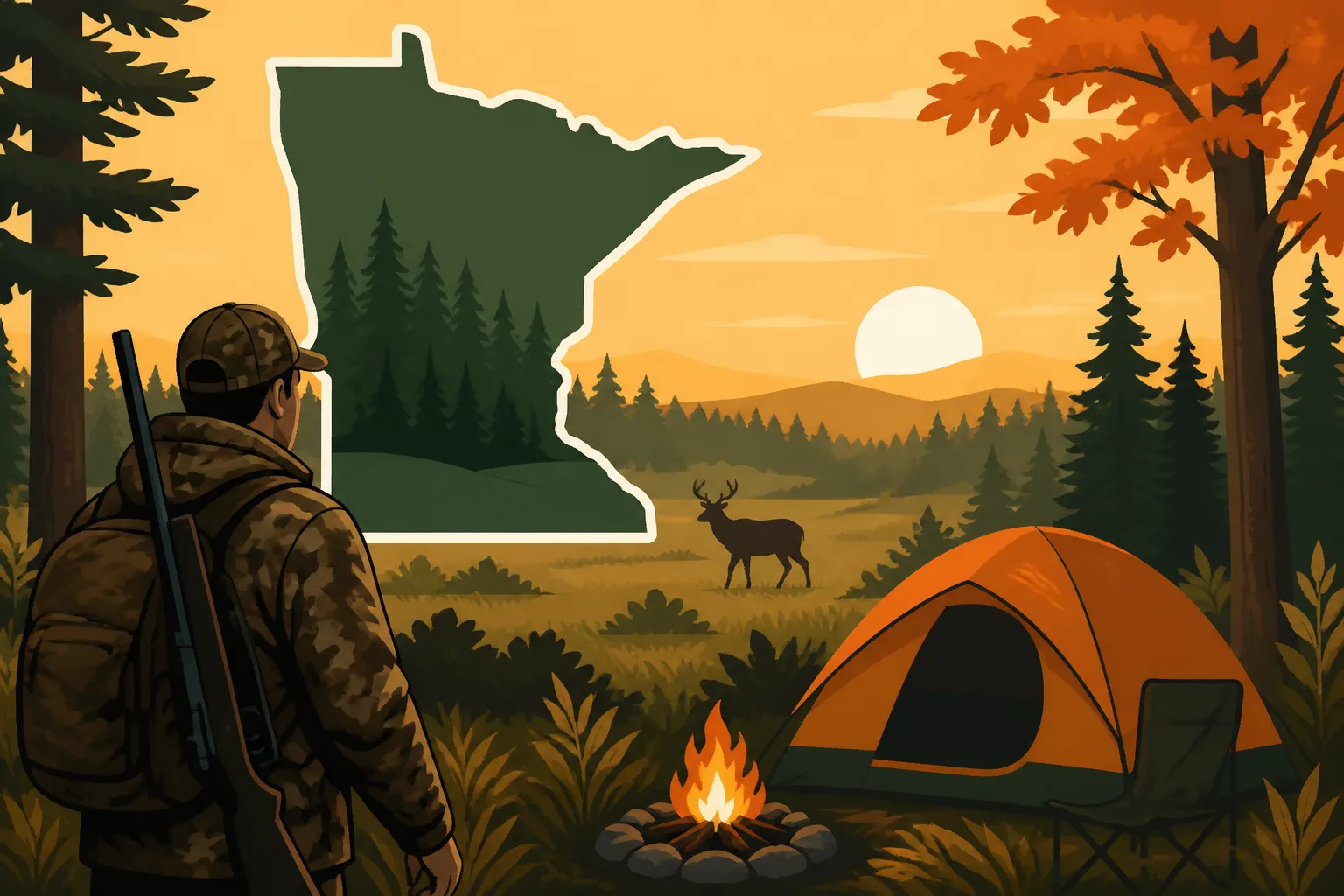
There's nothing quite like truly immersing yourself in Minnesota's hunting landscape, waking up with the critters, and having your hunting spot just a stone's throw from your tent. But for many, the idea of camping on public hunting land feels like navigating a maze of confusing rules and unspoken etiquette. This guide aims to demystify public land camping in the North Star State, helping you understand where you can pitch a tent, what rules to follow, and how to make the most of your extended stay in the wild.
Understanding Minnesota's Public Land Camping Regulations
Venturing out for a multi-day hunt is an incredible experience, but it starts with knowing where you're legally allowed to set up camp. Minnesota boasts a fantastic amount of public land, from sprawling state forests to smaller wildlife management areas, each with its own set of rules and nuances when it comes to overnight stays. The key is to understand that not all public land is created equal in the eyes of a camper, especially when you're blending hunting with an overnight stay.
Imagine you've driven for hours, scouting a promising piece of public ground for your next deer or grouse hunt. The last thing you want is to be halfway through setting up your camp only to discover you're in a prohibited area. That frustration is real, and it’s why a little homework upfront can save you a lot of headache and potentially a ticket. Public lands are managed by different entities—state, federal, and sometimes even county—and each has specific guidelines for camping, campfires, and vehicle access that are often distinct from general hunting regulations.
Knowing these differences is crucial for a stress-free trip. A good place to start is often with general maps, like those available on onX Hunt or GoHunt, which can show you land ownership boundaries, but you'll still need to dig a little deeper into the specific regulations for the type of public land you're on. This initial understanding prevents unnecessary run-ins with conservation officers and ensures you’re making the most of the diverse opportunities Minnesota offers for combining hunting with the immersive experience of a backcountry camp.
Differentiating Public Land Types for Camping
Minnesota's public lands offer a diverse tapestry for hunters, but each thread comes with its own rules. Broadly speaking, you'll encounter State Forests, Wildlife Management Areas (WMAs), and federal lands like the Superior and Chippewa National Forests. Each of these categories serves a slightly different purpose and, consequently, has different regulations regarding camping.
State Forests are generally quite accommodating for campers, often featuring designated campgrounds as well as extensive areas for dispersed camping. These are typically managed by the Minnesota Department of Natural Resources (DNR) and aim to balance timber production, recreation, and wildlife habitat. For a hunter looking to set up a base camp deep in the woods, state forests often present the most straightforward options, provided you adhere to fire restrictions and leave-no-trace principles. You can find detailed maps and specific rules for these areas on the DNR's website.
Wildlife Management Areas, on the other hand, are primarily acquired and managed for wildlife production and public hunting and trapping. Their focus is squarely on habitat, and as such, camping regulations can be much stricter, often limited or entirely prohibited to minimize human disturbance. While you might be able to park your truck and sleep in it for a night, pitching a tent might be a different story. National Forests, being federal land, often have the most liberal dispersed camping rules, allowing you to camp almost anywhere outside of developed areas, provided you follow their specific guidelines which often align closely with Leave No Trace principles.
General Rules and Best Practices
No matter where you choose to camp on public land in Minnesota, a few universal principles apply to ensure a safe, respectful, and legal experience. The most important rule of thumb is "Leave No Trace." This means packing out everything you pack in, minimizing your impact on the environment, and leaving your campsite cleaner than you found it. This isn't just a suggestion; it’s often a legal requirement and an ethical obligation for any outdoorsperson.
Another critical consideration is fire safety. Campfires are a cherished part of the outdoor experience, especially on a chilly hunting evening, but they can pose a significant risk. Always check for current fire bans or restrictions, which are common during dry periods, particularly in the spring and fall. If fires are allowed, make sure to use an existing fire ring if available, keep your fire small and manageable, and always ensure it's completely extinguished before you leave or go to bed. Having a shovel and a bucket of water nearby is not just a good idea; it's essential.
Finally, be mindful of your proximity to roads, trails, and water sources. Many public land regulations dictate how close you can camp to these features, usually to protect natural resources and ensure public access. For instance, camping too close to a stream can lead to water contamination. Always pick a durable surface for your tent, like dirt or gravel, rather than sensitive vegetation. Remember, we share these lands, and thoughtful camping ensures everyone, including the wildlife, has a positive experience.
Camping in Minnesota State Forests
Minnesota's State Forests are an incredible resource for hunters, offering vast tracts of land that are generally open to both hunting and camping. These forests, managed by the DNR, stretch across much of the northern and central parts of the state, providing prime habitat for deer, grouse, bear, and more. For many hunters, setting up a camp within a state forest is the ideal way to fully immerse themselves in the hunt, waking up to the sounds of the woods just a short walk from their stand or grouse cover.
The appeal here is undeniable. Imagine hunting hard all day, maybe putting on a good two or three miles still-hunting through thick popple or sitting patiently in a stand overlooking a swamp edge. Instead of packing up, driving back to a hotel, and then driving out again in the dark before dawn, you can simply stroll back to your camp, get a fire going, cook a hot meal, and be right back in the action at first light. This convenience, coupled with the feeling of solitude and connection to nature, is what draws many to Minnesota State Forest Hunting. However, it's essential to understand the specific camping rules that apply, as they differ from designated campgrounds elsewhere.
The DNR has done a great job of providing access, but they also have to manage these lands sustainably. This means certain limitations are in place to prevent overuse and damage to the ecosystem. Always consult the specific rules for the state forest you plan to visit, as there can be regional variations. What's allowed in, say, the Rum River State Forest might be slightly different from the vast expanses of the Finland State Forest up north.
Designated Campgrounds in State Forests
Many Minnesota State Forests feature designated primitive campgrounds. These are often smaller, more rustic than state parks, and provide a basic level of amenities such as a fire ring, picnic table, and sometimes an outhouse. They rarely have running water or electricity, making them a great middle ground for those who want a structured campsite but still crave a more wild experience.
The benefit of using a designated campground is clarity. You know you're in a legal spot, and often, these campgrounds are strategically located near popular hunting areas or trail systems. While they might attract other campers, they also offer a sense of community for fellow outdoors enthusiasts. These sites usually have a small fee associated with them, which goes directly back into maintaining the campground and the surrounding forest. Think of it as investing in the resource you enjoy.
One thing to consider is popularity. During peak hunting seasons, especially opening weekend of firearm deer season, these campgrounds can fill up fast. It’s always a good idea to arrive early or have a backup plan. Reserving a spot isn't always an option for these primitive sites, so it’s often first-come, first-served. If your goal is solitude, a busy designated campground might not be your first choice, but it offers a secure and sanctioned base for your hunting adventures.
Dispersed Camping Regulations in State Forests
For many hunters, the true allure of state forest camping lies in dispersed camping – pitching your tent wherever you find a suitable spot, away from developed areas and other people. This is often perfectly legal in Minnesota State Forests, provided you adhere to specific guidelines designed to minimize impact and ensure safety. This is where you can truly escape the crowds and tailor your camp to your hunting strategy.
The primary rule for dispersed camping is usually centered around distance: staying a certain number of feet away from roads, trails, and water sources. This helps maintain the wilderness aesthetic, prevents erosion, and protects water quality. For instance, you might be required to camp at least 50 or 100 feet from a designated trail. Always check the specific forest's rules on the DNR website for exact distances. You'll also need to be mindful of private property boundaries, which can sometimes checkerboard within public forest lands. A good mapping app like onX Hunt can be invaluable for identifying these boundaries, ensuring you don't inadvertently trespass.
When choosing a dispersed campsite, look for areas that show signs of previous use, like a flattened patch of ground or an old fire ring (though it's best to create a new, small, contained fire if there isn't a good existing one, always checking fire bans first). This minimizes your impact on new areas. Avoid camping directly on vegetation if possible. Remember, the goal is to leave no trace that you were ever there. Camping Rules on Minnesota State Forest Land often detail these specifics, and a quick read can save you a lot of grief. Don't forget that vehicle rules also apply; you can't just drive anywhere. Vehicle Rules on Minnesota Public Land will specify what roads and trails are open to motorized use, and often, you'll need to pack your gear in from a designated parking spot.
Camping in Wildlife Management Areas (WMAs)
Minnesota's Wildlife Management Areas, or WMAs, are critical parcels of public land specifically managed for wildlife habitat and public recreation, particularly hunting and trapping. These areas can range from vast tracts of wetland and forest to smaller patches of prairie grassland. While they are fantastic places to pursue game, their primary purpose dictates a much stricter approach to camping compared to state or national forests.
It's easy to assume that because you can hunt a WMA, you can also camp there. This is a common misunderstanding that can lead to problems. WMAs are designed to minimize human impact outside of the direct act of hunting itself, and this often means restricting overnight stays to protect sensitive habitats and prevent long-term disturbance to wildlife. Hunters often find themselves scratching their heads, wondering why they can't simply pitch a tent after a long day chasing pheasants in a WMA. The reasoning is sound: intensive camping can degrade habitat, create litter, and habituate wildlife to human presence in ways that are counterproductive to management goals.
However, "no camping" isn't always a blanket statement. Sometimes, primitive camping is allowed in very specific designated areas, or perhaps certain types of overnight stays, like sleeping in your vehicle, are tolerated under certain conditions. The key is to never assume and always check the specific regulations for the WMA you plan to visit. The DNR website is your best friend here, offering detailed information for each specific WMA under its management.
General WMA Rules and Restrictions
The most common rule you'll encounter regarding camping in Minnesota's WMAs is simply: "No overnight camping allowed." This is a widespread regulation across many, if not most, WMAs. These areas are often smaller and more sensitive than state forests, and managing dispersed camping would be a monumental task that could quickly compromise their ecological integrity.
When camping is prohibited, it means just that – no tents, no RVs, no sleeping out under the stars in a sleeping bag. Parking your vehicle in a designated parking lot and sleeping inside it for a night may sometimes be tolerated, especially if you're not setting up an elaborate camp. However, even this can be a gray area and is best avoided if there's any doubt. The intent of WMAs is generally for day-use hunting, fishing, and wildlife observation, with visitors expected to depart by the end of legal shooting hours or before dark.
It's important to respect these rules not just to avoid penalties but to contribute to the conservation efforts these lands represent. Many WMAs are critical breeding grounds or stopovers for migratory birds, or provide essential refuge for deer and other game. Keeping human disturbance to a minimum helps these areas fulfill their purpose. If you're planning a multi-day hunt near a WMA, your best bet is often to find a nearby state forest, private campground, or even a local motel for your overnight stay.
Specific Camping Guidelines for WMAs
While outright camping is rare, some larger or more remote WMAs might have very limited, specific provisions for overnight stays. These are the exceptions, not the rule, and they typically come with a host of stringent conditions. For instance, a very large WMA might have a single, designated primitive campsite, often for non-motorized access only, meaning you'd have to pack in all your gear.
These specific camping guidelines, if they exist, will be clearly outlined on the DNR’s official WMA page or on signage at the WMA itself. It might include restrictions on fire, party size, length of stay, or require a special permit. It is absolutely crucial to read and understand these nuances before you even consider bringing camping gear onto a WMA. Ignoring these specifics could result in fines and a disruption to your hunting trip.
A common scenario might involve youth groups or educational programs having special permission to camp on a WMA, but this would be pre-arranged and permitted, not open to the general public. For the average hunter, the safest and most reliable approach is to assume that WMAs are day-use only. If you absolutely need to stay overnight adjacent to your hunting spot, explore nearby state forests or private campgrounds as your primary options. Utilizing mapping resources like GoHunt or onX Hunt can help you identify adjacent public lands where camping might be permitted, allowing you to stage your hunt from a legal base camp.
| Public Land Type | General Camping Rule | Common Features/Restrictions | Best For Hunters Seeking |
|---|---|---|---|
| State Forests | Generally allowed (dispersed & designated). | Designated primitive sites (fee likely), Dispersed camping (free, Leave No Trace, distance from roads/water). | Immersive multi-day hunting, rustic camping, solitude. |
| Wildlife Mgmt. Areas | Primarily "No overnight camping." Rare exceptions apply. | Day-use only, focus on wildlife habitat, very limited or no facilities, strict rules. | Day hunts, minimal disturbance, close access to specific game habitat. |
| National Forests | Generally allowed (dispersed & designated). | Developed campgrounds (fee), extensive dispersed camping (free, Leave No Trace, fire safety). | Wilderness experience, extended backcountry trips, remote access. |
| State Parks | Designated campgrounds only (fee, reservations recommended). | Developed sites (electricity, showers), strict quiet hours, limited hunting access (special hunts only). | Family camping, amenities, not primary hunting base for most. |
| Walk-In Access (WIA) | No camping permitted. | Private land enrolled for public hunting, day-use only, no facilities. | Convenient day hunts on private land with public access. |
National Forests: Superior and Chippewa
When it comes to expansive, remote camping opportunities that perfectly complement a multi-day hunting trip in Minnesota, the Superior and Chippewa National Forests are truly unparalleled. These vast federal lands cover millions of acres, primarily in the northern reaches of the state, offering incredible habitat for deer, bear, grouse, and other game. Unlike many state-managed areas, the national forests often have more liberal rules regarding dispersed camping, making them a prime choice for hunters who want to truly immerse themselves in the backcountry experience.
Hunting in these national forests, particularly for species like deer or grouse, often means venturing deep into the timber. Having a camp set up within reasonable proximity to your hunting grounds is a massive advantage. You can maximize your time in the field, avoid long drives, and experience the full cycle of dawn and dusk in the woods. Imagine wrapping up a morning grouse hunt through an aspen cut, heading back to a simple camp for lunch, and then spending the afternoon scouting for deer sign before an evening sit. This kind of flexibility is a hallmark of Superior and Chippewa National Forest Hunting. The sheer scale of these forests means that with a little effort, you can often find a secluded spot far from any other hunters or campers.
The rules for camping in national forests, while generally more flexible than WMAs, are still important to understand and follow. These lands are managed by the U.S. Forest Service, and their guidelines are focused on balancing recreational use with conservation. Being prepared with the right gear and knowledge of Leave No Trace principles is paramount to a successful and respectful trip within these magnificent wilderness areas.
Designated Campgrounds in National Forests
Just like state forests, the Superior and Chippewa National Forests offer a variety of designated campgrounds. These range from developed sites with amenities like flush toilets and potable water to more rustic, primitive sites similar to those found in state forests. While not always ideal for a true "backcountry" hunting camp, they offer a solid, reliable base, especially if you have a larger group or prefer some creature comforts.
These campgrounds are typically managed for a fee and often allow for reservations, which can be a huge advantage during busy hunting seasons. They provide a secure place to leave your vehicle and a comfortable spot to return to after a long day afield. If you're bringing a family along, or simply prefer the convenience of an established site, a national forest campground can be a great option. They also serve as an excellent staging point for day trips into more remote hunting areas.
Keep in mind that while some hunting might be accessible directly from these campgrounds, their primary purpose is general recreation. You might find yourself sharing the space with hikers, anglers, and other nature enthusiasts. For serious hunters seeking deep woods solitude, these might be a starting point rather than the final destination. However, for those new to national forest camping, or looking for a convenient, known spot, they are an excellent resource.
Dispersed Camping in the Big Woods
This is where the Superior and Chippewa National Forests truly shine for hunters. Dispersed camping, also known as backcountry or undeveloped camping, is widely permitted across vast areas of these national forests. This means you can often drive down a forest road, find a suitable pull-off, and hike in a short distance to pitch your tent wherever you find a good spot. This freedom allows you to set up camp precisely where it makes the most sense for your hunting strategy, whether that's near a clear-cut edge for deer or an alder run for woodcock.
The guidelines for dispersed camping are primarily focused on minimizing impact. You'll generally need to be a certain distance from designated roads, trails, and water sources – typically 100 to 200 feet or more. This prevents concentrated impact and protects sensitive ecosystems. Fire safety is also critical; always use existing fire rings if present, or build a small, contained fire on durable surfaces, checking for fire bans religiously. Remember, you are responsible for packing out all your trash, including food scraps. Finding Ground Others Walk Past is often key to finding a truly secluded and undisturbed camping spot.
The "Big Woods" of northern Minnesota, particularly within these national forests, provides incredible opportunities for this type of immersive experience. For hunters willing to put in the effort to pack in their gear, the rewards are immense: waking up to deer tracks outside your tent, hearing coyotes howl at night, and having unfettered access to prime hunting grounds without ever having to leave the area. Using an app like onX Hunt can be particularly useful here, allowing you to clearly see forest service land boundaries, roads, and even topographic features to help you pick the perfect, legal, and secluded camp spot.
Dispersed Camping and Leave No Trace Principles
Dispersed camping is an incredible way to experience Minnesota's public lands, particularly for hunters who want to be right in the heart of their hunting grounds. It offers solitude, flexibility, and a deep connection to the wild that developed campgrounds simply can't match. However, with this freedom comes a significant responsibility: to minimize your impact and leave the environment as pristine as you found it. This ethos is encapsulated in the "Leave No Trace" principles, which are not just polite suggestions but often form the backbone of public land use regulations.
Many hunters are drawn to the idea of a simple, no-frills camp where they can wake up with the deer and listen for drumming grouse from their sleeping bag. This kind of raw, immersive experience is perfectly possible across vast areas of Minnesota's state and national forests. But it's vital to remember that these wild places are fragile. The cumulative impact of many campers, even small ones, can degrade habitat, create eyesores, and disturb wildlife if not done correctly. Understanding and rigorously applying Leave No Trace principles ensures that these opportunities remain available for everyone, including the animals, for generations to come.
Thinking ahead is key. This isn't just about packing out your trash; it's about choosing the right campsite, managing your waste, and being smart about your fire. It's about being an ethical outdoorsperson and a responsible steward of the land.
Finding a Responsible Campsite
The first step to responsible dispersed camping is selecting an appropriate campsite. This isn't always about finding the prettiest spot, but rather the most durable and least impactful. Look for a flat, well-drained area on durable surfaces like bare soil, rock, or dry grass. Avoid setting up directly on fragile vegetation, near wetlands, or in areas that appear prone to erosion. The goal is to avoid creating new impacts.
Another critical consideration is distance. Always ensure your campsite is at least 100 to 200 feet (approximately 40 to 70 paces) from water sources, trails, and roads. This buffers wildlife, protects water quality from human waste and soap, and keeps your camp out of sight and sound of others, preserving the wilderness experience for everyone. If you find an existing campsite that meets these criteria, it’s generally best to use it. This concentrates impact in one area rather than spreading it out, creating multiple disturbed spots.
When scouting for a spot, consider natural windbreaks for your tent, but also think about potential deadfall. You don't want a widowmaker branch coming down on your tent in a storm. Check your surroundings carefully. The peace of mind that comes from a well-chosen, responsible campsite is invaluable, allowing you to focus on your hunting adventure without worrying about your impact or a visit from a ranger. Using a mapping tool like GoHunt or onX Hunt can help you visualize topography and identify potential durable camp spots away from sensitive areas.
Practicing Leave No Trace Principles
Leave No Trace isn't just a philosophy; it's a set of seven core principles designed to minimize human impact in the outdoors. For dispersed camping on public hunting land, these principles are your essential guide:
- Plan Ahead and Prepare: Research regulations, weather, and terrain. Pack appropriate gear. Let someone know your itinerary. This includes knowing First Aid Kits for Remote Northwoods Ground.
- Travel and Camp on Durable Surfaces: Stick to existing trails, roads, and established campsites. When dispersed camping, choose rock, gravel, dry grasses, or bare soil. Avoid delicate plants.
- Dispose of Waste Properly: Pack it in, pack it out – all garbage, including food scraps. Bury human waste in a cathole 6-8 inches deep and at least 200 feet from water, camp, and trails.
- Leave What You Find: Don't take natural objects (antlers, rocks, plants) unless specifically permitted. Avoid altering the site, such as digging trenches around your tent.
- Minimize Campfire Impacts: Use existing fire rings. Keep fires small. Use only dead and downed wood. Ensure fires are completely out before leaving. Consider a small, portable stove for cooking to reduce fire impact.
- Respect Wildlife: Observe animals from a distance. Never feed them. Store food securely to prevent attracting scavengers, especially in bear country. Don't disturb their natural behaviors.
- Be Considerate of Other Visitors: Respect solitude. Avoid loud noises. Yield to others on trails.
Adhering to these principles ensures that the wild beauty and ecological health of Minnesota's public hunting lands are preserved. It’s a small price to pay for the privilege of experiencing the profound solitude and challenge of a backcountry hunting trip.
Gear and Planning for Extended Stays
Embarking on a multi-day hunting and camping trip on Minnesota's public lands requires more than just a hunting license and a positive attitude. Proper gear and meticulous planning are crucial for comfort, safety, and success, especially when you're venturing into remote areas where help might be hours away. The North Star State's weather can be notoriously unpredictable, swinging from mild autumn days to bitter cold and heavy snow in a matter of hours, making your gear choices paramount.
Imagine sitting in your treestand for Cold-Weather Sitting Strategy in Minnesota in early November, the temperature dropping and a light snow starting to fall. You're thinking about that warm sleeping bag and the hot meal waiting back at camp. Without the right gear, that thought could quickly turn to dread. From keeping warm and dry to managing your food and water, every item you pack plays a role in your overall experience. Overlooking a critical piece of equipment or failing to plan for contingencies can quickly turn an enjoyable hunting trip into a miserable ordeal.
This section isn't just about a checklist of items; it's about making smart choices that align with the conditions you expect and the type of hunting you'll be doing. Whether you're hauling your gear a short distance from your truck or backpacking miles into the Boundary Waters, efficiency, durability, and reliability are key. Being well-prepared allows you to focus on the hunt itself, rather than constantly battling the elements or unforeseen logistical challenges.
Shelter and Sleep Systems for Minnesota Weather
Your shelter and sleep system are arguably the most critical components of your camping setup, especially when hunting in Minnesota. A good tent or tarp provides protection from rain, wind, and snow, while a warm sleeping bag and pad ensure you get the rest you need after long days afield. Skimping here is a recipe for a miserable, or even dangerous, experience.
For most hunting scenarios, a sturdy three-season tent will suffice, but if you're pushing into late archery season or plan to hunt during the Minnesota Muzzleloader Season Dates, a four-season tent offers added protection against heavier snow loads and stronger winds. Look for tents with good ventilation to prevent condensation, but also robust construction that can handle the elements. Consider a tent footprint or ground tarp to protect the bottom of your tent from abrasion and moisture. If you're using a ground blind for hunting, sometimes it can double as an emergency shelter, but it's not designed for comfortable overnight stays.
Your sleep system is equally vital. A sleeping bag rated for at least 10-20 degrees Fahrenheit below the coldest temperature you expect is a good rule of thumb. Synthetic fills perform better when wet, while down offers superior warmth-to-weight. A high-quality sleeping pad provides insulation from the cold ground and makes a world of difference in comfort. Closed-cell foam pads are durable and inexpensive, while inflatable pads offer more comfort and better insulation but require more care. Remember, you lose a significant amount of body heat to the ground, so a good pad isn't a luxury; it's a necessity.
Camp Kitchen and Water Management
Eating well and staying hydrated are fundamental to maintaining energy and focus during a multi-day hunt. Your camp kitchen doesn't need to be elaborate, but it does need to be functional and efficient. A reliable camp stove is a must-have, allowing you to cook hot meals and boil water for coffee or hot drinks, which can be a real morale booster on a cold morning.
Pack dehydrated or freeze-dried meals for lightweight options, or bring non-perishable staples like pasta, rice, and canned goods for more hearty fare if weight isn't a major concern. Don't forget high-energy snacks like nuts, jerky, and chocolate to keep you fueled throughout the day. A small pot, pan, and basic eating utensils are usually all you need. Make sure to pack out all food waste, including eggshells and fruit peels, as these attract animals and take a long time to decompose.
Water management is critical, especially if you're dispersed camping far from potable sources. Plan to carry enough water for the first day, and then have a reliable method for purifying additional water. Options include a portable filter, a UV purifier, or chemical treatment tablets. Boiling water is always an option, but it's time-consuming. Always purify water from natural sources, even if it looks clean, to prevent waterborne illnesses. Knowing your water sources ahead of time through maps like those in GoHunt or onX Hunt can help you plan your refills. Don't forget a sturdy water bottle or hydration reservoir for carrying water into the field during your hunt.
Essential Safety and Navigation Gear
Beyond shelter and food, a few key items are non-negotiable for safety and navigation on any extended public land trip in Minnesota. These tools can literally be lifesavers if you get lost or injured, especially in remote areas.
A reliable GPS unit or a smartphone with a robust mapping app (like onX Hunt or GoHunt, downloaded for offline use) is paramount for navigation. These tools can show you public land boundaries, your current location, and help you navigate back to camp, even in thick cover or after dark. Always carry a physical map and compass as a backup, and know how to use them. Technology can fail, but a map and compass won't run out of batteries.
For personal safety, a well-stocked First Aid Kits for Remote Northwoods Ground is essential. This should include supplies for cuts, blisters, burns, and any personal medications. A headlamp with extra batteries is crucial for navigating in the dark, whether you're heading to your stand before dawn or trailing a deer after sunset. A whistle can be used to signal for help. Carrying a small, sharp knife is always a good idea for various tasks around camp and for field dressing game.
Finally, consider a personal locator beacon (PLB) or satellite messenger if you're heading into very remote areas with no cell service. These devices allow you to send emergency messages, and some even allow two-way communication, providing an invaluable lifeline in a true emergency. While not a replacement for good planning and preparedness, they offer a powerful layer of security for the solo hunter or small group venturing deep into Minnesota's wilderness. Remember, even packing in your gear can be an adventure, so choose wisely what you carry in your Packs for a Day on Public Land.
Disclaimer
This article is for general informational purposes only and does not constitute professional advice. Laws, prices and regulations vary by location and change over time. Consult a qualified professional for guidance on your specific situation.