Hunting Mississippi River Backwater Sloughs
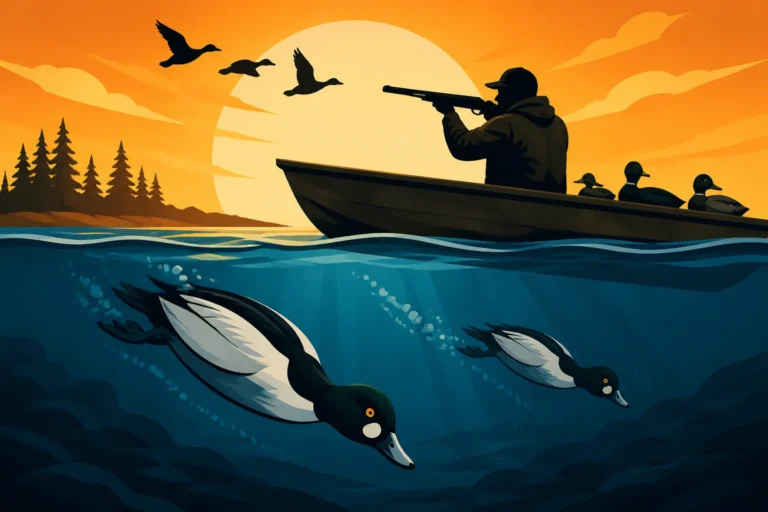
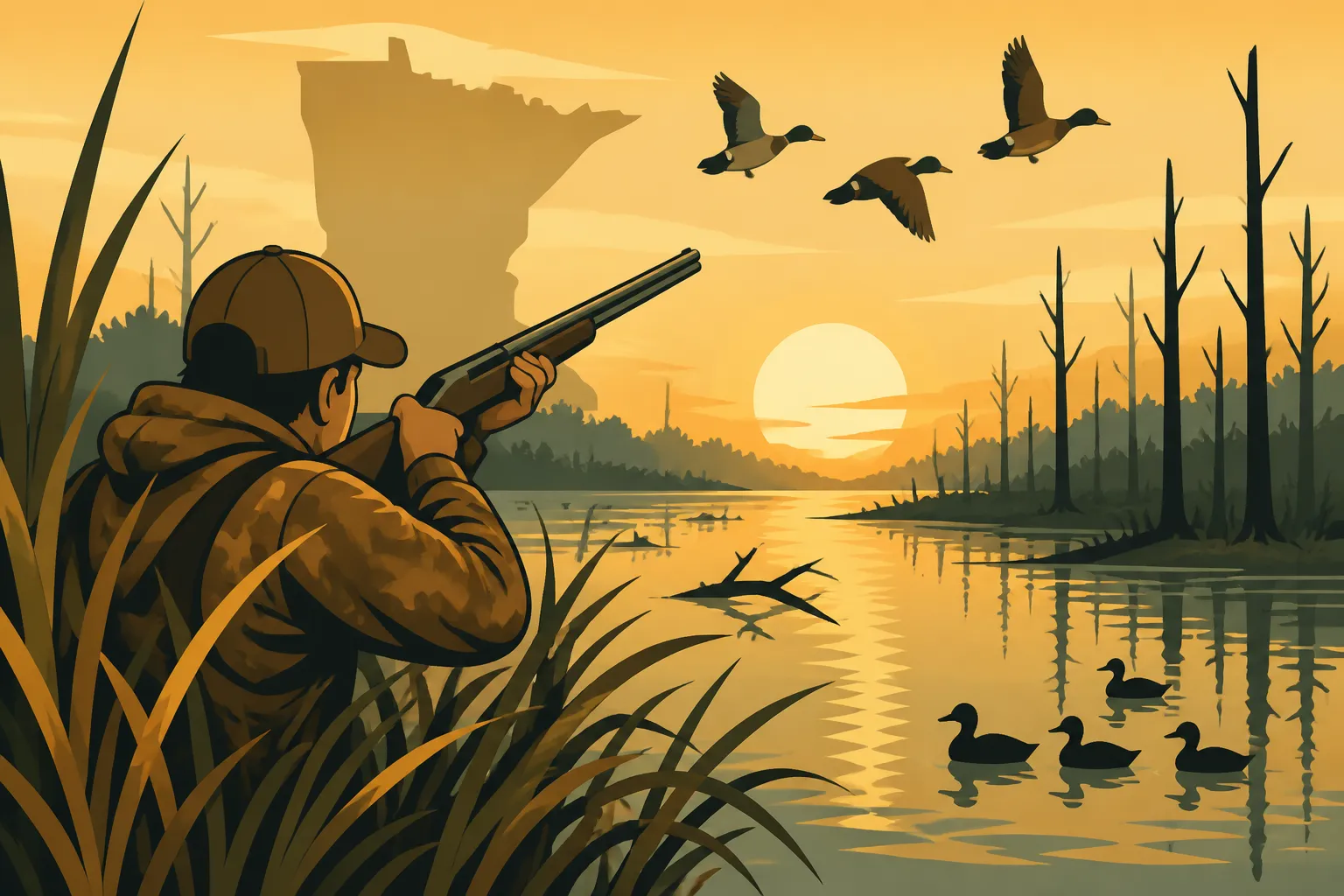
Trying to hunt waterfowl on the mighty Mississippi River in Minnesota can feel like you're staring at an endless maze of water, marsh, and timber, wondering where on earth the ducks are actually going to be. It's a daunting task to pinpoint those honey holes amidst the vastness, especially when currents, fluctuating water levels, and hidden snags make every outing a challenge. This comprehensive guide is dedicated to helping you unravel the mysteries of hunting Mississippi River backwater sloughs, equipping you with the knowledge and tactics to find success in these often-overlooked havens.
Understanding the Unique Ecosystem of Mississippi River Backwater Sloughs
The Mississippi River, as it carves its way through Minnesota, isn't just a single flowing channel. It's a dynamic, sprawling system of main channels, side channels, islands, and, critically for waterfowl hunters, extensive backwater sloughs. These sloughs are often stagnant or slow-moving arms of the river, cut off or partially isolated from the main current by sandbars, islands, or accumulated sediment. They are truly unique hunting environments that demand a specific approach.
The Appeal and Challenges of Backwater Sloughs
Backwater sloughs offer a completely different hunting experience than the open main channel or large lakes. They often provide more sheltered waters, attracting ducks and geese looking for refuge from wind, boat traffic, and heavy hunting pressure found elsewhere. These areas are typically rich in submerged aquatic vegetation, which is a prime food source for dabbling ducks like mallards, wood ducks, and teal. You'll find a higher concentration of natural cover here, which is fantastic for concealment, but also means dense vegetation to navigate.
However, hunting these areas isn't without its challenges. Access can be incredibly difficult, often requiring specialized boats or even waders and a good dose of grit. Water levels can fluctuate dramatically with river stage, transforming a huntable slough into a dry mudflat or an impassable swamp overnight. Currents, though often subdued compared to the main river, can still be a factor, especially when setting decoys or retrieving downed birds. Furthermore, the sheer amount of cover can make finding birds tough, and if you're not careful, getting lost in the labyrinthine channels is a real possibility. Understanding these nuances is the first step to truly mastering backwater hunting.
How River Dynamics Influence Backwater Habitat
The lifeblood of the backwater sloughs is the river itself. High water events, often in spring or after heavy rains, can scour out old channels, create new ones, and deposit fresh sediment, constantly reshaping the landscape. During these times, ducks might spread out into newly flooded timber or fields adjacent to the sloughs, making them harder to pattern. Conversely, low water levels can concentrate birds into deeper pockets within the sloughs, but also expose vast mudflats, potentially stranding hunters or making travel arduous. The health of the aquatic vegetation, which is crucial for duck food, is also directly tied to water clarity and depth, both heavily influenced by river dynamics.
Predator pressure from raccoons, mink, and raptors, as well as human activity like fishing, trapping, and recreational boating, also impact how ducks use these areas. Observing these patterns throughout the season—not just where the birds are, but why they are there and how river conditions are influencing them—is key to consistent success. For example, during a prolonged period of high, turbid water, ducks might favor smaller, clearer sloughs fed by independent springs or creeks rather than those directly connected to the main river flow.
Scouting and Accessing Backwater Sloughs
Finding the right backwater slough is half the battle. These aren't always easy-to-spot spots right off a highway. Effective scouting, both before and during the season, is absolutely critical. Once you've found a promising location, figuring out how to get into it and then set up without disturbing the birds is your next hurdle.
Pre-Season Reconnaissance Using Technology
Long before opening day, you should be deep into your digital scouting. Satellite imagery from mapping apps like GoHunt is an absolute game-changer for identifying potential backwater hotspots. Look for areas with a mix of open water, dense emergent vegetation (like cattails, wild rice, or smartweed), and flooded timber. Pay close attention to subtle changes in water color or texture that might indicate different depths or submerged vegetation. Trace potential access routes, noting any tricky pinch points, shallow areas, or dense obstacles. Consider how you'll move through these areas – will it be by boat, canoe, kayak, or on foot in waders?
Beyond just current satellite views, look for historical imagery if your app provides it. This can show you how the backwaters change with different water levels over the years. Are there channels that appear during low water? Are certain areas always submerged? Are there distinct travel corridors between sloughs and feeding areas? Marking these potential spots and routes on your Scouting With the Minnesota Recreation Compass App is essential. This digital legwork saves countless hours of wasted effort once the season starts, helping you narrow down your physical scouting considerably.
On-the-Ground Scouting and Access Routes
There’s no substitute for boots on the ground, or in this case, a boat in the water. Once you've identified potential spots digitally, it’s time to physically explore them. Do this well before the season, or at least a few days before your planned hunt, to avoid disturbing birds. Navigate your potential routes, checking for submerged obstacles, shallow mudflats, and hidden stumps. Note where the current is strongest or weakest. Look for fresh sign: duck droppings, feathers, dabble marks, and fresh feeding activity.
Pay close attention to how birds enter and exit the slough. Do they fly over a particular tree line or follow a specific channel? This informs your decoy placement and concealment strategy. Think about where the sun will be during shooting hours and how the wind will typically affect the water and birds' flight paths. Accessing these areas often means traversing through thick cover or shallow water. Sometimes, the only way in is by using a specialized craft like a marsh boat or even walking in with good Waders for Minnesota Marsh Hunting, dragging a sled with your gear. Finding areas that see fewer hunters often means accepting more difficult access, so learning how to navigate through tough terrain and get into those hidden pockets where others might not venture is a key strategy for Finding Ground Others Walk Past.
Effective Hunting Tactics for Backwater Sloughs
Once you've found your ideal slough and figured out how to get there, the real game begins: how to set up and hunt effectively to draw birds into range. This is where a combination of decoy strategy, calling, and concealment truly shines.
Decoy Spreads and Calling Techniques
In backwater sloughs, you're generally dealing with more intimate settings than wide-open lakes. This means your decoy spread doesn't need to be massive, but it does need to be realistic and inviting. A common strategy is to create a "landing zone" near your blind, with small groups of dabblers (mallards, pintails, wigeon) positioned to look natural. Consider adding a few motion decoys, like a spinning-wing decoy or a jerk string, to simulate movement in the often calm backwater. Remember that ducks are often looking for food in these areas, so making your spread look like it's actively feeding is a great trick. Use confidence decoys like geese or coots if they are common in the area, but don't overdo it.
When it comes to calling, less is often more in these tighter environments. Loud, aggressive calling might spook birds that are already close or wary. Start with soft, subtle contented feeding chuckles and quacks. Use hail calls only when birds are distant, then switch to softer calls as they get closer. A few quick comeback calls can work wonders on birds that are beginning to drift away. Watch how the birds react to your calls; sometimes, they prefer silence or just minimal coaxing. Different ducks respond to different calls, so having a versatile repertoire, including teal peeps or wood duck whistles, can be beneficial, especially during the Duck Migration Timing Through Minnesota.
Concealment and Blind Placement
Concealment is absolutely paramount in backwater sloughs. Birds often have ample cover from which to scrutinize your setup, and the calm water can act like a mirror, reflecting poorly hidden hunters. Utilize the natural vegetation around you. Build a blind out of natural materials like cattails, willow branches, or reeds that blend perfectly with the surroundings. If using a portable blind, ensure it's brushed in meticulously. Remember that ducks often approach from unexpected angles in these tight quarters, so ensure you have 360-degree concealment. Sometimes, even sitting directly in a thick clump of reeds with a good face mask is more effective than an elaborate, unnatural blind.
Think about the sun's position throughout your hunt. Placing the sun at your back will help illuminate approaching birds while keeping you in shadow. Also, consider your background; a solid backdrop of timber or dark vegetation will help you disappear more effectively than an open sky behind you. For permanent or semi-permanent setups, using a ground blind or even a portable blind that’s well-brushed in can be very effective. Ensure your retriever, if you have one, is also well-hidden. Speaking of retrievers, equipping them with a Dog Vests for Cold Water Retrieves is not just about warmth, but also often adds camouflage.
Gear and Safety Considerations for Slough Hunting
Hunting Mississippi River backwater sloughs presents unique gear and safety demands that differ significantly from other waterfowl hunting scenarios. Being prepared can make the difference between a successful, safe hunt and a miserable, potentially dangerous one.
Essential Gear for Backwater Environments
The right gear is crucial for comfort, effectiveness, and safety in these specialized environments. First and foremost, a reliable boat is often indispensable. Jon boats, canoes, or kayaks are popular choices, but for really shallow or vegetated areas, a specialized marsh boat with a mud motor can be a game-changer. Ensure your boat is equipped with all necessary safety gear: life vests, paddles, anchor, and a whistle. For personal gear, chest waders are non-negotiable for navigating shallow water, setting decoys, and retrieving birds. Make sure they are warm and durable, like those discussed in Waders for Minnesota Marsh Hunting.
Decoys should be lightweight and durable, as you'll likely be packing them in and out through tough terrain. A good decoy bag that doubles as a backpack can be invaluable. Don't forget your calls, a headlamp for early mornings and late evenings, and a reliable GPS or mapping app (like GoHunt on your phone) to prevent getting lost in the maze of channels. A push pole is also essential for navigating through thick vegetation where an outboard motor might get bogged down. Shotgun choice is important too; always use Waterfowl Loads for Minnesota Divers and ensure your gun is patterned correctly with nontoxic shot. Remember, Where Nontoxic Shot Is Required in Minnesota isn't just a rule, it's a critical conservation practice.
| Gear Item | Purpose | Key Considerations |
|---|---|---|
| Watercraft | Access, Decoy/Gear Transport, Bird Retrieval | Jon boat, canoe, kayak, or marsh boat; durable & quiet |
| Waders | Mobility in shallow water, concealment | Chest waders, insulated for cold, durable material |
| Push Pole | Navigating dense vegetation, silent propulsion | Lightweight, sturdy, appropriate length |
| Decoys | Attracting birds, realistic spread | Lightweight, durable, varied species for realism |
| Calls | Communicating with birds, drawing them into range | Versatile (mallard, teal, wood duck); learn nuances |
| Mapping Device | Navigation, scouting, avoiding getting lost | GPS unit or smartphone app (e.g., GoHunt) with offline maps |
| Nontoxic Shot | Legal requirement, ethical hunting | Steel, bismuth, or tungsten; appropriate shot size |
| Headlamp | Safely navigating in low light | Bright, long battery life, red light option |
| First Aid Kit | Emergency preparedness | Waterproof, comprehensive for outdoor injuries |
Safety Protocols for River Hunting
Safety on the Mississippi River, especially in the backwaters, should always be your top priority. The river can be unpredictable, with strong currents, hidden hazards, and rapidly changing weather. Always wear a life vest, even if you're a strong swimmer. The water can be bitterly cold, and hypothermia is a serious risk. Inform someone of your hunting plan, including your intended location and estimated return time. Carry a fully charged cell phone in a waterproof case, but don't rely solely on it for navigation or communication, as service can be spotty in remote areas.
Be aware of changing weather conditions. A calm morning can quickly turn into a windy, choppy afternoon, making travel dangerous. Ice can form rapidly in the backwaters during late season, so assess conditions carefully before venturing out. If hunting near the main channel, be mindful of commercial barge traffic and other recreational boaters. Never overloaded your boat, and distribute weight evenly. When retrieving downed birds, always assess the water conditions and potential hazards before wading or paddling out. These areas can have deep holes, strong undertows, or thick, clinging mud that can trap you. Taking calculated risks is part of hunting, but reckless behavior is not. Always err on the side of caution when dealing with big river systems like the Mississippi.
Disclaimer
Please note that hunting regulations and conditions can change. Always consult the most current Minnesota Department of Natural Resources (DNR) regulations before heading afield. This guide provides general advice and should not replace official rules or common sense safety practices.