Hunting Minnesota’s Muzzleloader-Only Weeks
That feeling of the main firearm season winding down can be a real bummer, especially if you're still holding onto an unfilled tag. But here in Minnesota, the hunting isn't over just because November has passed. The muzzleloader-only weeks offer a fantastic, albeit challenging, opportunity to extend your deer season into the heart of winter. This guide will walk you through the ins and outs, giving you the practical advice you need to succeed during those frosty December days.
Understanding Minnesota's Muzzleloader Season Structure
Minnesota's muzzleloader season stands as a unique opportunity, often stretching into December when much of the primary firearm deer hunting has wrapped up. It’s a chance for hunters to embrace a more traditional, challenging style of hunting, testing their skills against whitetails that have already been pressured during earlier seasons. Understanding when and where you can hunt with a muzzleloader is the first crucial step to planning a successful late-season adventure.
Key Dates and Permit Areas
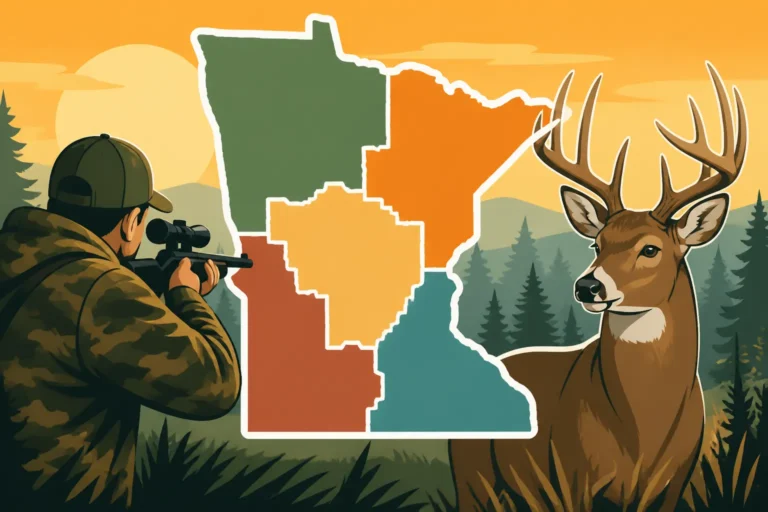
Generally, Minnesota's muzzleloader season kicks off around late November or early December, right after the main firearm seasons conclude, and can run for about two weeks. The exact dates shift slightly year to year, so it's always critical to consult the current DNR regulations for the precise Minnesota Muzzleloader Season Dates. The season is typically statewide, meaning you can hunt in any permit area that's open for deer hunting, provided you have the correct license and tag for that area. However, it's always a good idea to double-check the specifics for your chosen permit area, especially if it's a "managed" or "intensive" zone, as regulations can sometimes vary. These late-season opportunities often coincide with periods of colder weather and, ideally, snow cover, which can be both a blessing and a challenge for hunters.
Beyond just the statewide allowance, it’s worth noting that some permit areas might have special considerations or antlerless quotas that carry over into the muzzleloader season. Hunters who didn't fill an antlerless tag during the main firearm season, or who are drawn for an antlerless lottery tag, might find the muzzleloader season an excellent opportunity to punch that tag. Always refer to the Minnesota Deer Seasons and Permit Areas information to confirm which areas are open and what type of tag you can use. Planning your hunt around specific permit areas known for good deer numbers can significantly increase your odds of success.
Why Muzzleloader-Only Weeks Exist
The existence of a dedicated muzzleloader-only season isn't just about extending hunting opportunities; it serves several ecological and management purposes. Firstly, it provides a chance for additional harvest in areas where deer populations might need further reduction, without the full hunting pressure of the modern firearm season. The limitations of muzzleloaders—slower loading, shorter effective range, and single-shot capacity—naturally regulate the hunting effort and success rates, making it a more controlled harvest period. This helps the DNR manage herd health and density across the state, especially in areas with high deer numbers.
Secondly, these weeks cater to a segment of the hunting community that values the tradition and challenge of muzzleloader hunting. It’s a more deliberate, close-range pursuit that demands a deeper understanding of deer behavior and woodcraft. For many, it's a way to connect with the historical roots of hunting. Furthermore, by placing it after the primary firearm season, it ensures that hunters who prefer this method have a dedicated window without competing with the high volume of hunters from the modern firearm opener. This thoughtful placement offers a unique hunting experience, often with a fresh blanket of snow, allowing for excellent tracking conditions that aren't usually present during the earlier firearm periods.
Essential Gear for Late-Season Success
Hunting Minnesota's muzzleloader-only weeks means facing some of the most challenging conditions the state has to offer. December in Minnesota can bring brutal cold, deep snow, and biting winds. Being properly equipped isn't just about comfort; it's about safety and effectiveness. Your gear needs to be up to the task, from your firearm to your boots, ensuring you can endure the elements and capitalize on any opportunity a late-season whitetail presents.
Muzzleloader Choice and Maintenance
When it comes to your muzzleloader, reliability is paramount. You're going to be out in conditions that test every piece of equipment. Modern inline muzzleloaders are popular for their accuracy and ease of use, making them a solid choice for Muzzleloaders for a Minnesota December. Brands like CVA, Traditions, and Thompson/Center offer models that are robust and precise enough for late-season deer. When Choosing a Muzzleloader for December Cold, consider features like a sealed breech plug and durable synthetic stocks, which are less prone to warping or cracking in extreme temperatures compared to wood.
Proper maintenance is absolutely non-negotiable. Before you head out, make sure your muzzleloader is meticulously clean and well-oiled to prevent rust and ensure smooth operation. Moisture is the enemy, especially for black powder or black powder substitutes. A hangfire or misfire in freezing conditions can be a hunt-ender, or worse. Practice Keeping a Muzzleloader Dry in Lake-Effect Snow or any precipitation by covering the muzzle, using a breech plug cover, and carrying a small, dry cloth. When choosing your projectile, consider if you prefer Sabot Versus Conical for Deer. Sabots typically offer better accuracy at longer ranges, while conicals can be simpler to load and perform well at closer distances often encountered in thick Minnesota cover.
Layering Up for December Cold
Staying warm and dry is arguably the most critical factor for success and safety during Minnesota's muzzleloader weeks. You'll likely be sitting for extended periods, exposed to bitter cold. Layering is the key. Start with a moisture-wicking base layer that pulls sweat away from your skin. Next, add insulating layers like fleece or down to trap warmth. Finally, your outer layer needs to be windproof and waterproof, capable of shedding snow and blocking the biting wind. Brands like Sitka, Kuiu, and even more budget-friendly options like DSG Outerwear, offer excellent late-season systems.
Don't forget your extremities! A warm hat, insulated gloves or mittens (with finger access for shooting), and heavy-duty, waterproof boots are essential. Many veteran hunters swear by pack boots for their warmth in deep snow and slush. Consider pairing them with wool socks. A hand warmer pouch and chemical hand warmers can also be a lifesaver, keeping your trigger finger nimble. For those long, stationary sits, a quality insulated seat pad can make a huge difference in retaining body heat from the ground up, contributing to a better Cold-Weather Sitting Strategy in Minnesota.
Optics and Accessories
While muzzleloaders are typically used at shorter ranges, good optics are still invaluable. A reliable pair of binoculars, perhaps 8×42 or 10×42, will help you pick apart dense cover, identify deer at a distance, and assess antler size without unnecessary movement. In low-light conditions, which are common during early morning and late evening hunts in December, high-quality glass with good light transmission is a definite advantage. A rangefinder is also beneficial, allowing you to accurately gauge distances, especially important for managing your muzzleloader's effective range and ensuring ethical shots.
Beyond optics, a few other accessories can make your hunt smoother. A bright, dependable headlamp is a must for navigating in the dark, whether you're walking into your stand before dawn or Blood Trailing After Dark in Minnesota. Carry a small backpack with extra essentials like a thermos of hot coffee or soup, high-energy snacks, a small first-aid kit, and an emergency fire starter. Many modern hunters also rely on smartphone apps, like GoHunt, to help with GPS navigation, property lines, and to mark stand locations or sign. Don't forget extra primers and a speed loader for quick reloading if you get a follow-up shot opportunity.
Tactics for Frosty Deer Woods
Hunting during Minnesota's muzzleloader-only weeks demands a shift in tactics. The deer have been pressured, food sources have dwindled, and the cold dictates much of their movement. Success during this period often hinges on understanding these late-season dynamics and adjusting your approach accordingly. It's about being patient, persistent, and prepared for the unique challenges of a winter hunt.
Finding Late-Season Food Sources
As the landscape turns white and temperatures plummet, deer become hyper-focused on food. Natural browse becomes less palatable or covered in snow, and agricultural fields often become key attractants. Identifying Late-Season Food Sources for Minnesota Whitetails is paramount. Look for standing corn, soybean fields that haven't been completely harvested, or even old apple orchards that still hold fruit. Deer will often travel considerable distances to access these high-calorie food sources.
Beyond agriculture, browse in young clear-cuts, often dominated by aspen or various dogwood species, can be surprisingly attractive, especially after a fresh snow reveals new growth. Areas where oak trees dropped acorns earlier in the fall might still hold some buried under snow, or deer might paw through to find them. Spend time scouting before the season, or use mapping tools like GoHunt to identify potential food plots or agricultural fields near public land. Focus your hunting efforts on edges where these food sources meet thermal cover, as deer won't stray far from bedding in the brutal cold.
Tracking and Still-Hunting in Snow
One of the greatest advantages of a late-season hunt is the snow. A fresh blanket turns the woods into a giant tracking board. Being proficient in Tracking a Deer in Fresh Minnesota Snow can turn a challenging hunt into a rewarding one. Look for fresh tracks around bedding areas, near food sources, and along natural travel corridors like creek bottoms or ridges. Pay attention to stride length, depth of the print, and accompanying scat or rubs to determine if it's a deer worth pursuing.
Still-hunting is another highly effective tactic when snow covers the ground. The snow muffles your footsteps, allowing you to move through the woods with incredible stealth. Focus on areas of dense cover where deer might be bedded for thermal protection. Move slowly, taking one or two steps, then stopping for several minutes to scan the woods ahead. Use your binoculars to pick apart tangles and brush. This methodical approach allows you to spot deer before they spot you, increasing your chances of a close-range muzzleloader shot. For more expansive areas, honing your Still-Hunting Minnesota Big Woods skills can pay dividends, especially if you understand how deer use cover and terrain to escape predators and harsh weather. Knowing how to interpret fresh tracks and subtle signs in the snow will guide you directly to where deer are moving and bedding.
Sitting Strategy for Cold Weather
While still-hunting can be productive, sitting patiently in a well-chosen stand or ground blind is often the most common and effective muzzleloader tactic. Given the cold, your Cold-Weather Sitting Strategy in Minnesota needs to be meticulously planned. Position your stand or blind on the downwind side of known travel routes between bedding areas and late-season food sources. Since deer movements are often concentrated during the warmer parts of the day in winter, mid-morning to mid-afternoon can be surprisingly productive.
Consider using a ground blind, especially one that can be brushed in effectively, as it offers a significant advantage in terms of thermal protection from wind and snow. For treestand hunters, choose stands with comfortable seats and ample room for movement, as you'll be bundled up in layers. Pay close attention to your entry and exit routes to avoid spooking deer, particularly around those critical late-season food sources. Remember, Muzzleloader Tactics in December Cold often boil down to patience and enduring the elements, waiting for that one precious opportunity.
Navigating Common Muzzleloader Challenges
Muzzleloader hunting is not without its unique set of challenges, especially when you factor in Minnesota's unpredictable late-season weather. From ensuring your firearm fires reliably in sub-zero temperatures to the arduous task of retrieving a deer through deep snow and ice, preparation and forethought are paramount. Understanding these hurdles beforehand can help you develop strategies to overcome them and ensure a safe and successful hunt.
Dealing with Finicky Firearms
Muzzleloaders, by their nature, can be a bit more finicky than modern cartridge firearms, and the cold exacerbates these tendencies. A common frustration is the "hangfire," where there's a delay between the primer firing and the main charge igniting, or worse, a complete misfire. This is often due to moisture in the powder charge or a weak ignition source. To minimize these issues, always use fresh, high-quality powder or black powder substitutes. Store your powder in airtight containers until just before loading, and load your muzzleloader carefully, ensuring the bullet is seated firmly on the powder.
Using good quality, hot primers designed for cold weather can also make a significant difference. Brands like Federal and CCI make primers known for their reliable ignition. After loading, cap your primer immediately, or if using a 209 primer, ensure the breech plug is fully sealed. During your hunt, take precautions like Keeping a Muzzleloader Dry in Lake-Effect Snow by covering the muzzle and action when not actively shooting. A small piece of electrical tape over the muzzle and a sturdy breech plug cover can prevent snow or moisture from reaching the critical components. Regularly clean your breech plug and barrel to prevent fouling buildup, which can also contribute to ignition problems.
Weathering the Elements
Minnesota winters can throw everything at you, from heavy wet snow to brutal sub-zero temperatures and biting winds. These conditions not only test your resolve but can also impact your gear. Extreme cold can affect battery life in your electronics (like rangefinders or phone mapping apps), make plastic components brittle, and even cause some lubricants to thicken, affecting your firearm's action. Be sure to carry spare batteries, keep your phone close to your body heat, and use cold-weather rated lubricants on your muzzleloader.
Heavy snow accumulation can also create difficult travel conditions, making it hard to access your hunting spots or even locate your stand. If you're venturing into areas with significant snow, consider using snowshoes or skis to conserve energy. Beyond mobility, the cold itself poses a serious risk of hypothermia or frostbite. Ensure your layering system is robust, carry emergency supplies, and know when to call it a day if the conditions become too severe. For long sits, especially during the colder parts of the season, a careful Cold-Weather Sitting Strategy in Minnesota will be key to both comfort and safety.
Retrieving Game in Tough Conditions
Successfully taking a deer with a muzzleloader in late-season Minnesota is a fantastic accomplishment, but the work isn't over until the animal is recovered and processed. Tracking a Deer in Fresh Minnesota Snow can be a major advantage, but deep snow can also make dragging a deer an exhausting and time-consuming endeavor. If possible, hunt with a partner or a small group to assist with retrieval. A deer sled can be an absolute godsend in deep snow, significantly reducing the effort required to get your deer out of the woods.
Be prepared for the possibility of a deer running into challenging terrain, like a frozen cattail slough or across a thin ice sheet. Attempting to Recovering a Deer From a Frozen Slough or thinly frozen water is incredibly dangerous and should only be done with extreme caution and proper safety equipment (like ropes, ice picks, and a partner on solid ground) or, ideally, by contacting local law enforcement or the DNR for assistance. Plan your extraction route before you even start hunting, considering the easiest path out of the woods, especially if you anticipate deep snow. The last thing you want is to be miles from your vehicle, exhausted, and struggling with a heavy deer in fading light and dropping temperatures.
Disclaimer
Please note that hunting regulations, season dates, and permit area rules can change. Always consult the most current Minnesota Department of Natural Resources (DNR) regulations and local ordinances before planning and embarking on any hunting trip. This guide provides general information and recommendations, but it is the hunter's responsibility to know and follow all applicable laws.