Choosing a Muzzleloader for December Cold
December muzzleloader season in Minnesota can feel like a test of wills – not just yours, but your equipment's too. There's nothing quite as frustrating as waking up to a fresh blanket of snow and single-digit temperatures, only to have your trusty black powder rifle fail to fire when that late-season buck finally steps out. This guide is all about helping you navigate the unique challenges of hunting Minnesota's December cold with a muzzleloader, focusing on how to choose a reliable setup that won't let you down when it matters most.
The Unique Challenges of December Muzzleloader Hunting in Minnesota
Hunting in December in Minnesota isn't just "cold"; it's often deeply cold, with conditions that can turn a fun hunt into a miserable struggle if you're not prepared. For muzzleloader hunters, these conditions present a whole new set of headaches beyond just staying warm. We're talking about equipment reliability under extreme stress, where every component needs to perform flawlessly.
Battling Extreme Cold and Snow
When the mercury truly plummets, everything changes. Metal contracts, lubricants thicken, and your fingers might not be as nimble as they are in warmer months. A muzzleloader that performs perfectly on a crisp October morning might become a stubborn beast in December. Imagine trying to load a sabot with numb fingers, or worse, having a ramrod freeze in place. Snow isn't just an aesthetic feature; it can be a pervasive threat. Heavy wet snow can clog the muzzle, freeze into the action, or get into your powder charge, turning what should be a powerful propellant into a damp, inert mess. Then there's the dry, powdery snow that gets into every crack and crevice, only to melt later from body heat or ambient warmth, creating moisture in places you absolutely don't want it. This isn't just about comfort; it's about the fundamental function of your firearm. It's why seasoned hunters spend so much time discussing Cold-Weather Sitting Strategy in Minnesota and how to deal with the elements.
Moisture Management: Keeping Your Powder Dry
Perhaps the biggest adversary for a muzzleloader hunter in Minnesota's December is moisture. It's insidious. It can come from a light drizzle that turns to freezing rain, heavy snowflakes, or even just the condensation that forms when you bring a cold gun into a warm cabin, then back out into the freezing air. Water or even high humidity can render black powder or its substitutes inert. A partially wet primer can misfire or, even worse, hangfire – giving you a delayed ignition that could mean a missed shot or a dangerous situation. The flash hole, the critical tiny channel that directs the primer's spark to the main powder charge, is particularly vulnerable to moisture or ice accumulation. It's a tiny point of failure that can ruin an entire hunt. Many experienced hunters delve deep into strategies for Keeping a Muzzleloader Dry in Lake-Effect Snow because they understand just how quickly dampness can turn a hunting trip into a frustrating exercise.
Key Muzzleloader Features for Winter Reliability
When you're out there braving the frigid December air, you need a muzzleloader that's built for battle. Reliability in cold, wet conditions often comes down to specific design choices and materials that stand up to the elements.
Ignition Systems and Cold-Weather Performance
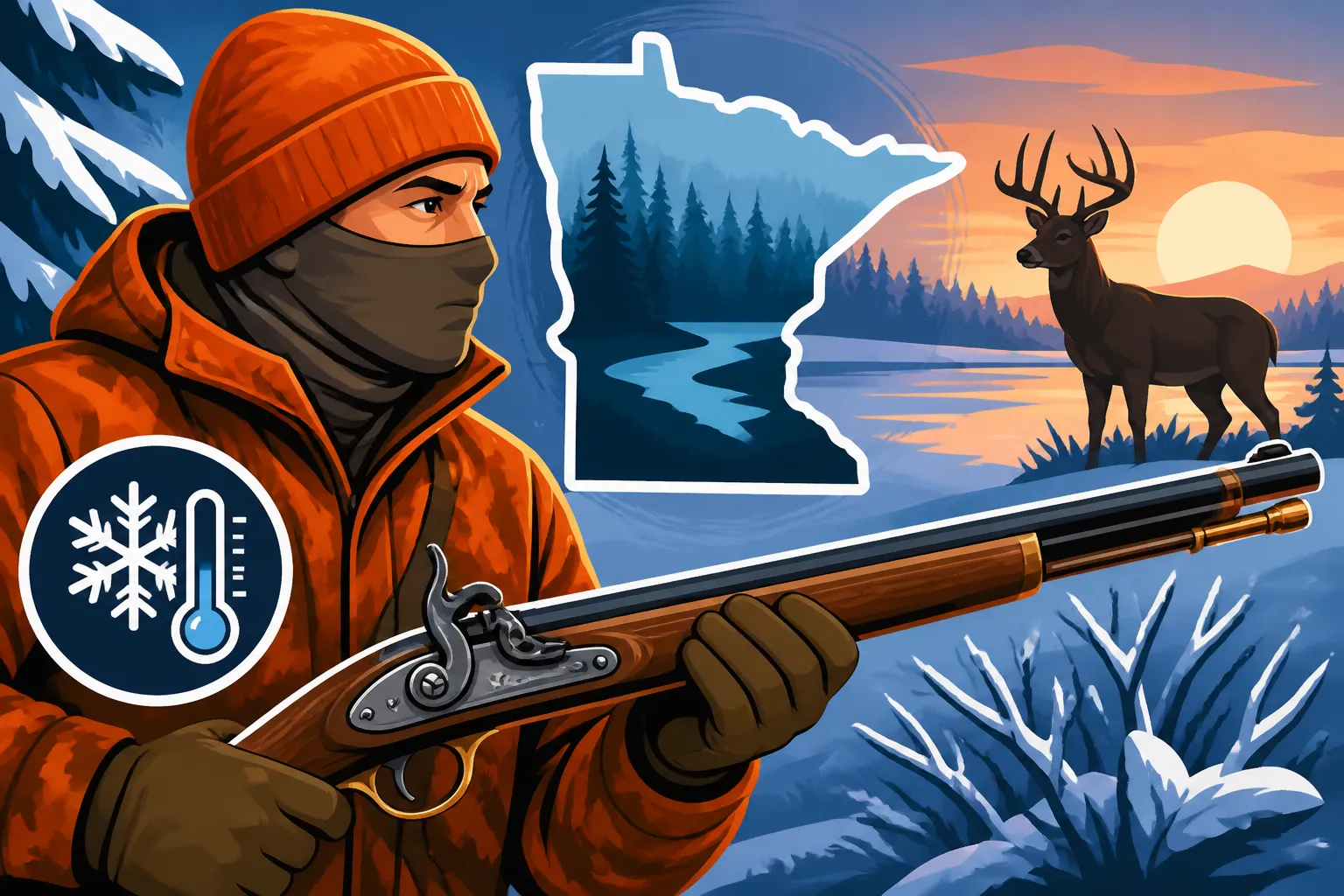
The heart of a muzzleloader's reliability, especially in cold, is its ignition system. While traditional percussion caps and flintlocks certainly have their charm and historical accuracy, they present significant challenges in sub-zero temperatures and wet snow. Exposed percussion caps can easily be knocked off, get wet, or simply fail to ignite in extreme cold. Flintlocks are notoriously sensitive to moisture around the pan. This is why modern inline muzzleloaders, predominantly using 209 shotgun primers, are the overwhelming choice for serious cold-weather hunters. These primers are designed for powerful, consistent ignition and, crucially, many modern inline systems offer sealed or shrouded primer pockets. This design protects the primer from direct exposure to snow, ice, and rain, significantly boosting reliability. Some even feature spring-loaded primer housings that create a better seal against the elements. When you are scouting for a new muzzleloader, pay close attention to how well the primer is enclosed and protected. This seemingly small detail can make all the difference between a successful hunt and a frustrated "click" on a frosty morning. For more on the specifics of how these systems work, you might want to read up on Muzzleloaders Under Minnesota Rules.
Barrel Materials and Finishes
The barrel and action of your muzzleloader are constantly exposed to the elements, and in Minnesota's December, that means battling moisture and extreme temperature swings. Blued steel, while traditional and aesthetically pleasing, is highly susceptible to rust, especially when exposed to snow and then brought into a warm environment where condensation forms. If you choose blued steel, it requires meticulous cleaning and oiling after every outing, and even then, rust can creep in.
This is why many cold-weather hunters opt for stainless steel barrels and actions. Stainless steel offers superior corrosion resistance, making it much more forgiving if a little moisture gets to it or if you can't clean it immediately after a hunt. It holds up significantly better to the freeze-thaw cycles and damp conditions often encountered. Beyond the barrel, synthetic stocks are also a huge advantage over traditional wood. Wood stocks can swell and contract with temperature and humidity changes, potentially affecting accuracy and even making the gun feel different in your hands. Synthetic stocks are impervious to moisture, lighter, and generally more durable, providing a stable platform regardless of the weather. When checking out different models, perhaps on a resource like GoHunt, prioritize these material choices if you plan on extended cold-weather use.
Sights and Optics for Low Light and Snow
The sight system you choose can be a make-or-break decision for December muzzleloader hunting. Iron sights are simple, robust, and don't fog up, making them a solid, reliable choice in all conditions. However, in the low light conditions common in dense timber or during late afternoon hunting, they can be difficult to see, especially against a dark deer. A good fiber optic front sight can help here, gathering ambient light to provide a brighter aiming point.
If you opt for a scope, be prepared for the challenges. Fogging is the most common issue, where the lenses condense moisture, rendering them useless. High-quality, nitrogen-purged scopes are less prone to this, but it can still happen. Lens caps are essential to keep snow and rain off the glass until the moment of the shot. Also consider a scope with lower magnification (e.g., 1-4x or 2-7x) as higher power scopes can gather less light and have a narrower field of view, which isn't ideal for quick shots in thick woods. Reticle choice is also important; a heavy duplex or illuminated reticle can be invaluable in low light conditions or when trying to pick out a target against a snowy background. Always prioritize simple, durable optics over complex ones when facing extreme cold and precipitation.
Loading and Maintenance for December Success
It's not just about the muzzleloader you choose; how you load it and maintain it in the field is equally critical for December success. A perfect rifle won't shoot if the powder is compromised or the bore is fouled.
Selecting the Right Powder and Projectile
Your choice of powder directly impacts ignition reliability in the cold. Granular black powder or black powder substitutes like Pyrodex or Triple Seven are popular, but they each have nuances. Generally, granular powders are considered by some to be more consistent igniters in very cold conditions than pelletized forms. The consistent ignition comes from the full column of powder, and it's less affected by potential gaps or moisture between pellets. However, granular powders can be messier to load. Pelletized powders, on the other hand, offer convenience and consistent charges, but their ignition can sometimes be more sensitive to cold or moisture intrusion if the pellets aren't seated tightly. It's often recommended to experiment with both in slightly colder conditions before season to see what performs best in your muzzleloader.
For projectiles, saboted bullets offer excellent accuracy, but ensuring a tight, consistent fit in the bore is paramount. In cold weather, both the bullet material and the plastic sabot can stiffen, making loading more difficult. You might find a slightly looser fitting sabot easier to load when your fingers are numb. Conical bullets, which engage the rifling directly, are often easier to load as they don't rely on a sabot and can be pushed with firm, steady pressure. Just make sure your barrel's twist rate is appropriate for the heavier, longer conical bullets you might choose. You can learn more about this by checking out Sabot Versus Conical for Deer.
Field Care and Storage in Freezing Conditions
Keeping your muzzleloader dry and functional in the field is an ongoing battle. A simple but effective method is to use electrical tape over the muzzle after loading. This prevents snow, dirt, and moisture from entering the barrel, which could cause a dangerous obstruction or wet your powder. It tears off easily when it's time to shoot. Similarly, an external cover for your primer pocket, often a rubber "nipple protector" for traditional caps or a sealed primer system for inlines, is crucial. Carry extra primers in a waterproof container, like a small pill bottle or a specialized primer holder.
When you come in from the cold, resist the urge to immediately bring your muzzleloader into a warm, humid environment. The rapid temperature change will cause condensation to form everywhere, including inside the bore and action, which is a recipe for rust. Instead, let your muzzleloader warm up gradually. If possible, store it in a cool, dry place like a garage or unheated porch before bringing it inside. Once inside, wipe it down thoroughly and use a light coating of rust-preventative oil on all metal surfaces. If you’ve fired it, proper cleaning is essential. For detailed advice, consider articles like Keeping Powder Dry in Wet Snow.
Practical Muzzleloader Recommendations for Minnesota's Late Season
Making the right choice when buying a muzzleloader for Minnesota's bitter December days means focusing on reliability and ease of use under pressure. You don't want a finicky rifle when the conditions are already trying.
Modern Inlines: The Go-To Choice
For most Minnesota hunters facing December's cold, a modern inline muzzleloader is the most practical and reliable choice. These rifles typically feature a 209 primer ignition system, which is far more resistant to moisture and cold-induced misfires than percussion or flintlock designs. Look for models with a fully enclosed or shielded breech design. This isn't just about safety; it's about keeping the primer dry and protected from snow, sleet, and freezing rain. Many manufacturers offer models with easily removable breeches that make cleaning much simpler.
When you're comparing different options, consider a few brands that have a reputation for building tough, reliable inlines. While I can't name specific models or their features here, many hunters find success with muzzleloaders that emphasize robust, simple actions and weatherproof finishes. They prioritize function over elaborate aesthetics, understanding that in December, it's about performance. A platform like GoHunt can be a great place to begin researching different inline models and reading user reviews that often highlight cold-weather performance.
Here's a quick comparison of general muzzleloader types for cold weather:
| Feature/Consideration | Modern Inline Muzzleloader | Traditional Percussion/Flintlock |
|---|---|---|
| Ignition Reliability | High (209 primers, often sealed/shrouded) | Moderate (exposed percussion caps, sensitive flintlock pan) |
| Moisture Resistance | Good (enclosed breech, synthetic stocks common) | Low (exposed ignition, wood stocks prone to swelling) |
| Ease of Loading (Cold) | Good (can be slightly stiff, but consistent) | Moderate (small caps/flints can be tricky with numb fingers) |
| Cleaning | Easy (often features quick-release breeches) | More involved (especially if fouled with black powder) |
| Accuracy Potential | High (modern manufacturing, scope friendly) | Moderate (iron sights, less consistent ignition) |
| Overall Cold-Weather Suitability | Excellent | Challenging, requires more specialized care |
Accessories for Enhanced Cold-Weather Performance
Beyond the rifle itself, certain accessories can significantly improve your December muzzleloader experience. A waterproof primer storage system is non-negotiable. Whether it's a dedicated belt pouch or a simple plastic container, keeping your primers dry is paramount. A high-quality, weather-resistant sling is also important; imagine having to hold a heavy, cold rifle for an extended period because your cheap sling snapped or dug into your shoulder. A good sling frees up your hands for binoculars or a grunt tube.
Consider a cleaning kit designed for field use, including a bore snake or quick-swab system to clean your bore effectively without needing a full breakdown. Carry specialized cleaning patches and solvent that work well in cold temperatures. For hunters who spend a lot of time still-hunting or sitting, a lightweight, collapsible shooting stick can provide a stable rest in the snow, reducing movement and improving accuracy. Finally, don't forget personal items like hand warmers and insulated gloves; staying comfortable helps you focus on the hunt, not the cold. Finding these niche items can sometimes be easier through dedicated hunting gear sites or by browsing trusted online retailers mentioned on sites like GoHunt. For general season information, you might check out Minnesota Muzzleloader Season Dates or Minnesota Muzzleloader Season Tactics.
Ultimately, choosing a muzzleloader for December cold in Minnesota isn't about finding the "best" gun in a vacuum, but the most reliable one for the specific conditions you'll face. It's about preparedness, understanding the limitations of your gear, and selecting components that enhance your chances of success, even when the thermometer dips dangerously low. Whether you're heading to the big woods for Hunting Deer in Deep Northern Minnesota Snow or looking for Late-Season Food Sources for Minnesota Whitetails in farm country, having a muzzleloader you can trust is key.
Disclaimer
This article is for general informational purposes only and does not constitute professional advice. Laws, prices and regulations vary by location and change over time. Consult a qualified professional for guidance on your specific situation.