Pheasant Hunting Minnesota Grassland
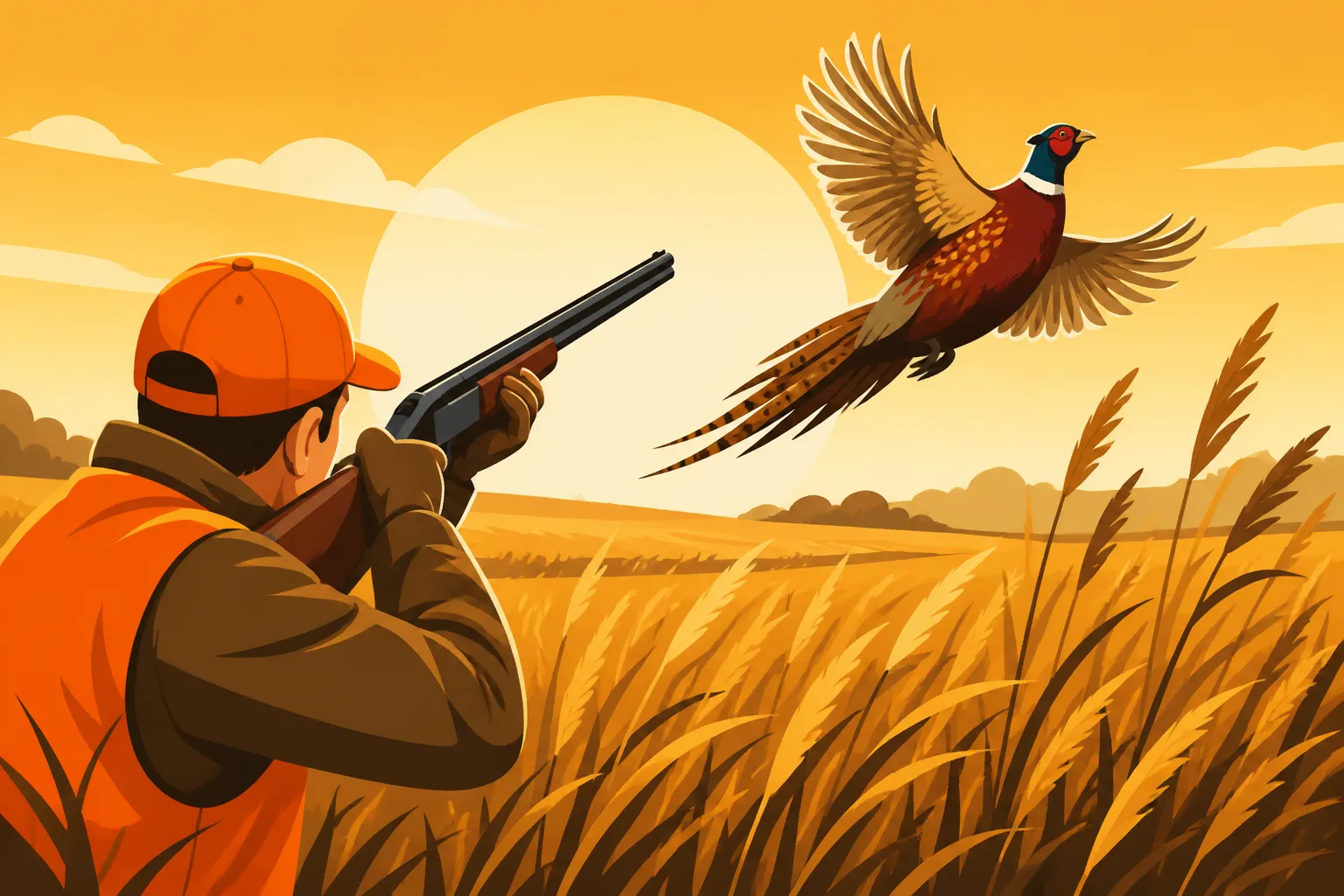
Ah, the sound of a rooster pheasant cackling as it explodes from thick cover, sunlight glinting off its iridescent plumage – there's really nothing quite like it for a Minnesota upland hunter. But let's be honest, finding those elusive birds, especially when you're focusing on vast expanses of Minnesota grassland, can feel like searching for a needle in a hayfield. It's not like the old days of simply knocking on a farmer's door and walking the ditch. This guide is all about equipping you with the knowledge and tactics to successfully pursue pheasants across Minnesota's prime grassland habitats, turning those frustrating dry spells into memorable hunts.
Understanding Minnesota's Pheasant Country and Habitat
Minnesota's pheasant hunting success is intrinsically linked to its landscape, particularly the mix of agriculture and conservation lands. While some areas might feel like endless corn and bean fields, the real magic happens where those fields meet crucial grassland habitat. Knowing where pheasants want to be and why is the first step to filling your vest.
The Prairie Pothole Region and Its Importance
When we talk about Minnesota pheasant hunting, especially in grasslands, we're really talking about the state's southwestern and western regions. This is the tail end of the iconic Prairie Pothole Region, a landscape characterized by its gently rolling terrain dotted with numerous shallow wetlands, often called potholes. This unique geography, carved by glaciers, once supported vast prairies. Today, while much of that original prairie is gone, the remnant grasslands and restored habitats, especially in counties like Lac qui Parle, Yellow Medicine, Big Stone, and Lincoln, are the heart of our pheasant hunting opportunities.
These potholes and the surrounding grasslands provide everything a pheasant needs: dense nesting cover, brooding habitat for chicks, winter thermal cover, and escape routes from predators. The frustrating reality is that while these areas are prime, habitat loss due to agricultural expansion has been a constant battle. This is why public access areas and conservation programs are more critical than ever, offering lifelines for pheasant populations and hunters alike. Protecting and restoring these diverse ecosystems is paramount not just for pheasants, but for a whole host of prairie wildlife that calls this part of Minnesota home.
Key Grassland Cover Types for Roosters
Pheasants aren't just looking for any grass; they're looking for specific types of cover that meet their needs throughout the year. Understanding these preferences helps you pinpoint where birds will be. Native prairie remnants offer a mix of tall grasses and wildflowers, providing excellent nesting and insect-rich chick habitat. Conservation Reserve Program (CRP) fields, planted with a variety of grasses like switchgrass, bluestem, and Indian grass, are absolute magnets for pheasants. These tall, sturdy grasses stand up well to snow, offering vital winter cover and protection from harsh winds.
Beyond these dedicated grass fields, don't overlook cattail sloughs and wetland edges. Even relatively small pockets of these can hold surprising numbers of birds, especially as the season progresses and temperatures drop. Roosters will use the dense, insulating cover of cattails to escape the cold and find refuge from hunting pressure. Remember, variety is key; a landscape offering a mosaic of these different cover types, interspersed with food sources, is a pheasant hunter's paradise. Learning to identify these distinct covers on aerial maps before you even set foot in the field can give you a significant advantage.
The Impact of Agriculture on Pheasant Distribution
You can't talk about pheasant hunting in Minnesota without talking about agriculture. Corn and soybean fields dominate much of pheasant country, and their presence heavily influences bird distribution and behavior. Early in the season, before crops are harvested, pheasants often use standing corn for cover, food, and escape, making them incredibly difficult to hunt. Once the corn is cut, however, birds are pushed into remaining cover – which often means those precious grasslands, sloughs, and shelterbelts.
Harvest timing plays a huge role; a late corn harvest can mean frustrating hunts for weeks. But once the combines roll, it's game on. The edges where grassland meets these harvested fields become high-traffic areas. Pheasants will move between the thermal cover of the grass and the residual grain in the cornfields. Understanding the local farming practices and when fields are being cut can be just as important as knowing where the best public lands are. This constant interplay between agriculture and natural cover dictates how, when, and where pheasants can be found, making adaptability a crucial trait for any hunter.
Scouting and Locating Birds in Grassland
Pheasants are masters of hiding, and simply walking blindly into a field often leads to more exercise than actual hunting. Smart scouting, both before the season and in the field, drastically increases your chances of success. It's about developing an "eye" for what looks like pheasant country, even from a distance.
Pre-Season Reconnaissance: Maps and Apps
Before you ever lace up your boots, your most powerful tools are at your fingertips: digital maps and scouting apps. Tools like the Minnesota DNR Recreation Compass and commercial apps such as GoHunt or onX Hunt are indispensable for pre-season reconnaissance. These platforms allow you to overlay public land boundaries – like Wildlife Management Areas (WMAs) and Waterfowl Production Areas (WPAs) – with aerial imagery. You can identify vast blocks of grassland, pinpoint those crucial cattail sloughs, shelterbelts, and even old farmsteads or abandoned structures that might offer additional cover.
Look for transition zones: where thick grass meets a harvested field, where a dense slough tapers into lighter cover, or where a wooded draw cuts through open prairie. These are often pheasant highways and holding areas. Pay attention to access points, parking areas, and potential escape routes for birds. Having a solid game plan before you go means you spend less time wandering aimlessly and more time focused on likely pheasant haunts. This digital homework can save you countless miles and greatly improve your efficiency in the field.
Reading the Landscape for Pheasant Sign
Once you're actually in the field, it's time to become a detective. Pheasants leave clues, especially around their favored areas. Look for visual cues: tracks in mud or soft earth near field edges and water sources, particularly the distinctive three-toed tracks of a pheasant. Droppings can indicate recent activity; fresh droppings are dark and moist. More obviously, look for shed feathers, especially the vibrant, iridescent body feathers or the long tail feathers of a rooster. These often accumulate near roosting spots, dusting bowls (shallow depressions where birds take dust baths), or areas where birds have been flushed or fed.
Understanding travel corridors is also key. Pheasants, despite their ability to fly short distances, prefer to run and walk. Look for "pheasant runs" – matted-down trails through thick grass, especially along the edges of cover, leading from roosting areas to feeding grounds. Pay attention to subtle elevation changes, drainage ditches, and fence lines, as these often serve as natural travel routes. The more sign you can piece together, the better you understand the birds' daily patterns and where to focus your hunting efforts.
Timing Your Scouting for Optimal Results
The best time to scout can depend on the stage of the season you're planning to hunt. For early season, when birds are more widely dispersed and still using nesting cover, focus on identifying large, diverse blocks of grassland with good brood-rearing potential – areas with plenty of insects and lighter cover for chicks. This is also when you'll find birds more concentrated in larger CRP fields or native prairie.
As the season progresses and crops come off, shift your focus to thicker cover. Pheasants will gravitate towards dense stands of switchgrass, robust cattail sloughs, and shelterbelts that provide critical thermal protection from cold winds and snow. This is also when food sources become more important; look for grasslands adjacent to harvested cornfields where residual grain might be available. Late-season scouting, especially after a fresh snowfall, can reveal distinct travel patterns and concentrations of birds around prime winter cover and food, offering insights that can translate into successful hunts when the snow flies. Knowing when to look for what can make all the difference.
Hunting Strategies for Minnesota Grasslands
Pheasant hunting in Minnesota grasslands often means covering serious ground. It's not always about finesse; sometimes it's sheer perseverance. But even with the toughest roosters, having a strategy is far more effective than just aimless wandering.
The Walk-Up Method: Covering Ground Effectively
For many hunters, especially those working with one or two dogs or hunting solo, the walk-up method is the bread and butter of grassland pheasant hunting. This involves slowly and methodically walking through promising cover, allowing your dog to work its magic. The key here is slow and deliberate. Pheasants are notorious runners; if you move too fast, they'll often run out the end of the field or flush far out of range. Work into the wind whenever possible. This allows your dog to scent birds more effectively and helps mask your approach.
Focus on working the edges of cover first, then crisscross through the main body of the field. When you reach a corner or a distinct change in cover, pause for a moment. Pheasants often hold tight in these spots, hoping you'll walk past. If you're hunting with a partner, maintain a consistent line and be aware of each other's positions for safety. This method requires patience and stamina, but when a rooster finally erupts from under your feet, it's one of the most exciting moments in upland hunting. Remember, pheasants won't always be where you expect them, so be ready at all times.
The Push and Block: Team Tactics for Larger Fields
When you're hunting larger blocks of grassland, especially those expansive WMAs or CRP fields, the "push and block" strategy can be incredibly effective. This method is best suited for groups of three or more hunters. The basic idea is to have a line of "pushers" walk through the field, driving pheasants towards "blockers" strategically positioned at the far end or along known escape routes. Communication is absolutely vital for safety and success.
Before you start, use your maps (like GoHunt) to identify the field's boundaries, potential funnels, and where birds are likely to run. Position your blockers first, making sure they are well-hidden and have a clear, safe shooting lane. Then, the pushers begin their slow, even advance, keeping a straight line. Dogs can work in front of the pushers, helping to push birds forward. This method works well when birds are running ahead of the pushers but can also result in spectacular flushes for the pushers themselves. Just be mindful of the wind, and always prioritize safety by knowing where everyone is at all times. This tactic truly maximizes the potential of large grassland tracts.
Working Edges and Transition Zones
While sweeping large fields is often necessary, don't underestimate the power of working edges and transition zones. Pheasants love edges. Think about where a dense cattail slough meets a cut cornfield, where a shelterbelt breaks up an open grassland, or where a drainage ditch meanders through a CRP field. These are often the first places pheasants will run to when pressured, offering both escape cover and potential feeding opportunities. Focusing your efforts on these seams can be incredibly productive, especially if you know Pheasant Hunting a Slough Edge or how to approach Working a Shelterbelt for Roosters.
These transition zones are natural travel corridors and staging areas. When approaching an edge, work it slowly and deliberately, anticipating a flush. If you're walking along a fence row, have one hunter walk on each side, or have a blocker at the end. Pheasants often stick to the very last bit of cover before breaking into the open. By concentrating on these specific features within the broader grassland, you're targeting areas where pheasants are most likely to hold, feed, or try to escape, making your hunt more efficient and productive.
Essential Gear and Dog Work for Grassland Pheasants
You wouldn't head to a duck blind without waders, and you shouldn't tackle Minnesota's pheasant grasslands without the right gear and, ideally, a well-trained dog. The right equipment makes the hunt more enjoyable, safer, and ultimately more successful.
Shotgun and Ammunition Selection
When it comes to pheasant hunting, a 12-gauge or 20-gauge shotgun is the standard, and either can be highly effective. The choice often comes down to personal preference for weight and recoil. For chokes, a modified choke is a versatile choice for most pheasant scenarios, offering a good balance between range and pattern spread. If you're hunting over a pointing dog in very dense cover, an improved cylinder might be beneficial for closer shots. Conversely, if you expect longer shots in open fields, a light modified or even full choke can be considered, but remember, shots at running birds are tough enough without a super-tight pattern.
As for ammunition, lead shot is generally legal for pheasants on private land and most state-owned public lands. However, many federal Waterfowl Production Areas (WPAs) require non-toxic shot. Always check the regulations for the specific area you're hunting. For shot size, #4, #5, or #6 lead shot are excellent choices for roosters. #5 is often considered the sweet spot, providing enough pellets for a good pattern and enough knockdown power for a tough bird. Make sure to pattern your chosen load and choke combination before the season to understand its effective range.
Apparel and Footwear for Tough Cover
Pheasant hunting in Minnesota means contending with diverse weather and notoriously tough cover. Layering is crucial for comfort; you'll be walking miles, so you need breathable layers you can shed as you warm up, and put back on during breaks or as the day cools. Blaze orange requirements are in effect for pheasant hunting in Minnesota, so a good quality blaze orange vest or jacket that allows for freedom of movement is essential.
For the lower half, investing in briar-proof or brush pants is a game-changer. Minnesota's grasslands are often filled with thorns, multiflora rose, and other scratchy vegetation that can shred ordinary pants and scratch your legs. A good upland vest with plenty of pockets for shells, water, and harvested birds is also a must. Finally, and arguably most important, are your boots. You'll be walking for hours through potentially wet grass, mud, and uneven terrain. Waterproof, comfortable, and supportive boots are non-negotiable. Look for boots designed for upland hunting, offering ankle support and good traction. Having a comfortable and functional setup will let you focus on the hunt, not on discomfort. Many hunters find that an Upland Vests With Water Capacity is critical for long days, and appropriate Boots for Walking Minnesota Popple Cuts (even though it says popple, the principles apply to tough grass) will save your feet.
The Indispensable Role of a Good Bird Dog
While you can hunt pheasants without a dog, a well-trained bird dog is an absolute game-changer, elevating the experience from a walk with a shotgun to a true partnership. Dogs, with their superior sense of smell, can find birds you'd walk right past, and their ability to retrieve downed birds from thick cover is invaluable, preventing lost game. You'll often see various breeds on the prairie, from pointing dogs like German Shorthaired Pointers, English Pointers, and Setters, to flushing breeds like English Springer Spaniels and Labrador Retrievers. Each has its strengths, but all require training, conditioning, and control.
A good pheasant dog knows how to cover ground efficiently, how to work the wind, and how to stay within range. For pointers, holding a bird until you arrive for the flush is a beautiful thing. Flushers excel at systematically covering cover and pushing birds into the air. When Running Pointing Dogs on Minnesota Pheasants, training is critical to ensure they don't range too far or flush birds out of range. Perhaps the greatest benefit is the dog's ability to locate and retrieve those hard-to-find birds that fall in dense cover. A bird in the bag is worth two in the bush, and a good dog ensures fewer lost birds and more successful retrieves, enriching the entire hunting experience.
Overcoming Challenges and Maximizing Success
Pheasant hunting in Minnesota grasslands, while rewarding, presents its unique set of challenges. Roosters are wily birds, and Mother Nature doesn't always cooperate. Being prepared for these hurdles can significantly improve your odds.
Dealing with Running Birds and Open Country
One of the most common frustrations for pheasant hunters is the "running rooster." These birds would rather run than fly, often sneaking through thick grass well ahead of the hunter and dog, only to flush far out of range or disappear entirely. In open grassland, this tendency is amplified. To counter this, slow down your pace, especially when your dog gets birdy. Give the dog time to work the scent and pinpoint the bird. If you suspect a runner, try to get ahead of it if possible, or attempt to flank it with a partner.
Anticipation is key. Watch your dog's body language closely. A sudden change in behavior, a quick turn of the head, or intense sniffing often indicates a bird is ahead and moving. When hunting with a group, having a blocker or two strategically placed at the end of a field, or along a logical escape route like a fence line or treeline, can cut off those long-distance escapes. It's a constant cat-and-mouse game, but by understanding their running behavior and adjusting your tactics, you can turn those frustrating dashes into successful flushes.
Adapting to Weather Conditions
Minnesota weather is famously unpredictable, and pheasant season, which typically runs from mid-October into January, can see everything from mild, sunny days to bitter cold with deep snow. Adapting your strategy to the conditions is paramount. On windy days, pheasants often hold tighter in dense cover to escape the gusts, but the wind can also carry your scent far, so try to work into it. Your dog will also struggle to scent birds as effectively in high winds.
When snow hits, especially deep snow, pheasants will seek out the thickest, most thermal cover available, often concentrating in large cattail sloughs, heavy switchgrass, or dense shelterbelts. This can make them easier to find, but also harder to flush. You might need to adjust your Late-Season Pheasant Tactics in Deep Snow to focus solely on these winter strongholds. Rain can be a minor nuisance, but staying dry with good rain gear is important for comfort and safety. Whatever the weather, always dress in layers, keep your shotgun clean and dry, and remember that pheasants are hardy birds; they're out there, you just need to adjust how you find them.
Post-Hunt Care and Regulations
Successfully bagging a pheasant is only half the battle; proper post-hunt care ensures you get to enjoy your harvest, and adhering to regulations keeps you legal. As soon as you retrieve a downed bird, field dress it to cool the meat quickly, especially on warmer early-season days. Remove the entrails to prevent spoilage. If you're going to be hunting for several more hours, consider carrying a game bag or cooler with ice packs, particularly if it's not a frigid day.
Familiarize yourself with Minnesota Pheasant Season and Stamp requirements and daily bag and possession limits. These can vary, so always check the current year's hunting regulations booklet. It's also important to know how to properly transport your birds. In Minnesota, the head or one wing must remain attached to the bird while in transport, allowing for identification of species and sex (specifically, roosters have distinct plumage). Knowing these rules, from cooling your bird to tagging it properly, is part of being a responsible and ethical hunter.
Disclaimer
Please remember that hunting regulations, seasons, and permit requirements can change. It is your responsibility to consult the latest official Minnesota Department of Natural Resources (DNR) publications and local ordinances before engaging in any hunting activity.