Fall Turkey Tactics in Minnesota
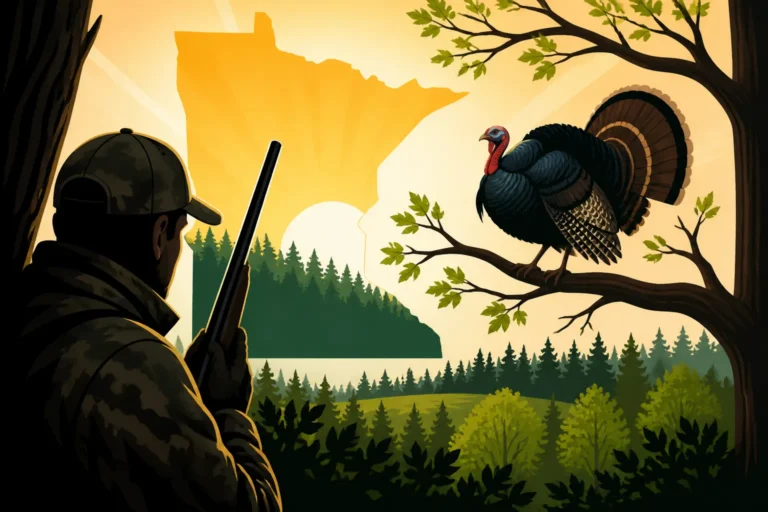
Fall turkey hunting in Minnesota can feel like a completely different ballgame than the high-octane gobbling of spring. Instead of lone, strutting Toms, you're often contending with large family flocks, quiet birds, and dense cover. It's a challenge that frustrates many hunters who are used to aggressive spring tactics, but with the right approach and a deep understanding of fall turkey behavior, you can consistently put birds in the freezer. This comprehensive guide will walk you through the nuances of autumn turkey hunting in the North Star State, providing actionable strategies to increase your success.
Understanding Fall Turkey Behavior in Minnesota
When the leaves start to turn golden and the air gets crisp, Minnesota's wild turkeys undergo a significant shift in their daily routines and social structures. Gone are the days of territorial gobblers aggressively chasing hens. Instead, turkeys are grouped into larger, often silent, family units, driven primarily by food and safety. Understanding these changes is paramount to developing effective fall hunting strategies.
Flock Dynamics and Communication
In the fall, turkeys typically gather into three main types of flocks: hen and poult (juvenile) flocks, gobbler flocks, and mixed flocks of hens and jakes (yearling males). Hen and poult flocks are by far the most common, sometimes numbering 30 or more birds, and they are incredibly cohesive. These birds are constantly communicating with soft clucks, purrs, and the distinctive "kee-kee" run — a whistle-like call that lost poults use to find their flock mates. Gobbler flocks, especially older toms, tend to be smaller and even warier. They'll also use soft communication, but they're less vocal overall.
The pecking order within these flocks is well-established, and they move almost as a single entity, especially when feeding or traveling. This strong social bond is both a challenge and an opportunity for hunters. It makes them harder to sneak up on, as there are many eyes and ears, but it also means they have a powerful instinct to regroup once scattered. Observing these dynamics, even without calling, can reveal much about their preferred travel routes and alert behaviors.
Food Sources and Feeding Patterns
As summer fades, Minnesota turkeys switch their diet from primarily insects to more carbohydrate-rich foods to build reserves for winter. Hard mast, especially acorns from oak trees, becomes a huge draw. If you can locate a good stand of mature oaks with a heavy acorn crop, you've likely found a turkey hotspot. They'll spend hours scratching through the leaf litter, almost like miniature pigs, to uncover these nutrient-dense morsels. This is a critical scouting component, and you might consider checking out articles like "Hunting After a Poor Acorn Year" for insights into how food availability impacts deer, and by extension, other forest dwellers like turkeys.
Beyond acorns, turkeys will also frequent agricultural fields, particularly those with standing or recently harvested corn, soybeans, or oats. They'll glean spilled grain, which provides an easy, high-calorie meal. Farmers' fields along timber edges, especially where there's good roosting cover nearby, can be goldmines. Don't overlook soft mast either; wild grapes, crabapples, and even some berries can hold birds early in the fall. Their feeding patterns are usually consistent: they'll leave the roost shortly after sunrise, feed for several hours, often take a mid-day break to dust or loaf, then feed again in the late afternoon before heading back to roost.
Roosting Habits and Scouting
Turkeys prefer to roost in tall, mature trees, often pines, oaks, or cottonwoods, near a reliable water source and with good visibility. They typically fly up to roost an hour or so before sunset and fly down around sunrise. Identifying roosting areas is a fantastic way to locate birds, even if they're not making much noise. On public lands, this might involve careful observation from a distance around dawn and dusk, looking for silhouetted birds or listening for the soft "tree yelps" they sometimes make before flying down. Using a mapping app like GoHunt can be incredibly helpful for identifying potential roosting timber and planning your approach routes.
Scouting for sign on the ground is also crucial. Look for droppings (larger and more coiled for gobblers, smaller and J-shaped for hens/jakes), wingtip drag marks in dusty areas where they've strutted (less common in fall, but still possible), and most importantly, tracks and scratchings in potential feeding zones. Fresh scratchings under oak trees or in cornfields tell you birds are actively feeding there. Finding these indicators before you even carry a gun can dramatically increase your chances of success.
Key Fall Turkey Hunting Tactics
Unlike the spring, where calling a bird to you is often the primary goal, fall turkey hunting often revolves around disrupting flocks and then re-establishing contact. These tactics require patience, stealth, and a good understanding of turkey communication.
Breaking Up a Fall Turkey Flock
This is arguably the most effective and classic fall turkey hunting strategy. The premise is simple: locate a flock, intentionally flush and scatter them, then set up and call them back together. Turkeys have an innate desire to regroup once separated, especially the younger birds and hens. To execute this, you first need to find a flock, often by spotting them feeding or moving. Once you locate them, the goal is to close the distance as quickly and quietly as possible, then charge into the flock, making as much noise as you can to get them to scatter in every direction. The more widely they scatter, the better your chances of calling them back individually.
After the scatter, immediately find a good setup spot, preferably with some natural cover against a wide-trunked tree. You want to be visible from a distance but concealed up close. Wait quietly for 15-30 minutes, letting the woods settle. Then, begin calling softly, mimicking the contented clucks and purrs of a flock trying to reassemble, or the plaintive kee-kees of a lost poult. The key here is patience; it might take an hour or two for birds to start responding. This method capitalizes on the turkeys' strong social bonds and their natural instinct to gather back up. If you're struggling with this, refer to more detailed guides on Breaking Up a Fall Turkey Flock.
Calling Strategies for Fall Birds
Fall calling is less about loud, aggressive gobbling and more about subtle, reassuring flock communication. The kee-kee run is a critical call for fall, mimicking a lost juvenile bird trying to find its family. A series of three to five clear, high-pitched whistles followed by a soft yelp or two can be incredibly effective, especially an hour or two after a scatter. Contented clucks and purrs are also essential. These sounds convey a sense of safety and "all is well," drawing in other scattered birds who are anxious to regroup.
You'll want a variety of calls. A diaphragm call is excellent for hands-free kee-kees and soft yelps, allowing you to keep your shotgun mounted. Slate and box calls are great for louder, more aggressive yelps if you need to reach out, or for replicating a more mature hen's sounds. Don't be afraid to experiment with different calls and volumes. Sometimes, a quiet, almost whispered series of clucks is all it takes to convince a wary bird to step into range. Other times, especially after a flock has scattered widely, a louder, more urgent kee-kee run might be necessary to get a response. Keep in mind that When Minnesota Gobblers Go Quiet, it's often a sign they're feeling pressured, making subtle fall calling even more important.
Ambush Hunting and Stalking
While scattering and calling is a prime fall tactic, sometimes birds are simply too wary, or the terrain doesn't allow for an effective scatter. In these situations, ambush hunting or careful stalking can be productive. Ambush hunting involves scouting known travel routes, feeding areas, or water sources and setting up a ground blind or finding natural cover to wait for birds to come by. This works particularly well if you've identified a consistent pattern of movement, perhaps turkeys flying down from a specific roost into a particular cornfield. You might find a good spot to try Setting Up Against a Big Oak along a field edge or trail.
Stalking, while challenging, can also be effective in very dense cover or when birds are focused on feeding. This requires extreme stealth, moving slowly, using terrain features and thick vegetation to your advantage, and stopping frequently to listen and scan. This is definitely not a tactic for open woods. If you spot a flock from a distance, instead of scattering them, try to get ahead of their likely travel path and set up an ambush. Using your GoHunt app to anticipate their movement through different cover types can be a game-changer. Just remember, turkeys have incredible eyesight, so any quick or unnatural movement will send them flying.
Essential Gear and Preparation for Fall Turkey Hunts
Having the right gear and being properly prepared can make all the difference when pursuing Minnesota's fall turkeys. From your shotgun to your attire, every detail contributes to your success and comfort in the field.
Shotguns and Ammunition Considerations
For fall turkeys, a 12-gauge or 20-gauge shotgun is standard. The most crucial aspect of your shotgun setup is patterning. You need to know exactly how your gun, choke, and chosen ammunition perform at various ranges. While spring shots might be closer, fall turkeys can be warier, and you might encounter scenarios where a slightly longer shot is necessary, or you might be taking a shot at a bird that has just regrouped and is still a bit hesitant. A tight-patterning choke (like a full or extra-full) and quality turkey loads with dense shot (like #5 or #6 lead, or tungsten options for increased range and density) are generally preferred. Practice shooting from typical hunting positions, such as sitting against a tree or from a ground blind, to understand your limitations.
Consider adding a red dot sight to your shotgun. This can significantly improve accuracy, especially in low light or when a bird presents itself quickly. For specific recommendations, you might find valuable insights in articles discussing Turkey Shotguns and Chokes or Turkey Loads Worth the Price. Don't forget to clean your shotgun thoroughly before season, and if you're out in wet weather, take precautions to keep it dry.
Clothing and Camouflage
Fall turkey hunting in Minnesota can mean anything from mild, sunny afternoons to chilly, damp mornings. Layering is key. Start with a moisture-wicking base layer, add an insulating mid-layer (fleece or wool works well), and top it with a good camouflage outer layer that is quiet and weather-resistant. Turkeys have fantastic color vision, so choose camouflage patterns that break up your silhouette effectively in the fall woods – patterns with browns, grays, and muted greens are ideal. Full headnets and gloves are non-negotiable; your face and hands are often the first things a sharp-eyed turkey will pick up.
Rubber boots are highly recommended, especially if you're hunting in swamps, marshy areas, or wet timber, which are common in many Minnesota turkey habitats. They keep your feet dry and scent-free. Quiet fabrics are also paramount. Turkeys have excellent hearing, and the rustle of synthetic clothing can betray your position long before a bird steps into range. Wool or fleece are often quieter options than some nylon blends.
Navigation and Scouting Tools
In today's hunting world, a reliable GPS unit or a smartphone app like GoHunt is indispensable. Before you even set foot in the woods, use these tools to scout aerial photos, identify potential roosting sites, feeding areas, and travel corridors. GoHunt allows you to mark waypoints, track your movements, and, crucially, verify public land boundaries in areas like state forests or Wildlife Management Areas. This is especially helpful if you're planning to hunt unfamiliar territory or trying to find less pressured spots. For example, if you're considering Hunting Minnesota State Forest Hunting, a mapping app will be your best friend.
Beyond mapping, a good pair of binoculars (8x or 10x power) can help you spot distant birds or identify subtle movements without having to move yourself. A rangefinder can also be useful for confirming distances before you take a shot, especially if you're ambushing birds in an open field. Don't forget a headlamp for walking in before dawn or out after dusk, and a small, comfortable pack to carry calls, water, snacks, and any game you might harvest.
Finding Fall Turkeys on Minnesota Public and Private Land
Minnesota offers a good mix of public and private land for fall turkey hunting, each with its own advantages and challenges. Knowing where to look and how to gain access is critical for consistent success.
Locating Birds on Public Land
Minnesota boasts an impressive amount of public land, including numerous Wildlife Management Areas (WMAs), State Forests, and even portions of National Forests. While these areas are accessible to everyone, they can also experience hunting pressure. The key to success on public land is often to find areas that are overlooked or require a little more effort to reach. Dive into those maps, both physical and digital via apps like GoHunt, and look for those areas away from obvious access points. This could mean hiking a bit further, skirting a bog, or finding a less-traveled logging road.
Within these public lands, focus your scouting on areas that offer the ideal mix of food, water, and roosting cover. Hardwood ridges with a good acorn crop are prime locations. Look for areas where different habitat types converge – for instance, where a dense pine plantation meets a mature oak stand, or where a cornfield borders a woodlot within a WMA. Scouting before the season is absolutely paramount. Look for tracks, droppings, and scratchings. You might find it useful to read about Scouting Minnesota Public Land Before Season for general tips that apply well to turkeys too. Consider hunting mid-week when pressure is typically lower, or explore less popular WMAs that might hold good populations.
Securing Private Land Access
Many of Minnesota's best turkey populations, especially in the agricultural regions, exist on private land. Gaining permission from landowners is often the most effective way to consistently find birds in the fall. This requires respect, good communication, and ideally, building a relationship over time. Start by identifying potential turkey habitat on private parcels, such as woodlots adjacent to cornfields or thick river bottoms. The GoHunt app can help you identify land ownership, giving you a starting point for who to contact.
When approaching a landowner, be polite, well-dressed, and explain your intentions clearly. Offer to help with chores, clean up trash, or share some of your harvest. Leave your contact information and respect their decision if they decline. Remember that some farmers might be more open to turkey hunting than deer hunting, as turkeys aren't usually seen as a nuisance to crops in the same way deer can be. Always abide by their rules and leave the property better than you found it. Securing permission on private land, particularly in good turkey country, can open up incredible hunting opportunities for years to come. For more on this, check out Knocking on Doors in Minnesota Farm Country.
Fall Turkey Calling Sound Guide
Understanding what different turkey calls mean and when to use them is crucial for effective fall hunting, especially after you've broken up a flock. Here's a quick guide to some key calls.
| Call Name | Description | When to Use It |
|---|---|---|
| Kee-Kee Run | A series of high-pitched, whistle-like notes, often ending in a soft yelp. | Most effective after a flock has scattered, mimicking a lost poult. |
| Plain Yelp | A series of nasal "yelp, yelp, yelp" sounds, typically 3-5 notes. | General contact call; can be used by lost birds or to regroup. |
| Cluck | A short, abrupt "cluck" sound. | Soft contact call within a flock, or to reassure approaching birds. |
| Purr | A soft, rolling, contented "prrrrrrr" sound. | Indicates contentment while feeding; used to draw in cautious birds. |
| Gobble | The loud, unmistakable gobble of a tom. | Rarely used in fall hunting; can be heard from excited toms, but don't imitate frequently. |
| Assembly Yelp | A series of loud, insistent yelps, often 10-15 notes. | Mimics an old hen calling her scattered flock back; used after a big scatter. |
It's vital to remember that in the fall, less can often be more. Start with soft, reassuring calls and only increase volume or urgency if you're not getting a response. The goal is to sound like a lost, anxious turkey, or a contented member of the flock, not to challenge a gobbler like in the spring.
Disclaimer
Please ensure you are familiar with all current Minnesota Department of Natural Resources (DNR) hunting regulations and season dates before heading into the field. This guide is for informational purposes only and does not supersede official hunting laws. Always prioritize safety and ethical hunting practices.