Minnesota Pheasant Season and Stamp
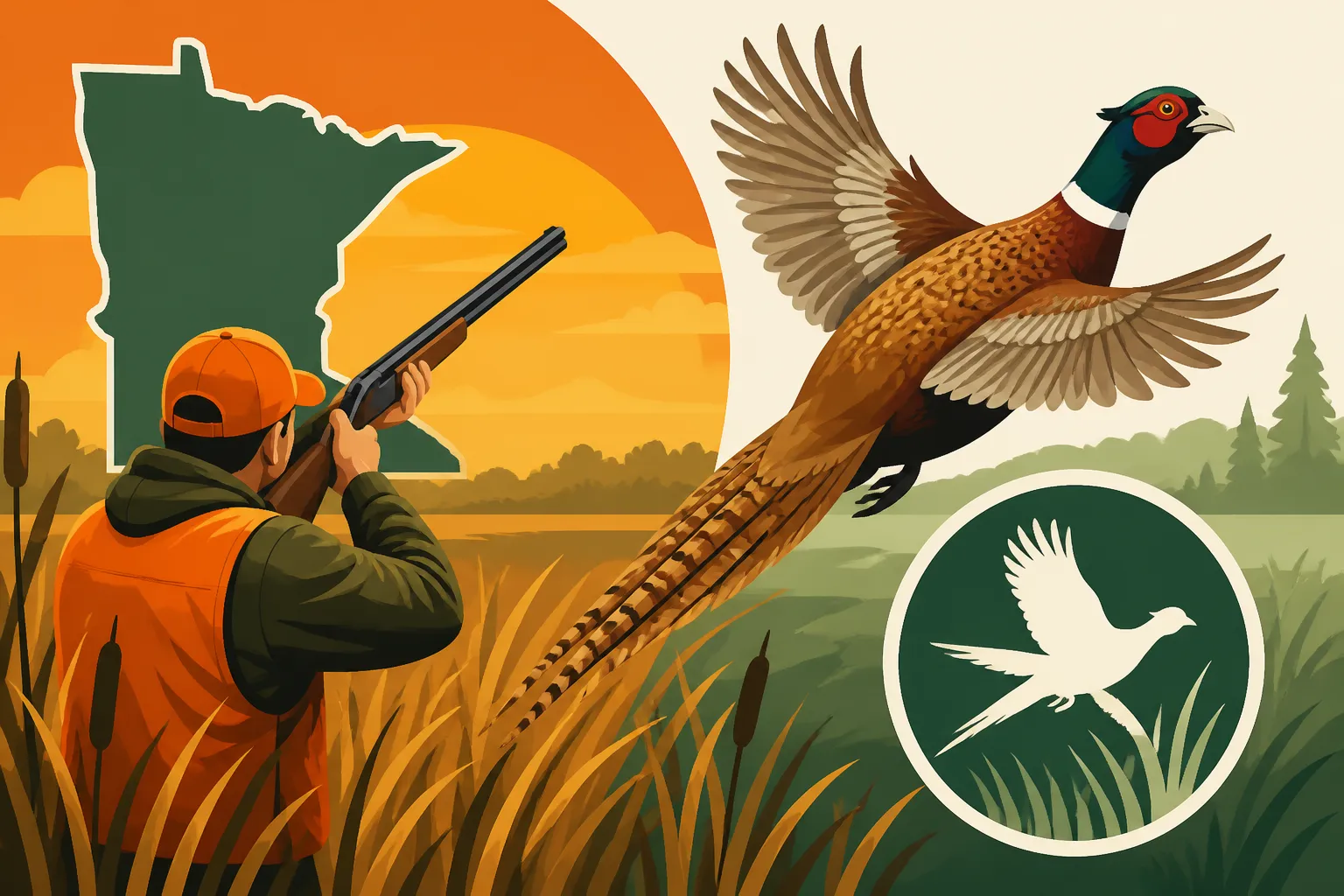
There's nothing quite like the heart-thumping flush of a rooster pheasant bursting from cover, especially after a long walk through prime Minnesota habitat. But getting to that moment means navigating seasons, understanding regulations, and making sure you've got all your ducks – or in this case, pheasants – in a row. It can feel a bit overwhelming, especially for newcomers or those just getting back into the field, trying to figure out exactly when and where you can hunt, and what licenses you need. This comprehensive guide will walk you through everything you need to know about Minnesota's pheasant season and the crucial pheasant stamp, ensuring you're fully prepared for a successful and legal hunt.
Understanding Minnesota's Pheasant Season Structure
Minnesota's pheasant season is a highlight for many upland hunters, offering weeks of opportunity to chase these vibrant birds across the state's prime farmland and grassland. While the core season is pretty straightforward, knowing the nuances of opening dates, daily limits, and special youth opportunities can make all the difference in planning your hunts. It's not just about showing up; it's about understanding the rhythm of the season.
Opening Day and General Season Dates
The pheasant season in Minnesota traditionally kicks off in mid-October, a time of year when the fall colors are often peaking, and the air has that crisp, invigorating chill. This opening weekend is almost a holiday for many upland hunters, bringing friends and family together to walk fields and enjoy the camaraderie of the chase. You'll find the general season typically runs from this mid-October start all the way through the end of the year, usually wrapping up on January 1st. This extended period gives hunters ample time to get out, whether you're an early bird keen on beating the crowds or a late-season grinder who thrives in the snow.
It's crucial to always double-check the exact dates each year, as they can shift slightly. You can usually find the official dates published by the Minnesota Department of Natural Resources (DNR) well in advance of the season. For the most current information, consider checking resources like Minnesota Small Game and Upland Bird Seasons or more specifically, Minnesota Pheasant Season Opening Day. Having these dates locked down is the first step in plotting your fall hunting adventures. Remember, those early mornings on opening weekend are often bustling with anticipation, but the later season can offer some incredibly rewarding experiences with fewer hunters and different challenges.
Shooting Hours and Bag Limits
Beyond the season dates, understanding the daily shooting hours and bag limits is paramount for a legal hunt. Nobody wants to mistakenly be in the field too early or too late, or to exceed the allowed take. For pheasants in Minnesota, shooting hours generally begin at 9:00 AM and extend until sunset. This later start time, compared to many other hunting seasons, is often appreciated by upland hunters as it allows for a more relaxed morning, or perhaps a leisurely breakfast before heading out to the fields. It also gives the birds a chance to move off their roosts and begin feeding, making them more active and potentially easier to locate later in the morning.
The daily bag limit for pheasants in Minnesota is typically set at two roosters. Yes, only roosters! Identifying hens versus roosters is critical, and a good rule of thumb is that if you're not 100% sure it's a rooster, don't shoot. The vibrant colors of a rooster are usually unmistakable once they flush. The possession limit, which is the maximum number of pheasants you can have in your possession at home or camp, is usually six roosters. These limits are put in place to help manage the pheasant population, ensuring sustainable hunting opportunities for years to come. Always confirm these numbers with the current year's regulations, as slight adjustments can occasionally occur based on population surveys and management goals.
Youth Seasons and Special Opportunities
Minnesota is big on fostering the next generation of hunters, and the pheasant season is a fantastic example of that commitment. The state often offers a special youth pheasant season, usually held a week or two before the general opener. This early access provides a less pressured environment for young hunters to learn the ropes, gain confidence, and experience the thrill of the hunt without competing with larger crowds. It's a fantastic initiative designed to give kids a memorable and positive introduction to upland hunting.
These youth hunts typically have specific rules, such as age requirements and the need for a properly licensed adult mentor to accompany them. The adult might not be allowed to carry a firearm or hunt during this youth-only period, so be sure to read the regulations carefully. In addition to the youth season, various organizations, local chapters of Pheasants Forever being a prime example, often host mentored youth hunts or special events throughout the year. These events often provide equipment, dog handlers, and experienced mentors, making it even easier for new hunters to get involved. These special opportunities are invaluable for ensuring the future of our hunting heritage, and they often create lifelong memories for young participants.
The Essential Minnesota Pheasant Stamp
Beyond your general hunting license, there's a specific requirement for pheasant hunters in Minnesota: the pheasant stamp. This isn't just another fee; it's a direct investment in the very habitat that supports the birds we love to pursue. Understanding its purpose, how to obtain it, and where your dollars go can give you a deeper appreciation for this crucial piece of paper (or digital record).
Why the Pheasant Stamp Exists
The Minnesota pheasant stamp is more than just a regulatory hurdle; it's a vital funding mechanism for pheasant conservation and habitat improvement across the state. Think of it as your personal contribution to ensuring thriving pheasant populations for present and future generations. The simple truth is, without dedicated habitat, there are no pheasants. Farmland, while essential for agriculture, doesn't always provide the dense nesting cover, winter protection, or reliable food sources that pheasants need to survive and reproduce. This is where the stamp comes in.
Revenue generated from the sale of pheasant stamps goes directly into programs aimed at restoring, enhancing, and protecting pheasant habitat. This might involve planting native grasses, establishing food plots, or preserving wetlands – all critical components of a healthy pheasant ecosystem. Groups like Pheasants Forever work hand-in-hand with the DNR, utilizing these funds to create and maintain prime habitat, often on public lands or through cooperative agreements with private landowners. So, when you purchase that pheasant stamp, you're not just buying permission to hunt; you're directly supporting the birds and the places they call home. It's a small price to pay for such a significant impact on the landscape.
Purchasing Your Stamp and License Requirements
Getting your Minnesota pheasant stamp is usually a straightforward process. Before you even think about hitting the fields, you'll need a valid Minnesota small game hunting license. This is your foundational license. Once you have that, you simply add the pheasant stamp to your purchase. You can typically buy both your small game license and your pheasant stamp online through the Minnesota DNR's eLicense system, at authorized license vendors (like bait shops, sporting goods stores, or even some larger retailers), or by phone. It's incredibly convenient, and many hunters opt to get theirs well in advance of the season.
The cost of the pheasant stamp is generally quite affordable, usually just a few dollars, making it an accessible way for every pheasant hunter to contribute. Just like your general hunting license, you'll need to carry proof of your pheasant stamp while hunting. Whether that's a physical paper copy or a digital version on your phone via the DNR's app, make sure it's accessible should a conservation officer ask to see it. It's a minor detail often overlooked, but being compliant ensures your hunt isn't interrupted by an avoidable issue. Don't forget, if you're a non-resident hunter, you'll also need to ensure you have the correct non-resident small game license in addition to the pheasant stamp.
How Stamp Revenue Helps Habitat
Let's get into the nitty-gritty of how your pheasant stamp dollars actually make a difference on the ground. The funds collected from pheasant stamp sales are generally dedicated to specific habitat programs. A significant portion often goes towards acquiring and developing tracts of land, particularly through programs like the Wildlife Management Area (WMA) system and federal Waterfowl Production Areas (WPAs). These areas are designed to provide critical nesting, brood-rearing, and winter cover for pheasants and other upland wildlife. When you're Pheasant Hunting Minnesota Farmland, you'll often find these WMAs interspersed, offering crucial havens.
These projects aren't just about raw acreage; they involve active habitat management. This can include planting dense stands of native warm-season grasses such as switchgrass or big bluestem, which offer excellent winter protection and nesting cover. Other initiatives might focus on establishing food plots (like corn or sorghum) adjacent to cover, providing much-needed sustenance during harsh winters. Sometimes, it involves strategic burns or mowing rotations to maintain the vigor and quality of existing cover. The DNR, often partnering with organizations like Pheasants Forever and Ducks Unlimited, works diligently to stretch every dollar, creating a network of high-quality habitats that directly impact pheasant survival and reproduction. So, that satisfying flush you experience in the field? It’s very likely made possible, in part, by the small but mighty pheasant stamp you purchased.
Prime Pheasant Hunting Locations and Habitat
Minnesota offers some fantastic pheasant hunting, but knowing where to go and what to look for is key to increasing your chances of success. The state is vast, and pheasant populations aren't evenly distributed. Understanding the landscapes where these birds thrive will guide you to more productive hunts. Even with tools like GoHunt, understanding the underlying habitat is crucial for planning.
Southwest Minnesota's Pheasant Hotbeds
When most hunters think of pheasant hunting in Minnesota, their minds immediately turn to the southwestern quadrant of the state. This region is undeniably the epicenter of Minnesota's pheasant population, and for good reason. The landscape here is dominated by agricultural fields – corn, soybeans, and small grains – interspersed with vital habitat corridors. This mix of food and cover is precisely what pheasants need to flourish. Counties like Lac qui Parle, Yellow Medicine, Redwood, Lyon, Murray, Pipestone, Lincoln, and Rock are often cited as prime pheasant territory. These areas typically boast higher bird densities, making them excellent choices for hunters.
The long-term success of pheasants in this region is closely tied to land use practices and habitat initiatives. While private agricultural lands make up the bulk of the landscape, there are numerous public land opportunities within these counties. These include state-managed Wildlife Management Areas (WMAs) and federally managed Waterfowl Production Areas (WPAs). Many of these public parcels are specifically managed for upland birds, featuring dense grassland cover, food plots, and wetland components. When planning your trip, focusing on this region dramatically increases your odds of encountering birds. Utilize tools like GoHunt or the DNR's Recreation Compass to scout specific parcels within these counties that offer diverse cover. You can find more specific details on Pheasants and Southwest Minnesota Farmland to hone your focus even further.
Public Land Access: WMAs and WPAs
For many hunters, public land is the backbone of their pheasant hunting strategy, especially if they don't have private land access. Minnesota has a fantastic network of public lands, and for pheasants, Wildlife Management Areas (WMAs) and Waterfowl Production Areas (WPAs) are your bread and butter. WMAs are tracts of land purchased and managed by the Minnesota DNR, specifically for wildlife habitat and public recreation, including hunting. WPAs are smaller parcels managed by the U.S. Fish and Wildlife Service, primarily for waterfowl, but they provide excellent upland habitat as well. Both are generally open to public hunting during designated seasons.
Locating these areas is easier than ever with digital mapping tools. Apps like GoHunt, alongside the Minnesota DNR's Recreation Compass, allow you to overlay public land boundaries on aerial maps, helping you pinpoint promising cover. Look for WMAs and WPAs that feature a mosaic of habitat types: dense grasses, cattail sloughs, brushy draws, and adjacent agricultural fields. These diverse habitats provide pheasants with everything they need throughout the year – nesting sites, escape cover, and food. Be aware that public lands, especially on opening weekend, can see significant hunting pressure. Consider mid-week hunts or exploring more remote corners of larger parcels to find areas with fewer boots on the ground. Familiarize yourself with Minnesota Waterfowl Production Area Basics for more detailed insights into hunting these federal lands.
Identifying Prime Pheasant Cover
Once you're in a good pheasant area, the next step is to read the landscape and identify where the birds are most likely to be. Pheasants are creatures of edge and cover, relying on dense vegetation for safety and thermal protection, while also needing access to food. Look for areas where different habitat types meet – this is your prime "edge habitat." Think about tall, dense stands of native warm-season grasses, especially those with some residual cover from previous years, which offer critical winter survival. Cattail sloughs and wetland edges are also excellent, providing thick, often impenetrable cover that pheasants will dive into when pressured.
Other key indicators of good pheasant cover include brushy draws, shelterbelts, and fence rows that provide travel corridors and protection from predators. Don't overlook old farmsteads or abandoned buildings with overgrown fields; these often hold birds. Agricultural fields, particularly standing corn or cut grain fields with heavy stubble, provide food and often some cover as well. The best strategy is to walk through these dense covers, moving slowly and methodically, pushing birds towards an open edge or another hunter if you're working with a group. Remember, pheasants are experts at hiding and will often run before flying, so persistence and thorough coverage of prime habitat are essential. Knowing where Minnesota pheasants concentrate can give you an edge in scouting.
Key Regulations and Best Practices for a Successful Hunt
A successful pheasant hunt isn't just about finding birds; it's also about hunting safely, ethically, and in full compliance with state regulations. There are specific rules regarding what you wear, how you interact with dogs, and how you handle your game that every Minnesota pheasant hunter should know. These practices ensure a responsible and enjoyable experience for everyone.
Blaze Orange Requirements for Upland Hunting
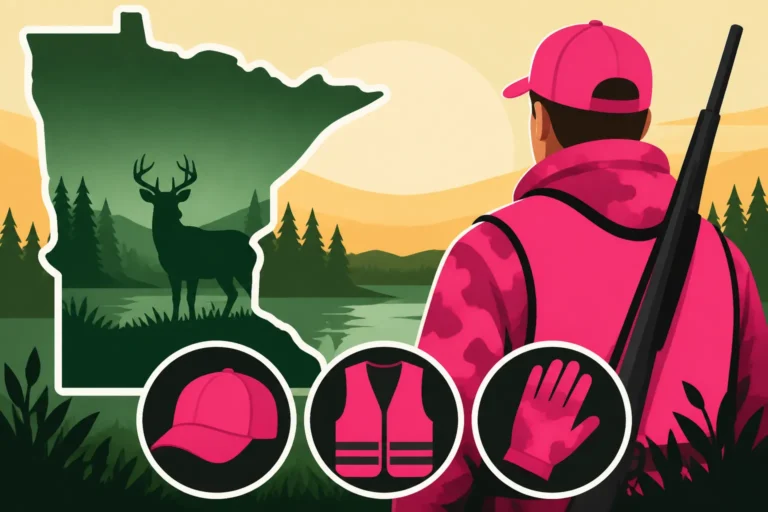
Safety is always the top priority when hunting, and in Minnesota, that means wearing blaze orange when pheasant hunting. The regulations are clear: during the pheasant season (and other firearm deer seasons), anyone hunting small game, including pheasants, or operating as a deer driver on public land or private land without permission, must wear blaze orange. This isn't just a suggestion; it's a legal requirement designed to make hunters highly visible to one another, significantly reducing the risk of accidental shootings.
Specifically, you need to wear an outer garment of blaze orange or blaze pink that is above the waist and readily visible from all sides. A blaze orange cap or hat alone often doesn't cut it. Think vests, jackets, or full shirts. The goal is maximum visibility. While it might seem a small detail, it's a critical safety measure, especially when hunting in groups or in areas where visibility can be limited by tall cover. Always refer to the most current regulations for precise requirements, but generally, the more blaze orange, the better for your safety. For a full rundown, check out Minnesota Blaze Orange Requirements. This simple garment can truly save lives and prevent tragic accidents in the field.
Dog Use and Training Considerations
For many pheasant hunters, a good bird dog is an indispensable partner in the field. Whether you hunt with a pointing dog, a flushing dog, or a versatile retriever, their ability to locate, flush, and retrieve birds dramatically enhances the hunting experience and increases success rates. However, using dogs also comes with responsibilities and specific regulations in Minnesota. While training dogs on public land is generally allowed, there are often restrictions on specific areas, times of year (especially during nesting seasons), and the use of live ammunition during training. Always check WMA or WPA specific rules.
During the actual pheasant season, dogs are a huge asset. They cover ground efficiently, sniff out hidden birds, and are invaluable for retrieving downed birds, preventing lost game. However, ensure your dog is well-behaved, under control, and wearing a visible collar (often blaze orange) with your contact information. Be mindful of other hunters, especially on public land. It's considered good etiquette to call your dog back if it's ranging too close to another hunting party. For those serious about working with a canine companion, exploring resources like Running Pointing Dogs on Minnesota Pheasants can provide deeper insights into effective dog handling and training for Minnesota's conditions. A well-trained dog makes for a more ethical and enjoyable hunt for everyone involved.
Ethical Hunting and Field Care
Ethical hunting goes beyond simply following the law; it's about respecting the game, the land, and other hunters. For pheasants, this means taking clean, ethical shots within your effective range, avoiding "sky-busting" birds that are too far out, and always ensuring a swift, humane kill. If you shoot a bird, make every effort to recover it. This is where a good dog truly shines, but even without one, meticulous searching of the area where the bird went down is critical. Never leave a wounded bird in the field.
Once a bird is recovered, proper field care is essential, especially on warmer early season days. Promptly gutting the bird can help cool the meat, preventing spoilage. If you're planning a long hunt or anticipate warm temperatures, bringing a cooler with ice to camp or your vehicle is a smart move. During the hunt itself, place harvested birds in a game bag to keep them clean and allow for air circulation. At the end of the day, carefully pluck or breast out your birds, and prepare them for freezing or cooking. Treating your harvested game with respect, from the shot to the plate, is a hallmark of a truly ethical hunter.
Seasonal Considerations and Weather Impact
Minnesota weather is famously unpredictable, and its impact on pheasant hunting can be significant. Understanding how conditions change throughout the season, from the warm days of October to the deep snow of December, allows you to adapt your tactics and gear for maximum success and comfort.
Early Season Tactics and Challenges
The early pheasant season, typically from mid-October through early November, often presents unique conditions. Temperatures can still be mild, even warm, and vegetation is generally at its densest before heavy frosts or snow knock it down. This means birds have an abundance of thick cover to hide in, making them incredibly difficult to flush. They'll often hold tight or run far ahead of hunters and dogs. Hunters can also expect to encounter more natural food sources still available in fields and alongside cover, meaning birds aren't necessarily concentrated in food plots yet.
A key challenge of the early season is the dense cover. This necessitates methodical walking and perhaps a larger group of hunters to effectively push birds out. Dogs are crucial for busting through heavy cattails and tall grasses. Another factor is hunter pressure; opening weekend, in particular, can see a lot of activity on public lands. To counter this, consider walking further into public parcels than others, targeting less accessible areas, or hunting mid-week. Also, on warmer days, pay attention to your dog's hydration and watch for signs of overheating. The mild weather also means you need to be extra diligent with immediate field care of harvested birds to prevent spoilage.
Late Season Strategies in Snow
As the calendar turns to late November and December, Minnesota's pheasant season takes on a completely different character, often defined by colder temperatures and snow. This can be some of the most challenging, yet rewarding, pheasant hunting of the year. Deep snow and bitter cold drastically alter pheasant behavior and habitat use. With natural food sources buried and cover flattened, birds become much more concentrated in specific areas that offer both food and thermal protection.
Prime late-season spots include dense cattail sloughs, thick stands of switchgrass (which often stands up well to snow), heavy brushy draws, and food plots, especially those adjacent to heavy cover. Birds will pack into these areas for warmth and sustenance. Hunting tactics also change: focus on methodically working these high-percentage cover types. Drive-blocking strategies can be very effective with a group, positioning blockers at the end of a slough or food plot while drivers push birds towards them. Snow also makes tracking easier and can pinpoint where birds are moving. For an in-depth look at hunting in these conditions, refer to Late-Season Pheasant Tactics in Deep Snow. Dress warmly in layers, keep hand and foot warmers handy, and be prepared for a physically demanding hunt.
Impact of Weather and Habitat Changes
Beyond just snow, general weather patterns and broader habitat changes significantly influence Minnesota's pheasant populations and hunting success. Severe winters with prolonged deep snow and extreme cold can lead to higher winter mortality rates, especially if quality winter cover is lacking. Similarly, wet, cold springs can negatively impact nesting success and poult survival, reducing the pheasant population for the following fall. Droughts can also affect habitat quality, making cover sparse and limiting insect availability for young birds.
On a larger scale, changes in agricultural practices and land use can have long-term effects. The trend of planting fence row-to-fence row or converting grasslands to row crops directly impacts pheasant numbers. This is why conservation efforts, funded in part by the pheasant stamp, are so vital in creating and preserving key habitat. Tools like the Minnesota Pheasant Index Survey help the DNR monitor these trends and make informed management decisions. As hunters, staying informed about these environmental factors, being flexible with our hunting plans, and actively supporting conservation groups like Pheasants Forever are essential for the ongoing health of Minnesota's pheasant hunting heritage. It's a constant dance between nature's whims and dedicated human effort.
| Season Aspect | General Dates | Daily Bag Limit (Roosters) | Possession Limit (Roosters) | Shooting Hours | Pheasant Stamp Required? |
|---|---|---|---|---|---|
| General Season | Mid-October to January 1st (approx.) | 2 | 6 | 9:00 AM to Sunset | Yes |
| Youth Season | Usually 1-2 weeks prior to opener | 2 | 6 | 9:00 AM to Sunset | Yes (for youth) |
| Blaze Orange Req. | Yes (outer garment above waist) | N/A | N/A | N/A | N/A |
| Small Game License | Required | N/A | N/A | N/A | Yes |
| Non-Resident | Same as resident | Same as resident | Same as resident | Same as resident | Yes |
Disclaimer: Hunting regulations, season dates, and license requirements can change annually. This guide provides general information based on typical Minnesota hunting seasons. Always consult the official Minnesota Department of Natural Resources (DNR) regulations and publications for the current year before engaging in any hunting activities. It is your responsibility to know and follow all applicable laws.