Reporting a Poacher in Minnesota
It’s a gut-wrenching feeling, isn’t it? You're out in the woods, respectful of the land and the animals, only to stumble upon clear evidence that someone else isn't. Spotting a poacher or the aftermath of their illegal activity can make your blood boil, and it often leaves you wondering, "What can I even do about this?" This guide is here to walk you through the essential steps for effectively reporting a poacher in Minnesota, ensuring you have the information and confidence to act responsibly and protect our shared wildlife resources.
Why Reporting Poaching Matters Beyond Just the Law
When we talk about poaching, it’s not just about breaking a rule or bending the law a little. Poaching strikes at the very heart of conservation, ethical hunting, and the future of Minnesota's natural heritage. It's a crime against all of us who value wildlife and the traditions built around its careful management.
Protecting Wildlife Populations for Future Generations
Think about the bigger picture for a moment. Every deer illegally harvested out of season, every bear taken without a valid permit, every pheasant over the bag limit — it adds up. These aren’t just individual animals; they represent a part of the population that game managers carefully monitor and regulate to ensure sustainability. Poachers completely disregard these scientific efforts, siphoning off animals that are vital for healthy breeding cycles or that were specifically managed for a legal harvest.
The long-term impact can be devastating, especially for species with smaller populations or those struggling with other environmental pressures. It can lead to localized declines, disrupt ecological balance, and ultimately, rob future generations of the chance to experience Minnesota's abundant wildlife. Our collective responsibility is to ensure that species like our beloved white-tailed deer thrive, and preventing poaching is a crucial part of that commitment.
Upholding Ethical Hunting Traditions
As hunters, we often face scrutiny from those who don't understand our passion or our dedication to conservation. Poachers, unfortunately, fuel negative stereotypes and cast a long shadow over the vast majority of law-abiding, ethical hunters. When someone illegally takes an animal, it's not just a violation of the law; it's a betrayal of the fair chase principles, respect for wildlife, and the responsible stewardship that defines true hunting.
Legitimate hunters spend countless hours scouting, preparing, and adhering to strict regulations, often investing significantly in licenses and gear. They take pride in their harvest, knowing they've done it by the book. Poaching undermines all of that hard work and dedication, making it harder for the hunting community to maintain its positive image and advocate for wildlife conservation. It's frustrating to know that a few bad apples can spoil the reputation of so many.
Ensuring Fair Chase and Resource Allocation
Hunting seasons, bag limits, and permit areas exist for a reason: to create a fair and equitable system for all hunters while managing wildlife populations responsibly. When poachers operate, they're essentially stealing opportunities from honest hunters. They take animals that could have been legally harvested by someone who followed the rules, applied for the right permits, and waited their turn.
Consider a scenario where deer numbers are tightly managed, and specific permit areas have limited antlerless tags. If a poacher takes an extra deer, that’s one less deer available within the sustainable quota, and potentially one less opportunity for a hunter who played by the rules. It distorts the data that game managers use to set seasons and allocations, impacting everyone's hunting experience. The system relies on integrity, and poaching directly attacks that foundation.
How to Report a Poacher in Minnesota: Practical Steps
When you suspect poaching, the natural instinct might be to confront the individuals, but that's rarely the safest or most effective approach. The best course of action is always to report your observations to the Minnesota Department of Natural Resources (DNR) so that trained professionals can handle the situation appropriately.
Gathering Crucial Information
The more details you can provide, the better equipped conservation officers will be to investigate and potentially apprehend a poacher. Think like a detective – what facts are indisputable? When you're using tools like the GoHunt app or other mapping software for scouting, make a mental note of exactly where you are, down to the parcel number if possible, or key landmarks.
- When did it happen? The exact date and time, or at least a narrow window, is incredibly helpful. "Last Saturday morning" is better than "sometime recently."
- Where did it happen? Be as specific as possible. A street address, GPS coordinates (many smartphones can provide these), a description of nearby landmarks, or even a specific mile marker on a highway can make a huge difference. Knowing if it's on public land, like a WMA or State Forest, or private land is also important.
- What did you see? Describe the illegal activity precisely. Was it someone spotlighting deer at night? Did you see an animal being harvested out of season? Was someone harvesting an animal with an illegal firearm, especially in one of the Which Thirteen Counties Kept Shotgun-Only Rules? Details about the animal (species, size, antler points if a deer) are also important.
- Who was involved? Descriptions of individuals (gender, approximate age, hair color, clothing) can be useful, but never put yourself at risk to get this. Focus on objective observations.
- Vehicles involved? This is often the most critical piece of evidence. Make, model, color, and, most importantly, the license plate number are paramount. If you can only get a partial plate, write it down immediately. Note any unique features like dents, stickers, or roof racks.
- Evidence at the scene? Did you see blood, spent casings, discarded animal parts, or anything else that suggests illegal activity? Do not disturb the scene, but make note of its location.
Remember, even if you don't have all the details, any information is better than none. Don't self-censor because you think your report isn't "perfect."
Contacting the DNR: The Turn In Poachers (TIP) Program
Minnesota has an excellent program specifically designed for reporting poaching: Turn In Poachers (TIP). It’s easy to remember, and it's the primary channel for getting your information to the right people.
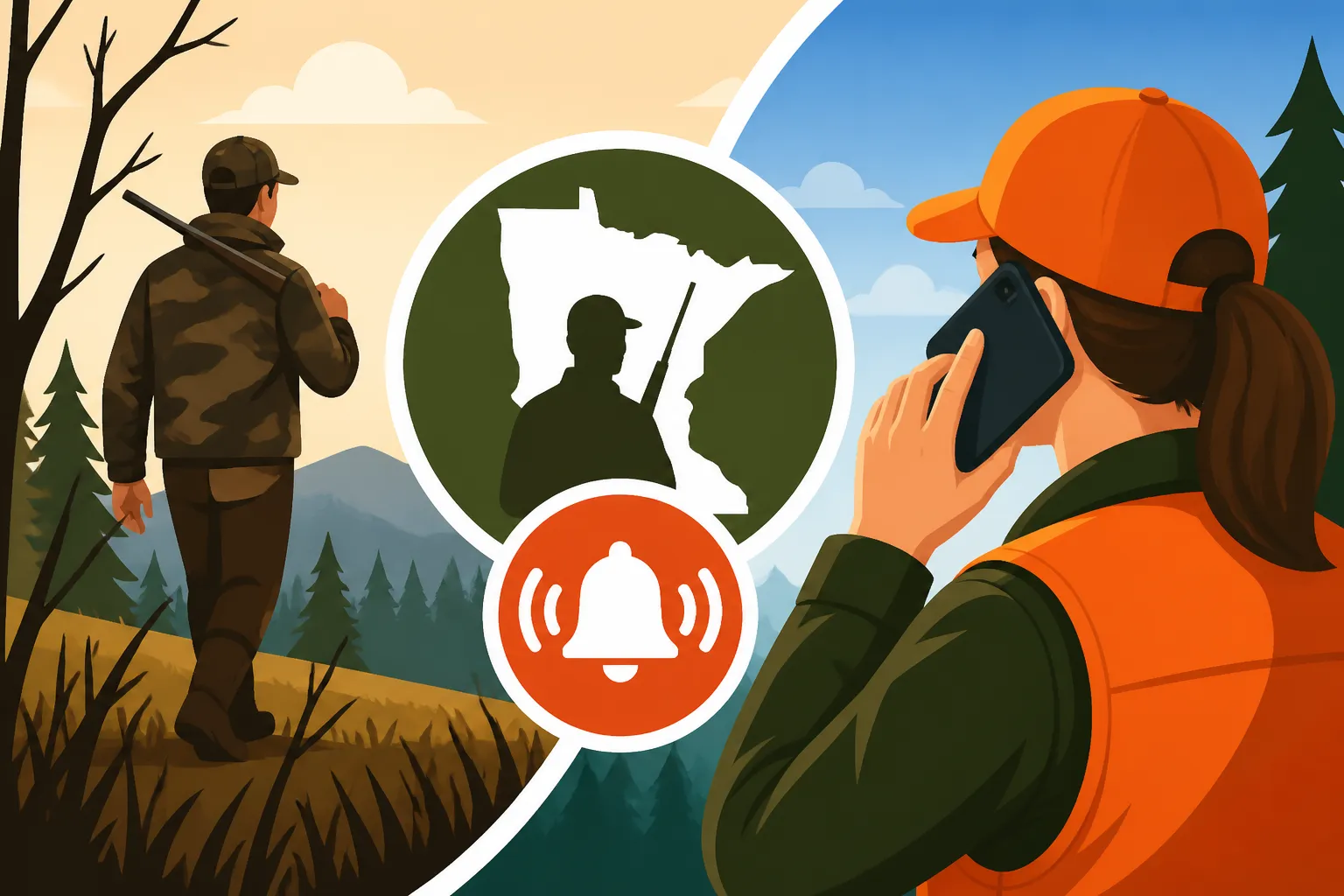
- By Phone (24/7 Hotline): The most direct way to report is by calling the TIP hotline at 1-800-652-9093. This line is staffed 24 hours a day, 7 days a week, and is specifically for reporting natural resource violations. This is the best option for active poaching situations or if you have time-sensitive information.
- Online Reporting: For less urgent situations, or if you prefer to report electronically, the Minnesota DNR website offers an online reporting form. You can usually find it by searching "MN DNR Report Poaching." This allows you to fill out all the details at your leisure, and you can even attach photos or videos if you have them.
- Direct Contact (Local Conservation Officer): If you know your local conservation officer, or have their contact information, you can reach out directly. However, for immediate response or if you're unsure who your local officer is, the TIP line is designed to get the information to the appropriate enforcement officer quickly.
When you call or use the online form, you have the option to remain anonymous. The DNR takes anonymity seriously, so you don't have to worry about retaliation. Your identity will be protected, allowing you to report without fear.
What Happens After You Report
Once you've made a report to TIP, your information goes directly to conservation officers. They evaluate the details you've provided and determine the best course of action. For active situations, they might dispatch an officer immediately. For less urgent reports, they might use the information to monitor an area, gather further intelligence, or include it in ongoing investigations.
It's important to understand that you likely won't receive an immediate update on the outcome of your report, especially if you chose to remain anonymous. Law enforcement investigations are often confidential, and sharing details could compromise their efforts. However, rest assured that your report is taken seriously. Conservation officers are passionate about protecting Minnesota's wildlife and take poaching very personally. Your contribution, even if it feels small, is a vital piece of the puzzle in bringing lawbreakers to justice.
What to Do (and Not Do) When You Suspect Poaching
It's natural to feel a surge of anger and a desire to intervene when you witness what appears to be poaching. However, safety should always be your absolute top priority. Knowing what actions to take, and more importantly, what to avoid, can make all the difference in a successful report and a safe outcome.
Prioritizing Your Safety
Never, under any circumstances, should you confront individuals you suspect of poaching. Poachers are breaking the law, and there's no telling how they might react to being discovered. They could be armed, intoxicated, or simply desperate to avoid consequences. Putting yourself in harm's way is not worth it. Your role is to be a witness and a reporter, not an enforcer.
If you observe poaching while in the field, try to distance yourself discreetly and find a safe location before making a report. If you're driving, try to get enough information (like a license plate) without making it obvious you're watching them. Use your cell phone to make the call to the TIP line as soon as it's safe and practical. Remember, a blurry picture of a license plate from a distance is far more valuable than a dangerous confrontation up close.
Documenting Evidence Discretely
While confrontation is out, discreet documentation is incredibly powerful. If it is safe to do so without drawing attention to yourself, try to get photos or videos. A smartphone is an amazing tool for this. Snap a picture of the vehicle, the individuals (from a distance), or the evidence of the illegal act. This visual proof can be incredibly compelling for conservation officers.
However, discretion is key. Don't make it obvious you're filming or photographing. Pretend to be taking a picture of the scenery, or use your phone subtly. If getting a photo isn't safe or possible, immediately write down every detail you can remember. The specific location, descriptions of people, vehicles, and actions will be invaluable. Many experienced hunters use apps like GoHunt for their mapping features, but they also serve as a great place to jot down notes and drop pins for precise locations when something suspicious arises.
Understanding the DNR's Role
The Minnesota DNR's Division of Enforcement is comprised of dedicated conservation officers who are state-certified peace officers with full arrest powers. Their primary mission is to protect Minnesota's natural resources and enforce all related laws. This includes enforcing game and fish laws, recreational vehicle laws, boating regulations, and even general criminal statutes in their jurisdiction. They have specific training in wildlife forensics and investigation.
These officers are often operating in vast territories, sometimes alone, so timely and accurate information from the public is critical to their success. They can't be everywhere at once, which is why programs like TIP are so vital. When you report, you're not just telling on someone; you're actively assisting professional law enforcement officers in their duties to protect our wild places and the animals that call them home. It’s a partnership between the public and the DNR that ensures accountability and strengthens conservation efforts across the state.
Common Poaching Scenarios and What to Look For
Poaching isn't a single act; it encompasses a wide range of illegal activities. Understanding some of the most common scenarios can help you identify suspicious behavior and know what to report. The rules around Minnesota's New Statewide Rifle Rules or Legal Firearms for Minnesota Deer Hunting are specific, and violations are considered poaching.
Out-of-Season or Illegal Method Hunting
This category covers some of the most egregious violations and is often the easiest to spot if you know what to look for.
- Night Hunting/Spotlighting: This is perhaps the most notorious form of poaching, especially for deer. If you see vehicles driving slowly in rural areas at night, shining bright lights (spotlights, high beams) into fields or wooded areas, especially if they then stop or you hear a shot, that’s a huge red flag. Night Hunting Rules for Minnesota Coyotes exist, but they are very different from deer hunting regulations.
- Hunting Out of Season: Someone actively hunting deer during turkey season, or vice versa, is a clear violation. This can be harder to discern without observing an actual kill, but if you see someone dressed in full camouflage with a deer rifle in July, that's suspicious. Always check the official Minnesota Deer Seasons and Permit Areas and Minnesota Spring Turkey Zones and Periods so you know what's legal.
- Illegal Weapons/Ammunition: While rifles are now legal statewide, there are still rules about minimum caliber for deer. Seeing someone hunting with an illegal weapon (e.g., a rimfire rifle for deer) or an archery setup during a firearm-only season is illegal. It's important to understand Crossbow Versus Vertical Bow in Minnesota rules, for example, as regulations can change.
- Hunting on Closed Areas: Hunting in state parks (unless during a special hunt), wildlife refuges not designated for hunting, or other restricted areas is poaching. This also includes hunting without permission on private land, which falls under What Minnesota Trespass Law Requires.
Over-Bag Limits and Tagging Violations
These violations often occur after an animal has been harvested and revolve around taking more than legally allowed or improper registration. The Minnesota Deer Registration Rules are in place for a reason.
- Exceeding Bag Limits: If you know someone is bragging about killing three deer when the bag limit in their permit area is one, that's poaching. Or, if you see multiple deer carcasses being transported by a single hunter without proper tags for each animal, it's highly suspicious. For example, understanding How Many Deer Tags You Can Buy is key for legal harvesting.
- Tagging Violations: Every legally harvested big game animal in Minnesota must be immediately tagged according to specific rules. Improper tagging, using someone else's tag, or failing to tag an animal at all, are serious violations. This applies not just to deer, but to bear as well, tying into Minnesota Bear Registration Rules.
- Party Hunting Abuse: While Minnesota allows party hunting for deer, where members of a party can fill each other's tags under certain conditions, there are rules. If someone who isn't actively hunting with the party claims an animal they didn't participate in, or if a party tries to claim more deer than they have valid tags for, it's illegal.
- Failure to Register: All deer, bear, and turkey must be registered with the DNR within a specific timeframe. If you know someone who has harvested an animal but has clearly not registered it, that’s a reportable offense.
Commercialization of Wildlife
Turning wildlife into a profit for personal gain is strictly illegal and damages the resource for everyone.
- Selling Game Meat or Parts: With very few exceptions (like certain furbearers), it is illegal to sell wild game meat, antlers, hides, or other parts in Minnesota. If you see someone openly advertising wild game for sale, or a taxidermist or processor dealing in un-tagged or illegally acquired animals, that's a serious violation.
- Guiding Without a License: While not directly poaching, guiding hunters for pay without the proper licenses and permits is illegal and often goes hand-in-hand with other violations.
- Operating an Illegal Game Farm: Illegally raising or possessing captive wild animals without proper permits can introduce disease risks (like CWD, which is a major concern in areas like CWD Management Zones in Minnesota) and bypass regulations.
Being aware of these common scenarios helps you become a more vigilant steward of Minnesota's wildlife.
Key Information for Reporting Poaching
| Information Category | Details to Collect | Best Contact Method |
|---|---|---|
| When | Date and Time of Incident (exact if possible, otherwise a narrow window) | TIP Hotline (Urgent) |
| Where | Specific Location: Address, GPS coordinates, road names/numbers, nearest town, public/private land, specific landmarks. (e.g., using a mapping app like GoHunt for precise coordinates) | TIP Hotline / Online Form |
| What | Type of illegal activity (e.g., spotlighting, hunting out of season, over bag limit, illegal method). Species involved (deer, bear, turkey, waterfowl per Minnesota Waterfowl Zones and Seasons, etc.). Number of animals, if known. |
TIP Hotline / Online Form |
| Who | Number of individuals. Physical descriptions (gender, estimated age, hair, clothing, distinguishing features – if safe to observe). DO NOT CONFRONT OR APPROACH. |
TIP Hotline / Online Form |
| Vehicle(s) | Make, model, color, license plate number (FULL if possible, partial if not), unique decals/features (dents, camper shell, lights). | TIP Hotline (Critical) |
| Evidence | Photos/videos (taken discreetly), description of physical evidence at scene (shells, blood, discarded parts). DO NOT DISTURB THE SCENE. |
Online Form (attachments) |
| Your Contact (Optional) | Name and phone number if you are willing to be contacted for more information. (Your identity will remain confidential.) | TIP Hotline / Online Form |
Disclaimer
The information provided in this guide is for general informational purposes only and does not constitute legal advice. Hunting regulations and laws can change, and it is always the responsibility of the individual to consult the most current Minnesota Department of Natural Resources (DNR) regulations and state statutes before engaging in any hunting activities or reporting violations. While efforts have been made to ensure accuracy, the author and publisher are not responsible for any errors or omissions, or for the results obtained from the use of this information. Always prioritize personal safety when observing potentially illegal activities.