Minnesota Elk Application Deadline
There’s arguably no harder tag to draw in Minnesota than an elk tag. It’s a dream for so many of us, a truly once-in-a-lifetime opportunity to hunt one of our state’s magnificent big game animals. But that dream can vanish before it even begins if you miss the crucial application deadline. This comprehensive guide is here to ensure you understand every aspect of the Minnesota elk application process, particularly focusing on that all-important deadline, so you can maximize your chances of one day hearing an elk bugle in our beautiful north.
Understanding the Minnesota Elk Lottery System
Drawing an elk tag in Minnesota isn't like picking up a deer license over the counter. It's a highly competitive lottery system, a testament to the rarity and unique management of our state's elk herds. For many, it's a multi-year, even multi-decade, commitment just to build up enough preference to have a real shot.
Why Elk Tags Are So Limited
Minnesota's elk population is a conservation success story, but it's a small story compared to other states. We only have a few distinct herds, primarily concentrated in the northwestern part of the state. These animals require vast tracts of specific habitat, and their populations are carefully managed to balance conservation goals with agricultural concerns and the carrying capacity of the land. Because of this delicate balance, the number of tags issued each year is incredibly low, often in the single or low double digits. When you consider the thousands of hunters who apply, you start to grasp the scale of the challenge. It truly is a bucket-list hunt for a lot of folks, and the state keeps it that way to ensure the long-term health of the herds, which you can learn more about by diving into Minnesota's Northwest Elk Herd. The goal isn't just to let people hunt, but to ensure these majestic animals thrive for generations.
The Importance of Preference Points
Since tags are so few and far between, the Minnesota DNR uses a preference point system to give loyal applicants a better chance over time. Essentially, every year you apply for an elk license and are not drawn, you earn a preference point. The more points you have, the better your odds become in subsequent drawings. It’s not a guarantee, but it significantly improves your standing. Think of it like a waiting list where those who’ve waited longest get priority. If you skip a year, you lose any points you've accumulated, starting back at zero. This means consistency is key. Even if you're not planning a hunt for a few years, applying annually to build points is a smart, long-term strategy for any serious elk hunter. Tools like GoHunt can be invaluable for analyzing draw odds and understanding how many points are typically needed to draw in various units, giving you an edge in making informed application decisions. They track historical data and help you strategize your application each year.
The Critical Application Deadline Details
Missing the application deadline for a Minnesota elk tag isn't just a minor inconvenience; it means you've effectively waited an entire year for nothing, losing out on a crucial preference point and any chance at a tag. This is one date you absolutely cannot afford to forget.
When to Mark Your Calendar
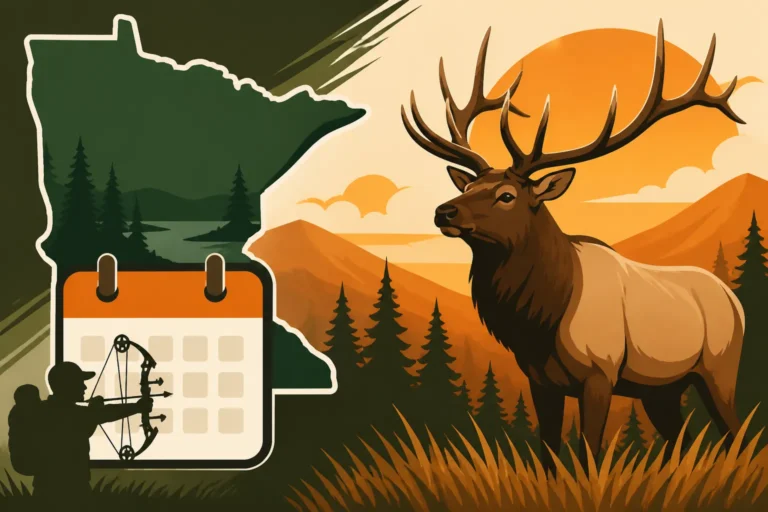
The Minnesota elk application deadline is typically the first Friday in May each year. For example, in 2024, the deadline was May 3rd. While the exact date might shift by a day or two depending on how the calendar falls, that "first Friday in May" window is a solid benchmark you should commit to memory. This is your absolute drop-dead date to submit your application to the Minnesota DNR. It's not a suggestion; it's a hard cutoff. If you're even a minute late, the system won't accept your application, and you'll have to wait until next spring to try again, with no preference point gained for the missed year. Setting multiple reminders on your phone, marking it on a physical calendar, and even telling a hunting buddy to remind you are all excellent strategies to prevent this heartbreak.
The Application Process: Step-by-Step
Applying for your Minnesota elk license is an online process, thankfully. It's handled through the Minnesota DNR's eLicense system, which is also where you'd go for your deer, bear, or small game licenses.
- Log In or Create an Account: First things first, you'll need to log into your DNR eLicense account. If you don't have one, you'll need to create one. This is a pretty straightforward process, but make sure all your personal information is accurate and up-to-date.
- Purchase Your Hunting License: Before you can apply for the elk lottery, you’ll need a valid Minnesota hunting license. You can find detailed information on obtaining one in Minnesota Hunting Licenses and What They Cost. You might want to buy your annual small game or general hunting license at the same time, ensuring you're good to go for the upcoming year. You can complete this step via the eLicense system, which is convenient, as explained in Buying a Minnesota License on eLicense.
- Navigate to the Elk Lottery Application: Once logged in and with a base license, look for the "Lotteries" or "Big Game Applications" section. You'll find the specific application for the "Elk Lottery."
- Select Your Permit Area Preferences: Minnesota manages its elk herds in specific permit areas. Currently, these include the Kittson Central (Zone 1), Kittson Northeast (Zone 2), and Grygla (Zone 3) areas. You'll typically be asked to rank your choices in order of preference. It's crucial to understand these zones before applying, which we'll cover in the next section.
- Confirm and Pay: Review all your selections carefully. Double-check the zones, your personal information, and that you're indeed applying for the elk lottery. There's a small application fee, which you'll pay online with a credit card. Once confirmed, you'll receive a confirmation email. Keep this for your records!
Maximizing Your Chances and Understanding the Draw
While the draw is ultimately a game of chance, there are ways to approach your application strategically and understand what happens once you've submitted your entry into the lottery.
Researching Elk Hunt Zones
Minnesota's elk are managed in three primary hunt zones in the northwestern part of the state: Kittson Central (Zone 1), Kittson Northeast (Zone 2), and Grygla (Zone 3). Each of these zones has different characteristics regarding elk numbers, habitat, and hunter access. For instance, the Kittson herds, covered more extensively in The Kittson and Marshall County Elk Herds, typically hold more animals, but they also often roam across a mix of public and private agricultural land, which can present access challenges if you don't secure permission. The Grygla herd, on the other hand, might be smaller but often provides more public land opportunities in state forests and wildlife management areas.
Before you even think about applying, you should really dig into Minnesota Elk Hunt Zone Boundaries and consider a few things:
- Elk Population Estimates: While all zones have elk, some might have higher concentrations or more consistent activity. The DNR often provides population estimates or harvest data that can give you clues.
- Habitat Types: Are you looking to hunt open prairie, aspen forest, or agricultural edges? Each zone offers a different experience.
- Access: This is huge. How much public land is available? What are the rules for private land access in that specific area? Do you have contacts for private land permission? Some areas might require more legwork to gain access, especially if you're not planning to hire a guide.
- Historical Draw Odds: Again, GoHunt and the DNR's own reports can provide insights into how many points it historically takes to draw in each specific zone. Some zones might be "easier" to draw (requiring fewer points) simply because they issue a few more tags or are less popular due to perceived access issues. However, keep in mind that "easier" in elk terms still means incredibly difficult! This information is critical to understand the larger context of Minnesota Elk Lottery Rules and your chances.
What Happens After You Apply
Once you've submitted your application and paid the fee, the waiting game begins. It's a long period of anticipation, hoping you're one of the incredibly lucky few.
- The Drawing: The Minnesota DNR conducts the elk lottery drawing sometime in late May or early June. This isn't a public event; it's an automated, randomized process that factors in your preference points and zone selections. The entire goal is to fairly distribute the very limited number of tags, as outlined in How Many Minnesota Elk Tags Are Issued.
- Notification: If you're drawn, congratulations! You'll typically receive an email notification from the DNR, and the results will also be posted on the DNR's website. If you're not drawn (which is the far more likely scenario for most applicants), you'll still get a notification, usually confirming that you've earned another preference point for the next year. It's important to check your spam folder around this time, just in case.
- License Purchase: If you are one of the fortunate few to draw a tag, there will be a specific deadline by which you must purchase your elk license. Do NOT miss this second deadline! Drawing the tag is only half the battle; you still need to complete the purchase to validate your hunting opportunity. This deadline is usually a few weeks after the draw results are announced, typically mid-June.
Planning Beyond the Application
Drawing a Minnesota elk tag is monumental, but the application is just the first step. For those who are lucky enough to pull a tag, or even those who just want to be prepared for when their number finally comes up, there's a lot of planning involved.
Preparing for a Once-in-a-Lifetime Opportunity
If you beat the incredible Elk Hunting Odds in Kittson County and draw a tag, the real work begins. This is not a hunt you want to take lightly.
- Physical Conditioning: Elk hunting, even in Minnesota, can be physically demanding. You'll likely be covering a lot of ground, often in challenging terrain or thick cover. Start an exercise regimen well in advance to ensure you're in peak physical condition.
- Scouting: Whether you drew a tag or are just preparing for a future hunt, pre-season scouting is invaluable. Utilize tools like the Minnesota Recreation Compass app or satellite imagery to identify potential elk habitat, travel corridors, and access points. Even if you're years away from drawing, understanding the ground in Scouting Minnesota Public Land Before Season can give you a huge advantage when the time comes. Many hunters use GoHunt to overlay public land, private boundaries, and historical harvest data to pinpoint potential hotspots.
- Gear Check: Your rifle, archery setup, optics, and clothing need to be top-notch and completely reliable. You don't want a gear failure to ruin your one shot at a Minnesota elk. Ensure your rifle is sighted in perfectly, your scope is clear, and you have comfortable, durable boots and layering systems for variable fall weather.
- Professional Guidance: For many, especially those new to elk hunting, hiring a reputable guide service in one of the permit areas can significantly increase your chances of success. They know the land, the elk, and the tactics. This is an investment, but for a "once-in-a-lifetime" tag, it can be well worth it. Remember, this isn't just any hunt; it's Why the Minnesota Elk Tag Is Once in a Lifetime, and you want to make the most of it.
- Logistics: Think about lodging, transportation, and meat care. Elk are large animals, and recovering one requires planning. Do you have a plan for field dressing, quartering, and transporting hundreds of pounds of meat, potentially miles from the nearest road?
Alternative Elk Viewing Opportunities
Even if the elk lottery doesn't go your way, or if hunting isn't your thing, Minnesota still offers incredible opportunities to witness these majestic animals. The DNR and local communities in the elk range have worked hard to create viewing opportunities that allow the public to connect with these incredible creatures without harvesting them. Head to areas around Grygla, Karlstad, and Lancaster in northwestern Minnesota. Early mornings and late evenings are often the best times to spot them, especially during the fall rut when the bulls are bugling. Local events and designated viewing areas can provide fantastic experiences. For more information on where and how to spot these incredible animals, check out Elk Viewing in Northwest Minnesota. It’s a great way to appreciate the successful conservation efforts and simply enjoy nature.
Key Dates for Minnesota Elk Lottery Application
| Action | Typical Timeline | Important Note |
|---|---|---|
| Application Period Opens | Mid-March | Always check the official MN DNR website for exact dates each year. |
| Application Deadline | First Friday in May | This is the critical deadline – do not miss it to earn a point or a tag! |
| Lottery Drawing | Late May / Early June | Results are typically posted online and sent via email. |
| License Purchase Deadline | Mid-June | If drawn, you must purchase your license by this date to validate your tag. |
Disclaimer
Please note that hunting regulations, seasons, and application deadlines are subject to change by the Minnesota Department of Natural Resources (DNR). While we strive to provide the most accurate and up-to-date information, it is always the hunter's responsibility to verify all rules and dates directly with the Minnesota DNR before planning or participating in any hunting activity. This guide is for informational purposes only and should not be considered legal advice.