Hunting the Minnesota Youth Antlerless Weekend
Getting kids into hunting can be one of the most rewarding experiences, but let's be honest, it often comes with its own set of challenges—from keeping them engaged to ensuring their safety and actually finding a deer. It's not just about pulling a trigger; it's about building a foundation of respect for nature and an understanding of ethical hunting. This guide is all about demystifying the Minnesota Youth Antlerless Weekend, giving you the practical strategies, safety considerations, and field tips you need to make it a successful and memorable outing for your young hunter.
Understanding the Minnesota Youth Antlerless Weekend
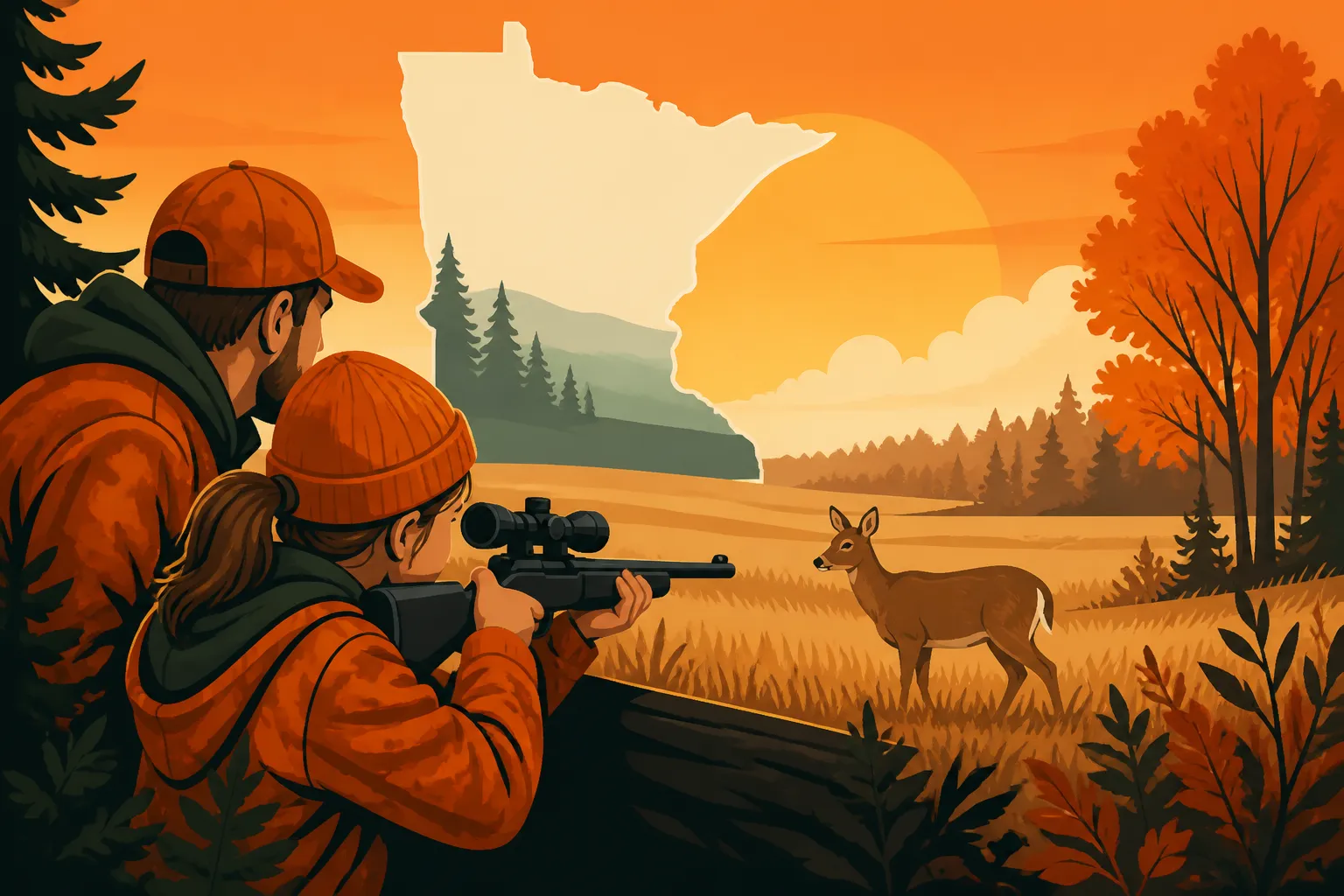
The Minnesota Youth Antlerless Weekend is a special opportunity designed to introduce young hunters to deer hunting in a focused, often less-pressured environment. It's a chance to instill those critical hunting values and skills without the added pressure of buck fever or the regular season's crowds. The DNR really does a great job with these youth seasons, recognizing the importance of getting the next generation involved.
Eligibility and Season Dates
So, who exactly qualifies for this special weekend? Generally, it's open to youth hunters aged 10 to 17. The key here is that they must possess a valid deer license for the current year and have successfully completed their firearms safety certification. This isn't a "freebie" hunt; it’s an extension of their regular licensing, specifically for antlerless deer. This is a crucial distinction that ensures proper training and responsibility are in place before a young hunter steps into the field.
The exact dates for the Minnesota Youth Antlerless Weekend typically fall in mid-October, usually the second or third weekend. It's always a good idea to double-check the Minnesota DNR’s official hunting regulations each year, as dates can shift slightly. You can find these precise dates under Minnesota Youth Antlerless Weekend Dates, which are announced well in advance. Having these dedicated dates allows families to plan specifically for this hunt, often before the general firearm season kicks off, which can be a huge benefit for scheduling.
When it comes to licensing, a youth hunter needs their appropriate deer license for the season. Often, an antlerless permit may also be required, depending on the permit area's designation (e.g., lottery, managed, or intensive). Knowing Minnesota Deer Seasons and Permit Areas and your specific area's rules is paramount. Always ensure you understand your Minnesota Youth Deer Season Rules thoroughly before heading out, as regulations can vary slightly by zone and year.
Why an Antlerless Weekend?
You might wonder why the DNR designates a specific antlerless weekend for youth. It’s a multi-faceted approach aimed at both herd management and hunter recruitment. From a management perspective, targeting antlerless deer helps balance the deer population, contributing to healthier herds and mitigating issues like crop damage or deer-vehicle collisions. This is especially true in areas designated as intensive or managed permit areas, where the goal is often to reduce the overall deer numbers.
For the youth hunter, this weekend serves as an incredible introduction to the sport. By focusing on antlerless deer, the emphasis shifts from trophy hunting to a more fundamental understanding of wildlife management and the simple joy of a successful harvest. It removes the "buck or bust" pressure that can sometimes overwhelm new hunters, allowing them to concentrate on shot placement, field craft, and the overall experience. It's a fantastic way to build confidence and develop foundational skills in a controlled, supportive environment.
Beyond the practical aspects, it fosters crucial mentorship. The rules often require an adult mentor to accompany the youth, reinforcing Minnesota Hunter Safety Requirements and providing a hands-on learning opportunity. This shared experience is invaluable, creating lasting memories and solidifying the bond between the mentor and the young hunter. It’s not just about taking a deer; it’s about sharing knowledge, patience, and the profound connection to the outdoors.
Strategies for a Successful Youth Hunt
Success on the Minnesota Youth Antlerless Weekend isn't just about harvesting a deer; it's about creating a positive and educational experience for the young hunter. Thoughtful planning, scouting, and employing effective tactics tailored for youth can make all the difference. Remember, the goal is often more about the journey and the lessons learned than just the outcome.
Scouting and Location Selection
Before you even think about setting up a stand, a good scouting trip with your young hunter is essential. This helps them understand deer behavior and gives them a stake in the hunting process. Focus on areas known for deer activity. Deer are creatures of habit, often frequenting reliable food sources like acorn flats, standing cornfields, or soybean fields. Look for fresh tracks, droppings, and browse lines that indicate recent feeding. These areas are prime spots for antlerless deer, especially in mid-October when the rut hasn't fully kicked in, and food is still a primary driver for their movement.
Cover and bedding areas are equally important. Think about thickets, dense conifer stands, or cattail sloughs where deer might bed down for safety. Identifying funnels between these bedding and feeding areas can be incredibly productive. Tools like GoHunt can be invaluable here. Its mapping features allow you to pinpoint property boundaries, identify potential bedding cover on public land, and even help you understand topographical features that might dictate deer travel routes. Using a satellite imagery tool like GoHunt with your young hunter can be a great way to teach them to "read" the landscape from above, pointing out potential pinch points or sheltered travel corridors.
Don't forget to consider hunting pressure. While the youth antlerless weekend might see fewer hunters than the regular season, popular public land spots can still get busy. Using GoHunt to identify more remote areas or corners of public land that might be overlooked can increase your chances. Sometimes, just walking an extra half-mile from a road can put you into deer. Scouting also teaches patience and observation, crucial skills for any hunter, young or old. For deeper insights on finding good spots, check out Scouting Minnesota Public Land Before Season.
Effective Hunting Tactics
Once you’ve done your scouting, it’s time to choose your hunting strategy. For youth hunters, a stationary approach often works best, prioritizing comfort and minimizing movement. Ground blinds are fantastic for this, offering warmth, concealment, and the ability for a young hunter to move around a bit without spooking deer. It’s a controlled environment where you can whisper instructions, offer encouragement, and manage potential jitters. Learning to use a ground blind effectively is covered in detail in Using a Ground Blind on Minnesota Public Land.
If you're using a treestand, safety is paramount. Make sure the stand is properly secured, and both you and your young hunter are wearing safety harnesses connected at all times. Explain the importance of three points of contact when climbing and ensure the stand is comfortable enough for a potentially long sit. Setting up on a travel corridor between bedding and food, especially near a field edge or a natural funnel, can be highly effective. For more on stand setups, consider reading Treestand Setups in Minnesota Hardwoods.
Patience is a virtue in deer hunting, and this is where mentorship truly shines. Explain to your young hunter that deer can appear at any moment and that quiet observation is key. Encourage them to watch the squirrels, listen to the birds, and soak in the natural world around them. This not only keeps them engaged but also builds their awareness. If the deer aren't moving, a slow, methodical still-hunt, moving into the wind through a promising area, can sometimes pay off, but only if the young hunter can manage the quiet movement required. Deer drives can also be an option on public land with a few more hunters, as explored in Deer Drives With Three or Four Hunters, but again, always prioritize safety and clear communication.
Essential Gear and Safety Considerations
A successful and positive youth hunting experience hinges on having the right gear and, more importantly, an unwavering commitment to safety. You want your young hunter to be comfortable, confident, and above all, safe. It's our responsibility as mentors to ensure every precaution is taken.
Appropriate Gear for Young Hunters
The right firearm is absolutely critical for a young hunter. Recoil management is a huge factor in preventing flinching and building confidence. Consider a lighter-recoiling caliber like a .243, 6.5 Grendel, or even a .30-30 for deer. Many companies now make youth models with shorter stocks and lighter weights, which significantly improve fit and handling. A well-fitting rifle allows for proper sight alignment and a stable shooting position. For those in the few remaining shotgun-only counties, a 20-gauge slug gun with reduced recoil loads is often a good choice.
Here’s a quick table of common youth-friendly firearm choices:
| Firearm Type | Caliber/Gauge | Key Benefit | Considerations |
|---|---|---|---|
| Rifle | .243 Winchester | Low Recoil, Accurate | Good for open fields and longer shots, readily available ammo |
| Rifle | 6.5 Grendel | Moderate Recoil, Good Ballistics | Excellent for deer, slightly less common ammo |
| Rifle | .30-30 Win | Classic Lever-Action | Moderate recoil, great for dense woods, shorter ranges |
| Shotgun | 20 Gauge Slug | Lower Recoil than 12ga | Mandatory in shotgun-only zones, effective at closer ranges |
| Crossbow | Various | Easy to Cock/Shoot | Archery season equivalent, requires practice for accuracy |
Beyond the weapon, proper clothing is essential. Minnesota weather in October can be incredibly unpredictable, swinging from mild to downright cold, sometimes with rain or even early snow. Layering is key: a moisture-wicking base layer, an insulating mid-layer (fleece or down), and a waterproof/windproof outer shell. And, of course, Minnesota Blaze Orange Requirements are non-negotiable for firearm seasons. Ensure both the youth and mentor are highly visible, wearing at least a blaze orange cap and outer garment.
Don't forget the small essentials: comfortable, waterproof boots (nothing ruins a hunt faster than cold, wet feet), warm gloves or mittens, a good quality backpack with snacks, water, a first-aid kit, and a headlamp for walking out after dark. For a beginner, a small, quiet stool for ground blind hunting can also boost comfort significantly. A sturdy pair of binoculars is also a great teaching tool, allowing them to spot deer or other wildlife without having to raise their weapon.
Prioritizing Safety in the Field
Safety is the absolute foundation of any hunting trip, especially when guiding a young hunter. Start with the cardinal rules of firearm safety: ALWAYS treat every firearm as if it's loaded, ALWAYS point the muzzle in a safe direction, ALWAYS be sure of your target and what is beyond it, and ALWAYS keep your finger off the trigger until you are ready to shoot. These aren't suggestions; they are mandates that must be drilled into both the youth and the mentor.
The mentor's role is critical. You are responsible for ensuring your young hunter adheres to every safety rule, from the moment you leave the vehicle until you return. This includes constant supervision, especially with the firearm. Many mentors choose to carry the firearm until the young hunter is settled in the stand or blind and a shooting opportunity arises. This mitigates accidental discharges while walking.
If you are hunting from a treestand, review treestand safety protocols before leaving the ground. Both hunter and mentor should wear a full-body harness, and be tethered to the tree at all times when off the ground. No shot is worth a fall. Furthermore, always have a communication plan in place. Even if you're hunting together, let someone know where you'll be and when you expect to return. Carry a fully charged cell phone (though service can be spotty in some remote areas) or a two-way radio. These comprehensive Minnesota Hunter Safety Requirements are in place for a reason, and following them ensures everyone comes home safely.
Field Care and Post-Hunt Procedures
The hunt doesn't end when the shot is fired. For a young hunter, learning the responsibilities that follow a harvest is just as important as the hunt itself. From ethical recovery to proper meat care and registration, these steps reinforce respect for the animal and the hunting tradition.
Field Dressing and Recovery
After a successful shot, the first step is to practice patience. Depending on the shot, waiting 15-30 minutes before tracking is often advisable for antlerless deer, especially if you didn't see the deer drop. This gives the animal time to expire quietly, minimizing the chance of bumping it and making recovery more difficult. When you do approach, do so cautiously, observing the deer from a distance to ensure it's expired.
Field dressing, while sometimes a messy task, is an essential part of the process. It's a prime opportunity to teach your young hunter about the anatomy of the animal and the importance of properly caring for the meat. Walk them through each step, explaining why you're doing it. The goal is to remove the entrails quickly to allow the carcass to cool, which is vital for meat quality, especially if the weather is mild. For a detailed guide on this crucial step, refer to Field Dressing a Deer in Cold Weather, which also offers insights applicable to milder temperatures.
Once the deer is field-dressed, the next challenge is recovery. Dragging a deer, even an antlerless one, can be strenuous, especially for a young hunter. Consider bringing a deer cart or a sled if snow is on the ground. These tools can make the process much easier and more enjoyable. If you're on public land, especially in areas like those in Hunting Minnesota Cattail Sloughs for Deer, a strong rope or drag harness is indispensable. Involve your young hunter in this process as much as they are able, teaching them the effort involved in bringing game from the field to the table. This hands-on experience deepens their appreciation for the entire hunting cycle.
Registration and Meat Processing
In Minnesota, once you've recovered your deer, you have a legal obligation to register it. This can often be done online or via phone, but some permit areas may still require physical registration at a station. This is a critical step for the DNR to gather data on deer harvests, which directly informs future management decisions. Teaching your young hunter how to Registering a Minnesota Deer Online or at a check station connects them to the broader conservation effort. Ensure you complete this process within the timeframe specified by the DNR (usually within 24 or 48 hours, but always check current regulations).
After registration, the focus shifts to meat processing. Depending on your preference and skill, you might take the deer to a professional processor or butcher it yourself at home. If you process it at home, teaching your young hunter the various cuts of meat and how to properly package and freeze it is another valuable lesson. This reinforces the idea that hunting is not just for sport, but primarily for sustenance, honoring the animal through its careful preparation and consumption. It's a powerful way to complete the circle, from field to plate, providing wholesome, organic protein for your family. This entire process, from ethical shot to properly stored meat, is what truly defines a responsible hunter.
Disclaimer
Please remember that hunting regulations, season dates, and permit area rules can change from year to year. Always consult the official Minnesota Department of Natural Resources (DNR) website or the current year's hunting regulations booklet before planning any hunting trip. This guide is for informational purposes only and should not be considered a substitute for official DNR publications or hunter education.