Minnesota Youth Deer Season Rules
It can feel overwhelming to navigate the ever-changing landscape of hunting regulations, especially when you're trying to introduce a young person to the passion of deer hunting. So many questions pop up: what are the age limits, what licenses do they need, and when can they actually hunt? This comprehensive guide is here to break down the Minnesota Youth Deer Season rules, making it easier for mentors and young hunters alike to understand the opportunities and requirements for a successful and legal hunt.
Understanding the Minnesota Youth Deer Season Opportunity
Bringing new hunters into the fold is vital for the future of our outdoor traditions here in Minnesota. The state has put a lot of thought into making it as accessible and enjoyable as possible for young people, and the dedicated youth deer season is a shining example of that commitment. It’s not just about getting a tag in hand; it’s about fostering a love for the outdoors, teaching responsibility, and creating memories that will last a lifetime.
Why a Dedicated Youth Season Exists
The primary driver behind establishing a special youth deer season in Minnesota, and in many other states, is hunter recruitment and retention. We’re facing a future where fewer people are hunting, and programs like this are designed to reverse that trend. By offering a dedicated season, typically with less pressure and often more lenient bag limits, it creates an ideal, less intimidating environment for kids to learn. Imagine being a brand-new hunter in the chaos of a regular firearms opener – it can be a lot. The youth season aims to strip away some of that intensity, allowing kids to focus on the basics of hunting without feeling rushed or overwhelmed by crowded public land. It also helps instill a sense of ownership and importance for the young hunter, knowing this special time is set aside just for them.
Beyond recruitment, safety is a huge factor. These seasons are often designed to take place before the general firearms season, meaning fewer hunters are in the woods simultaneously. This can lead to a calmer, more controlled environment, which is perfect for teaching safe firearm handling, shot placement, and ethical hunting practices without the added stress of competing with many other hunters. It’s a chance for mentors to really connect and educate, rather than just focusing on the kill.
The Core Benefits for Young Hunters
For a young hunter, the dedicated youth season offers a treasure trove of benefits that go far beyond just pulling a trigger. First and foremost, it's an incredible opportunity for skill building. Learning to read deer sign, understand wind direction, walk quietly through the woods, and make ethical shot decisions takes time and practice. Having a special season where the pressure is lower means more opportunities for hands-on learning without the rush. They can truly focus on the process, ask questions, and refine their techniques. This early success or even just early, positive experiences, can ignite a lifelong passion for hunting.
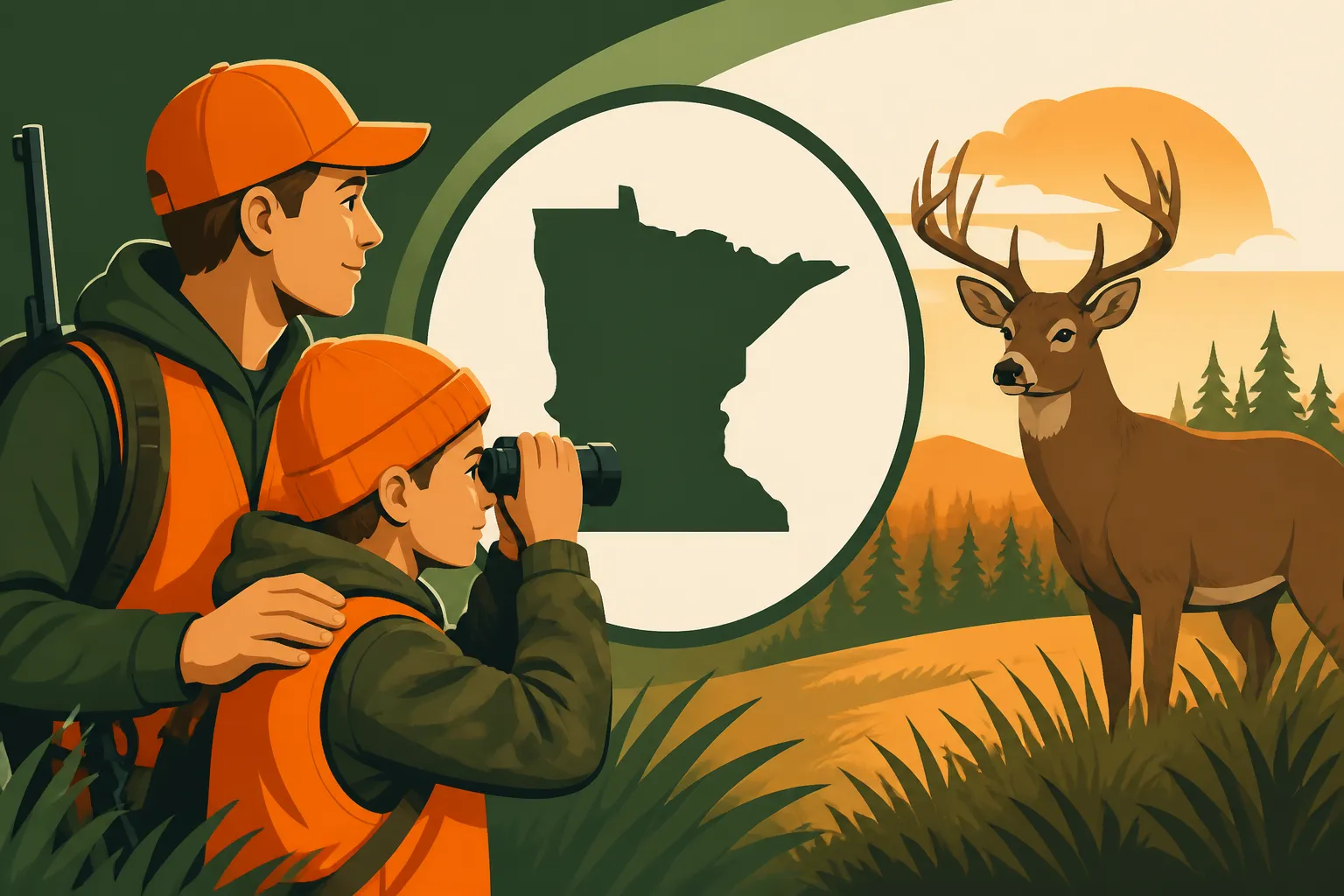
Secondly, and arguably most importantly, it's about family time and mentorship. Hunting is a tradition often passed down through generations. This season provides a focused window for parents, grandparents, or other trusted adults to spend quality time with their young charges, away from the distractions of daily life. It’s a chance to bond, share stories, teach patience, and connect with nature on a deeper level. These are the memories that truly stick, long after the deer meat is gone. The Minnesota DNR and organizations like GoHunt recognize the critical role mentors play, and this season underscores that relationship. It’s about building character, resilience, and a profound respect for wildlife, all while enjoying the beautiful Minnesota outdoors.
Eligibility and General Requirements for Youth Hunters
Before any young hunter can head into the woods for the Minnesota Youth Deer Season, there are some clear eligibility and licensing requirements that need to be met. It's not just about having a desire to hunt; it's about proving readiness and understanding the responsibilities that come with it. Getting these foundational steps right ensures a safe, legal, and enjoyable experience for everyone involved.
Age Restrictions and Hunter Safety
Minnesota has specific age parameters for its youth deer seasons. Generally, for the main youth early antlerless season, a hunter must be 10 years old by the opening day of the season. The maximum age for this specific opportunity is typically 17 years old. It’s a dedicated window for those younger hunters still learning the ropes, giving them a special chance before they transition into the full adult seasons. Always double-check the most current regulations as dates and age specifics can occasionally shift slightly year to year.
A critical requirement for any young hunter is completing a state-certified firearms safety course. This isn't just a suggestion; it's mandatory. This course teaches vital skills like safe firearm handling, proper shooting techniques, wildlife identification, conservation ethics, and basic hunting laws. There are various options for completing this, including traditional classroom courses, online components followed by a field day, or even specific youth-only programs. You can find more details on Minnesota Hunter Safety Requirements directly from the DNR. For those younger hunters who haven't yet completed the firearms safety training, Minnesota offers a fantastic "Apprentice Hunter Validation" program, which falls under the broader Minnesota Mentored Youth Hunting Rules. This program allows an unlicensed resident or non-resident 10 years of age or older (and under 16 for firearms, or under 18 for archery) to hunt small game, deer, or bear while accompanied by a licensed, experienced adult mentor. This is a great way for kids to try hunting before committing to the full hunter safety course.
License and Permit Specifics for Youth
Understanding the licenses and permits required for the youth deer season is paramount. Unlike adult hunters who might need various licenses depending on their weapon choice or residency, the youth system is designed to be a bit more streamlined, though not without its own specific needs. For resident youth hunters, the license fees are significantly reduced, often just a nominal fee, which is a great incentive. You'll typically need to purchase a general deer license, which may sometimes be combined with an antlerless tag specifically for the youth season. Information on Minnesota Resident Hunting License Options can provide a broader view, but for youth, it’s usually quite straightforward. Non-resident youth also have options, though their license fees will be higher.
One key aspect of the youth early antlerless season is the "antlerless" part. This means the youth hunter is primarily targeting a doe. In many permit areas, youth hunters are eligible for an antlerless tag that doesn't count against a limited lottery. This means if an adult hunter needs to apply for a lottery tag and might not get one, a youth hunter can often secure an antlerless tag directly. This reduces the pressure and increases the chances of success, which is a huge motivator for new hunters. It’s important to note that the specific permit area they are hunting in will dictate the exact rules for antlerless deer. Some areas are "hunter choice," meaning any deer is legal, while others are "lottery" or "managed," requiring specific permits. Make sure to consult the current hunting regulations for the specific permit area your youth hunter intends to hunt. Applying early or understanding how to purchase these licenses can be crucial, and using tools like GoHunt can help you stay organized and on top of deadlines.
| Requirement | Description |
|---|---|
| Age | Generally 10-17 years old. Must be 10 by season opener. |
| Hunter Safety | Required, or participation in the Mentored Youth Hunting Program with an eligible adult. |
| License | Youth Deer License (resident/non-resident). Often includes an antlerless tag specific to the youth season. |
| Weapon | Legal firearms (rifle, shotgun slug, muzzleloader), or archery equipment (vertical bow, crossbow). Check specific season rules. |
| Mentor Req. | For apprentice hunters (no hunter safety), a licensed adult mentor (21+) must accompany and remain within immediate control and sight. For certified youth, a mentor is still highly recommended. |
| Bag Limit | Typically one deer, which must be antlerless during the special youth season. Regular season rules apply if they hunt outside this specific period. |
Navigating the Youth Early Antlerless Season
The "Youth Early Antlerless Season" in Minnesota is a specific and unique opportunity designed to give young hunters a distinct advantage. It's not just a free-for-all; it operates under its own set of dates, locations, and rules, all designed to maximize the learning and success potential for kids while managing the deer population responsibly. Understanding these nuances is key to planning a successful hunt.
Dates and Geographic Scope
The most significant aspect of the Youth Early Antlerless Season is its timing. It typically occurs in mid-October, specifically the Thursday preceding the regular statewide firearms deer season opener through the Sunday of that same weekend. This strategic timing places it before the hustle and bustle of the general firearm season, meaning fewer hunters in the woods and often more relaxed deer behavior. For current, precise dates, you'll want to check the most recent Minnesota DNR hunting regulations or look up Minnesota Youth Antlerless Weekend Dates. It’s a short, concentrated window, so planning ahead is crucial.
While called "statewide" in spirit, the season’s geographic scope for actual hunting can vary by deer permit area. Most deer permit areas in Minnesota are open to the youth early antlerless season, but there might be exceptions or specific rules for certain areas, particularly those with very low deer densities or special management needs. The term "early antlerless" means that during this specific season, youth hunters are generally restricted to harvesting only antlerless deer. This is a population management tool, encouraging the harvest of does to help balance herd numbers, while also providing a simpler target for new hunters without the added pressure of finding a buck. Always verify your specific permit area's status before heading out. Using mapping tools or services like GoHunt can help confirm which areas are open and what the local regulations are.
Legal Hunting Methods and Bag Limits
During the Minnesota Youth Early Antlerless Season, young hunters have several options for legal hunting methods, which adds flexibility depending on their comfort level and the equipment available. They can typically use firearms, including centerfire rifles (now legal statewide, as discussed in Minnesota's New Statewide Rifle Rules), shotguns loaded with slugs, or muzzleloaders. Archery equipment, including traditional bows, compound bows, and crossbows, is also a legal method. This flexibility allows mentors to choose the safest and most appropriate weapon for the young hunter's skill level and confidence. It's crucial that whatever weapon is chosen, the youth is proficient and has practiced extensively before the season. Safe handling and a clear understanding of shot placement are non-negotiable.
When it comes to bag limits, during the Youth Early Antlerless Season, the limit is typically one deer, and that deer must be antlerless. This specific restriction reinforces the conservation goals of the season. If a youth hunter tags an antlerless deer during this special season, that fills their antlerless deer tag. However, this doesn't necessarily prevent them from hunting again during a later regular firearms or archery season, provided they have additional valid tags and follow those specific season rules. For instance, if they have a bonus tag for an intensive harvest zone or are hunting in a hunter-choice area during the regular season, they may be able to harvest another deer. It’s always best to thoroughly review the current year's regulations on Minnesota Deer Seasons and Permit Areas to understand how tags and bag limits interact across different seasons. Remember, the focus of this particular youth season is on that initial, positive experience of harvesting an antlerless deer.
Important Considerations for Mentors and Parents
Being a mentor or parent to a young hunter is an immense responsibility, but also an incredible privilege. Your role goes far beyond just providing transportation or pointing out a deer. You are the guide, the teacher, and the safety officer, all rolled into one. The success of the youth hunting experience, both in terms of harvest and, more importantly, in terms of learning and enjoyment, rests heavily on your shoulders.
Mentor Responsibilities and Guidelines
For any youth participating in Minnesota’s hunting seasons, particularly if they are under the age where they have completed their firearms safety certification and are participating under the apprentice hunter validation, the mentor's role is strictly defined. The accompanying adult mentor must be at least 21 years old and possess a valid Minnesota hunting license (for any game, not necessarily deer, but a deer license is always good to have). Critically, the mentor must remain within "immediate control and visual sight" of the youth hunter at all times while hunting. This isn't just about being in the same general area; it means being close enough to provide direct supervision, instruction, and intervene if necessary. For specific details, refer to the Minnesota Mentored Youth Hunting Rules.
Beyond the legal requirements, a good mentor takes on much more. You are responsible for instilling ethical hunting practices, teaching respect for wildlife and the land, and prioritizing safety above all else. This includes ensuring the youth understands safe firearm handling, identifying target and background, knowing their effective range, and making a clean, ethical shot. It also means preparing them for the possibility of tracking a deer and participating in the field dressing process. Encouragement and patience are paramount. A missed shot or a quiet day in the woods should be a learning opportunity, not a source of frustration. Your attitude and approach will shape their entire perception of hunting, so make it positive and supportive.
Planning for a Successful Youth Hunt
Successful youth hunts don't just happen by accident; they're the result of thoughtful planning and preparation. Start by scouting ahead of time, if possible. Knowing the area, understanding deer movement, and identifying potential stand locations can significantly increase the chances of a deer sighting. Remember, the youth season is antlerless-only, so focusing on food sources where does gather can be more productive than looking for traditional buck sign. Tools like the Minnesota Recreation Compass App or GoHunt’s mapping features can be invaluable for identifying public land access points and scouting likely deer habitat. You can also explore strategies like Scouting Minnesota Public Land Before Season to gain an edge.
Gear selection is another crucial component. Ensure the youth hunter has appropriate clothing for Minnesota's often chilly October weather, dressing in layers for comfort and safety. Proper blaze orange is mandatory for firearm hunters; review Minnesota Blaze Orange Requirements to be sure. Their firearm or bow should be sized appropriately for them, not just "what you have." A lighter recoil rifle or a youth-sized bow can make a huge difference in their confidence and accuracy. Don't forget essentials like a first-aid kit, water, snacks, and a reliable compass or GPS. Most importantly, focus on the overall experience. Make it fun! Celebrate the small victories, like spotting a squirrel or identifying a bird. Even if no deer is harvested, a day spent in the woods learning and bonding is a wildly successful hunt in itself. Perhaps plan to share stories of Minnesota Deer Camp Traditions to keep the spirit alive.
Post-Harvest: Registration and CWD Rules
Harvesting a deer is an exciting moment for any hunter, especially a young one. But the process doesn't end when the shot is fired. There are crucial steps that follow, designed to ensure proper record-keeping and to protect the health of Minnesota's deer herd. Navigating these post-harvest rules is just as important as understanding the hunting regulations themselves.
Registering a Youth-Harvested Deer
In Minnesota, every deer harvested must be registered. This is a critical step for the DNR to gather data on deer populations, harvest success rates, and other important management information. For a deer taken during the Youth Early Antlerless Season, the process is the same as for any other deer. The most common and convenient method is online registration. You’ll need specific information about the hunt, such as the permit area, date of harvest, and type of deer. The online system is usually pretty user-friendly, guiding you through the necessary fields. Alternatively, you can register by phone.
It's vital to complete the registration promptly. There's usually a deadline, typically within 48 hours of harvest and before processing the deer or leaving the state. Failing to register a deer is a violation, so make sure this step is not overlooked in the excitement of a successful hunt. The DNR provides detailed instructions on Minnesota Deer Registration Rules, which should be your go-to reference. After successful registration, you'll receive a confirmation number, which you should keep with the deer until it's fully processed. This acts as proof that your harvest is legal and properly reported.
CWD Testing and Carcass Movement
Chronic Wasting Disease (CWD) is a serious concern for Minnesota’s deer herd, and the DNR has implemented strict rules to monitor and prevent its spread. If your youth hunter harvests a deer in a designated CWD management or surveillance zone, mandatory CWD testing may be required. These zones are typically found in parts of southeast Minnesota or areas where CWD has been detected. The DNR operates CWD sampling stations in these areas during the firearms seasons, where you can bring the deer's head for testing. It’s important to know which CWD Management Zones in Minnesota you are hunting in before you go, as rules can change.
Beyond testing, there are also carcass movement restrictions, especially when hunting in a CWD-affected area. These rules are in place to prevent the physical spread of the disease through infected carcass parts. Generally, you cannot move whole deer carcasses out of a CWD zone. The spinal column, brain, and other high-risk parts must remain within the zone. You can usually transport deboned meat, antlers, hides, and cleaned skull plates, but always verify the most current regulations. Preparing the carcass for movement means knowing these rules ahead of time. This responsibility falls on the mentor and hunter to ensure compliance, helping to protect Minnesota's healthy deer population for future generations.
Maximizing the Youth Hunting Experience Beyond Deer Season
While the Minnesota Youth Deer Season is an incredible gateway, introducing a young person to hunting is about much more than just a single weekend in the deer woods. It's about nurturing a broader appreciation for conservation, the outdoors, and responsible recreation. Encouraging participation in other hunting opportunities and connecting them with resources can build a lifelong passion.
Exploring Other Youth Hunting Opportunities
Minnesota offers a fantastic array of youth-specific seasons and opportunities beyond deer, which are perfect for continuing to build skills and create varied experiences. For instance, there's a dedicated youth waterfowl hunting season, often preceding the regular duck opener. This allows young waterfowlers to experience the thrill of a morning in the marsh with less competition and often better chances for success, making it an excellent intro to Minnesota Waterfowl Zones and Seasons. Similarly, youth can often participate in early turkey seasons or even a special youth-only fall turkey hunt. Learning to call in a gobbler in the spring or breaking up a flock in the fall offers a completely different kind of challenge and excitement from deer hunting. You can find more information about these kinds of specific youth opportunities by researching Spring Turkey Hunting in Minnesota or the broader Minnesota Small Game and Upland Bird Seasons.
These diverse opportunities help kids develop a wider range of hunting skills, from wing shooting and calling to camouflage and stealth. It also exposes them to different habitats and game species, broadening their understanding of ecosystems and wildlife management. Consider trying a rabbit hunt in the snow, or chasing squirrels through the hardwoods. Each species offers unique challenges and learning moments that contribute to a well-rounded hunter.
Resources for Young Hunters and Families
Minnesota is rich with resources designed to support young hunters and their families. The Minnesota Department of Natural Resources (DNR) is a primary source for educational materials, hunter safety courses, and updated regulations. They frequently offer youth-specific programs, clinics, and workshops focusing on various hunting disciplines, from archery to firearm skills and even wildlife identification. Keeping an eye on the DNR's website and local office announcements is always a good idea.
Beyond the DNR, several non-profit organizations are dedicated to youth outdoors education and hunting. Groups like the National Wild Turkey Federation (NWTF), Ducks Unlimited (DU), Pheasants Forever (PF), and even national organizations like GoHunt often have local chapters that host youth events, provide scholarships for hunter safety, or offer mentorship programs. These organizations not only teach hunting skills but also instill a deep appreciation for conservation and land stewardship, which is the true heart of hunting. Getting involved with a local chapter can introduce young hunters to a community of like-minded individuals, fostering friendships and mentorships that can last a lifetime. Don't be afraid to seek out these communities; they're passionate about passing on these traditions and are often looking for eager young participants.
Disclaimer
The information provided in this guide is intended for general informational purposes only and does not constitute legal advice. Hunting regulations in Minnesota can be complex and are subject to change annually. Always consult the official Minnesota Department of Natural Resources (DNR) regulations and proclamations for the current hunting season before participating in any hunting activity. Failure to comply with all applicable laws and regulations may result in penalties.