Hunting the Chippewa National Forest for Deer
Hunting the vast expanse of the Chippewa National Forest for deer can feel like searching for a needle in a haystack – it's an incredible resource, but its sheer size and diverse terrain can be downright intimidating for even seasoned hunters. Many of us arrive full of hope, only to find ourselves wandering through endless trees, wondering where the deer actually are. This guide is all about cutting through that overwhelm, helping you understand the unique challenges and opportunities of hunting the Chippewa, and arming you with practical strategies to find success in this magnificent northern Minnesota wilderness.
Understanding the Landscape of the Chippewa National Forest
The Chippewa National Forest, sprawling across north-central Minnesota, isn't just a big woods; it's a dynamic ecosystem that demands respect and a strategic approach from any deer hunter. It's not like hunting small woodlots or defined farmland edges. Here, the landscape itself is a character in your hunting story, and understanding it is the first step to filling your tag.
Vastness and Diverse Habitat
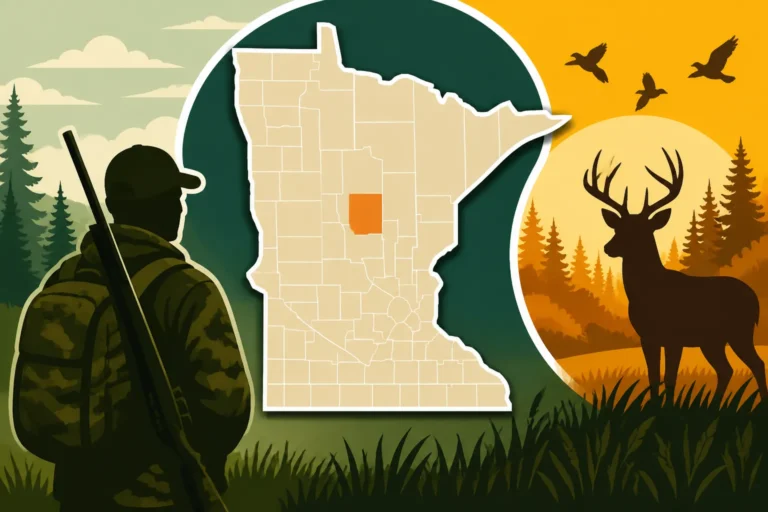
When you look at a map of the Chippewa, the first thing that hits you is its sheer size. We're talking about over 660,000 acres, with a significant portion of that being huntable public land. This isn't one monolithic forest; it's a patchwork quilt of different habitat types, each playing a critical role in how deer live and move. You'll find towering stands of mature pine, dense thickets of young aspen and birch, sprawling cedar swamps, and mixed hardwoods. This variety means deer aren't concentrated in one specific type of cover; they utilize all of it, often moving between these distinct zones for food, cover, and breeding.
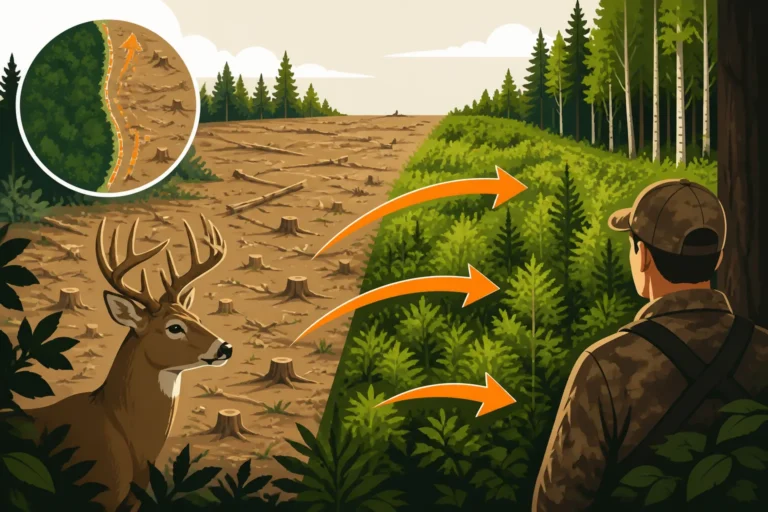
Think about the cycles of the forest: a clear-cut from five or ten years ago might be a deer magnet now, providing browse and thick security cover, while mature pine stands offer thermal protection during brutal cold snaps. The interconnectedness of lakes, rivers, and wetland areas also creates natural travel corridors and bottlenecks that deer habitually use. A deer might bed down in a thick conifer swamp during the day, then emerge in the evening to browse a nearby aspen regeneration cut, or even slip silently along a hardwood ridge where acorn crops are available. Understanding these transitions, where one habitat type bleeds into another, is crucial. These edges are often where deer movement is highest, offering prime ambush points if you can read the terrain.
Access Points and Navigational Challenges
The Chippewa National Forest is crisscrossed by an extensive network of gravel roads, old logging trails, and even some paved routes. On one hand, this is fantastic, as it provides access to vast tracts of land that might otherwise be impenetrable. On the other hand, easy access often means more hunting pressure, especially near main roads and popular parking areas. Hunters can easily drive deep into the forest, which can push deer into more secluded, harder-to-reach pockets.
Navigating this labyrinth of roads and trails can be a challenge. It's easy to get turned around, especially when you leave the main arteries and dive into the less-traveled logging spurs or walk-in trails. Relying solely on older paper maps can sometimes lead to frustration, as forest roads change, grow over, or are seasonally closed. This is where modern navigational tools become invaluable. Apps like onX Hunt provide detailed satellite imagery, property boundaries, and forest road overlays that are constantly updated. They can literally be the difference between confidently exploring new territory and feeling lost after a long walk in. Always remember that cell service can be spotty to non-existent in many parts of the Chippewa, so having downloaded maps for offline use on your device is an absolute necessity, or carrying a good old-fashioned compass and paper map as a backup.
Scouting and Strategy for Chippewa Deer
Success in the Chippewa National Forest doesn't just happen; it's the result of diligent scouting, both from your armchair and with boots on the ground. You need to combine modern technology with traditional woodsman skills to unravel the deer's movements in such a vast environment.
Pre-Season Digital and On-the-Ground Scouting
Before you even step foot in the woods, spend some serious time with satellite imagery and mapping applications. This is your virtual reconnaissance mission. Look for specific features that suggest deer activity: dense thickets and conifer swamps that offer bedding cover, recent clear-cuts or young aspen stands that provide browse, and natural funnels like narrow strips of timber between two swamps or along a creek. Focus on the edges of different habitat types, as deer often travel along these transition zones. Identifying areas with limited road access, perhaps requiring a longer walk, can often lead you to less pressured deer. Think about how a deer might move from a bedding area to a feeding area, and use the contours of the land, water features, and timber types to predict those travel corridors.
Once you've identified a few promising spots digitally, it's time to hit the ground. Even a quick hike through an area in the off-season can provide invaluable insights. Look for old deer sign, rub lines, scrape areas, and well-used trails. Pay attention to natural pinch points or terrain features that would funnel deer movement, like a narrow ridge line overlooking a bog. Confirm that the habitat you saw on the map is actually what's on the ground. A stand of mature timber might look sparse from the air, but on the ground, it could be incredibly dense with undergrowth, offering perfect cover. Consider looking up resources from organizations like GoHunt for general information about game trends in the region, which can sometimes provide a broader context to your specific area scouting. Remember, deer patterns can shift, but foundational landscape features often dictate movement year after year. For more on finding these vital clues, check out Finding Sign in Minnesota Big Woods.
Identifying Key Deer Sign and Funnels
When you are on the ground, whether pre-season or during the hunt, become a detective for deer sign. Fresh tracks in mud or soft earth are obvious indicators, but don't overlook rub lines and scrape lines. Rubs, especially fresh ones on smaller saplings, tell you a buck is in the area and potentially working a travel route. Scrapes, particularly larger ones under overhanging branches, are communication hubs for deer. They're telling you that deer are actively using this spot. The more fresh sign you find, the more confident you can be that deer are consistently in the area.
Beyond individual sign, you need to think about how these pieces fit into a larger puzzle. Deer, like all animals, are creatures of efficiency and safety. They will use natural funnels to move through the landscape. These could be subtle elevation changes, the edge of a large marsh, a narrow strip of hardwoods between two clearings, or even a line of thick cover along an old logging road. Imagine yourself as a deer trying to get from point A to point B, seeking the path of least resistance while remaining hidden. These funnels become prime locations for stand placement or for still-hunting. For example, a small rise in elevation that offers a drier route through a generally swampy area will almost certainly see deer traffic. Understanding Wind and Thermals on a Minnesota Ridge can also significantly enhance your ability to predict deer movement through these funnels.
Hunting Tactics Tailored for the Chippewa
Given the unique characteristics of the Chippewa National Forest, a one-size-fits-all hunting approach simply won't cut it. You need to adapt your methods to the terrain, the deer, and the potential for other hunters.
Still-Hunting and Stand Placement
In the vastness of the Chippewa, still-hunting can be incredibly effective, especially if you enjoy covering ground and reading subtle clues as you go. This isn't about crashing through the woods; it's about slow, deliberate movement, pausing frequently to scan and listen. The rhythm is key: take a few steps, then stop for a minute or two, observing everything around you. Use binoculars to pick apart thick cover before you enter it. Focus on moving into the wind or crosswind, especially when approaching areas where deer might be bedded. This method allows you to adapt to fresh sign you discover and to cover a lot of diverse terrain in a single hunt. For a deeper dive into this, consider Still-Hunting Minnesota Big Woods.
If stand hunting is more your style, strategic placement is paramount. Look for those natural funnels you identified during scouting, particularly transition zones between bedding and feeding areas. Consider placing stands near the edges of clear-cuts, where young aspen provides abundant browse, or along ridge lines that offer commanding views. Old logging roads, if not too heavily used by other hunters, can also be excellent linear travel corridors. Remember that during the rut, bucks will be covering a lot of ground, often checking traditional scrape lines or cruising edges. Always use a safety harness and lifeline when hunting from an elevated position. You can find more comprehensive advice on this in Treestand Setups in Minnesota Hardwoods.
Deer Drives and Group Hunting Considerations
Deer drives, when executed safely and thoughtfully, can be a highly effective tactic in the Chippewa, particularly if you're hunting with a group. The sheer size of the cover makes it challenging to move deer on your own, but a coordinated effort can push deer out of dense bedding areas and into shooting lanes for waiting standers. The key to a successful drive is careful planning and clear communication.
First, determine the block of cover you want to drive. This could be a swamp island, a thick regenerated clear-cut, or a dense stand of pines. Position standers strategically along known escape routes or natural funnels where deer are likely to exit the cover. The drivers then move through the cover slowly, making enough noise to encourage deer to move, but not so much that they spook and run blindly. Safety is paramount: know where every hunter is at all times, communicate constantly (two-way radios are great for this), and always confirm your shooting lanes and backstops. Deer drives can be a great way to capitalize on the vast, dense cover that defines the Chippewa, leveraging the forest's own structure against the deer. If you're planning a small group hunt, Deer Drives With Three or Four Hunters offers some great pointers.
Dealing with Pressure and Finding Seclusion
Let's be realistic: the Chippewa National Forest is public land, and during peak deer seasons, you're going to encounter other hunters. This can be a major frustration, as human pressure often pushes deer into even deeper, thicker, and harder-to-reach cover. The trick is to embrace this reality and use it to your advantage.
The deer that live in the Chippewa are accustomed to pressure. They know how to avoid people. Your strategy needs to reflect this. Don't be afraid to walk farther than most. Many hunters will stick close to roads or easily accessible trails. By hiking an extra mile or two, especially into areas that look "difficult" on a map (think dense swamps, steep terrain, or areas with no discernible trails), you dramatically increase your chances of finding undisturbed deer. Use your mapping apps like onX Hunt to identify areas with minimal road access or spots that are bottlenecks to cross-country travel, but just beyond what most hunters will tackle. Hunting mid-week instead of on busy weekends can also significantly reduce the pressure you encounter. Remember that pressured deer often bed in the thickest, nastiest cover they can find, only moving during low light or under the cover of darkness. Finding these sanctuaries, even small ones, can be the key to success. For more on this, check out Hunting Pressure on Minnesota Public Land.
Essential Gear and Safety in the National Forest
Hunting the Chippewa National Forest is an adventure, but it comes with responsibilities. Being properly equipped for navigation, communication, and the unpredictable Minnesota weather isn't just about comfort; it's about safety and ensuring you can effectively hunt and retrieve your game.
Navigation and Communication Essentials
In a landscape as vast and sometimes featureless as parts of the Chippewa, getting lost is a real concern. A reliable navigation system is non-negotiable. While a traditional map and compass are excellent backups (and everyone should know how to use them!), a modern GPS unit or a smartphone with a dedicated hunting app like onX Hunt loaded with offline maps is often the primary tool. These apps allow you to mark your vehicle, your stand locations, fresh sign, and track your route, making it incredibly difficult to get disoriented. They also show public/private land boundaries, which is crucial for ethical hunting and avoiding accidental trespass.
Beyond navigation, consider your communication plan. Cell service is unreliable at best in much of the Chippewa. A satellite messenger or personal locator beacon (PLB) can be a lifesaver if you encounter an emergency and need to contact help. These devices don't rely on cell towers and can send messages or an SOS signal from virtually anywhere. Even if you hunt with a partner, having a way to communicate over longer distances or when separated is critical. Two-way radios are great for staying in touch on deer drives or when scouting different areas within a reasonable range. Always let someone know where you're going and when you expect to return, especially if you're venturing deep into the woods alone.
Weather-Appropriate Clothing and Supplies
Minnesota weather, especially during deer season, is notoriously fickle. A crisp, sunny November morning can quickly turn into a frigid, snowy, or rainy afternoon. Layering is your best friend. Start with a moisture-wicking base layer, add insulating layers (fleece, down, or wool work well), and top it off with a waterproof and windproof outer shell. Wool is an excellent choice for insulation because it retains warmth even when wet. Always pack extra layers, especially a warm hat, gloves, and dry socks. There's nothing worse than being cold and wet miles from your vehicle.
Beyond clothing, a daypack should be standard issue for Chippewa hunting. It should contain more than just your lunch and snacks. Pack plenty of water, a headlamp or flashlight (with extra batteries – you might be walking out after dark!), a first-aid kit, a fire starter, and a knife. High-energy snacks are crucial for sustaining you through long hours in the woods. These aren't just for comfort; they're vital survival tools if an unexpected turn of events keeps you out longer than planned. Remember, remote areas mean help might be a long time coming. Be self-sufficient.
Field Dressing and Game Retrieval
Harvesting a deer in the Chippewa National Forest presents its own unique set of challenges, particularly when it comes to field dressing and retrieving your animal. You're likely to be far from your vehicle, often in thick cover, and the temperature can vary wildly. Knowing how to efficiently field dress your deer is crucial for preserving the meat. Getting the guts out quickly helps cool the carcass, especially on warmer early season days. For techniques that make this process cleaner and more efficient in cold weather, take a look at Field Dressing a Deer in Cold Weather.
Retrieving a deer from deep within the forest can be a monumental task. A simple drag rope is fine for short distances, but if you're a mile or more in, especially through swamps or over rough terrain, you'll want to consider other options. Quartering a deer in the field and packing it out in game bags using a frame pack is often the most practical solution for remote kills. This spreads the weight and makes for multiple, lighter trips rather than one grueling drag. Deer carts are useful if you can get them to the deer and have a relatively clear path, like an old logging trail. During late season hunts when there's snow on the ground, a sturdy deer sled can make dragging surprisingly easier, allowing you to glide over obstacles rather than pulling against them. Always think about your retrieval plan before you pull the trigger, especially when hunting deep in the Chippewa.
Disclaimer
This article is for general informational purposes only and does not constitute professional advice. Laws, prices and regulations vary by location and change over time. Consult a qualified professional for guidance on your specific situation.