National Forest Camping Near Your Stand
There's a special kind of freedom that comes with knowing your hunting stand is just a short, quiet walk from your temporary home. For many Minnesota hunters, the thought of waking up to the sounds of the forest, already deep in the game's territory, is an irresistible draw. But actually pulling off a successful camp-near-stand setup in our vast national forests, especially when you're trying to minimize impact and maximize stealth, can feel like a daunting challenge. This guide is all about demystifying that process, helping you understand the rules, plan your gear, and scout the perfect spot so you can spend less time driving and more time hunting.
The Undeniable Advantage of Camping Near Your Stand
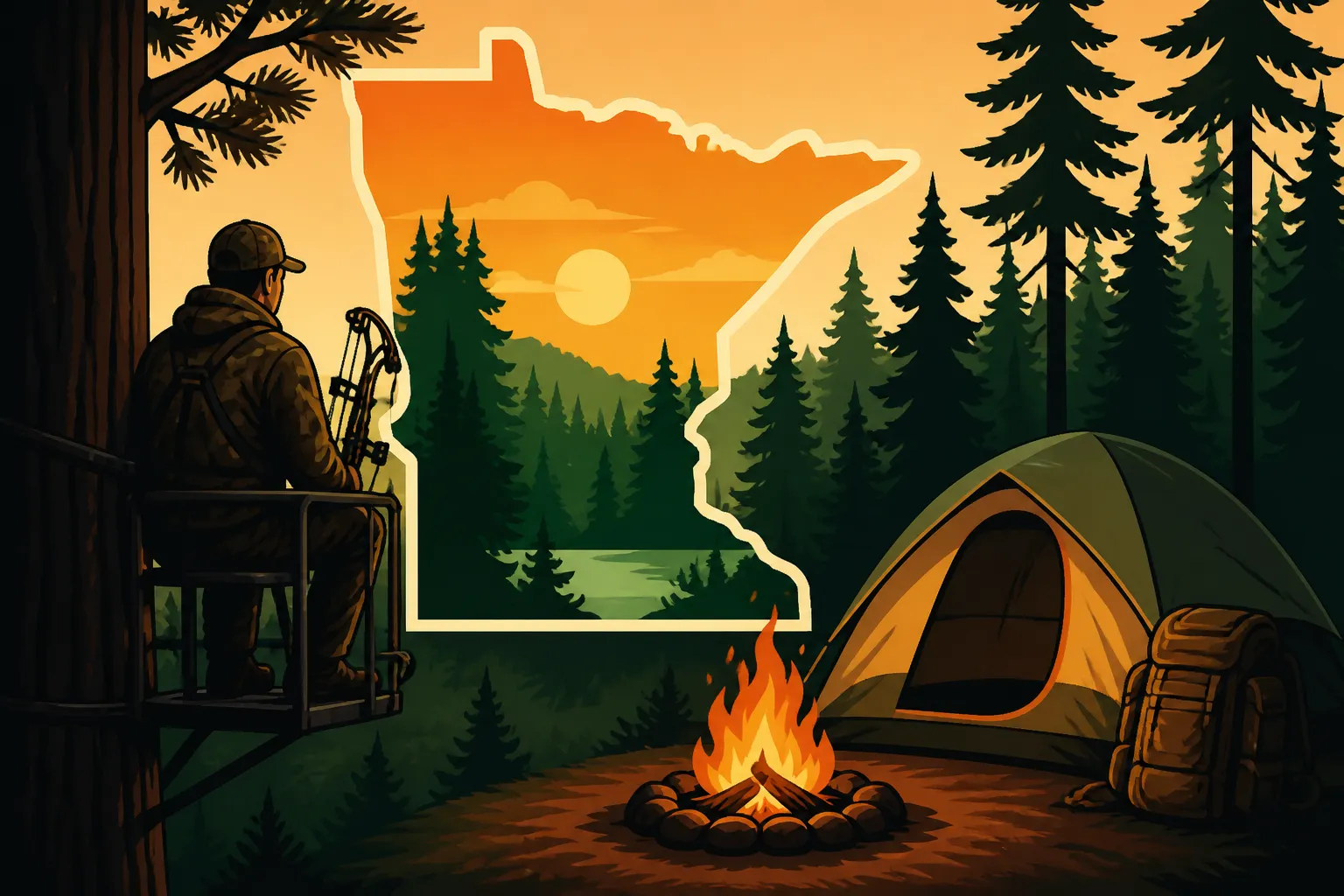
When you're chasing whitetails in the sprawling big woods of northern Minnesota, or even venturing into some of the more remote areas of the state forests, the commute from a distant cabin or hotel can be a real killer. Every minute spent driving is a minute not spent scouting, hunting, or resting. Camping near your stand changes the entire dynamic of your hunt. It allows for truly early starts, letting you slip into your stand well before daylight without the crunch of a long vehicle journey. It also means you can stay out later, pushing the boundaries of legal shooting light, and then have only a short walk back to a warm meal and a comfortable sleeping bag.
Beyond the sheer convenience, there's a profound benefit in terms of scent control and minimizing disturbance. Each time you drive a vehicle, open doors, and trek through the woods, you're leaving a significant scent trail and making noise. By setting up a minimalist camp within walking distance of your stand, you consolidate that disturbance to a smaller area and reduce the frequency of your intrusions into sensitive zones. This can be particularly impactful in areas with higher hunting pressure, giving you an edge over hunters who are constantly driving in and out. It’s about becoming part of the landscape, even if only for a few days, rather than just a visitor. Think about how much quieter your approach can be when you’re already behind the gate, so to speak. This strategy really shines when you're targeting those elusive, older bucks that are incredibly sensitive to human activity.
Navigating the Rules: Camping in Minnesota's National Forests
Minnesota is blessed with two magnificent national forests, the Superior and the Chippewa, both offering incredible opportunities for hunters to camp and pursue game. However, these aren't your backyard wilderness, and they come with specific rules designed to protect the natural environment and ensure a positive experience for everyone. Understanding these regulations is paramount to a successful and legal hunt. For general guidance on where you can pitch a tent, you might also find our article on Camping on Minnesota Public Hunting Land useful.
Dispersed Camping Guidelines
The beauty of national forests is often the option for dispersed camping, meaning you can camp outside of designated campgrounds. This is usually what hunters envision when they dream of camping near their stand. In the Superior and Chippewa National Forests, dispersed camping is generally permitted, but there are important rules to follow. Typically, you need to be at least 100-200 feet away from any designated road, developed trail, or body of water. This isn't just a suggestion; it's a critical component of Leave No Trace ethics, helping to protect sensitive ecosystems and maintain the wild character of the area. You also need to be aware of any specific restrictions within certain zones, such as areas near developed recreation sites or within the Boundary Waters Canoe Area Wilderness, which has its own set of unique Permit Rules for the Boundary Waters. Always check the specific ranger district for current local regulations before you head out, as fire bans or other temporary closures can occur.
When dispersed camping, remember that you're in a wild environment. There are no picnic tables, fire rings, or restrooms provided. You are responsible for packing out everything you pack in, including all trash and waste. Fires are often allowed in established fire rings or in a dug-out fire pit, but always ensure they are completely out before leaving. Carrying a small trowel for human waste and burying it at least 6-8 inches deep and 200 feet from water, trails, and campsites is standard practice. These small acts collectively ensure that these incredible resources remain pristine for generations of hunters and outdoor enthusiasts to come.
Developed Campgrounds as an Alternative
While dispersed camping offers maximum freedom, developed campgrounds within the national forests can be a good alternative, especially if you're bringing a larger camp setup or if the weather dictates more shelter. The Superior and Chippewa National Forests have numerous campgrounds with amenities ranging from vault toilets and potable water to picnic tables and boat launches. The primary drawback, from a hunter's perspective, is that these campgrounds are often located near popular lakes or main roads, which means they might be further from your desired hunting ground.
The trade-off is convenience and comfort. If you have a family joining you who aren't hunting, or if you prefer a solid base with some creature comforts after a long day in the woods, a developed campground might be the right choice. They also tend to offer more security for your gear, though it's always wise to secure valuables. Just be prepared for a bit more of a drive to your hunting spot, and understand that these areas can attract more non-hunting visitors, which may increase local human activity. Always reserve ahead if possible, especially during peak seasons, as spots can fill up quickly.
Setting Up Your Stealth Camp: Practical Considerations
Once you've decided on the "where," the "how" of setting up your camp becomes crucial. The goal is to create a functional, comfortable, and, most importantly, low-impact camp that doesn't alert every deer in the county to your presence. Stealth is key, both for your approach and the long-term integrity of your hunting area.
Minimalist Gear for Deeper Penetration
When you're aiming to camp near your stand, you're likely going to be packing everything in on your back, or at least hauling it a significant distance from a forest road or ATV trail. This means embracing a minimalist gear philosophy. Every ounce counts. A lightweight backpacking tent or even a sturdy tarp setup can provide shelter without adding excessive bulk. Focus on a high R-value sleeping pad and a warm sleeping bag appropriate for Minnesota's often chilly nights, especially in November when you'll be Hunting the Rut in Early November. Remember, cold ground will suck the heat right out of you.
Cooking gear can be as simple as a small backpacking stove and a single pot for rehydrating meals or boiling water. Freeze-dried meals or simple, non-perishable foods are your friends. Consider a reliable headlamp with a red light setting to preserve your night vision and minimize disturbance when moving around camp in the dark. Don't forget a water filter or purification tablets, as access to potable water will be essential. The less you bring, the deeper you can go, and the less visible your camp will be. It's about efficiency and necessity, not luxury.
Bear Safety and Food Storage
Minnesota's national forests are black bear country, and while encounters are rare, taking precautions with food and scent is non-negotiable. Improper food storage is the leading cause of human-bear conflicts. All food, scented items (toothpaste, deodorant, bug spray), and even cooking pots should be stored in bear-resistant containers, hung from a tree, or placed in a bear bag at least 10 feet off the ground and 4 feet from the tree trunk. Cooking and eating should be done at least 100 yards downwind from your sleeping area to prevent attracting curious critters to your tent.
Consider carrying bear spray and knowing how to use it, especially if you're new to remote camping. After all, you don't want an unexpected visitor to your camp when you're trying to get a good night's sleep before a morning sit. The goal is to avoid creating any habituated bears, which ultimately become a problem for both wildlife managers and future campers. Keeping a clean camp is not just good etiquette; it's a vital safety measure. If you're hunting in areas known for a healthy bear population, like those discussed in Baiting Bears in Minnesota's Forest Zone, this vigilance becomes even more critical.
| Aspect | Dispersed Camping Near Stand | Developed Campground (as base camp) |
|---|---|---|
| Proximity to Stand | Excellent (often within short walking distance) | Moderate to Poor (requires driving or longer walk) |
| Stealth/Impact | High stealth, low visible impact (if done correctly) | Low stealth, high visible impact (more people, structures) |
| Amenities | None (no water, toilets, tables) | Basic (vault toilets, sometimes water, picnic tables) |
| Cost | Free | Small fee per night |
| Flexibility | High (choose almost any legal spot) | Low (assigned sites, limited availability) |
| Scent Control | Easier to manage camp scent away from hunting area | Harder to isolate camp scent from vehicle/human traffic zone |
| Bear Safety | Critical, self-reliance needed for food storage | Still important, but less direct human-bear interaction likely |
| Vehicle Access | Usually involves parking and walking in | Drive directly to site, easy gear unload |
Finding Your Ideal Bivouac Spot
The success of your camp-near-stand strategy hinges heavily on finding the right spot to pitch your tent. This isn't just about flat ground; it's about strategic placement that enhances your hunt without compromising your safety or the integrity of the ecosystem.
Using Mapping Tools for Pre-Season Scouting
Modern technology has revolutionized how hunters approach scouting. Before you even set foot in the woods, you can leverage powerful mapping applications like onX Hunt or GoHunt to virtually scout potential campsites. These platforms offer detailed aerial imagery, topographical maps, and public land boundaries, allowing you to identify areas away from roads and water sources. Look for subtle terrain features like small ridges, benches, or dense stands of pines that offer natural cover and concealment. You want a spot that is accessible from your vehicle or a main trail, but not visible from it. Look for those dark timber pockets or small, isolated clearings that don't scream "campsite" to other hunters.
Overlaying different layers on these apps can show you things like past timber cuts, which might indicate good hunting cover for Grouse Hunting Minnesota Aspen Cover or deer, but also potential areas where a new access road might have been cut. Using the distance tools, you can plot routes from potential camp spots to your intended stand locations, ensuring they are truly "near" and that your approach path minimizes disturbance. This kind of digital reconnaissance is invaluable for narrowing down your options and making your on-the-ground scouting much more efficient. Many hunters use these tools to find hidden water sources or remote pockets that see less Hunting Pressure on Minnesota Public Land.
On-the-Ground Reconnaissance
As helpful as digital maps are, there's no substitute for boots on the ground. Once you've identified a few promising spots on your onX Hunt or GoHunt app, it's time to visit them in person during the off-season or well before your hunt begins. Check for natural flat spots, ample tree cover for concealment, and signs of previous use. You want a spot that drains well and isn't prone to becoming a bog after a rain shower. Look for deadfall that could be used for a small fire ring, or areas where you can naturally blend your camp into the surroundings. Also, verify water sources; a spring or small creek that looks good on a map might be dry or stagnant in reality.
Pay close attention to your approach and exit routes from the potential campsite to your stand. Can you move silently? Are there natural funnels or thick cover that allow you to slip in and out undetected? Think about the prevailing wind patterns and how they might carry scent from your camp. You want your camp to be upwind or crosswind from your primary hunting area. Finding existing game trails nearby can be a bonus, but avoid setting up directly on them, as that would disrupt natural animal movement. A great camp spot feels secluded, allows for quiet movement, and minimizes your impact on the broader hunting ecosystem.
Disclaimer
This article is for general informational purposes only and does not constitute professional advice. Laws, prices and regulations vary by location and change over time. Consult a qualified professional for guidance on your specific situation.