Minnesota State Park Hunting Rules
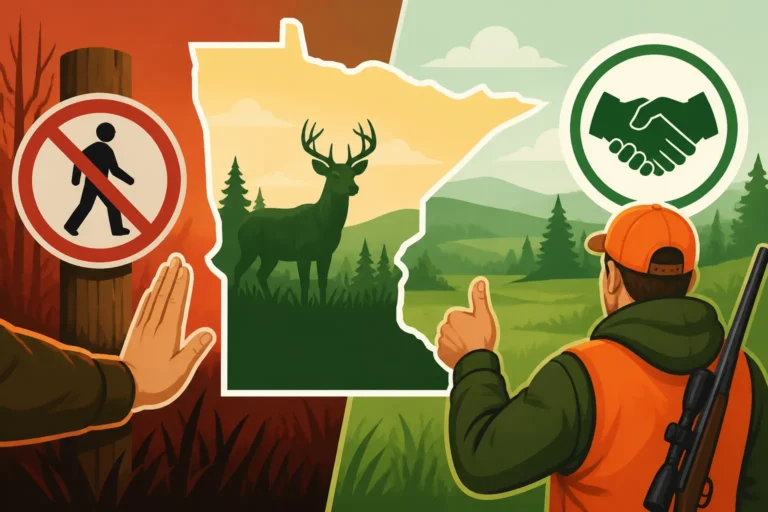
It's a common misconception among Minnesota hunters that state parks are completely off-limits to hunting. While it's true you can't just wander into any state park with your rifle during deer season, many parks do offer fantastic, albeit highly controlled, hunting opportunities through special hunts. This guide will help you unravel the unique rules and unlock access to these prime hunting areas, ensuring you understand the application process, specific regulations, and how to prepare for a successful and respectful hunt in Minnesota's beautiful state parks.
The General Rule and Why It's Misunderstood
For many hunters, the idea of pursuing game in a state park seems almost contradictory. We're conditioned to think of state parks as places for hiking, camping, and enjoying nature in a more passive way, far removed from the pursuit of game. This deeply ingrained perception often leads to confusion and missed opportunities for those who don't dig a little deeper into the specific regulations. It’s not simply a matter of asking "can I hunt in a state park?" because the answer is almost always, "it depends."
State Parks Are Not Like WMAs or State Forests
The primary difference, and the root of much of this misunderstanding, lies in the core mission of state parks versus other types of public land. Wildlife Management Areas (WMAs) and State Forests are specifically managed with wildlife habitat and public hunting (among other uses) as a central component of their purpose. They are designed for hunters, with access often geared towards dispersed recreation and direct pursuit of game. You can generally find extensive information on hunting regulations for WMAs and State Forests, and unless otherwise stated, hunting is permitted during open seasons.
State parks, on the other hand, prioritize conservation, preservation of natural and cultural resources, and providing recreational opportunities like hiking, birdwatching, and camping. Hunting, when it occurs, is typically a management tool rather than a primary recreational activity. This distinction means that while a WMA might embrace the idea of hunters moving freely through cover, a state park is concerned with maintaining a more tranquil environment for all users, leading to stricter rules and limited access for hunting. You might drive past a state park, see deer grazing in an open field, and feel that familiar pang of frustration, knowing the big buck you spotted is in a "safe" zone. But that safety is often temporary and subject to change based on population dynamics.
Why Special Hunts Are Necessary
So, if state parks aren't primarily for hunting, why do they have special hunts at all? The answer usually boils down to wildlife management. Deer, in particular, can thrive in park environments where they face little hunting pressure. Overpopulation can lead to significant problems, including over-browsing of sensitive vegetation, damage to forest regeneration, and increased risk of disease transmission within the herd, such as Chronic Wasting Disease (CWD). When deer populations exceed the carrying capacity of the park's habitat, or when disease management becomes a concern, special hunts are initiated.
These hunts aren't just about reducing numbers; they're about maintaining ecological balance and promoting the health of the entire ecosystem. The Minnesota DNR carefully monitors deer populations within state parks and adjacent areas. When data suggests a need for population reduction, or if the park falls within a CWD management zone, special hunts are designed to target specific areas and achieve precise management goals. These controlled events are carefully planned to minimize disruption to other park users and ensure public safety, which is why they operate under very specific rules and often limited timeframes. It's a critical tool for managing nature, not just a bonus opportunity for hunters.
How Special Hunts Are Implemented
Gaining access to hunt in a Minnesota State Park isn't as simple as purchasing a general deer license and heading out. These opportunities are tightly controlled, requiring specific applications and a bit of luck. Understanding this process is key to even having a chance at one of these unique hunts. It's a system designed to manage hunter numbers, ensure safety, and meet very specific park management objectives.
Application Process and Lottery System
State park special hunts are almost exclusively allocated through an application and lottery system. This ensures fairness and allows the DNR to control the exact number of hunters in a given park, or even a specific section of a park, during the hunt period. Hunters interested in these opportunities need to keep a close eye on the DNR's special hunt application periods. These typically open in mid-summer, with deadlines usually around early September, similar to the process for other special hunts like Applying for the Antlerless Lottery Before September 10.
The application process usually involves selecting the specific hunt you're interested in, often identified by a hunt number tied to a particular park and dates. There might be a small application fee, and hunters may accrue "preference points" if they aren't drawn, improving their odds in future years for similar hunts. When you apply, you're essentially putting your name in a hat, hoping to be one of the fortunate few selected. Notification for successful applicants usually goes out several weeks or months before the hunt, giving you time to plan. It's crucial to understand that even if you're a seasoned hunter, this process requires diligence and a bit of patience, as competition for these tags can be high.
Permit Area Designations and Hunt Types
It's important to remember that not every state park will host a special hunt every year, and when they do, it's rarely the entire park. The DNR designates specific "permit areas" within a park for these hunts. These areas are carefully chosen based on deer activity, habitat concerns, and public safety considerations. You might find that a hunt is confined to a particular forest block, a section away from main trails, or only specific zones within a larger park. The boundaries are usually clearly defined and communicated to successful applicants.
The types of hunts offered also vary. Many state park hunts are archery-only, given the shorter range and quieter nature of bowhunting, which aligns well with maintaining a sense of tranquility and safety in multi-use park environments. However, some parks, depending on the management objectives and location, might allow a limited firearm season, often restricted to shotguns with slugs or straight-wall cartridge rifles now that Why Straight-Wall Rifles Are Now Legal Statewide in many areas. Muzzleloader hunts are also occasionally offered, typically later in the season. These hunts are almost always short in duration, often lasting only a few days or a long weekend, to minimize prolonged impact on other park users and focus the hunting pressure for maximum effectiveness. You might encounter specific hunts at places like Camden and Blue Mounds State Park Hunts, which are carefully managed for deer numbers.
Rules and Regulations Specific to State Park Hunts
Hunting in a state park, even during a special hunt, comes with a unique set of rules that go beyond the general statewide hunting regulations. These rules are put in place to ensure public safety, minimize conflict between hunters and other park users, and protect the park's resources. Ignoring these specific regulations can lead to severe penalties and jeopardize future hunting opportunities in these valuable areas.
Weapon Restrictions and Safety Measures
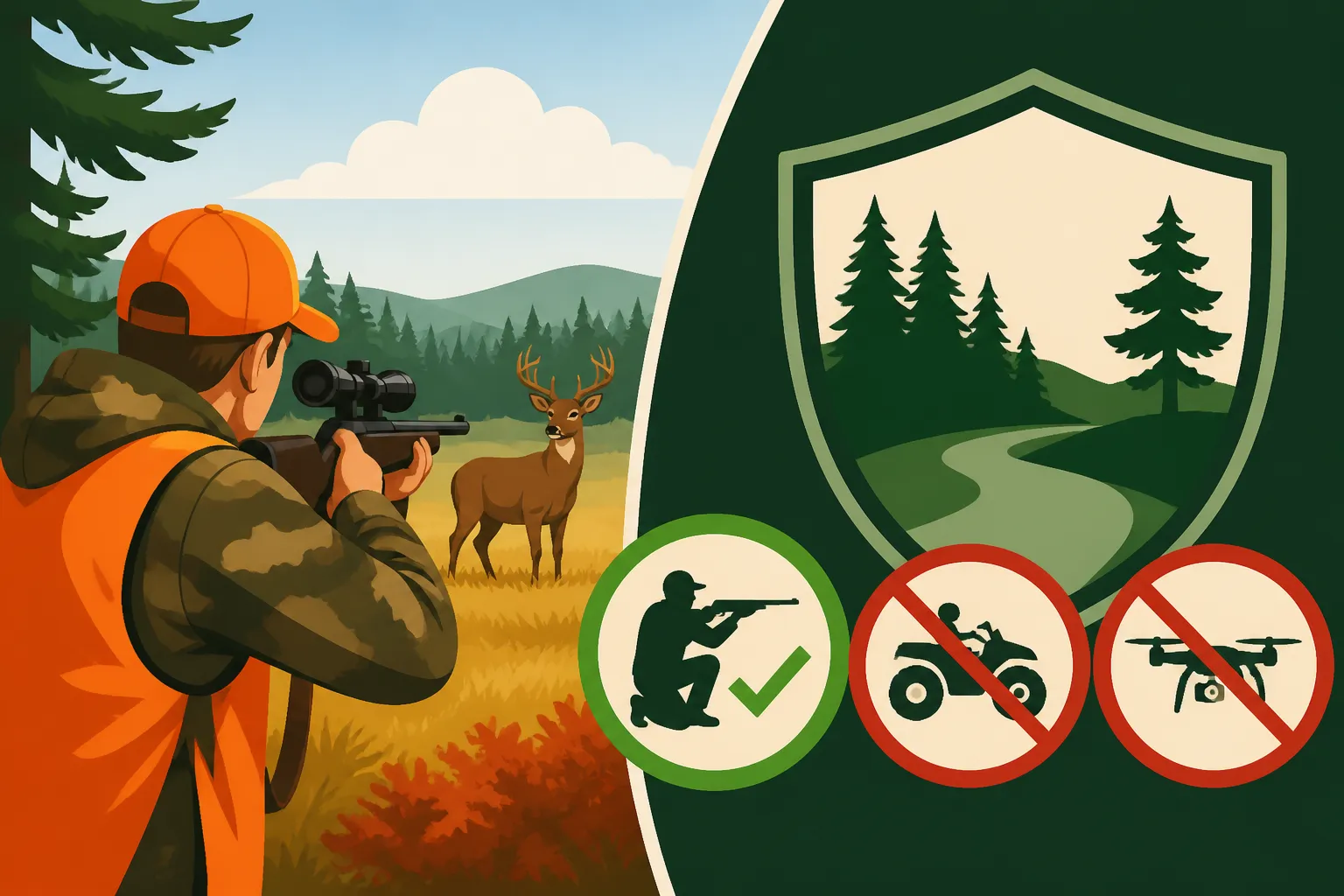
The type of weapon allowed during a state park hunt is often one of the most significant distinctions. As mentioned, many hunts are archery-only. This means traditional bows, compound bows, and crossbows (subject to Minnesota Crossbow Rules During Archery Season) are permitted, but firearms are strictly prohibited. Even when firearms are allowed, they are typically limited to shotguns with slugs or specific straight-wall rifle cartridges, not high-powered centerfire rifles common in other parts of the state. These restrictions are primarily for safety, given the potential for other visitors to be present in certain areas, even during a hunt.
Beyond weapon type, safety is paramount. Blaze orange requirements, even for archery hunters, are often enforced in state parks. While general archery seasons typically don't require blaze orange in Minnesota, special state park hunts might mandate it for visibility. This is a clear indicator of the heightened caution needed in these environments. Hunters will be instructed on shooting lanes, safe zones, and areas to absolutely avoid. Minnesota Hunter Safety Requirements are always in effect, of course, but the added layers of park-specific safety rules mean you need to pay extra attention to all communication from the DNR regarding your specific hunt. Think of it as hunting in a crowded neighborhood, where every shot requires extreme diligence and awareness of your surroundings. For example, some hunts might specifically allow Blaze Pink Options Under Minnesota Law as an alternative to orange.
Access, Movement, and Retrieval Limitations
Unlike a vast wilderness area where you can hike for miles and access game as you see fit, state park hunts come with very strict rules regarding access and movement. Hunters are typically assigned specific entry and exit points, and vehicle access might be severely limited or entirely prohibited beyond designated parking areas. This means you might be looking at a considerable walk to your hunting spot, emphasizing the need for a good pack and stamina. Scouting within park boundaries prior to the hunt is often prohibited or heavily restricted, making aerial maps and satellite imagery, perhaps from tools like onX Hunt or GoHunt, even more crucial for pre-hunt planning. You'll need to understand topography and cover without physically putting boots on the ground inside the park before the hunt.
Game retrieval presents another unique challenge. If you successfully harvest an animal, you can't just drive your truck to it. You might need to quarter the animal and pack it out, or in some cases, specific arrangements for vehicle access or assistance from park staff might be in place. This is where planning ahead for meat care and transport becomes vital. Recovering a deer from a dense thicket or over a challenging ravine when vehicle access is miles away is a completely different ballgame than dragging one to a nearby logging road. Familiarize yourself with options for Field Dressing a Deer in Cold Weather or Dragging a Deer Out of a Slough even in milder conditions, as you'll be relying on human power. Always confirm these retrieval rules beforehand; you don't want to be caught off guard after a successful shot.
Finding State Park Hunting Opportunities
Okay, so you understand the rules and you're ready to dive into the application process. But how do you even know which state parks offer these elusive hunting opportunities? It's not always advertised on billboards, and these hunts aren't an everyday occurrence. Finding the right information is the first step to putting yourself in a position to be drawn for one of these unique experiences.
Using DNR Resources and Mapping Tools
Your absolute best resource for finding state park special hunts is the official Minnesota DNR website. The DNR maintains a dedicated section for special hunt applications, where they list all available hunts, including those in state parks. This is where you'll find the hunt numbers, specific dates, weapon restrictions, and application deadlines. It's often updated annually, so checking back each summer is a good habit. You'll also find details on the specific permit areas, often accompanied by maps highlighting the exact boundaries where hunting is allowed. Don't rely on old information; always check the current year's publications.
Once you have the specific park and hunt area information, that's when mapping tools become incredibly valuable. While you might not be able to physically scout inside the park beforehand, you can use applications like onX Hunt or GoHunt to digitally scout. These platforms allow you to overlay public land boundaries, analyze topography, identify potential bedding areas, travel corridors, and even locate specific tree species that might provide food sources. You can mark potential access points outside the park boundaries and plan your approach, understanding the terrain you'll face. The ability to use onX Layers for Minnesota Land Status can be particularly helpful for visualizing where the park boundaries meet other public or private lands, which might influence deer movement in and out of the park. Even the Using the Recreation Compass Map Tool provided by the state can be a great starting point for understanding public land access around parks.
Specific State Parks Known for Hunts
While the list of parks hosting special hunts can change annually, some state parks have a more frequent history of offering these opportunities due to their location, habitat, and consistent deer populations. Parks in the southeast bluff country, like Whitewater State Park, are often good candidates for deer population management hunts due to the high deer densities in that region. Similarly, parks closer to the metro area, which act as de facto wildlife refuges, might see hunts implemented to control urban deer populations that impact local flora and increase deer-vehicle collisions.
Other examples include parks such as Carlos Avery State Park, which often has specific lottery hunts, sometimes even for turkey, as detailed in Why Carlos Avery Needs a Lottery in A Season. Southwest Minnesota parks like Camden and Blue Mounds have hosted hunts to manage their local deer herds. The key is to watch the DNR announcements. Don't assume a park that had a hunt last year will have one this year, but also don't assume a park never has hunts. By consistently checking the DNR's special hunt pages, you'll be well-informed and ready to apply when an opportunity arises in a park near you or one that piques your interest. These are usually highly sought-after tags because the deer within these park boundaries often experience significantly less hunting pressure, potentially leading to encounters with older, larger animals.
Preparing for a State Park Special Hunt
Congratulations! You've successfully navigated the lottery system and drawn a tag for a state park special hunt. Now the real preparation begins. Because these hunts are so different from typical public land excursions, your usual pre-season routine might need some significant adjustments. It's not just about packing your gear; it's about understanding and respecting the unique environment and the added responsibilities that come with hunting in a state park.
Scouting and Pre-Season Preparation
This is where state park hunts present one of their biggest challenges. As mentioned earlier, traditional in-person scouting within the park boundaries prior to the hunt is often prohibited or severely restricted. Park staff want to minimize human disturbance before the season and maintain an undisturbed environment for other visitors. This means you need to get creative with your scouting. Rely heavily on those digital mapping tools we discussed. Study aerial photos for terrain features, pinch points, cover, and potential food sources. Look for subtle changes in vegetation, old clearings, or water sources that might attract deer.
You can often scout the exterior boundaries of the park, observing deer movement patterns in adjacent areas if they are open to hunting. Consider how deer might enter and exit the park, where their primary bedding areas might be, and what escape routes they'd use if pressured. Read any available information about the park's habitat and deer populations. The DNR often provides basic descriptions that can offer clues. It's a different kind of scouting, one that relies more on interpretation and deduction than direct observation. The goal is to build a mental map of the park's deer activity without ever setting foot inside until opening day, helping you avoid Hunting Pressure on Minnesota Public Land by finding those less obvious spots.
Respecting Park Users and Regulations
Hunting in a state park requires an elevated level of etiquette and respect. Remember, you are a guest in an area primarily designed for non-consumptive recreation. There's a strong likelihood you will encounter hikers, dog walkers, birdwatchers, or photographers, even during the special hunt period, especially if the hunt is confined to a smaller section of the park. Your actions will reflect not just on you, but on all hunters. Being a good ambassador for hunting is paramount.
This means adhering to every single rule and regulation, no matter how minor it might seem. Park boundaries are non-negotiable; understand exactly where you can and cannot be. Be extra cautious with shot placement and ensure you have a safe backdrop, always considering the potential presence of others. If you encounter non-hunters, be polite, friendly, and respectful. Answer any questions they might have about your hunt with patience and understanding. Pack out all your trash, leave no trace, and ensure your presence has the absolute minimal impact on the park environment. By demonstrating impeccable behavior and professionalism, you help maintain the privilege of hunting in these unique and beautiful Minnesota State Parks for future generations.
| Feature | Minnesota State Parks (Special Hunts) | Wildlife Management Areas (WMAs) | State Forests (SF) |
|---|---|---|---|
| Primary Purpose | Conservation, Recreation, Wildlife Mgt | Wildlife Habitat, Public Hunting | Timber Production, Recreation, Hunting |
| Hunting Access | Lottery/Permit Only (Special Hunts) | Generally Open During Seasons | Generally Open During Seasons |
| Hunt Frequency | Irregular, Management-driven | Regular, Annual | Regular, Annual |
| Weapon Types | Often Archery-only, Limited Firearms | Varies by Zone/Season, All Legal | Varies by Zone/Season, All Legal |
| Scouting Pre-Season | Restricted/Prohibited Inside | Generally Allowed | Generally Allowed |
| Public Encounter | High Potential (Hikers, etc.) | Moderate to Low | Moderate to Low |
| Vehicle Access | Often Very Limited | Varies, May Have Forest Roads | Varies, Extensive Forest Road Systems |
| Blaze Orange | Often Required for All Hunters | Standard Season Rules Apply | Standard Season Rules Apply |
| Permit Area Size | Specific, Smaller Zones Within Park | Larger, Defined Areas | Very Large, Entire Forest |
Disclaimer
This article is for general informational purposes only and does not constitute professional advice. Laws, prices and regulations vary by location and change over time. Consult a qualified professional for guidance on your specific situation.