Grouse Hunting Minnesota Popple Cuts
For those of us who chase the thunder of wings through the Minnesota woods, few things are as frustrating as walking miles of seemingly good cover only to find it devoid of birds. The key to consistent success often lies not just in where you hunt, but what kind of cover you're focusing on, and for ruffed grouse, that means zeroing in on those prime popple cuts. This guide will deep-dive into why these specific timber stands are grouse magnets and how you can maximize your chances of filling your vest.
Understanding Popple: The Grouse Haven
When we talk about "popple" in Minnesota, we're primarily referring to aspen. This fast-growing deciduous tree is the backbone of excellent grouse habitat, particularly in its younger stages. It's not just any patch of woods; specific age classes and densities of popple are what truly make a difference for ruffed grouse populations. If you're serious about your upland hunting, understanding this connection is paramount.
What Makes Popple So Special for Grouse?
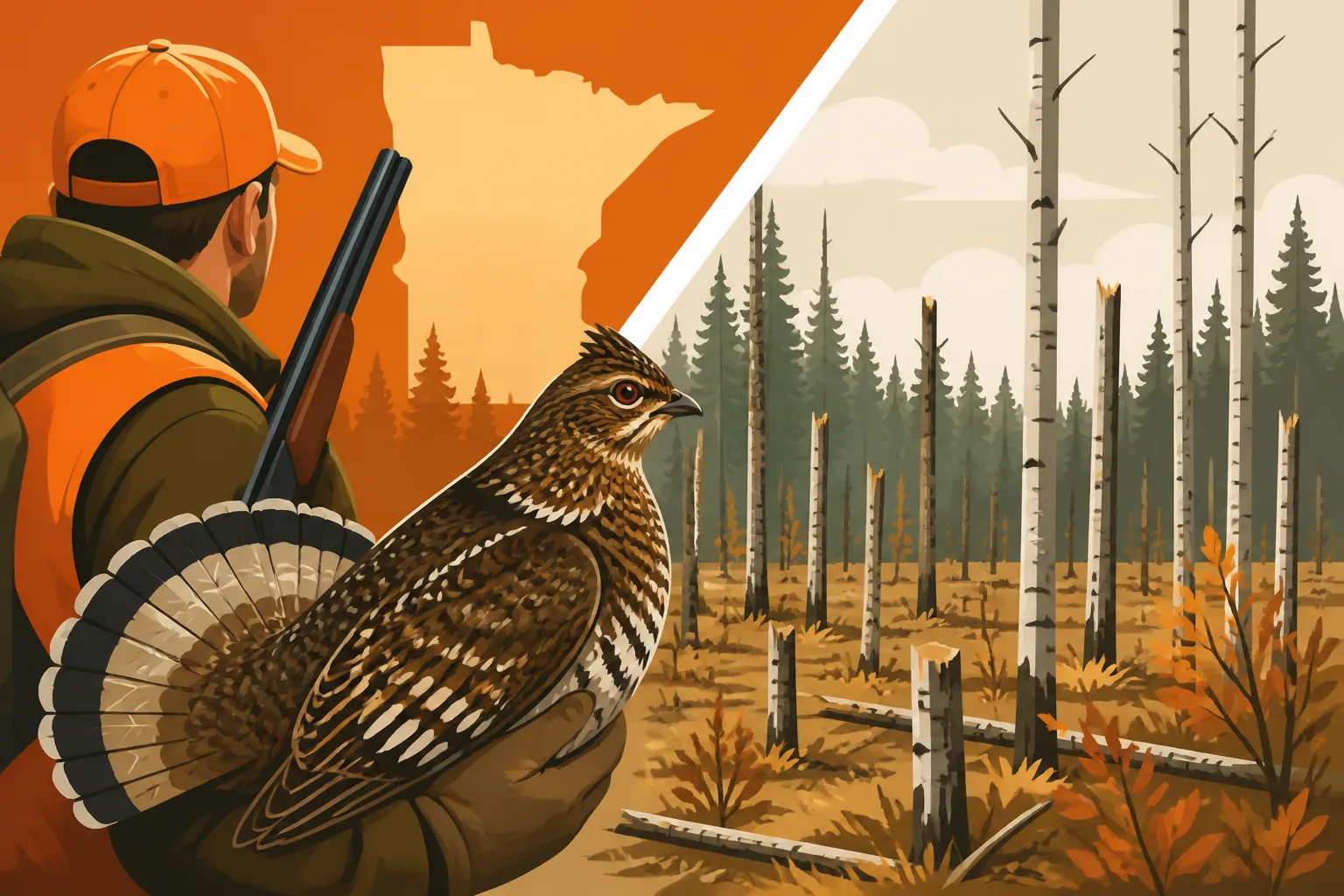
Popple, or aspen, provides a critical three-pronged habitat approach for ruffed grouse: food, cover, and drumming sites. Young aspen stands, typically 8 to 25 years old, are the gold standard. In these younger cuts, the dense vertical stems offer incredible protection from avian predators like hawks and owls, making it hard for them to maneuver and spot a camouflaged bird. This is their sanctuary, their safe space where they can forage and rest without constantly looking over their shoulder.
Beyond protection, aspen is a crucial food source. Ruffed grouse are "budders," especially in the colder months. Aspen buds, catkins, and even the male flower buds are a high-energy food source that sustains them through the lean times. This means that a good popple stand provides both the pantry and the dining room, ensuring birds don't have to travel far and expose themselves to predators. The sheer abundance of this food source in dense stands is what often concentrates birds in these specific areas.
Furthermore, the structure of popple stands provides ideal drumming logs for male grouse. These logs are essential for attracting mates and establishing territories. Often, you'll find these logs in slightly more open pockets within the dense younger growth, offering the male a clear view while remaining close to the safety of the thick cover. Recognizing these drumming sites, often marked by piles of droppings, can tell you a lot about the health and activity of the grouse population in a particular area. It’s all part of the intricate puzzle that makes up prime grouse country.
Identifying Productive Popple Stands
Not all popple is created equal, and knowing how to identify the most productive stands is key to successful Grouse and Woodcock Hunting in Minnesota. The sweet spot, as mentioned, is generally popple between 8 and 25 years old. Younger than that, and it might be too thin or lack sufficient food. Older, and it starts to thin out, losing that crucial overhead and lateral cover that grouse crave. When the canopy closes too much, sunlight can't reach the forest floor to grow the underbrush, which also provides additional food and cover.
Look for areas with a high stem density – thousands of small aspen saplings per acre. This creates a "wall" of vertical cover that makes it difficult for predators to swoop in. Often, these productive stands are the result of timber harvesting, where large areas were clear-cut, promoting vigorous aspen regeneration. These clear-cuts are essentially man-made grouse factories. You might notice these distinct areas on aerial maps, showing younger, lighter green growth contrasting with older, darker timber. Many hunters use mapping apps like GoHunt to scout these cuts from home.
Beyond just aspen, the very best stands often have a mix of other species. Think about patches of alder runs, dogwood, hazelnut, or even some conifer pockets interspersed within the popple. These provide additional food sources, different types of cover, and thermal protection, especially during harsh Minnesota winters. For instance, alder typically provides excellent cover and food for woodcock, but grouse will also utilize these transition zones. This varied habitat creates more opportunities for grouse to find everything they need, making these mixed-species popple cuts true hotbeds of bird activity. Knowing Why Popple Cuts Grow Grouse helps immensely in your scouting efforts.
Timing Your Hunt for Optimal Success
Just like deer hunting, the grouse woods change with the seasons, and so too should your tactics. Minnesota offers a long grouse season, spanning from early fall into winter, and each phase presents its own unique challenges and opportunities. Understanding these shifts can help you plan your trips to maximize your chances of success, whether you're battling mosquitoes in September or breaking trail in December.
Early Season: Lush Cover and Abundant Food
The early season in Minnesota, typically September through mid-October, is characterized by incredibly thick cover. The leaves are still on the trees, and the undergrowth is at its peak. This provides maximum concealment for grouse, making them harder to spot and flush. It’s also when the woods are bursting with food: wild berries, insects, and lush green vegetation are all on the menu.
During this period, grouse tend to be more spread out as food is plentiful everywhere. Your best bet is to focus on walking the edges of popple cuts, especially where they transition into different cover types like alder swamps, conifer stands, or even old logging roads. Birds will often feed in the thickest parts of the cut but might move to edges or slightly more open areas to dust or sun themselves. Be prepared for explosive flushes at close range, often with only a split second to react. Shotguns with open chokes like improved cylinder or skeet are often favored for these close, fast shots in dense cover.
Walking slower and being more deliberate in your movements can pay off. Every step should be a potential flush. This is also a good time to work areas that receive less pressure, as hunters tend to stick to easier walking paths. Remember, the birds are there, they're just tucked away deep in the green jungle. Don't be afraid to push into the nastiest, thickest stuff – that's often where the birds are hiding, feeling safe and secure. It's a physically demanding hunt, but the rewards can be incredible.
Mid-Season: Falling Leaves and Easier Shooting
As October progresses into early November, the woods undergo a dramatic transformation. The leaves begin to fall, especially after the first hard frosts, leading to what many consider the golden period for grouse hunting. The thinning cover makes birds easier to spot, and shooting lanes open up, increasing your shot opportunities. This transition period is when many hunters experience their highest success rates.
During mid-season, grouse are still very reliant on popple cuts, but as the ground cover diminishes, they might concentrate more in the densest pockets of young aspen or areas with a good mix of conifer for thermal cover. Look for the last remaining green browse and areas with good bud production. The falling leaves also make it easier to hear flushes and locate where birds might have landed after the initial burst. Many hunters find that the visual advantage of thinner cover significantly reduces the frustration of lost birds.
This is also a prime time to consider how your tactics adapt. You might still want to walk slow, but now you can afford to scan ahead a bit more. If you're Flushing Grouse Without a Dog, a slightly faster pace can sometimes trigger a flush before the bird can sneak away. Using a mapping app like GoHunt to identify recent clear-cuts or dense popple stands can be incredibly effective, as these areas become even more pronounced and attractive to grouse as the season progresses. These middle weeks often provide the perfect blend of good habitat and improved visibility.
Late Season: Snow, Food Sources, and Thermal Cover
Late season, from late November through December, presents a whole new set of challenges and opportunities for the Minnesota grouse hunter. Snow often covers the landscape, and temperatures can plummet. Grouse behavior shifts significantly in response to these conditions, making them more predictable but also more difficult to find.
In deep snow and cold, grouse prioritize two things: food and thermal cover. They will concentrate in areas where aspen buds are readily available and where dense cover provides protection from the elements. This often means very thick, young popple stands, especially those with an evergreen component like spruce or balsam fir mixed in. These conifers offer critical thermal protection, shielding birds from wind and heavy snow. Look for south-facing slopes, which can provide slightly warmer microclimates and easier access to food.
Tracking becomes a distinct advantage in late season. Fresh snow can reveal grouse tracks, showing you where birds are moving and feeding. Focus your efforts on these tracks, following them into the densest cover. Birds might also burrow into the snow to roost for warmth, creating "snow roosts" – a small depression in the snow with bird droppings nearby. This tells you birds are using the area. A good pair of Boots for Walking Minnesota Popple Cuts is essential to handle the snow and potential uneven terrain. While the number of flushes might decrease, the quality of the opportunities can increase, as birds are often holding tight in their preferred cover.
Tactics for Navigating and Hunting Popple Cuts
Hunting popple cuts effectively requires a specific approach that differs from hunting more open timber. The density of the cover, the quickness of the birds, and the limited visibility all demand tailored strategies. Whether you're working with a seasoned bird dog or walking solo, understanding how to navigate and exploit these environments is crucial for consistent success.
Walking Strategies: Grid Patterns and Edge Hunting
When faced with a vast popple cut, simply wandering through it often leads to missed opportunities and wasted effort. Instead, employ systematic walking strategies. A grid pattern, where you walk in parallel lines across the cover, is highly effective. This ensures you cover the entire area thoroughly, flushing birds that might hold tight. The width of your strips will depend on the density of the cover and whether you're hunting with a dog. If solo, narrower strips are better to minimize missed pockets.
Another highly effective strategy is edge hunting. Grouse frequently utilize the transition zones where one type of cover meets another. This could be where a young popple cut borders an older forest, an alder swamp, a field, or a logging road. Birds will often stage along these edges, especially in early morning or late afternoon, as they move between feeding and roosting areas. Walking these edges methodically, paying close attention to any changes in cover or topography, can be incredibly productive. Using a mapping app like GoHunt to identify these transition zones before you even step foot in the woods can save you a lot of time.
Don't forget to incorporate pauses into your walk. Grouse are masters of holding tight, and sometimes the sudden silence after a few steps can make a nervous bird flush. It gives them a chance to break their freeze, and it gives you a moment to catch your breath and reassess. Vary your pace, walk into the wind when possible to mask your approach, and always be ready for that explosive flush. Remember, the deeper and nastier the cover, the more likely it is to hold birds, so don't be afraid to plunge into the thick stuff that others might avoid.
Working with a Dog vs. Flushing Without a Dog
The debate between hunting with or without a dog is a classic among grouse hunters. Both methods can be highly successful in popple cuts, but they require different skill sets and tactics. A well-trained bird dog can be an incredible asset, but solo hunters can certainly find plenty of birds.
Working with a dog, especially a good pointer or flusher, transforms the hunt. A pointing dog will lock up on a bird, allowing you to move into position for a shot. This is invaluable in dense popple, giving you time to prepare for the flush and pick a shooting lane. Flushers will burst into cover, pushing birds out, but you need to be quicker on the draw. Dogs cover far more ground than a human can effectively, helping to locate birds that you might otherwise walk past. They also excel at retrieving downed birds, which is critical in thick cover where a lost bird is a common frustration. However, managing a dog in dense popple requires constant communication and training, as you don't want them out of range when a bird goes up. Finding the right Upland Guns for Popple and Alder is also critical for fast action.
For those Flushing Grouse Without a Dog, success depends on patience, keen observation, and a methodical approach. You essentially become the "dog." Walk slowly and deliberately, pausing frequently to make birds nervous. Focus on areas where grouse are likely to be: dense undergrowth, the edges of thickets, and near food sources. Listen for wingbeats, and watch for quick movements. Without a dog, you'll likely flush more birds wild, meaning they fly out before you're in a good position. To counteract this, try to identify potential shooting lanes ahead of time and anticipate where a bird might fly. Being quick to mount your shotgun and swing through the dense stems is paramount. It’s a different kind of challenge, but immensely rewarding when you connect.
Shot Opportunities and Follow-Up Shots in Thick Cover
The reality of grouse hunting in popple cuts is that shot opportunities are often fleeting and through very tight windows. Unlike open field hunting, you rarely get long, clear shots. Most flushes will be close, fast, and obscured by a maze of tree stems. This demands quick reflexes and a specific approach to shooting. A good Best Shotgun Gauge for Minnesota Grouse, often a lighter, fast-swinging 20 gauge or 28 gauge, can make a huge difference.
When a grouse flushes, your primary goal is to get the gun to your shoulder, swing through the bird, and shoot quickly but smoothly. Don't try to stop and aim; instead, focus on tracking the bird's path and maintaining your swing. Often, you'll only see a blur, or a momentary glimpse through a small opening. It's more about instinct and consistent practice than precision aiming. Many experienced grouse hunters use an open choke like an improved cylinder or skeet, and smaller Shot Size for Grouse and Woodcock, like 7.5 or 8, to create a wider, more forgiving pattern at close range.
Follow-up shots are also critical. Grouse are tough birds, and even a well-placed shot might not bring them down instantly. Be prepared to quickly cycle another shell if using a pump or semi-auto, or open your break-action for a second barrel. Watch where the bird goes down, or at least in what direction it was heading, even if you don't see it fall. This helps immensely in recovery, especially if you're without a dog. The more you hunt in these conditions, the better your eye will become at finding those tiny shooting lanes and predicting a bird's flight path. It's a challenging but incredibly exciting form of hunting.
Final Thoughts on Chasing Thunder
Grouse hunting in Minnesota's popple cuts is a quintessential Northwoods experience, challenging and rewarding in equal measure. It's a hunt that demands effort, patience, and a willingness to embrace the thick stuff. By understanding why grouse thrive in these specific habitats, timing your hunts to seasonal shifts, and employing effective walking and shooting strategies, you'll significantly increase your chances of success.
Remember, every flush is a victory, whether you connect or not. The crackle of leaves underfoot, the crisp autumn air, and the sudden explosion of wings are what keep us coming back year after year. So gear up, study those maps on GoHunt, and get ready to dive into the heart of Minnesota's grouse country.
Disclaimer
Hunting is an activity with inherent risks. Always prioritize safety, understand and follow all local and state regulations, and ensure you have the appropriate licenses and training. This guide provides general information and should not replace official safety courses or professional guidance. Consult the Minnesota Department of Natural Resources (DNR) for the most current rules and regulations.