Applying for a Once-in-a-Lifetime Elk Tag
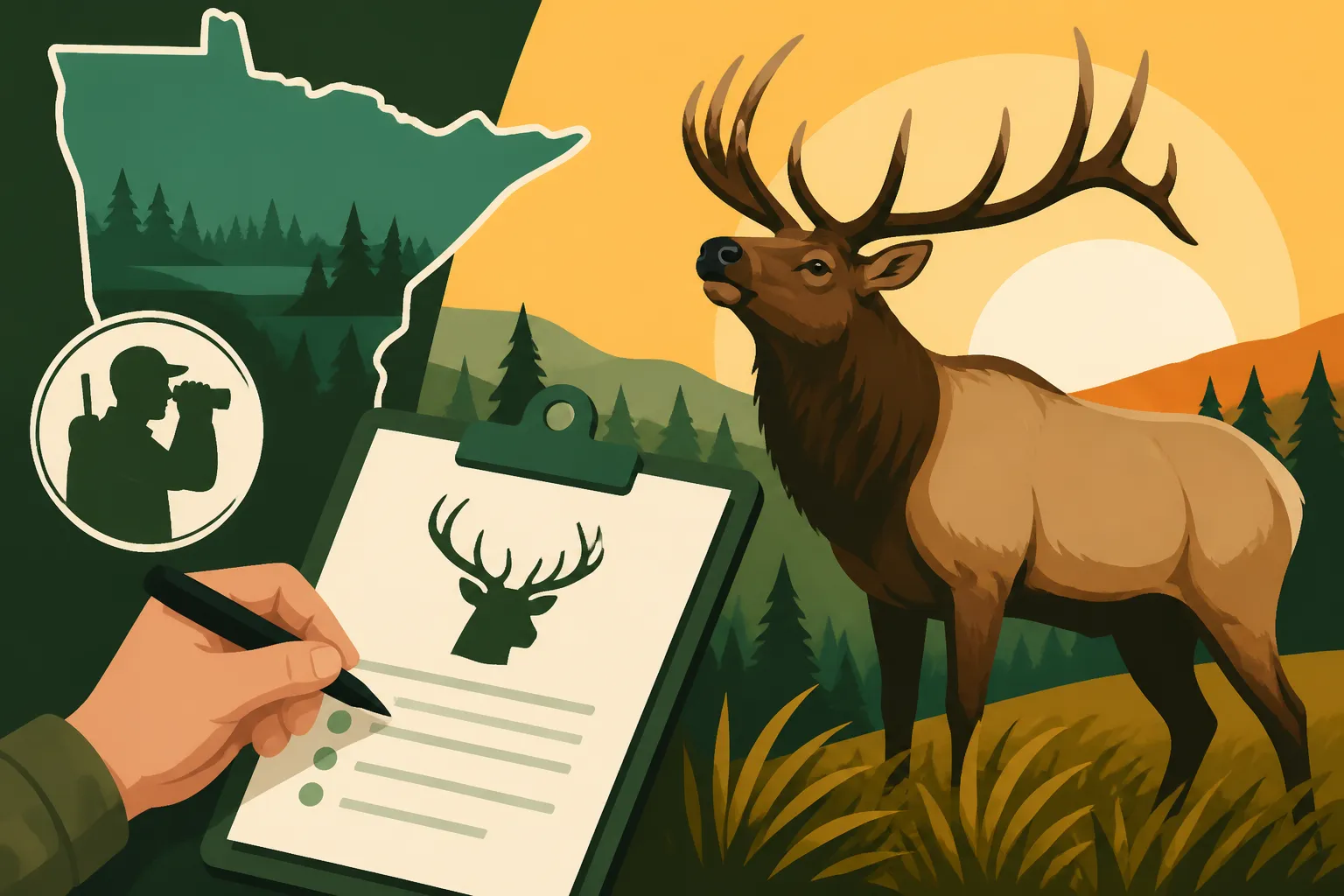
Drawing a Minnesota elk tag isn't just a tough draw; for many, it feels like an impossible dream, especially with that "once-in-a-lifetime" rule hanging over your head. It’s easy to get overwhelmed by the unique restrictions and the sheer rarity of the opportunity. This comprehensive guide is here to demystify the entire process, walking you through everything from understanding Minnesota's elusive elk herds to navigating the application system and what to do if you're one of the incredibly lucky few.
Understanding Minnesota's Unique Elk Herds and the 'Once-in-a-Lifetime' Opportunity
Minnesota isn't exactly the first place that comes to mind when you think of elk hunting, and that's precisely why this opportunity is so special—and so rare. Our state boasts a small, but tenacious, elk population that has carved out a niche in the northwestern corners. These are not your typical Rocky Mountain elk, and understanding their unique circumstances is the first step toward appreciating the hunt.
The Kittson and Marshall County Herds
Our Minnesota elk population isn't sprawling across vast mountain ranges. Instead, they're concentrated into a few distinct herds, primarily found in the mosaic landscapes of Kittson and Marshall Counties. These animals are thought to be descendants of elk that migrated down from Manitoba, Canada, and their numbers were later bolstered by thoughtful reintroduction efforts by the Minnesota Department of Natural Resources (DNR). These herds navigate a fascinating mix of agricultural fields, dense brushlands, and scattered timber pockets. It's a stark contrast to the big woods deer hunting many Minnesotans are used to, presenting a unique challenge that blends prairie and timber hunting tactics. The DNR works tirelessly to manage these herds, aiming for a delicate balance between supporting a healthy population and mitigating the impacts on local agriculture, which can be a real headache for farmers. Even if you're years away from potentially drawing a tag, taking the time to understand these localized herd dynamics is incredibly valuable.
Why the 'Once-in-a-Lifetime' Restriction
The "once-in-a-lifetime" rule for Minnesota elk isn't just a catchy phrase; it's a fundamental pillar of our state's elk management strategy. What it means, in plain English, is that if you are fortunate enough to draw and then harvest a Minnesota elk, your elk hunting journey in this state is complete. You cannot apply again, ever. This strict regulation is a direct consequence of our state's incredibly small elk population and the extremely limited number of tags issued each year. It's designed to ensure that as many different hunters as possible get a chance to experience this truly unique opportunity. This isn't like deer hunting, where you can buy a tag every year. This is a one-shot deal, which undeniably adds immense pressure and significance to the entire process, from application to the hunt itself. It emphasizes why researching every detail, perhaps even using a comprehensive hunting app like GoHunt to analyze historical draw odds, becomes an absolutely critical step. Knowing that you truly only get one shot makes you want to make the most of the preparation. This restriction is one of the key "Minnesota Elk Lottery Rules" that sets this hunt apart.
Navigating the Application Process for a Minnesota Elk Tag
Getting your name into the lottery for a Minnesota elk tag is a specific, detail-oriented process. It's not complicated, but missing a step or a deadline can mean waiting another year, and nobody wants that when an opportunity this rare is on the line.
Eligibility and Key Deadlines
Before you even dream about drawing a tag, you need to make sure you're eligible to apply. Generally, any Minnesota resident or nonresident who holds a valid "Minnesota Hunting Licenses and What They Cost" (specifically, a base hunting license) and has completed the state's required "Minnesota Hunter Safety Requirements" can throw their hat in the ring. The critical caveat, of course, is that you cannot have previously harvested a Minnesota elk. This strict "once-in-a-lifetime" rule really simplifies things but also makes it a truly exclusive club.
The application period is usually a narrow window, typically opening in late spring and closing around mid-June. Missing this deadline is the most common reason aspiring elk hunters get sidelined for a year, so marking your calendar is non-negotiable. Always double-check the exact dates on the official Minnesota DNR website or reliable hunting publications. This small detail, the "Minnesota Elk Application Deadline," is arguably the most important date for any hopeful elk hunter. If you're a "Minnesota Nonresident Hunting License Options" holder, be sure to check for any additional requirements specific to out-of-state applicants.
Understanding the Permit Areas
Minnesota's elk are not evenly distributed, which means the hunting opportunities are also localized. The DNR divides the state's elk range into specific hunt zones or permit areas, and each one has its own allocation of tags, if any. These zones are primarily clustered in the far northwestern part of the state. For example, you'll encounter zones such as "Kittson Central," "Kittson Northwest," "Caribou-Vita," and "Grygla." Each of these zones corresponds to a particular geographical region where elk herds are known to exist.
What makes one zone different from another? It usually boils down to elk population density and the specific habitat. Some areas might have a slightly higher number of tags available simply because they hold more elk or present more management challenges. When you apply, you'll typically be asked to rank your choices for these permit areas. It’s a smart move to research each one, look at past success rates, and get a feel for the terrain characteristics. What works for an elk in the brushy river bottoms of Caribou-Vita might be different than for one in the agricultural fringe of Kittson Central. Knowing the "Minnesota Elk Hunt Zone Boundaries" for each area is vital for making an informed choice on your application.
The Application Mechanics
The actual process of applying for your Minnesota elk tag is fairly streamlined, handled almost entirely online through the Minnesota DNR's eLicense system. It’s user-friendly, but you still need to pay close attention to the details. You’ll navigate to the big game lottery section, select the elk lottery, choose your preferred permit areas (usually first and second choice options), and pay the non-refundable application fee. Keep in mind, this fee is simply to enter the drawing; it doesn't guarantee you a tag.
During the application, you'll also decide whether to apply as an individual or as part of a party. Party applications have specific rules that can influence your draw odds, especially if one member has significantly more preference points than another. Always read the fine print! It's worth taking your time, reviewing all your selections carefully, and double-checking that everything is accurate before hitting that final submit button. Once it's in, it's in.
Maximizing Your Chances and What to Expect After Applying
Let's be brutally honest: applying for a Minnesota elk tag requires a significant amount of patience and a healthy dose of realism. The odds are long, but understanding the system can make those odds slightly more favorable over time.
Preference Points and How They Work
Minnesota's elk lottery uses a preference point system, a mechanism designed to reward hunters who consistently apply year after year without success. Here’s how it works: every year you apply for an elk tag and are unsuccessful in the drawing, you accrue one preference point. When the actual draw takes place, applications with more preference points are considered before those with fewer. It's not a true bonus point system where points are pooled and drawn from, but rather a system that prioritizes long-time applicants.
For example, if a particular permit area has 5 tags available and there are 100 applicants, the first 5 applications selected would be those with the highest number of preference points. If there's a tie in points, a random drawing among those tied applicants determines the winner. This system means that while a first-time applicant could theoretically draw a tag, your actual chances of success increase significantly the more years you apply and accumulate points. Many successful applicants will tell you they waited well over a decade, some even two or three, patiently building up their points. This long game is crucial for understanding "Minnesota's Elk Lottery Rules."
Interpreting the Odds
Now for the dose of reality: the odds of drawing a Minnesota elk tag are, to put it mildly, astronomically low. We’re often talking about draw odds far below 1%, especially for some of the more sought-after zones. Each year, only a very small number of tags are issued—sometimes only 20-30 statewide across all available zones. When you consider that hundreds, if not thousands, of hunters apply, the math quickly highlights the incredible challenge.
For instance, if you look at "How Many Minnesota Elk Tags Are Issued" in any given year, and then compare that to the applicant pool, you'll quickly see the uphill battle. This is precisely why that preference point system is so important. Don't go into this process expecting to draw on your first, fifth, or even tenth try. Instead, view each application as a long-term investment in a truly once-in-a-lifetime opportunity. Resources like GoHunt often provide historical draw data and analysis, which can offer a clearer picture of the "Elk Hunting Odds in Kittson County" or other specific areas, helping you manage your expectations.
| Permit Area Name | Primary Counties | Estimated Annual Tags | Average Preference Points to Draw (Historical Estimate) | Key Habitat Characteristics |
|---|---|---|---|---|
| Kittson Central | Kittson | 5-10 | 10-15+ | Farmland, small woods, brush |
| Kittson Northwest | Kittson | 5-10 | 10-15+ | Farmland, open prairie, brush |
| Caribou-Vita | Kittson, Roseau | 2-5 | 15-20+ | Forested, marsh, willow thickets |
| Grygla | Marshall | 2-5 | 15-20+ | Forested, marsh, timber pockets |
Note: The number of tags and average preference points are historical estimates and can fluctuate significantly year to year based on herd health, DNR management goals, and applicant numbers. These figures are meant to provide a general understanding of the difficulty.
Practical Considerations for the Lucky Few
The day you get that notification that your name has been drawn for a Minnesota elk tag will be unforgettable. It's a surreal moment, often followed by a flurry of planning and preparation. This isn't just another hunt; it's a monumental occasion that demands thorough preparation.
If You Draw a Tag: What's Next?
The draw results are typically announced in late summer or early fall. If your name is on that incredibly short list, the initial disbelief and elation will quickly give way to the need for serious planning. The very first thing to do is meticulously review all the information sent to you by the DNR. This packet will contain your specific hunt period dates, the precise boundaries of your permit area, and any special regulations that apply to your hunt. Remember, drawing the tag isn't the end; you'll still need to purchase the actual elk hunting license, which is a separate fee from your initial application.
This is the point where you truly shift from dreaming to doing. Reach out to local DNR staff who manage the "Elk Viewing in Northwest Minnesota" areas for insights, connect with fellow hunters who have drawn tags in the past, or tap into online communities for region-specific advice. Start making travel plans, coordinating with any hunting partners, and mapping out potential areas within your zone.
Preparing for the Hunt
An elk hunt in Minnesota is a vastly different beast than chasing whitetails in the hardwoods of the central part of the state. The terrain in the northwestern elk zones can be incredibly diverse: open agricultural fields, dense brush, willow thickets, and even boggy marshlands. Physical conditioning is paramount; you need to be prepared for long walks, potentially through challenging, uneven, and wet cover.
Scouting becomes absolutely critical. You are, quite literally, looking for a needle in a haystack, and a deep understanding of elk movement patterns within their specific habitat is key. Utilize modern mapping tools like the Minnesota Recreation Compass app, online satellite imagery, or premium hunting apps like GoHunt's mapping features. These tools can help you analyze aerial photos, identify potential bedding areas, travel corridors, and feeding grounds within the vast expanses of "Public Hunting Land in Minnesota" where elk might roam.
Your gear also needs to be top-notch. A reliable rifle chambered for elk, good quality optics (binoculars and a spotting scope can be invaluable in open country), and layered clothing appropriate for potentially cold, wet, and windy conditions are essential. Consider practicing long-range shooting if your permit area offers more open vistas, or focus on quick, close-range shots if you anticipate hunting in dense brush. This is your one shot; prepare like it’s the hunt of a lifetime.
Field Dressing and Transport Logistics
Successfully harvesting an animal as large as an elk is a monumental accomplishment, but it's only half the battle. Getting that animal out of the woods presents significant logistical challenges, especially if you're deep in a remote area. Unlike a deer, an elk requires substantial effort and planning to field dress and transport. You'll need a robust plan for extraction. This might involve using an ATV (only where legally permitted), a sturdy game cart, or even quartering the animal in the field and packing it out in sections. Having a dedicated hunting partner (or two!) is not just helpful; it's almost essential for this stage.
Additionally, be prepared for proper meat care, particularly if your hunt occurs during warmer early seasons. Large coolers, plenty of ice, and sturdy game bags are an absolute must to prevent spoilage. Always be aware of the "Minnesota Carcass Movement Restrictions" to ensure you comply with any chronic wasting disease (CWD) regulations, although the primary elk ranges in Minnesota are not typically in designated CWD management zones. Having a clear plan for processing and transporting your meat is as important as the hunt itself.
Disclaimer
Please note: Hunting regulations, season dates, and permit area boundaries can change. Always consult the official Minnesota Department of Natural Resources (DNR) website and current regulations booklet before applying or heading afield.