Setting Up Against a Big Oak
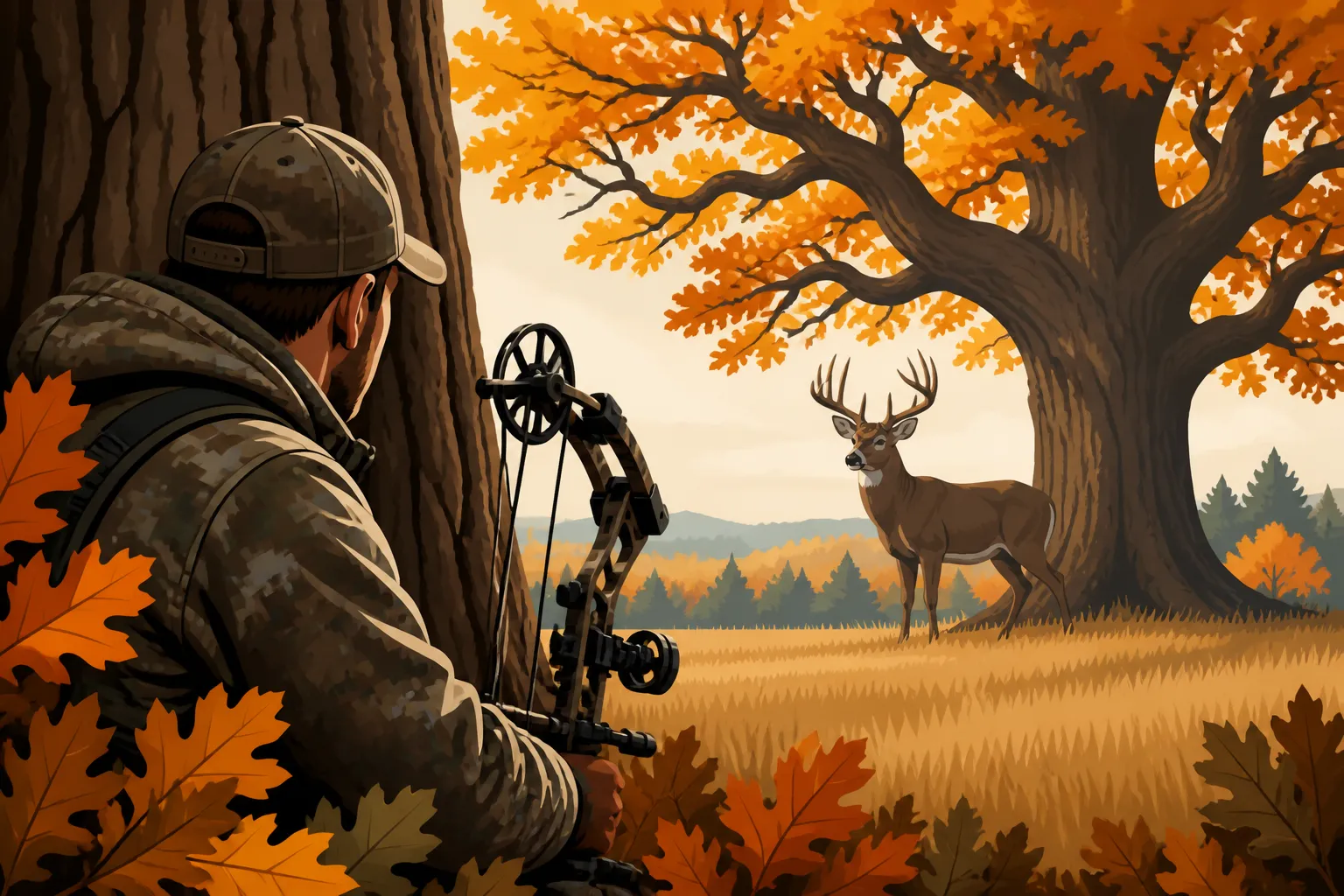
There’s nothing quite like the feeling of finding that perfect setup, especially when it comes to deer hunting in Minnesota. We’ve all been there: scouting hard, identifying a promising area, only to struggle with where to actually sit or stand to intercept a deer. Often, the solution lies right under a big, mature oak. This guide will walk you through exactly how to identify, scout, and effectively set up against these majestic trees to maximize your chances of success, transforming a good spot into a great one.
The Undeniable Allure of a Big Oak for Minnesota Deer
When autumn paints Minnesota's landscape in fiery hues, many hunters immediately think of cornfields or food plots. But for a whitetail, few things are more appealing than a steady shower of fresh acorns from a mature oak. These nutritional powerhouses are often overlooked by hunters who focus on the obvious, but savvy deer know exactly where to find them. The frustrating part, though, is that not all oaks are created equal, and finding the one that deer are hammering can feel like searching for a needle in a forest of needles.
Why Acorns are a Deer's Favorite Fall Treat
Acorns are a superfood for deer, packed with carbohydrates and fats that are crucial for putting on weight before the lean winter months. They’re essentially nature’s candy bar for whitetails. When a good mast crop hits, deer will often abandon other food sources, even lush alfalfa fields or highly desirable food plots, to feast exclusively on acorns. This preference isn't just anecdotal; studies consistently show that acorns are a top choice when available. The frustration here is that acorn crops are fickle – one year a tree might be dropping them like rain, and the next, it might produce hardly any. This variability means you can’t just assume your favorite oak from last year will be a hot spot this season. You've got to put in the legwork to confirm current activity.
Locating Prime Oak Stands and Identifying Activity
Finding an oak tree is one thing; finding one that’s actively dropping and being heavily used by deer is another entirely. Start by identifying oak ridges or flats using aerial photos, especially in areas like the mixed hardwoods of central Minnesota or the bluff country of the southeast. Look for distinct changes in canopy texture or color that might indicate an oak stand. Once on the ground, the real detective work begins. You're looking for evidence: fresh deer droppings with visible acorn fragments, tracks in the soft dirt around the tree, or even the tell-tale sign of freshly chewed acorn caps. Sometimes, you'll hear the subtle crunch of acorns underfoot, or even see squirrels frantically burying them, which is a good indicator of a current drop. Don't be fooled by older sign; you need fresh activity. A little bit of early season scouting can make all the difference, helping you avoid wasting precious hunting time on barren ground. For more on this, check out our guide on Scouting Minnesota Public Land Before Season.
The Oak's Role in a Deer's Daily Routine
Beyond just being a food source, big oaks often serve as critical hubs in a deer’s daily life. They can be located near bedding areas, acting as a convenient breakfast or dinner spot right off the couch, so to speak. Alternatively, a large oak flat can be a crucial stopover point for deer traveling between more distant bedding and primary food sources. Think of it as a rest stop with a buffet. During the rut, these areas become even more dynamic. Bucks will cruise through oak stands, scent-checking for does that are feeding. A mature doe that’s ready to breed might lead a buck right through the middle of an oak flat she frequents, making it a prime intercept location. Understanding these routines is key to Where Big Woods Bucks Bed in Minnesota and how they move throughout their habitat.
Masterful Scouting to Pinpoint Your Setup
You’ve found an oak that’s dropping, and the deer are hitting it. Excellent! Now comes the crucial step: deciding exactly where and how to set up. This isn't just about picking a tree to climb; it’s about reading the entire micro-terrain, understanding how deer will approach and exit, and making sure your scent and silhouette remain undetected. Many hunters get this far but blow it with a hasty setup, turning a surefire spot into an exercise in frustration.
Leveraging Mapping Tools and On-the-Ground Reconnaissance
Before you even step foot in the woods, use digital mapping tools like GoHunt to analyze the landscape. Look for natural funnels, pinch points, and cover that leads to and from the oak stand. Identify potential bedding areas nearby, water sources, and other food plots or thickets that might influence deer movement. When you're physically scouting, cross-reference what you see on the map with reality. Are there subtle elevation changes that create thermal drains? Is a thicket actually thicker or thinner than it appeared? Look for trails converging on the oak. Are they fresh? Are there rub lines or scrapes indicating buck activity? This detailed reconnaissance, much like what’s covered in Reading Aerial Photos for Big Woods Deer, helps you predict deer movement with greater accuracy.
Reading the Wind, Thermals, and Approach Routes
Wind direction is, without a doubt, the single most critical factor in deer hunting, especially when setting up on a food source like an oak. Deer have an incredible sense of smell, and one whiff of human scent can send them packing. Always plan your setup so the prevailing wind carries your scent away from where you expect deer to approach or feed. Thermals, which are rising or falling air currents, also play a significant role, particularly in the morning and evening. In hilly terrain, cold air often drains into valleys at dawn, and warm air rises up slopes at dusk. Understanding these dynamics, as explored in Wind and Thermals on a Minnesota Ridge, is paramount. Your approach and exit routes are equally vital. You need to be able to get to your setup and leave it without bumping deer. This often means using natural features like ditches, creek beds, or dense cover to obscure your movement and minimize noise.
Considering Sun Angle and Shot Opportunities
Another often-overlooked aspect is the sun's position. Imagine sitting in your stand for hours only to have the rising or setting sun glare directly into your eyes, obscuring your vision at a critical moment. Position your setup to avoid this. Also, consider how the sun might highlight your silhouette against the sky. A strategically placed setup will use existing cover to break up your outline. Beyond concealment, think about shot opportunities. Once you’ve picked a primary tree or spot for your stand or blind, identify key shooting lanes. What are the maximum and minimum distances? Are there any branches that will deflect an arrow or bullet? It’s far better to trim a few small branches before the season than to have a shot at a trophy buck ruined by an unseen twig.
Executing the Perfect Setup Strategy
You've done your homework. You know the oak is hot, you've studied the terrain, and you've considered the wind and sun. Now it's time to actually get set up. This stage is where many hunters get impatient, rushing the final steps and compromising their hard-won advantage. Whether you prefer a ground blind or a treestand, meticulous execution is key.
Ground Blinds Versus Treestands Under the Canopy
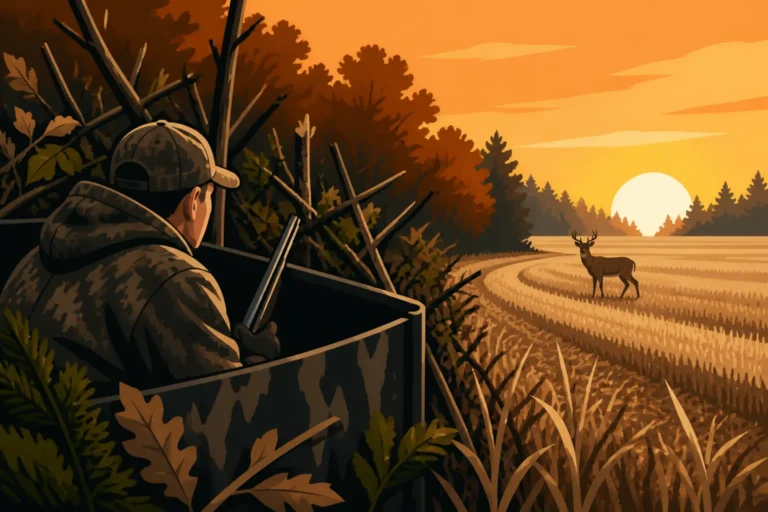
Both ground blinds and treestands have their place under a big oak. A treestand, like those discussed in Treestand Setups in Minnesota Hardwoods, offers a vertical advantage, getting your scent above a deer's nose and improving your visibility over brush. It also provides a better shot angle, especially for archery. However, installing a treestand takes more effort and stealth, and finding a suitable tree directly within the optimal zone can be challenging. A ground blind, conversely, offers excellent concealment and is often easier to set up, especially if you're not comfortable with heights or need to hunt with a younger hunter. The drawback is that your scent is at ground level, and your line of sight might be limited by brush. If you choose a ground blind, ensure it's brushed in well and set up far enough in advance for deer to get used to it. Our article on Using a Ground Blind on Minnesota Public Land offers more specific tips. The choice often comes down to the specific oak, the surrounding cover, and your hunting style.
Setup Comparison: Treestand vs. Ground Blind Under an Oak
| Feature | Treestand | Ground Blind |
|---|---|---|
| Visibility | Excellent, elevated perspective | Good, but limited by ground clutter |
| Scent Control | Generally better, elevated above deer's primary nose level | More challenging, scent at deer level |
| Concealment | Breaks up human silhouette against the sky | Excellent, if brushed in properly and used strategically |
| Mobility | Can be moved, but often more involved to install | Relatively easy to move and set up |
| Shot Angle | Steep downward angle, good for archery | Level shot, potentially through denser brush |
| Deer Acclimation | Less required, as it's less conspicuous | Benefits from advance placement and brushing in |
| Effort to Setup | Moderate to High (climbing sticks, stand hanging) | Low to Moderate (pop-up, brush in) |
| Safety | Requires harness, proper technique | Inherently safer, no climbing involved |
Crafting Discreet Entry and Exit Paths
This cannot be stressed enough: your entry and exit routes will make or break your hunt. You might have the best oak in the state, but if you spook deer on your way in or out, they'll become nocturnal or simply avoid the area. Identify paths that offer maximum cover, utilize terrain features (like depressions or ridge lines), and are downwind of where you expect deer to be. Ideally, these paths should avoid crossing primary deer trails, especially those leading directly to the oak. For example, if deer are likely to approach the oak from a thick bedding area to the north, your entry route should come from the south or west, always keeping the wind in your favor. Plan to arrive early, well before first light, and stay until after dark if possible, giving deer time to filter out of the feeding area before you depart. This level of stealth is paramount in making sure deer feel safe enough to visit these valuable food sources.
Clearing Lanes and Maximizing Concealment
Once you've chosen your setup location, take the time to clear any shooting lanes that might obstruct a shot. For archery hunters, even a small twig can deflect an arrow. For firearm hunters, a branch can obscure a vital area. Think about where a deer might likely stand while feeding and make sure you have a clear shot to their vitals from your chosen position. Remember to do this quietly and thoughtfully, minimizing your impact on the surrounding vegetation. Beyond shooting lanes, work on maximizing your concealment. If in a treestand, use natural back cover from other trees to break up your outline. If in a ground blind, brush it in thoroughly with local vegetation, making it blend seamlessly into the environment. The more natural you appear, the less likely a deer will spot you. Wearing appropriate camouflage for the season and surroundings is also critical.
Adapting Your Oak Hunting Tactics Throughout the Season
Deer behavior around oak trees changes significantly as the season progresses. What works in early October might be useless by late November. Being adaptable is a hallmark of a successful hunter, and understanding these shifts will allow you to leverage your prime oak setup for a longer period.
Early Season Feasts and Shifting Patterns
In the early archery season, when acorns first begin to drop, they are an absolute magnet. Deer will hit these trees hard, often in daylight, making it an excellent time to capitalize on a hot oak. However, this early season bounty won't last forever. As deer pressure builds, or as other food sources like newly cut cornfields become available, their patterns around the oak might shift. They might become more nocturnal, or they might move to less pressured oaks deeper in the woods. The critical thing here is to continually monitor activity. Are there still fresh droppings? Are the acorns still dropping steadily? If the activity wanes, it might be time to move your focus to other areas, or at least shift your hunting times to catch deer entering or exiting the oak stand at dawn or dusk. Don't forget, a significant part of Hunting After a Poor Acorn Year is knowing when to shift gears entirely.
Rut-Driven Activity Near Oak Flats
As October transitions into November, the focus shifts from pure feeding to the whitetail rut. While acorns are still a valuable food source, bucks will be more interested in finding does than purely filling their bellies. Oak flats, especially those with good cover nearby, become crucial crossroads. Does will still visit these areas to feed, and bucks will follow, cruising through scent-checking for receptive females. This is a fantastic time for rattling and grunting, as a buck might be more inclined to investigate sounds if he believes a rival or a doe is in his feeding territory. Position your stand or blind to cover not just the feeding area directly under the oak, but also the trails leading into and out of it, anticipating a cruising buck. Remember, Hunting the Rut in Late October requires you to be patient and ready, as buck movement can be sporadic but intense.
Late Season Scarcity and Survival Feeding
By late November and into the Minnesota muzzleloader season, most acorns will have been consumed or buried. The woods are often stripped bare, and deer are focused on survival. However, some oak varieties, particularly red oaks, might drop their acorns later or retain them longer, providing a crucial late-season food source when other options are scarce. Finding one of these late-dropping oaks can be a goldmine. Deer, particularly does and fawns, will be heavily reliant on any remaining sustenance. Bucks, though often worn down from the rut, will also be looking to regain weight. This is a time when deer movement might become more predictable, driven purely by the need to eat. Your setup needs to be even more stealthy in the sparse late-season woods. Consider a ground blind for maximum concealment if the leaves are gone. For more on this critical period, consult our guide on Late-Season Food Sources for Minnesota Whitetails. The colder temperatures also mean you need to be prepared with proper clothing, a topic we cover in Blaze Orange Jackets Versus Vests, to endure those long, frigid sits.
Disclaimer
The information provided in this guide is for general educational purposes only and is not a substitute for consulting official Minnesota Department of Natural Resources (DNR) regulations. Hunting laws and regulations can change frequently, and it is the responsibility of each hunter to understand and comply with all current state and federal laws before engaging in any hunting activities. Always prioritize safety and ethical hunting practices.