Hunting the Boundary Waters Canoe Area
The Boundary Waters Canoe Area Wilderness (BWCAW) calls to many, but for hunters, it presents a uniquely challenging and deeply rewarding experience that's far removed from the easily accessible public lands. The sheer scale and ruggedness of this wilderness can feel utterly overwhelming when you first consider pursuing game there, often leading to worries about how you'd even begin to navigate such a vast, roadless expanse, let alone successfully hunt and extract an animal. This guide aims to unravel the complexities of hunting the BWCA, providing practical insights and strategies to help you plan and execute a successful wilderness hunt in Minnesota's iconic Northwoods.
Understanding the Boundary Waters Canoe Area Wilderness
The Boundary Waters isn't just a big piece of land; it's a designated wilderness area, meaning it's managed specifically to preserve its primitive character and offer outstanding opportunities for solitude. This designation impacts everything from how you can access it to the gear you can bring, setting it apart from almost any other hunting ground in Minnesota. Forget about driving a truck to your stand or cruising logging roads on an ATV; the BWCA demands a different mindset entirely.
What Makes the BWCA Unique for Hunters
What truly sets the BWCA apart for hunters is its profound commitment to wilderness principles. It's a place where you trade convenience for an unparalleled sense of solitude and self-reliance. Miles of paddle strokes and challenging portages become your highway, and every piece of gear you bring must be carried on your back or in your canoe. This isn't just a physical challenge; it's a mental one, forcing you to strip away modern comforts and truly immerse yourself in the natural world. For many, this is the ultimate appeal: the chance to escape the constant pressure and crowds often found on more accessible public lands, and to truly test their woodcraft and determination. It's a place where the rewards, often measured in experience rather than antlers, feel earned in a way few other hunts can match.
Game Species Found in the BWCA
While the BWCA is known for its diverse wildlife, hunters primarily focus on a few key species. White-tailed deer are often the main target, especially those elusive "big woods bucks" that have grown wise in areas with minimal human disturbance. These deer might not be the giants found in rich agricultural areas, but they are often older, wilier animals, making a successful harvest feel truly significant. Ruffed grouse and woodcock also offer fantastic opportunities, especially in the aspen and alder regeneration found along the fringes and within the wilderness area. While black bears certainly call the BWCA home, actively hunting them within the wilderness boundaries is far less common due to restrictions on baiting and the sheer difficulty of a spot-and-stalk hunt in such dense cover. However, encountering a bear during your deer or grouse hunt is always a possibility and a reminder of the wildness surrounding you. Beyond game species, you’re likely to encounter moose, wolves, pine martens, and a myriad of birdlife, adding to the rich tapestry of the BWCA experience.
The Appeal of a Wilderness Hunt
There's an undeniable allure to a wilderness hunt, an almost magnetic pull for those who seek more than just a filled tag. In the BWCA, that appeal is amplified. It's an escape from the relentless grind of everyday life, a chance to disconnect from screens and reconnect with something primal within yourself. The silence, broken only by the dip of a paddle or the rustle of leaves, is a balm for the soul. The challenge of navigating, camping, and hunting deep in the woods, relying solely on your skills and preparation, forges a profound connection to the landscape. While antler size might be impressive, the true trophy here is often the experience itself: the sunrises over glassy lakes, the call of a loon echoing through the mist, and the quiet satisfaction of knowing you’ve pushed your limits and truly earned your time in the wild. This pursuit of solitude and self-reliance is what draws many back to the BWCA year after year, transforming hunting from a simple sport into a deeply personal quest.
Permits and Regulations for BWCA Hunting
Navigating the BWCA isn't as simple as driving up to a trailhead. Because it's a federally designated wilderness area managed by the U.S. Forest Service, there are specific permits and rules unique to the BWCA that you must understand and follow, in addition to standard Minnesota hunting regulations. Ignoring these can lead to hefty fines and a ruined trip.
General BWCA Entry Permits
To even set foot in the Boundary Waters, you'll need an entry permit. During the busiest season, typically May 1st through September 30th, the BWCA operates on a quota system, meaning a limited number of groups are allowed to enter at specific entry points on any given day. This helps preserve the wilderness character and ensures solitude. While hunters typically aim for the fall seasons, which often fall outside the peak quota period, it's still crucial to confirm permit requirements for your specific entry date. For example, if you're planning an early fall grouse hunt, you might still hit the tail end of the quota system. For deer season, particularly late October and November, the permit system is often more relaxed, sometimes requiring only a self-issued permit at the trailhead rather than a pre-reserved one. Always double-check the current regulations for your planned trip dates well in advance. Understanding these requirements is the first step in planning your adventure, and a good resource for this is our guide on Getting a Boundary Waters Entry Permit.
Hunting Licenses and Season Dates
Even within a federal wilderness area, state hunting laws still apply. This means you'll need to possess all appropriate Minnesota hunting licenses for the game you intend to pursue. For deer, that means a valid Minnesota deer license. For grouse or woodcock, a small game license and the Minnesota Migratory Bird Certification (HIP registration) if pursuing woodcock are required. It's imperative to consult the Minnesota Department of Natural Resources (DNR) regulations for the precise season dates for the specific game species and permit areas you plan to hunt within the BWCA. While the BWCA spans various deer permit areas, they all fall under statewide season structures for archery, firearm, and muzzleloader seasons. Typically, the general archery season extends well into the fall, offering ample opportunity. Firearm season opens later, but remember, the BWCA is entirely within zones where rifles are now legal statewide. For a detailed look at the broader deer season structure, you can refer to Minnesota Deer Seasons and Permit Areas. Always carry physical or digital proof of your licenses with you.
Prohibited Activities and Gear Restrictions
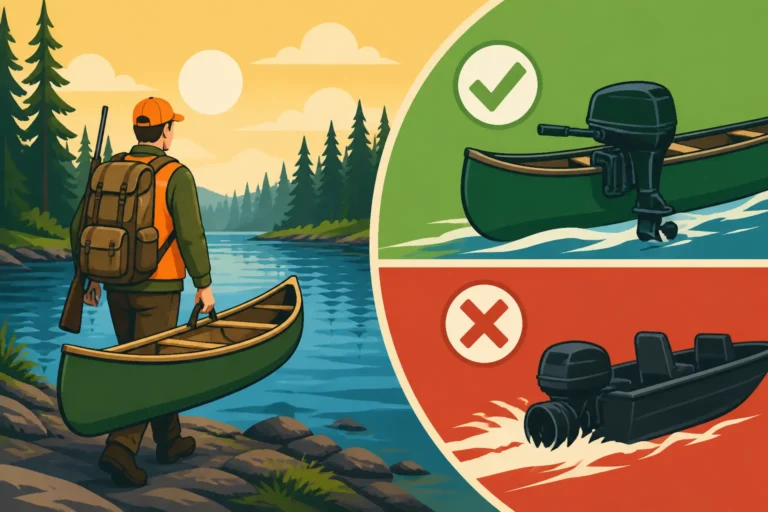
The "wilderness" designation means certain modern conveniences are strictly prohibited to maintain the area's primitive nature. The most significant restriction for hunters is the ban on motorized vehicles. This includes cars, trucks, ATVs, and even electric bicycles. All travel within the BWCA must be by paddle, portage, or foot. Wheeled carts, often used to make portaging easier, are also generally prohibited for transporting personal gear, though there are specific, limited exceptions for retrieving legally harvested game later in the season. You'll need to check the exact rules for game retrieval in your area and time of year. Understanding firearm transportation rules is also key; generally, firearms must be unloaded and cased while traveling, especially during portages or when not actively hunting. The spirit of the BWCA is about minimal impact, so be prepared to leave no trace and adhere to these regulations. For more on what kind of firearms are allowed statewide, check out Legal Firearms for Minnesota Deer Hunting.
Planning Your BWCA Hunting Expedition
A successful BWCA hunt isn't something you decide on a whim; it requires meticulous planning, a deep understanding of the terrain, and a realistic assessment of your own capabilities. This isn't a day trip; it's an immersive wilderness experience that demands respect for its challenges.
Choosing Your Entry Point and Route
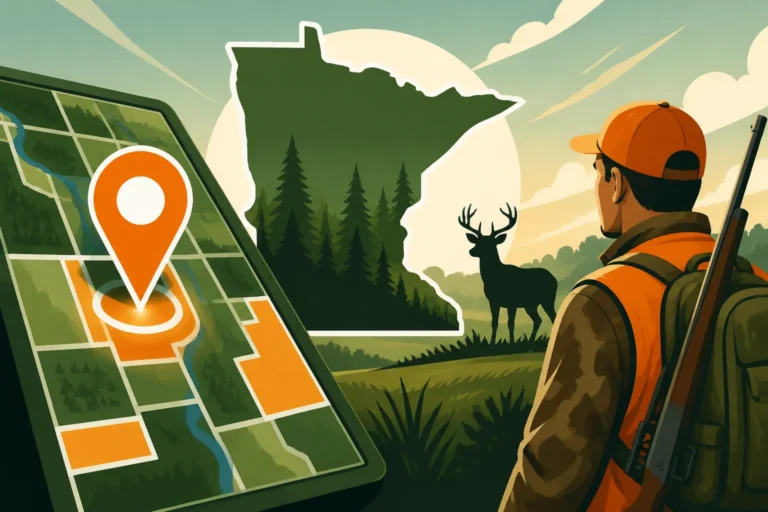
The Boundary Waters is vast, with dozens of entry points scattered along its perimeter. Your choice of entry point and the subsequent route through the lakes and portages will profoundly impact your hunting experience. Do you want to target deer in specific big woods habitat? Are you looking for dense stands of young aspen for grouse? Research is paramount. Start by studying maps, focusing on areas that show promising habitat features like varying topography, dense conifer swamps, recent timber cuts (if permitted and accessible), and natural funnels between lakes or ridges. Consider the length and difficulty of portages; shorter, flatter portages mean less physical exertion, while longer, steeper ones lead to more remote areas with potentially less pressure. Modern mapping tools are invaluable here. Applications like onX Hunt and GoHunt allow you to pore over satellite imagery, identify land features, mark potential stand locations or travel corridors, and even check land ownership boundaries if you're hunting near the wilderness edge. For a broader overview of state resources, our guide on Scouting With the Minnesota Recreation Compass App can be a great starting point for familiarizing yourself with public lands. Remember, a longer paddle and a few extra portages can often put you into country that very few other hunters bother to reach, drastically increasing your odds for a truly wild encounter.
Best Time of Year for a BWCA Hunt
Timing is everything in the Boundary Waters, and the "best" time depends largely on your target species and tolerance for weather. For white-tailed deer, the late archery season, particularly leading up to and during the rut in late October and early November, can be incredibly productive. Bucks are on the move, and the falling leaves improve visibility significantly. This period can also coincide with crisp, cooler temperatures, which are ideal for meat care. However, the weather can turn quickly, bringing snow or biting winds. If you're after ruffed grouse, earlier in the fall, typically September into early October, is prime. The leaves are often still on the trees, providing cover for the birds, but the temperatures are generally milder for paddling and hiking. Remember that the BWCA can experience severe weather rapidly, even in early fall, so being prepared for anything is non-negotiable. For detailed insights into deer behavior, especially during key periods, consider our article on Hunting the Minnesota Rut in Early November.
Trip Duration and Logistics
Once you've picked your entry point and planned your route, you need to be realistic about how long your trip will take. BWCA travel is slow. Paddling distances that might take an hour by boat on a regular lake can stretch significantly longer in a canoe, especially if you're paddling against a headwind or dealing with choppy water. Portages, especially with hunting gear, are physically demanding and time-consuming. Factor in ample time for travel to your hunting grounds, not just the hunting itself. A typical BWCA hunt might be anywhere from 4 to 7 days, giving you enough time to travel in, set up a comfortable camp, hunt effectively for a few days, and then manage the extraction. Always build in contingency days for bad weather, unexpected delays, or the joyous but challenging task of getting a deer out. Emergency plans are non-negotiable; carry a satellite communication device like a Garmin inReach or a Zoleo for emergency messaging, as cell service is virtually nonexistent deep in the wilderness. Share your detailed itinerary with someone reliable back home, including your entry and exit points, planned route, and expected return date.
Gear and Equipment for a BWCA Hunt
Packing for a BWCA hunt is a delicate balance of necessity and minimalism. Every item you bring must justify its weight and bulk, as you'll be carrying it all on your back and in your canoe. This is where thoughtful selection makes or breaks your trip.
Canoe and Paddling Essentials
Your canoe is your lifeline in the BWCA, serving as your primary mode of transportation. For hunting, a lightweight canoe, ideally made of Kevlar or carbon fiber, is almost a necessity for easier portaging. While aluminum canoes are robust, their weight quickly becomes a burden on longer portages, especially when combined with hunting gear. Make sure your canoe is large enough to comfortably carry you, your gear, and potentially a harvested animal. Don't forget durable, lightweight paddles (and a spare!), comfortable PFDs (personal flotation devices) that you'll wear constantly, and a small repair kit for minor canoe damage. You're far from help, so being able to patch a small hole or repair a broken paddle can literally save your trip. For more specific insights on selecting the right watercraft, you might find our article on Canoe Hunting Boundary Waters Deer and Grouse helpful.
Camping and Survival Gear
When you're deep in the BWCA, your campsite becomes your temporary home and sanctuary. A lightweight, durable tent capable of withstanding various weather conditions (rain, wind, potentially early snow) is crucial. Your sleeping system, consisting of a warm sleeping bag and an insulated pad, needs to be rated for temperatures colder than you expect, as fall nights can drop dramatically. A compact and efficient cooking system, including a reliable stove and fuel, is essential for warm meals and hot drinks. Water filtration or purification is non-negotiable; always assume surface water needs to be treated. Beyond these basics, a comprehensive first-aid kit is critical for dealing with cuts, sprains, and other wilderness mishaps. For deeper preparation on this front, check out First Aid Kits for Remote Northwoods Ground. Navigation tools must include both a reliable GPS unit with pre-loaded maps and a traditional map and compass (and know how to use them!). A good headlamp with spare batteries, fire starters, and cordage round out the basic survival necessities.
Hunting-Specific Gear Considerations
Given the portaging involved, every piece of hunting gear needs to be chosen for its practicality and weight. A lightweight rifle or a compact vertical bow or crossbow is ideal. Opt for minimal optics – a good pair of 8x or 10x binoculars and a simple rangefinder should suffice for the typical close-to-medium range shots you'll encounter in the timber. When it comes to field dressing and meat care, a sharp, sturdy knife, a compact bone saw (if you plan to quarter larger game), and plenty of breathable game bags are essential. Rope or cordage is invaluable for hanging meat or securing gear. Don't forget your blaze orange or blaze pink clothing, especially during firearm seasons; check current regulations on how much is required, as detailed in our guide on How Much Blaze Orange Minnesota Requires. Consider a pack frame for meat extraction if you anticipate a successful deer harvest; trying to carry quarters in a regular hunting pack over multiple portages is a recipe for disaster.
Navigating the BWCA: Maps, Apps, and Portages
The BWCA offers no roads, no signs (beyond portage markers), and often no cell service. Your ability to navigate this intricate network of lakes, rivers, and portages is paramount to your safety and hunting success.
Mastering Topographic Maps and Compass
In the BWCA, your most reliable navigation tools are often the oldest: a detailed topographic map and a good compass. While digital devices are incredible, batteries die, screens crack, and signals can be lost. Knowing how to read contour lines, identify terrain features like ridges, valleys, and water flow, and orient your map with a compass is a fundamental wilderness skill. Before you even set foot in the canoe, spend time studying your route on paper. Identify key landmarks, plan your intended campsites, and mark potential hunting areas. Practicing with a map and compass in familiar terrain before your trip can build confidence. Imagine hitting a long portage at dusk, weary from paddling, only to have your GPS die. Your paper map and compass become priceless in that moment, guiding you safely to your planned camp. Always keep your map in a waterproof case and accessible.
Utilizing Digital Mapping Tools
Despite the old-school emphasis, modern digital mapping tools can be a tremendous asset when used wisely. Apps like onX Hunt and GoHunt allow you to download detailed offline maps of the BWCA, complete with satellite imagery, topographical data, and public land boundaries. This means even without cell service, you can pinpoint your exact location, mark potential game trails, funnels, and bedding areas, and track your movement. You can set waypoints for your camp, specific hunting spots, or even where you last saw fresh sign. The satellite imagery can reveal subtle changes in vegetation or hidden access points that might not be obvious on a topo map. Just be sure to manage your device's battery life by carrying portable power banks and putting your phone or tablet in airplane mode. These tools, when combined with a solid understanding of map and compass navigation, provide an invaluable layer of security and precision in the trackless wilderness. For more on how these tools reveal the landscape, check out our piece on onX Layers for Minnesota Land Status.
Portaging: The BWCA's Rite of Passage
Portaging is the quintessential BWCA experience, and for hunters, it's often the most physically demanding aspect of the trip. A portage is a land trail connecting two bodies of water, over which you must carry your canoe and all your gear. They range from short, flat jaunts of a few rods (a rod is 16.5 feet) to grueling, multi-mile climbs over rugged terrain. The key to successful portaging is efficiency and a well-conditioned body. Most experienced BWCA travelers "double portage," meaning they carry half their gear, return for the canoe, then carry the remaining gear and canoe to the next lake. This saves energy compared to attempting one massive trip with everything. Pack your gear into comfortable, waterproof portage packs. Distribute weight evenly. Your canoe itself, even a lightweight one, can feel incredibly heavy after a few long hauls. While some limited motorized portage routes exist on the perimeter of the BWCA, they are generally not relevant for interior wilderness hunting. Instead, focus on conditioning and developing good technique. For a more detailed look at what to pack and how to carry it, consider reading Packing a Canoe for a Boundary Waters Hunt.
Hunting Strategies and Tactics in the BWCA
Hunting in the BWCA demands a blend of traditional big woods tactics and a deep appreciation for the unique terrain. Forget widespread food plots or dense human-made trail networks; here, you're relying on natural features and game movements shaped by true wilderness.
Deer Hunting in the Big Woods
Hunting deer in the BWCA is truly a "big woods" experience, where deer densities are generally lower than in agricultural areas, but the deer tend to be older and much less pressured. Success hinges on your ability to read the landscape and understand subtle deer movement patterns. Focus your efforts on natural funnels: narrow strips of timber between two lakes, saddles along prominent ridges, or the edges of dense conifer swamps where deer seek thermal cover. Lake edges themselves can act as travel corridors, especially where terrain features push deer along the shoreline. Still-hunting, moving slowly and deliberately through the timber, pausing frequently to observe and listen, is often highly effective. Alternatively, identifying key bedding areas or natural pinch points allows for quiet stand placement. Because the deer are less accustomed to human scent and sight, careful entry and exit routes to your hunting areas are paramount. Look for mature timber interspersed with younger growth, which provides both cover and browse. Our guide on Where Big Woods Bucks Bed in Minnesota can offer insights into these crucial areas. In this environment, patience and stealth are your greatest allies.
Ruffed Grouse and Woodcock Opportunities
For many, a fall BWCA trip isn't complete without a few ruffed grouse flushes. The mosaic of forest types within the wilderness, particularly areas with varying ages of aspen, provides excellent grouse habitat. Look for younger aspen cuts, typically 10-20 years old, which offer the dense undergrowth and budding forage grouse prefer. Alder runs along creek bottoms or wetland edges are prime locations for woodcock, especially during their fall migration. Hunting these areas requires a quiet approach, either still-hunting slowly or working with a well-trained flushing dog if permitted (check specific regulations for dog use). Listen for the distinct wing beats of a flushing bird, and be ready for quick, instinctive shots. Combining a grouse hunt with a deer hunt is a popular strategy; you're already deep in the woods, and the sounds of flushing birds can add excitement to your day. Early to mid-fall offers the best chances, with cooler temperatures making the hiking more comfortable. You can find more detail on this specific pursuit in Grouse Hunting From a Boundary Waters Campsite.
Bear Hunting: A Different Challenge
While black bears are residents of the BWCA, actively targeting them for a dedicated bear hunt in the wilderness presents significant challenges that deter most hunters. The primary reason is the federal wilderness designation which strictly prohibits baiting, a common and highly effective bear hunting method outside the BWCA. This leaves spot-and-stalk or still-hunting as the only legal options, which is incredibly difficult in the dense, often impenetrable Northwoods cover. Bears are naturally secretive and elusive. If you do consider a bear during your BWCA trip, it would likely be an opportunistic encounter while deer or grouse hunting. Focus on areas with natural food sources in late summer or early fall – berry patches, stands of oak (if present), or beaver ponds. However, be prepared for an extremely low success rate and the immense challenge of field dressing and extracting such a large animal from remote wilderness. For these reasons, most dedicated bear hunters choose areas outside the BWCA where baiting is legal and logistics are more manageable.
Meat Care and Extraction in Remote Wilderness
Successfully harvesting an animal deep in the BWCA is only half the battle. The real work begins when you face the daunting task of processing and extracting that meat from miles away from any vehicle access. This is where pre-planning and a strong back become invaluable.
Field Dressing and Quartering in the Field
When you're miles from civilization, the traditional "drag it out whole" method for deer simply isn't feasible, especially not over portages. The gutless method or meticulous quartering in the field becomes not just a preference, but a necessity. As soon as your animal is down, begin the field dressing process promptly to cool the meat. If you're quartering, break the animal down into manageable pieces: the four quarters, backstraps, and tenderloins. Removing all the bone you can will significantly reduce weight. Make sure you have clean, breathable game bags – individual bags for each quarter are ideal – to protect the meat from dirt, insects, and foreign matter. These bags allow air to circulate, aiding in cooling. Carry plenty of them. If it's warm, try to get the meat cooled as quickly as possible by hanging it in the shade. For a thorough understanding of this critical step, our guide on Field Dressing a Deer in Cold Weather offers insights into various methods that can be adapted for warmer conditions as well.
Transporting Meat Out
Once you have your game broken down and bagged, the next hurdle is transporting it out across rugged terrain and multiple portages. This is where the physical demands of a BWCA hunt truly hit. Each quarter of a deer can weigh a significant amount, especially if it's a larger buck. You'll likely need to make multiple trips over each portage, carrying one or two quarters at a time, along with your other gear. A sturdy pack frame is almost indispensable for this task, allowing you to comfortably carry heavy, awkward loads. Without a pack frame, you'll be struggling with bulky game bags tied to your regular pack, which is less efficient and more taxing. Plan your route with extraction in mind, perhaps choosing an entry point with shorter, flatter portages for your exit. The objective is to keep the meat cool and clean throughout the entire journey, which can take a day or more depending on how deep you are.
Dealing with Larger Game: Hypothetical Scenarios
While deer are the most common harvest, it's wise to consider the logistics of even larger animals. If, hypothetically, you were to harvest a black bear (though highly unlikely in a deliberate BWCA hunt due to challenges), the extraction effort would be monumental. A bear can easily weigh several hundred pounds, dwarfing a deer. You would absolutely need to quarter the animal, and likely make several trips over each portage, potentially requiring an extra day or two for extraction alone. This isn't just about weight; it's about the sheer volume of meat and hide. Every scenario underscores the importance of a well-equipped party and a contingency plan. Sometimes, the most realistic plan might involve contacting a local outfitter for assistance with extraction if you're close enough to the edge of the wilderness and logistics allow, though this is rare in deep BWCA. Regardless of species, always prioritize the meat by keeping it cool and clean. For generalized challenges in retrieving game from tough spots, reading Recovering a Deer From a Frozen Slough might offer some perspective on difficult extractions.
Safety and Leave No Trace Principles
Hunting in the BWCA isn't just about pursuing game; it's about embracing a profound wilderness ethic. Safety is paramount, and respecting the environment through Leave No Trace principles ensures the area remains pristine for future generations.
Wilderness Safety Essentials
When you're miles from the nearest road or emergency services, self-reliance and preparedness are your best defenses. Always tell someone reliable your detailed itinerary, including your entry and exit points, planned route, and expected return date. This "float plan" is crucial in case you become overdue. Weather in northern Minnesota can change rapidly and severely; be prepared for everything from warm sunshine to torrential rain, high winds, and early snow. Hypothermia is a constant threat, even in milder temperatures if you get wet. Pack appropriate layers of clothing (wool and synthetics are superior to cotton) and always have rain gear. A comprehensive first-aid kit is non-negotiable, and you should know basic wilderness first aid. Carry a reliable map and compass, and a GPS unit with extra batteries. Critically, invest in a satellite communication device (like an inReach or Zoleo) for emergency messaging. Cell service is virtually non-existent in the BWCA, so these devices can literally be lifesavers. Be aware of animal encounters; while dangerous encounters are rare, knowing how to react to a bear or a curious wolf is important.
Leave No Trace: Respecting the Wilderness
The BWCA's wilderness status comes with the responsibility to adhere to strict Leave No Trace principles. This means packing out everything you pack in, including all garbage, food scraps, and even spent bullet casings. Plan your meals to minimize waste. When field dressing an animal, scatter gut piles away from campsites, water sources, and trails, allowing them to decompose naturally without attracting unwanted scavengers to frequented areas. Dig a cathole for human waste at least 200 feet from water, trails, and campsites. Use established campsites and fire grates when available, and keep fires small. Better yet, use a stove for cooking to minimize firewood consumption and fire risk. Avoid cutting live trees for firewood or shelter; only use dead and downed wood. The goal is to leave no discernible trace of your presence, ensuring that the next visitor experiences the same pristine wilderness you did.
Dealing with Other Users
The Boundary Waters is a beloved destination for a wide array of outdoor enthusiasts, not just hunters. You'll likely encounter canoeists, hikers, and anglers who may not share your passion for hunting or even understand it. Maintaining a respectful and low-profile demeanor is key to peaceful coexistence. Be discreet when carrying firearms or field dressing game, especially if others are nearby. If approached by curious non-hunters, be polite, educational, and concise in your explanations of ethical hunting practices. Remember that a hunter in the wilderness is an ambassador for our sport, and positive interactions can help foster understanding. Ultimately, everyone is there to enjoy the wilderness in their own way. Sharing this incredible resource means respecting all users and adhering to the regulations that protect its unique character.
Here's a quick reference table for BWCA hunting considerations:
| Aspect | Considerations for BWCA Hunting |
|---|---|
| Access & Travel | Canoe and portage only; no motorized vehicles. |
| Permits | BWCA Entry Permit (may be quota-based, check dates) + MN Hunting Licenses. |
| Primary Game | White-tailed Deer (big woods bucks), Ruffed Grouse, Woodcock. |
| Challenges | Physical exertion (portaging), remote navigation, meat extraction, unpredictable weather. |
| Key Gear | Lightweight canoe, portage packs, satellite communicator, topo maps, compass, game bags, pack frame. |
| Hunting Strategy | Still-hunting, focus on natural funnels, ridges, lake edges. Stealth and patience are vital. |
| Meat Care | Essential to field dress and quarter immediately. Use game bags. Plan for difficult extraction. |
| Safety | Carry emergency comms, first-aid, know wilderness skills, inform someone of your itinerary. |
| Environmental Ethic | Strict adherence to Leave No Trace principles. |
The Boundary Waters Canoe Area Wilderness offers a hunting experience unlike any other in Minnesota. It demands more from you physically and mentally, pushing your limits in a way that truly tests your outdoor skills. But for those willing to embrace the challenge, it offers an unparalleled sense of accomplishment, connection to the land, and the raw, untamed beauty of true wilderness hunting. It's a journey into the wild, where every paddle stroke and every step on a portage brings you closer to an experience that will stay with you long after you've returned home.
Disclaimer
This article is for general informational purposes only and does not constitute professional advice. Laws, prices and regulations vary by location and change over time. Consult a qualified professional for guidance on your specific situation.