Minnesota Posted Land Rules
It's happened to every Minnesota hunter: you're deep in the woods, maybe tracking a buck or pursuing a flushing grouse, and suddenly, a flash of purple paint or a weather-beaten "No Trespassing" sign catches your eye. That knot in your stomach? It’s the very real fear of accidentally crossing onto private land and facing severe consequences. Understanding Minnesota's posted land rules isn't just about avoiding trouble; it's about respecting landowners, upholding the integrity of our hunting heritage, and ensuring you can enjoy your time afield with peace of mind. This guide will clarify exactly what "posted" means in our great state and how to hunt responsibly.
Understanding Minnesota's Trespass Laws: What "Posted" Really Means
Navigating the nuances of land ownership in Minnesota can feel like a minefield, especially when property lines aren't clearly marked. But the reality is, as a hunter, the onus is always on you to know where you stand. Understanding what constitutes trespass and how landowners legally delineate their property is the first step toward responsible hunting.
The Basics of Minnesota's Trespass Statutes
In Minnesota, trespass isn't just about ignoring a "No Trespassing" sign. Our laws dictate that it is unlawful to enter private land for the purpose of hunting, fishing, or trapping without permission. This is a crucial distinction. Unlike some states where a lack of a "No Trespassing" sign might imply implied consent, in Minnesota, the default position for private land is that you need permission. Whether that permission is verbal or written is a conversation we'll dive into, but the fundamental principle remains: if it's not explicitly public land, or you haven't secured permission from the owner, you shouldn't be there. This applies to land that might seem "unimproved" or remote – every acre usually has an owner, and that owner has rights.
Imagine you're hunting a sprawling parcel of public land, perhaps a State Forest or WMA, and you decide to follow a deer track that leads into what looks like an adjacent fallow field. There are no signs, no fences, just open ground. Without prior permission from the owner of that field, you are technically trespassing the moment you step off the public boundary. This responsibility rests squarely on your shoulders as the hunter. It’s not enough to say you "didn't see a sign" or "didn't know."
Beyond the Sign: How Landowners Mark Boundaries
While the classic "No Trespassing" sign is still prevalent, Minnesota landowners have several legal ways to mark their property, and hunters need to recognize them all. It's not always a bright orange placard nailed to a tree.
One of the most important methods to understand is the use of purple paint. In Minnesota, a property owner can mark trees or posts with a single, vertical stripe of purple paint at least eight inches long, with the bottom of the stripe between three and five feet from the ground. These marks must be placed at intervals of 100 feet or less along the property boundary. This purple paint serves the same legal purpose as a written "No Trespassing" sign. If you see purple paint, consider that line impassable without explicit permission. It's a clear, unmistakable signal from the landowner.
Beyond purple paint and traditional signs, fences, gates, and even natural barriers like deep ditches or creeks can indicate a property line, though they don't legally substitute for proper posting. When you encounter a fence, for example, it's a good visual cue to check your maps. A "No Hunting" sign is also important; it might imply that other activities are allowed, but hunting is specifically prohibited. However, a "Private Property" sign generally means no entry for any purpose without permission. Recognizing these various markers and understanding their legal weight is crucial for staying on the right side of the law.
The Legal Ramifications of Trespassing While Hunting
Trespassing in Minnesota, especially while hunting, isn't a minor infraction. The potential penalties can be quite severe, ranging from hefty fines to the loss of hunting privileges, and even the confiscation of your hunting equipment and harvested game. This isn't just a hypothetical threat; conservation officers take these violations very seriously, as they are a significant source of conflict between landowners and hunters.
Consider a scenario where you've shot a deer, and it runs onto posted land. You know you need to retrieve it, but you push forward without permission. If a landowner or conservation officer catches you, you could be cited for trespassing, and potentially lose the deer, your firearm, and face substantial financial penalties. The inconvenience and embarrassment alone are enough to deter most. Repeated offenses can lead to even more significant penalties, including longer suspensions of hunting and trapping licenses. The message is clear: the risk is simply not worth it. It damages your reputation, hurts the public image of hunters, and creates unnecessary legal headaches that can follow you for years.
Navigating Public and Private Boundaries in the Field
Even with the best intentions, it can be challenging to know exactly where you are, especially in dense woods or unfamiliar terrain. Modern technology and a proactive approach are your best allies in navigating Minnesota's complex landscape of public and private land.
Tools for Identifying Property Lines
In today's hunting world, relying solely on paper maps or memory is often not enough. Technology has given us incredible tools to identify property lines with pinpoint accuracy, making it much easier to avoid accidental trespass. Apps like onX Hunt have revolutionized how hunters understand land ownership. These applications overlay public and private land boundaries directly onto detailed satellite imagery and topographic maps on your smartphone or GPS device. You can see your exact location relative to these lines, identify landowner names, and even discern specific parcel boundaries. This is invaluable, particularly when hunting areas with a mosaic of land types.
For example, when you're preparing for a hunt, you can use these apps to scout from your couch, identifying potential access points, likely deer travel corridors, and crucially, where public land ends and private land begins. This can save you countless hours of scouting and prevent awkward encounters in the field. When you're out hunting, a quick glance at your phone or GPS with the onX Layers for Minnesota Land Status engaged can instantly tell you if you're about to cross onto private property. Even if you're in an area with spotty cell service, many of these apps allow you to download maps for offline use, ensuring you always have critical information. Using Recreation Compass Without Cell Service is another great option to explore before you head out. These tools put accurate land ownership information literally at your fingertips, making it inexcusable to claim ignorance about property lines.
The Importance of Gaining Permission
There's no substitute for permission when it comes to hunting private land. Proactively seeking permission not only keeps you legal but also builds positive relationships with landowners, which can open up future hunting opportunities. Most landowners appreciate being asked, even if they ultimately say no. It shows respect for their property and their rights.
When you decide to ask for permission, do it well in advance of the season. Don't wait until opening morning to knock on a door. Approach landowners respectfully, clearly state your intentions (e.g., "I'm hoping to bowhunt for deer" or "I'd like to pheasant hunt with my dog"), and be prepared to hear "no." If they grant permission, be clear about the terms: where can you park? Are there areas off-limits? Do they want to know when you're coming and going? Offering to help with chores, sharing some of your harvest, or simply leaving a thank-you note can go a long way in solidifying that relationship for future seasons. Asking a Minnesota Farmer for Permission can be intimidating, but it's a vital skill for expanding your hunting access. The respect you show will reflect on all hunters.
Handling Ambiguous or Unmarked Boundaries
Sometimes, despite your best efforts, you might find yourself in a situation where property lines are ambiguous, poorly marked, or you simply lose track in the excitement of the hunt. What do you do if you're suddenly unsure if you've crossed onto private land? The golden rule here is to err on the side of caution. Immediately stop, consult your map (using tools like GoHunt or onX Hunt to get your precise location), and if there's any doubt, back out.
Imagine you're still-hunting a timber edge, focused intently on the forest ahead, and you realize the topography has changed. You check your map and see a faint property line running through the area, but there are no signs on the ground. Instead of pushing forward, which could be trespassing, calmly and quietly retreat the way you came, re-establishing your position on clearly identified public land or land where you have explicit permission. Then, from a safe, legal vantage point, re-evaluate. It might mean giving up a hot track or a good-looking piece of cover for the day, but it's infinitely better than facing legal trouble and damaging your reputation as a responsible hunter. Remember, Finding Minnesota Property Lines is your responsibility, not the landowner's to perfectly mark every inch of their boundary.
Specific Scenarios: When Posted Rules Get Tricky
While the general rules seem straightforward, real-world hunting situations often present unique challenges that can make "posted land" rules feel a lot more complicated. Let's tackle some of these common dilemmas.
Retrieving Game from Posted Land
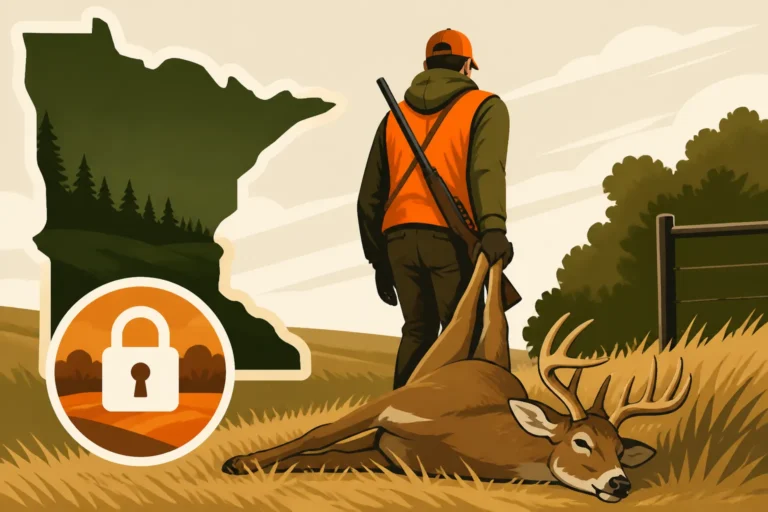
This is perhaps one of the most stressful situations a hunter can face. You've made a good shot, but your deer, turkey, or even a downed duck has landed on land that is clearly posted "No Trespassing." The law is crystal clear on this: you must obtain permission from the landowner before entering private land, even for game retrieval. Simply seeing your animal across the fence does not give you the right to enter.
What do you do? First, mark the location of the animal as precisely as possible from the legal side of the fence. Then, make every reasonable effort to contact the landowner. If you can reach them, explain the situation calmly and respectfully. Many landowners, when approached with courtesy, will grant permission for retrieval, especially if you offer to show them where the animal is and how you'll access it without disturbing anything else. If you cannot reach the landowner, or they deny permission, your next step is to contact a conservation officer. The officer may be able to contact the landowner on your behalf, or in some specific circumstances, may be able to assist in retrieving the animal. Under no circumstances should you trespass to retrieve game. Doing so will not only land you in legal trouble but could also result in the loss of the game itself, and possibly your hunting privileges. For more details, check out Retrieving Game From Private Land in Minnesota.
Roads, Easements, and Access Points
The rules surrounding roads, easements, and access to public land that is surrounded by private parcels can be a bit confusing. In Minnesota, simply being on a public road or an easement that crosses private land does not grant you the right to hunt or shoot onto the adjacent private property. "Road hunting" generally refers to hunting from a motor vehicle, which is typically illegal. You must be off the road right-of-way and on land where you have legal permission to hunt.
Public road rights-of-way can vary in width, and it's not always clear where the public land ends and private land begins. This is another area where a good mapping app is invaluable. If you're using a public road to access a public hunting area that's bordered by private land, make sure you clearly identify the public land boundary before setting up to hunt. It's a common mistake for hunters to set up too close to the road, inadvertently trespassing or hunting from an illegal position. Always verify your position before you hunt, and never assume that proximity to a public thoroughfare grants hunting rights on bordering private property. Understanding Minnesota Trespass and Permission Law is paramount here.
Waterways and Navigable Waters
Minnesota is the "Land of 10,000 Lakes," and its waterways are a vital part of our hunting heritage, especially for waterfowl. The public generally has the right to use navigable waters for recreation, including hunting, regardless of who owns the land beneath or bordering those waters. However, this right of passage doesn't automatically extend to the shoreline or adjacent uplands if they are privately owned.
This means you can hunt ducks from a boat on a public lake, even if the shore is privately owned. But you cannot step onto that private shoreline, build a permanent blind there, or necessarily shoot over that private land if it constitutes trespass. The boundary between public water and private land can be complex, often depending on the ordinary high-water mark. If you plan to hunt close to shore, always check your maps carefully. For example, if you push your canoe into a small bay or slough that is completely surrounded by posted private land, even if it appears to be water, you might be infringing on the landowner's rights if the water body itself isn't considered navigable public water. Always be aware of your position and respect private property even when utilizing public waterways.
Best Practices for Respecting Posted Land and Landowners
Ultimately, being a responsible hunter in Minnesota means going beyond just following the letter of the law. It means being a good neighbor, a thoughtful land user, and an ambassador for the entire hunting community. Our collective access to hunting opportunities, both public and private, depends on it.
Proactive Planning and Communication
The best way to avoid issues with posted land is to plan ahead. Before you even leave the house, spend time with your mapping tools like onX Hunt or GoHunt. Identify clear public land boundaries, note areas of concern, and if you plan to seek private land permission, have landowner contact information ready. Print out maps, mark potential access points, and understand the lay of the land.
If you are granted permission to hunt private land, clarify all the landowner's expectations. Do they want a call or text before you arrive? Are there specific areas they prefer you not to hunt? Do they want to know if you harvest an animal? Clear, respectful communication goes a long way. And what if you witness someone else trespassing? It's often best to discreetly note the details (location, time, vehicle description, actions) and report it to a conservation officer rather than confronting individuals yourself. This helps protect the integrity of our hunting lands for everyone. In some cases, landowners might even require Do You Need Written Permission in Minnesota?, so be prepared for that possibility.
Being a Good Ambassador for Hunters
Every time you step into the field, whether on public or private land, you represent the entire hunting community. Your actions, good or bad, reflect on all of us. When you hunt private land, you have an even greater responsibility to be an exemplary guest. This means leaving gates as you found them (closed if they were closed, open if they were open), not driving off-road without explicit permission, packing out all your trash (and maybe even a little extra that wasn't yours), and avoiding damage to crops, fences, or other property.
A handwritten thank-you note after your hunt, or offering to share some of your game, can solidify a positive relationship with a landowner for years to come. These acts of consideration build goodwill, foster trust, and ensure that landowners remain open to allowing hunters on their property in the future. Hunting Small Private Tracts in Minnesota often depends on these personal relationships. Think long-term, beyond just your immediate hunt.
Understanding "No Hunting" vs. "No Trespassing"
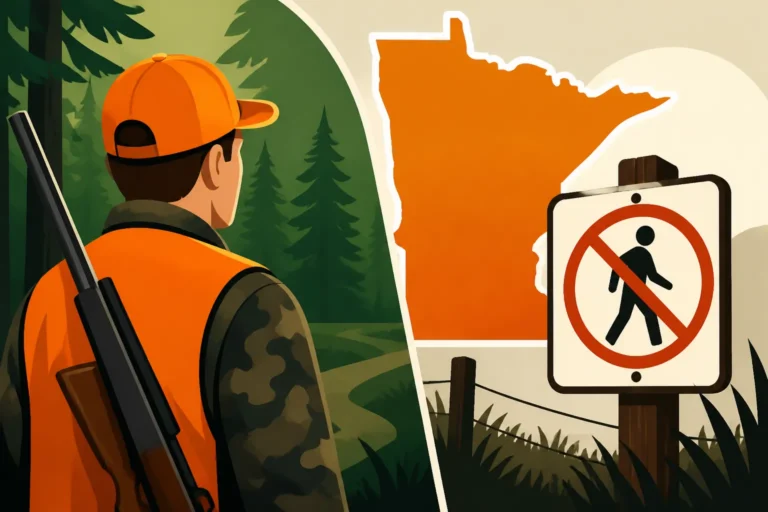
While often used interchangeably by the public, there can be subtle but important differences between "No Hunting" and "No Trespassing" signs that are worth noting. A "No Trespassing" sign generally means no entry for any purpose without permission. It's an unequivocal statement from the landowner that they want no unauthorized individuals on their property.
A "No Hunting" sign, however, might imply that other activities (like hiking, birdwatching, or mushroom foraging) are permitted, but hunting is specifically prohibited. While you still need to verify if any entry is allowed, the distinction can be important. If you find a "No Hunting" sign where you've previously retrieved game, it's possible a landowner might still grant specific, one-time permission for retrieval if approached respectfully. Always clarify with the landowner. But when in doubt, "No Trespassing" means exactly that. Building these relationships, as discussed in Knocking on Doors in Minnesota Farm Country, means understanding their specific concerns and being adaptable. Also, using tools like Reading Aerial Photos for Big Woods Deer can help you scout from afar without needing to step foot on private property first.
Minnesota Posted Land Rules at a Glance
| Marking Type | Legal Meaning in Minnesota | Required Hunter Action | Notes |
|---|---|---|---|
| "No Trespassing" Sign | Absolute prohibition against entry for any purpose | Do NOT enter without explicit landowner permission. | Applies to all activities, including game retrieval. |
| Purple Paint | Same legal weight as "No Trespassing" sign | Do NOT cross this line without explicit landowner permission. | Vertical stripe, 8" long, 3-5' off ground, 100' intervals. |
| "Private Property" Sign | Generally indicates no entry for any purpose | Do NOT enter without explicit landowner permission. | Treat with the same caution as "No Trespassing." |
| "No Hunting" Sign | Hunting is specifically prohibited | Do NOT hunt this land. Seek clarification for other activities or retrieval. | Other activities might be permitted, but always verify. |
| Unmarked Private Land | Assumed posted for hunting, fishing, trapping | Always obtain permission before entering for these activities. | Hunter's responsibility to know land ownership. Maps are key. |
| Fences/Gates | Visual cue of boundary, but not legal posting itself | Check maps, do not cross without permission if private. | Always close gates you open, even if not marked. |
Disclaimer
This article is for general informational purposes only and does not constitute professional advice. Laws, prices and regulations vary by location and change over time. Consult a qualified professional for guidance on your specific situation.