St. Croix State Forest Hunting
Hunting public land in Minnesota can feel like a game of musical chairs, especially when you're trying to find a spot that offers both opportunity and a bit of elbow room. For many of us, the vastness of some state forests can be intimidating, while others are small and feel picked over. But don't despair – places like St. Croix State Forest offer a fantastic blend of accessible terrain and diverse wildlife, making it a prime destination for dedicated hunters. This guide will walk you through what makes St. Croix a unique and rewarding hunting area, covering everything from its layout to specific tactics and regulations.
Discovering St. Croix State Forest: Your Public Hunting Ground
St. Croix State Forest, nestled primarily in Pine County, is one of Minnesota's hidden gems for public land hunters. It’s not as vast as some of the sprawling northern national forests, but what it lacks in sheer size, it more than makes up for in character and accessibility. This forest offers a classic mix of Minnesota habitat, providing excellent opportunities for a variety of game species. For those of us who appreciate the solitude of the timber but also need reasonable access, St. Croix strikes a fantastic balance.
It can be a real struggle to find public land that isn't either swarming with other hunters or so remote it requires a multi-day expedition just to scout. St. Croix State Forest, by contrast, sits in a sweet spot. It's close enough to major population centers that it's not a grueling drive, yet large enough to absorb hunting pressure and still offer that wild, untamed feeling we all crave. It’s a place where you can truly immerse yourself in the hunt without feeling like you’re constantly bumping into other folks.
The Lay of the Land: What to Expect
When you venture into St. Croix State Forest, prepare for a landscape dominated by a mix of mature hardwoods, dense aspen and birch regeneration, and significant areas of swamp and lowland timber. The St. Croix River itself forms a major boundary, influencing the riparian zones and creating diverse ecosystems. You'll find rolling terrain in some areas, particularly as you move closer to the river valleys, interspersed with flatter, often wetter, tracts further inland. This varied topography creates a mosaic of cover and food sources that is crucial for wildlife.
Navigating this mix of timber and wetlands can be challenging, but it’s also what makes the hunting so interesting. Expect to encounter everything from dry, crunchy oak ridges that demand stealth, to boggy lowlands where rubber boots are your best friend. The forest understory can range from fairly open in older timber stands to incredibly thick in younger cuts, providing ideal bedding and security cover for deer and excellent drumming and brooding habitat for grouse. This complexity often means slower going, but it also means pockets of unpressured game.
For a deeper dive into the specific features of forests in the area, you might find Pine and Carlton County Ground helpful. It highlights the general characteristics of public lands in this region, which align closely with what you'll find in St. Croix. Understanding these regional traits can give you a significant advantage when you’re trying to predict animal movement and identify prime hunting spots.
Game Species and Habitat Diversity
St. Croix State Forest is a multi-species hunter's dream. White-tailed deer are, of course, the primary draw for many, and the forest's mix of food and cover provides an excellent environment for them. You'll find deer utilizing the acorns in the oak stands, browsing on new growth in young aspen cuts, and seeking refuge in the dense conifer swamps. The transition zones between these habitat types are often key travel corridors and feeding areas.
Beyond deer, the forest is well-known for its healthy population of ruffed grouse and woodcock. The regeneration of aspen and birch after logging operations creates ideal grouse cover, and the moist alder runs along smaller streams are perfect for woodcock, especially during their fall migration. For those who enjoy calling predators, coyotes are also present, especially as winter sets in and small game becomes less abundant. Grouse Hunting Minnesota Aspen Cover offers some great insights into targeting grouse in this type of habitat, which is abundant throughout St. Croix.
While less common, St. Croix also has a resident black bear population, particularly in the more remote sections. Getting a bear tag in Minnesota often involves a lottery system, but if you're fortunate enough to draw one, St. Croix offers some real opportunities. You might also encounter a variety of small game like squirrels and rabbits, especially around the edges of timber blocks or brushy clearings. This diverse array of game means that no matter what season you prefer to hunt, St. Croix has something to offer.
Navigating St. Croix: Access, Maps, and Technology
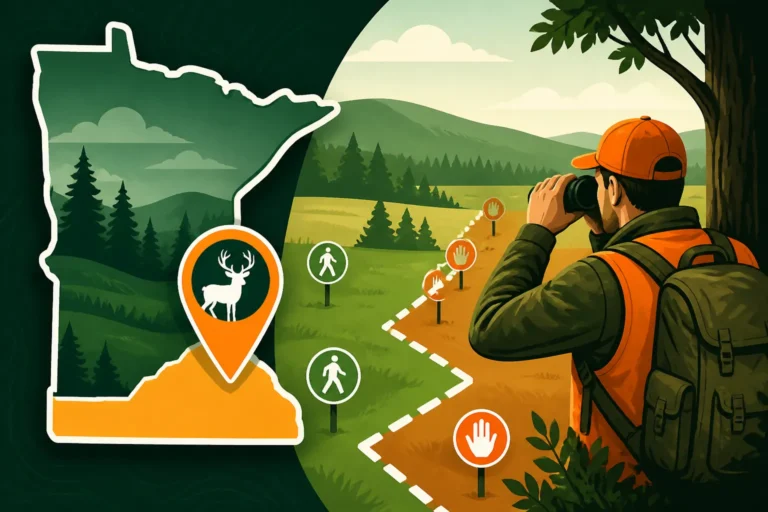
One of the biggest hurdles when planning a public land hunt is simply figuring out where to go and how to get around once you're there. St. Croix State Forest, while large, does have a fairly developed network of forest roads, but understanding which are open to vehicles, which are seasonal, and which are strictly hiking trails is paramount. Don't underestimate the importance of good navigation tools; they can be the difference between a productive day and a frustrating one.
It’s easy to get turned around, especially when you’re deep in the timber following a fresh track or trying to slip through dense cover. The terrain can look very similar once you’re off a main trail, and without reliable navigation, you can quickly lose your bearings. This is where a little preparation goes a long way, not just in terms of finding your way, but in identifying those overlooked pockets of habitat that other hunters might miss.
Getting There and Moving Around
Access to St. Croix State Forest is generally good, with several entry points off paved and gravel county roads. However, once you enter the forest, the roads can quickly become unpaved, turn to two-tracks, or even revert to old logging trails. Some of these internal roads are maintained year-round, while others may be seasonal, closing during wet periods or winter. Always check current road conditions and access restrictions before heading out, especially after heavy rains or snow.
When planning your trip, consider the type of vehicle you have. A high-clearance 4×4 isn't always necessary, but it certainly doesn't hurt, particularly if you plan to explore some of the less-traveled routes. Parking can be found at designated trailheads or along shoulders, but always be mindful not to block gates or private access points. Familiarize yourself with Vehicle Rules on Minnesota Public Land to avoid any surprises. Remember, state forests are working forests, and you may encounter logging operations, so always be aware of active work sites.
Walking is often the best way to get away from the crowds in St. Croix. Even just a half-mile off a main forest road can put you into relatively unpressured territory. Carrying a reliable pack with water, snacks, and emergency gear is crucial, as you can quickly find yourself a long way from your vehicle, especially when tracking game or exploring new areas.
Harnessing Mapping Tools for Success
In today's hunting world, digital mapping applications are indispensable, and St. Croix State Forest is an excellent place to put them to good use. Platforms like onX Hunt and GoHunt offer detailed satellite imagery, topographic maps, and crucial public/private land boundary overlays, which are invaluable when navigating the patchwork of ownership common in many forest areas. You can mark your vehicle, scout from home, and even track your movements in real-time, helping you avoid accidental trespass and locate prime hunting spots.
Before you even leave home, spend time with these apps, digitally "scouting" the forest. Look for changes in timber type, transition lines, old clear-cuts, and areas with dense cover that might hold deer. Identify potential funnels, bedding areas, and water sources. You can also use them to find access points that might not be obvious on a basic paper map. Reading Aerial Photos for Big Woods Deer can help you interpret what you're seeing on those satellite images, translating pixels into potential deer sign.
Even with these advanced tools, don't forget the basics. Always download offline maps to your device, as cell service can be spotty or non-existent in deeper sections of the forest. A physical map and compass are also wise backups, especially on longer excursions. Combine your digital scouting with actual boots-on-the-ground reconnaissance, like suggested in Scouting Minnesota Public Land Before Season, to verify what you see on the screen. The combination of technology and traditional woodsman skills is truly powerful.
Tactical Approaches for St. Croix Game
Hunting in St. Croix State Forest demands adaptability and an understanding of how different species utilize the varied habitats. Whether you're chasing whitetails through the swamps, flushing grouse in the aspen, or even hoping for a bear encounter, tailoring your tactics to the specific environment and animal behavior will greatly increase your odds of success.
It’s never just about stumbling into a deer or a flock of birds; it’s about understanding their routines, their preferred cover, and how they react to pressure. Public land hunting, especially in a place like St. Croix, often means thinking a step ahead of the game and, frankly, a step ahead of other hunters. Those who put in the effort to understand the nuances of the landscape are often the ones who find success.
Whitetails in the Timber and Swamps
Deer hunting in St. Croix State Forest means embracing the timber and the occasional wet feet. The whitetails here will utilize the oak ridges for acorns during early season, but quickly move to dense conifer swamps and thick young aspen cuts for security once hunting pressure begins. Look for transition zones where hardwoods meet swamps, or where older timber borders dense regeneration. These are often natural travel corridors.
Still-hunting can be very effective in St. Croix, especially in areas with moderate undergrowth where deer feel secure but can still be spotted. Move slowly, using the wind to your advantage, and pause frequently to glass ahead. Setting up a treestand or ground blind along known travel routes, especially near rubs, scrapes, or heavy trails, can also be productive. Remember, deer will often parallel roads or trails, keeping a safe distance in the thicker cover. Consider strategies outlined in Treestand Setups in Minnesota Hardwoods for optimal placement.
The swamps, particularly the cedar and black spruce bogs, often serve as impenetrable sanctuaries for deer. While hunting in them can be difficult and noisy, understanding their location is key. Bucks will often bed down in these areas and only emerge to feed in adjacent uplands or cross open areas under the cover of darkness. Identifying entry and exit points from these sanctuaries can be goldmines for morning or evening sits.
Upland Birds in the Thicket
For grouse and woodcock hunters, St. Croix State Forest is a fantastic destination. Ruffed grouse thrive in the successional aspen and birch forests, particularly areas with a good mix of young, dense stands and slightly older, more open timber. Look for areas that have been logged within the last 5-20 years. These young cuts provide the dense cover grouse need for protection from predators and harsh weather, as well as crucial food sources like catkins and buds.
Woodcock, on the other hand, prefer moist, dense thickets, especially alder runs along streams and wetlands. Their long beaks are perfectly adapted for probing soft, damp soil for worms. When hunting woodcock, focus on those low, boggy areas that might be overlooked by deer hunters. Timing your hunt with the fall migration can lead to incredible flushes. Both species can often be found in close proximity in St. Croix, making for excellent mixed-bag hunting opportunities.
A good bird dog is an undeniable asset for upland hunting in St. Croix, helping to locate birds and retrieve them from thick cover. However, even without a dog, a slow, methodical walk through prime cover, pausing frequently, can flush birds. Be ready for fast shots, as grouse and woodcock are notorious for bursting from cover unexpectedly. Grouse Hunting Minnesota Aspen Cover will provide more detailed advice on targeting these popular game birds in similar Minnesota habitats.
Bear Hunting Opportunities
While not as widely known for bear as some areas further north, St. Croix State Forest does offer opportunities for black bear. Minnesota manages its bear hunting through a lottery system for specific permit areas, so checking the regulations for St. Croix's permit area (often Area 25 or adjacent zones) is crucial. If you draw a tag, St. Croix's mixture of dense timber, swamps, and occasional clearings provides good bear habitat.
Bear hunting often involves baiting, which is a common and legal method in Minnesota. Establishing a bait site in a remote, quiet section of the forest can attract bears. Persistence is key, as is understanding bear behavior and their preferred food sources, which shift throughout the season. You'll need to secure your bait site properly and manage it consistently. For a more general overview, Hunting Minnesota's Black Bear Population delves into the overall bear situation in the state.
Even if you’re not specifically bear hunting, understanding their presence can be important for other hunters. Be aware of your surroundings, properly store food at campsites, and know how to react to a bear encounter, particularly if you are hunting deer in thick areas.
Rules of the Road: Understanding State Forest Regulations
Hunting in any state forest comes with its own set of rules and regulations that go beyond basic hunting licenses and seasons. These rules are in place to ensure public safety, protect natural resources, and provide equitable access for all users. Ignoring them can lead to fines, loss of hunting privileges, or worse, endanger yourself or others.
It’s often these smaller, more specific regulations that trip hunters up, especially if they’re used to hunting private land or different types of public ground. Things like what kind of stands you can use, how long you can leave them up, or where you can park might seem minor, but they’re put in place for good reasons. Always do your homework before heading out.
Stands, Blinds, and Campsites
When hunting in St. Croix State Forest, permanent stands are generally not allowed. This means no screwing steps into trees, no building structures, and nothing that causes permanent damage. Portable treestands and ground blinds are typically permitted, but they usually need to be removed within a specific timeframe after the hunting season closes, often within a week or two. Always double-check the current regulations on the Minnesota DNR website for exact dates and requirements.
For treestands, it's generally a good idea to mark them with your DNR license number. This helps prevent theft and proves ownership if a question arises. When using ground blinds, ensure they are brushed in naturally and don't create an eyesore or hazard for other users. Remember, these areas are used by hikers, birdwatchers, and other outdoor enthusiasts too, so common courtesy and leaving no trace are paramount. Camping Rules on Minnesota State Forest Land provides a comprehensive look at general camping guidelines, which are relevant if you plan an extended stay during your hunt.
Camping is often allowed in designated campgrounds within or adjacent to the forest, and sometimes dispersed camping is permitted in certain areas. If you plan to camp, especially outside of a developed campground, be sure to understand fire restrictions, waste disposal requirements, and any rules about length of stay. Always practice Leave No Trace principles to preserve the beauty of the forest for everyone.
Vehicle Use and Respecting the Resource
We touched on vehicle use earlier, but it's worth reiterating the importance of staying on designated roads and trails. Off-road vehicle use, including ATVs and UTVs, is strictly regulated in state forests. There are often specific trails designated for these vehicles, and venturing off them can damage sensitive ecosystems and lead to citations. Pay close attention to signage, which clearly indicates what type of vehicle access is permitted on specific routes.
The network of forest roads, while providing great access, also means that some areas will experience more hunting pressure than others. To truly get away from the crowds, you'll need to leave your vehicle behind and walk. This is where Hunting Pressure on Minnesota Public Land comes into play; the deeper you go, the fewer hunters you'll likely encounter, and often, the better the hunting. Utilizing mapping apps to identify those deeper pockets that are a good hike from the nearest accessible road can be a game-changer.
Finally, always remember that St. Croix State Forest is a shared resource. Respect other users, pack out everything you pack in, and handle game ethically. Report any violations you observe to the authorities. By being a responsible and respectful hunter, you help ensure that St. Croix remains a fantastic hunting destination for generations to come.
Disclaimer
This article is for general informational purposes only and does not constitute professional advice. Laws, prices and regulations vary by location and change over time. Consult a qualified professional for guidance on your specific situation.