Grouse Hunting From a Boundary Waters Campsite
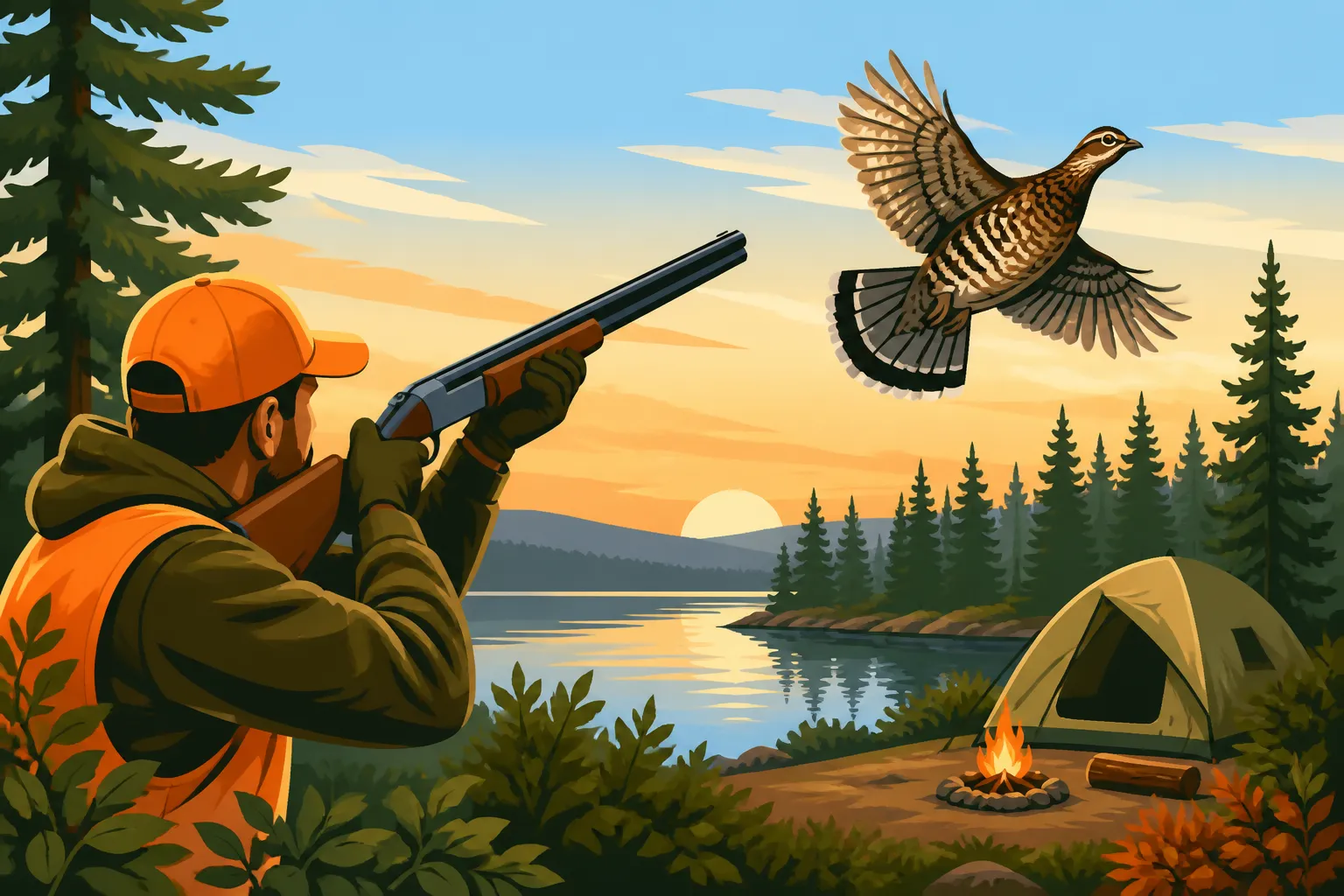
There’s nothing quite like the solitude and challenge of a Boundary Waters Canoe Area Wilderness trip, but when you combine that incredible experience with the thrill of grouse hunting, you’re elevating it to an entirely new level. Many hunters dream of this kind of backcountry adventure, only to feel overwhelmed by the logistics of trying to chase birds miles from the nearest road, all while living out of a canoe. This guide is going to walk you through how to successfully integrate grouse hunting into your BWCA camping trip, from planning your route to selecting the perfect campsite and understanding how to find those elusive feathered rockets in such a vast wilderness.
Planning Your Backcountry Grouse Hunt
Heading into the Boundary Waters isn't just a casual walk in the park; it requires careful planning, especially when you're adding hunting to the mix. It's a completely different animal than hunting a WMA a few miles from home. You're not just looking for a good camping spot, you're looking for a good hunting spot that also serves as a comfortable camp. The very first step is understanding the specific regulations and seasons for grouse within the BWCA itself, which falls under the broader Minnesota rules but has its own unique considerations for access and camping. Think about the physical demands: you'll be paddling, portaging, and then potentially walking miles through dense cover with your shotgun.
Understanding BWCA Regulations and Permits
Before you even start packing your dry bags, you absolutely need to secure your Boundary Waters entry permit. This isn't just a suggestion; it's a hard requirement to be in the wilderness area. You need to pick your entry point and date well in advance, especially if you're targeting popular areas or peak times in the fall. Beyond the entry permit, make sure your hunting license and any necessary stamps are in order for Minnesota. When it comes to hunting itself, the BWCA is managed by the Superior National Forest, and hunting is generally permitted, but always double-check for any specific closures or restrictions around certain zones or trails. This isn't a place to wing it; a quick call to a local ranger station or a check of the forest service website can save you a lot of headaches, or worse, a ticket. Also, remember that while you might spot other game, your focus here is on grouse, and you need to be aware of all species-specific regulations. You'll find a lot of useful information on the broader permit requirements in Permit Rules for the Boundary Waters.
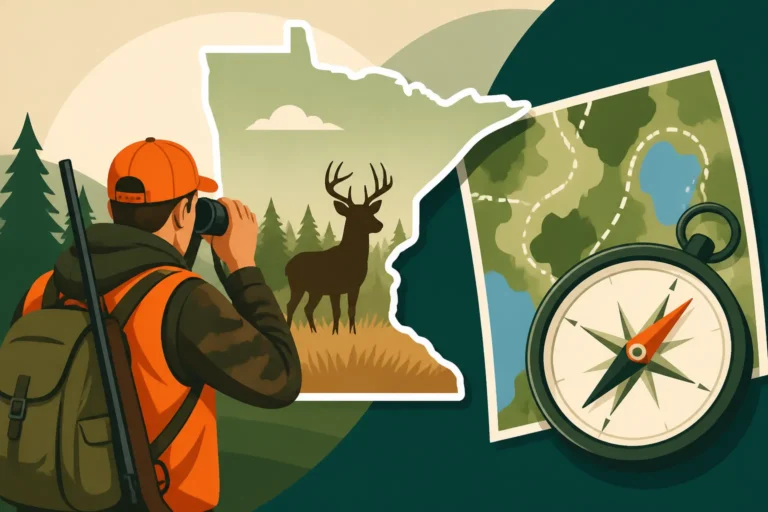
What many people don't realize until they're actually in the BWCA is how truly remote it is. There are no roads, no motorized vehicles beyond a few specified exceptions, and very limited cell service. This means your communication and navigation plans need to be solid. GPS devices or robust offline mapping apps like onX Hunt are invaluable here. Don't rely solely on your phone; bring backup power and a physical map and compass, and know how to use them. For your permit, you'll need to specify your entry and exit points, as well as your planned route, which helps land managers track usage and ensures your safety in case of an emergency. Remember that while hunting is allowed, many other activities like baiting, certain types of motorized access, or leaving structures are strictly prohibited. These rules are in place to preserve the wilderness character, which is exactly why we want to hunt there!
Timing Your Trip for Peak Grouse Action
Just like any grouse hunt in Minnesota, timing is everything. The early season can be fantastic because the birds are less pressured and often haven't spread out as much. However, the leaves are still thick, making shots incredibly difficult and visibility almost nil. Think about late September into October. This is often the sweet spot. The leaves are typically starting to fall, which opens up shooting lanes just enough to make things interesting, but it's usually before the deep snow makes travel too difficult. You'll also hit some beautiful fall colors, which is a bonus. The main grouse season in Minnesota usually extends through the fall, giving you a decent window. You can check the specific dates in Minnesota Grouse Season Dates.
As the season progresses into late October and early November, you might find grouse concentrated around specific food sources, but the weather can become much more unpredictable. Rain, sleet, and even early snowfalls can make for a very challenging, and frankly, uncomfortable, trip. You need to be prepared for truly cold and wet conditions, not just a brisk autumn day. The advantage of later in the season is that the foliage is truly gone, making birds a little easier to spot, but they'll also be much warier. Regardless of when you go, understand that grouse in the BWCA are wild birds that see minimal pressure, so they might hold tighter than their farm-country cousins, but they'll also fly harder and faster once flushed.
Campsite Selection and Grouse Habitat
Choosing a campsite in the Boundary Waters is usually about finding a nice flat spot, access to water, and maybe a scenic view. But when you’re grouse hunting, your campsite becomes a strategic base for operations. You want a site that’s not just comfortable for sleeping, but also puts you right in the middle of, or at least very close to, prime grouse habitat. This saves you valuable energy and time, letting you spend more hours with your boots on the ground and less time paddling to your hunting spots.
Identifying Prime Grouse Holding Areas
So, what makes prime grouse habitat in the Boundary Waters? Think young, regenerating forests – often a mix of aspen, birch, and alder thickets. These areas provide the dense cover grouse love for protection from predators, as well as the diverse food sources they need. Look for areas that show signs of past logging or natural disturbances like old burns, which create that mosaic of young growth. Creek bottoms and alder runs are also grouse magnets, as they offer both cover and important insect life, especially woodcock, which often share the same habitat. If you can find a site with a variety of these features within a short walk, you’ve hit the jackpot. Grouse Hunting Minnesota Aspen Cover offers more insights into specific habitat types.
When scouting your route, either with maps or aerial imagery on an app like onX Hunt, look for variations in the forest canopy. Areas of uniform, mature pines or hardwoods are often less productive for grouse. Instead, scan for patches of lighter green (young aspen), or areas that look particularly thick and brushy along water features or old portage trails. The edges of swamps or beaver ponds can also be excellent, as these transition zones often create the kind of edge habitat grouse favor. Don't be afraid to take a short hike around potential campsites with just your binoculars to confirm the type of cover before committing to setting up your full camp.
Campsite Proximity to Hunting Opportunities
The ideal BWCA grouse hunting campsite is one where you can literally step out of your tent, load your shotgun, and start walking into good cover. This minimizes travel time and maximizes your hunting hours, which are precious on a wilderness trip. Look for campsites that are situated on peninsulas or islands that have some internal wooded areas, or main shorelines that back up to larger tracts of varied forest. A site near a portage trail can also be a goldmine, as these trails often cut through dense habitat and create natural travel corridors for grouse.
Remember, you’re looking for areas that might not be immediately obvious from the water. Paddle quietly along shorelines and look for subtle changes in vegetation. Sometimes, what looks like a solid wall of conifers from the canoe can open up into a promising aspen stand just a few yards inland. Use your mapping tools extensively during your planning phase to pinpoint these potential hotspots, and then confirm them with quick scouting missions once you've made camp. The less you have to paddle to get to the birds, the more energy you'll have for navigating the cover, and the more productive your hunt will be. Combining a memorable canoe trip with hunting grouse around your camp is exactly the experience many people are looking for, as detailed in Canoe Hunting Boundary Waters Deer and Grouse.
Tactics for Hunting Grouse Around Camp
Once you've set up your comfortable base camp, it's time to shift gears into hunting mode. Hunting grouse in the vastness of the BWCA, especially around your campsite, requires a patient, methodical approach. These birds aren't used to much human pressure, but they're still wired to be alert to predators, so quiet movement and keen observation are your best friends. You won't be covering miles of open ground; instead, you'll be dissecting smaller, target-rich areas.
Still-Hunting and Cover Dissection
Still-hunting is perhaps the most effective tactic for grouse in the BWCA. This involves moving very slowly, taking a few steps, then pausing and scanning your surroundings intently for several minutes before moving again. When you're in the thick stuff, it's all about looking for subtle signs: a slight movement, an outline that doesn't quite fit, or the flash of a tail feather. grouse are masters of camouflage, and they'll often sit tight, hoping you'll walk right past them. Many times, you won't see them until they explode from underfoot. This slow approach also gives you more time to react when a bird does flush.
Focus on dissecting promising cover, especially those alder thickets, aspen stands, and the edges of swamps you identified during your scouting. Walk in a zigzag pattern, always keeping an eye on potential escape routes for the birds. Pay extra attention around downed logs, brush piles, or dense clumps of evergreens – these are classic grouse hideouts. If you're hunting without a dog, which many BWCA grouse hunters do, you'll need to be even more deliberate in kicking through cover and pushing likely spots. For more tips on this, refer to Flushing Grouse Without a Dog. The key is to force the flush within shotgun range, which means getting as close as possible without being seen.
Morning and Evening Activity Patterns
Grouse, like many game birds, tend to be most active during the early morning and late afternoon/early evening hours. This is when they're typically feeding, making them a bit more mobile and potentially easier to locate. Consider making your first hunting foray right after a quick camp breakfast, or plan your afternoon hunt to coincide with the couple of hours before dusk. During these times, birds might be out dusting themselves, scratching for insects, or feeding on berries and buds, which can make them slightly less focused on your presence.
The middle of the day can still be productive, but grouse often retreat to thicker cover during these quieter periods, making them harder to find and flush. This might be a good time to paddle to a new area you've scouted, or to simply relax back at camp. If you do hunt midday, concentrate on the densest cover available, as that's where they'll be seeking refuge. Remember, the BWCA is full of other wildlife, so stay alert. You might run into deer, moose, or even a bear, adding to the incredible wilderness experience. Just keep your focus on those grouse when you're in prime bird country.
Essential Gear for a BWCA Grouse Trip
A successful grouse hunt from a Boundary Waters campsite hinges as much on your gear choices as it does on your hunting skill. You're operating in a remote environment where every ounce matters, but you absolutely cannot compromise on critical items. This isn't a place to realize you forgot something important or that your gear isn't up to the task.
Shotgun and Ammunition Selection
For grouse in the BWCA, a lightweight, fast-handling shotgun is your best friend. Many hunters opt for a 20-gauge or even a 28-gauge for its lighter weight and less recoil, especially if you're carrying it for miles over rough terrain. An over/under or side-by-side allows for quick follow-up shots and often feels more balanced for walking. Barrel length around 26 inches is a good compromise between swing speed in thick cover and sufficient reach. When it comes to chokes, an Improved Cylinder or Skeet 1 in the first barrel, followed by a Modified in the second, is a versatile setup for those close-quarter flushes. This allows for a wider pattern up close and a slightly tighter one if the bird gets out a bit. More on this can be found in Choke Choice for Fast Flushes.
Ammunition-wise, stick with lighter loads, typically 7.5 or 8 shot. These provide a dense pattern for grouse without over-penetrating and causing excessive meat damage. Carry enough shells for your trip, but be mindful of weight. A box or two, maybe 50 shells total, should be plenty for a typical multi-day trip, unless you plan on shooting a lot of targets. Remember, you're packing this all in and out, so unnecessary bulk adds up quickly.
| Shotgun Gauge | Recommended Choke (First Barrel) | Recommended Choke (Second Barrel) | Shot Size | Notes for BWCA |
|---|---|---|---|---|
| 12-Gauge | Improved Cylinder | Modified | 7.5 or 8 | More recoil, heavier, but versatile. |
| 20-Gauge | Improved Cylinder | Modified | 7.5 or 8 | Excellent balance of power and weight. Common choice. |
| 28-Gauge | Skeet 1 | Improved Cylinder | 8 | Very light, low recoil, ideal for fast handling. |
| .410 Bore | Full | Full | 8 or 9 | Challenging; for experienced shooters only due to small pattern. |
Navigation and Safety Essentials
Reliable navigation is non-negotiable in the BWCA. As mentioned, cell service is often nonexistent. A dedicated GPS unit or a smartphone with downloaded offline maps (like what GoHunt or onX Hunt offers) is crucial. Always bring a physical map of your specific area and a compass, and know how to use them together. Mark your campsite, potential hunting areas, and any significant landmarks. Losing your way in the thick woods of the BWCA is a serious situation. For guidance on specific navigational tools, you might find Scouting With the Minnesota Recreation Compass App useful, even if it's primarily for public lands generally.
Beyond navigation, a comprehensive first-aid kit is essential. You're far from immediate medical help, so be prepared for cuts, scrapes, blisters, and any other minor injuries. Include essentials like pain relievers, bandages, antiseptic wipes, and any personal medications. A headlamp with extra batteries, a fire starter, a multi-tool, and a whistle are also critical safety items. A water filter or purification tablets are also a must, as you'll be relying on natural water sources. Pack these safety items in a separate, easily accessible dry bag that you can grab quickly if needed. For more general advice on wilderness first aid, consider reading First Aid Kits for Remote Northwoods Ground.
Clothing and Camp Comfort
Layering is key for hunting in the Minnesota fall. Temperatures can swing wildly from chilly mornings to warm afternoons, and then drop sharply again at night. Start with a moisture-wicking base layer, add insulating layers (fleece or wool are excellent), and top it with a durable, water-resistant outer shell. Blaze orange is required during many hunting seasons, so ensure you have enough visible clothing for safety, especially if other hunters might be in the area. Lightweight, waterproof hiking boots with good ankle support are crucial for navigating uneven, wet terrain. Boots for Walking Minnesota Popple Cuts can offer some good advice here.
For camp comfort, think smart and light. A compact tent or tarp system, a warm sleeping bag rated for colder temperatures, and a comfortable sleeping pad will make a huge difference after a long day of paddling and hunting. Don't forget bug spray for early season trips, and a small, collapsible saw or axe for processing firewood (ensure you understand BWCA firewood rules). A camp stove and lightweight cooking gear are more practical than relying solely on open fires. The less time you spend being uncomfortable, the more you'll enjoy the adventure.
Preparing Your Harvest
Congratulations, you’ve bagged a few beautiful Boundary Waters grouse! Now comes the critical part of preparing your harvest for the journey home. Remote wilderness hunting means you can’t just throw your birds in a cooler in the truck. Proper field care and packing are crucial to ensure your hard-earned game meat stays fresh and delicious.
Field Dressing and Cooling Grouse
The moment you harvest a grouse, the clock starts ticking. The sooner you can field dress and cool the bird, the better the meat quality will be. Many hunters prefer to "breast out" grouse in the field. This involves removing the breast meat, wings, and legs, leaving the rest of the carcass behind. This dramatically reduces weight and bulk for packing, and the breast meat is often the primary target for most hunters anyway. To do this, simply pluck a small area of feathers on the breast, make a cut down the breastbone, and peel back the meat from either side.
Once the meat is separated, it's vital to cool it as quickly as possible. In cooler fall temperatures, simply placing the meat in a breathable game bag and hanging it in a shady, airy spot at camp can work wonders. If temperatures are warmer, you'll need to be more proactive. Consider bringing a small, soft-sided cooler with a few ice packs that you can replenish with lake water if needed (though ice packs in the BWCA are a luxury item to manage carefully due to weight). Airflow is key; never just toss warm meat into a sealed plastic bag, as this traps heat and encourages bacterial growth.
Packing and Transporting Your Birds
For the paddle out, carefully pack your cooled grouse meat in game bags, then place these into a larger dry bag. If you have a soft-sided cooler, that's ideal. The goal is to keep the meat dry, clean, and as cool as possible. If you're using individual game bags for each bird or breast, this also helps prevent cross-contamination. Avoid putting any pressure on the meat, as this can bruise it and affect texture. You've already got a packed canoe, so finding space might be tricky, but making room for your hard-won game is always worth it.
Once you reach your vehicle, transfer the game into a sturdy cooler with plenty of ice for the drive home. If you have a long drive, periodically check your ice and drain any water to keep the meat out of melted ice, which can degrade quality. The effort you put into proper field care and packing will pay off immensely when you're enjoying a delicious grouse meal back home, reminding you of that incredible Boundary Waters adventure. Remember, bringing a deer out of the Boundary Waters is one thing, but packing grouse requires its own specific considerations, often leading to boning out birds right at camp to save space and weight.
Disclaimer
This article is for general informational purposes only and does not constitute professional advice. Laws, prices and regulations vary by location and change over time. Consult a qualified professional for guidance on your specific situation.