Heaviest Bears Killed in Minnesota
For many Minnesota hunters, the idea of encountering a truly gargantuan black bear is a dream that fuels countless hours of scouting and planning. While the average bear here is a respectable animal, there's a unique thrill in knowing that real giants roam our woods, and pinpointing what makes these behemoths tick – and how hunters manage to take them – can feel like searching for a needle in a haystack of rumors and old campfire tales. This guide aims to pull back the curtain on Minnesota's heaviest bears, exploring the factors that contribute to their immense size and the realities of pursuing such impressive game.
The Lure of the Giant Black Bear in Minnesota
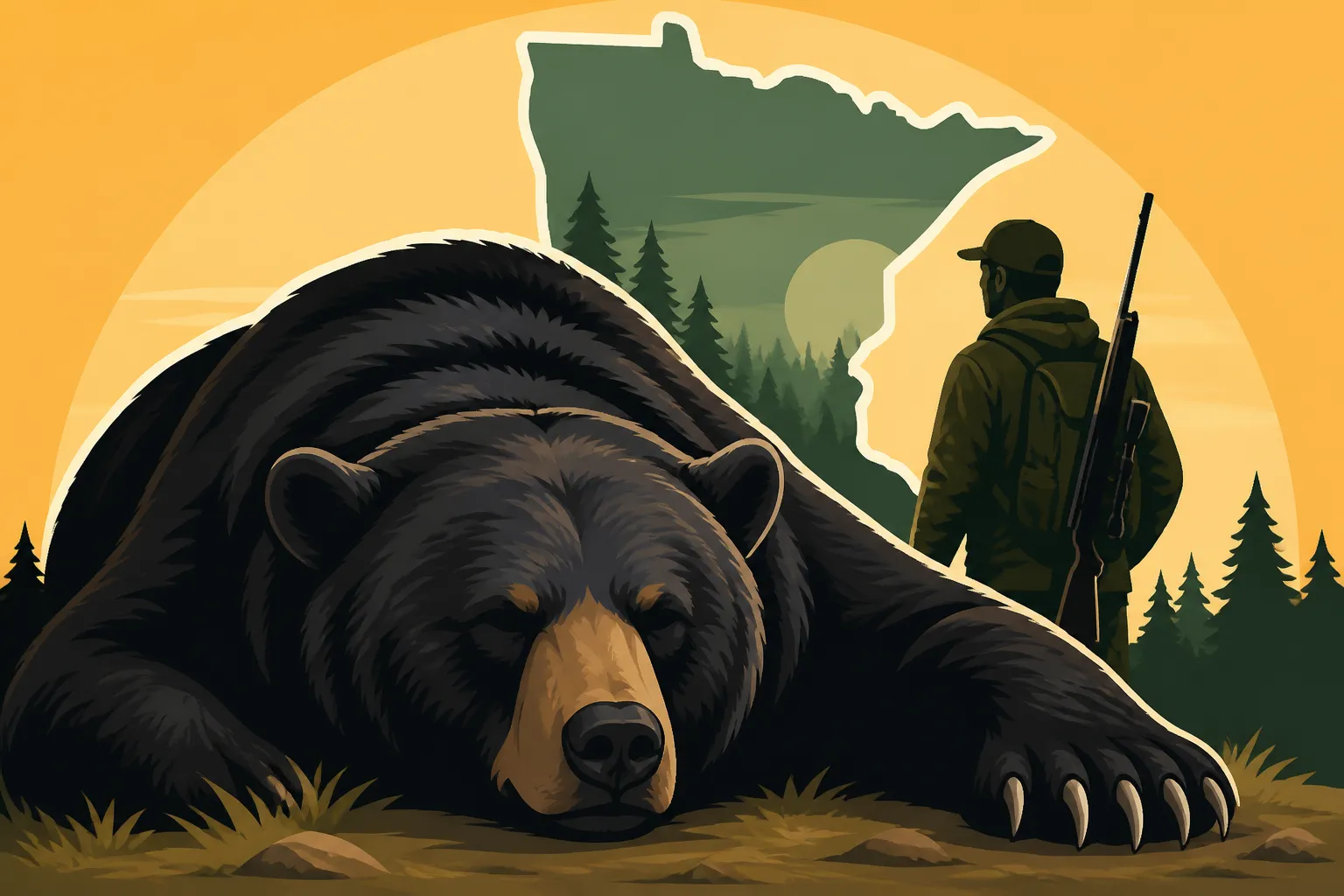
There's something deeply primal about the quest for a truly massive animal, and in Minnesota, the black bear stands as a testament to the wild, rugged nature of our forests. Stories of bears tipping the scales at over 500, 600, or even 700 pounds circulate around hunting camps and online forums, fueling the aspirations of many. For hunters who dedicate themselves to the bear woods, the dream isn't just about punching a tag; it's about connecting with an apex predator that represents the pinnacle of wilderness survival and growth.
The Allure of a Monster Bruin
The sheer size of a truly heavy black bear is awe-inspiring. Imagine the thrill of seeing a bear so large that its head looks disproportionately small on its massive body, or witnessing the incredible power as it navigates the dense undergrowth of the Northwoods. These animals are often older, wiser, and more elusive, having survived countless seasons and outsmarted generations of hunters. Pursuing them requires immense patience, skill, and often a bit of luck. It's a challenge that draws many, from seasoned veterans to aspiring bear hunters, to our state's wild places. The sense of accomplishment that comes from harvesting such an animal is profound, a culmination of effort and respect for the creature itself.
Dispelling Myths vs. Reality
While the tales of colossal bears are captivating, it's easy for myths to overshadow the reality of bear biology and hunting in Minnesota. Not every large track or distant glimpse points to a record-breaker. Bears, like all wildlife, are subject to environmental factors, genetics, and hunting pressure. Understanding these realities helps set realistic expectations. While Minnesota certainly produces some incredible bears, the truly exceptional ones are rare and often require specific conditions to reach such immense sizes. Many hunters use resources like GoHunt to track potential areas, review historical harvest data, and study terrain, helping them to discern fact from folklore when planning their hunts. It’s also important to remember that a bear’s weight can fluctuate significantly throughout the year, especially between late summer gorging and denning up for winter.
Factors Contributing to a Bear's Size and Weight
Achieving an exceptionally large body weight isn't accidental for a black bear; it's the result of a complex interplay of factors that allow an individual animal to thrive and grow beyond the average. From genetic predispositions to the richness of their environment, several elements must align for a bear to become one of the heaviest killed in Minnesota.
Age and Genetics: Key Determinants
First and foremost, a bear needs time to grow. Much like deer, bears continue to put on weight and mass well into their mature years. While many bears reach their physical prime around 6-10 years old, some individuals, particularly males, can continue to grow larger if they avoid hunters and other hazards. An old boar, perhaps 15-20 years old, will have had many more seasons to pack on the pounds than a younger bear. Genetics also play a significant, though often unseen, role. Just as some human families tend to be taller or heavier, certain bear lineages may carry genes that predispose them to larger sizes. These genetic traits, combined with a long lifespan, lay the groundwork for a truly enormous bear. For hunters trying to understand the potential size of bears in an area, looking into historical harvest reports, and observing tracks and scat over multiple seasons can offer clues about the resident bear population's age structure, as detailed in our guide on Minnesota's Black Bear Population.
Habitat and Food Availability
Even with excellent genetics and a long life, a bear won't grow to an impressive size without an abundance of high-quality food. Minnesota’s diverse habitats, particularly the northern forests, offer a rich buffet. Bears are opportunistic omnivores, meaning they'll eat just about anything, but certain foods are critical for putting on serious weight. In late summer and fall, natural food sources like acorns, beechnuts, blueberries, raspberries, and wild cherries are energy-dense powerhouses. Areas with consistent mast crops and fruit production, especially those with minimal competition, allow bears to accumulate vast stores of fat. Beyond natural forage, agricultural areas on the fringes of bear range can also provide caloric windfalls, from cornfields to oat patches. Consistent and plentiful food allows bears to spend less energy foraging and more energy growing. This is a key reason why some areas, like those described in Where Minnesota Bears Range, consistently produce larger bears.
Regional Differences in Minnesota
Minnesota is a large state with varied landscapes, and this diversity directly impacts bear size. The dense forests of the Northwoods, particularly in areas like the Chippewa or Superior National Forests, tend to hold a higher density of bears and offer extensive tracts of undisturbed habitat. These areas, rich in wild berries, nuts, and insect life, are prime zones for bears to achieve large sizes. However, we're also seeing Bears Moving Into Southern Minnesota, often into more agricultural landscapes. While these bears might face different challenges, the proximity to calorie-rich farm crops can lead to rapid weight gain if access is consistent and unpressured. The ideal scenario for a giant bear is a vast, secure forest habitat with consistent, high-calorie natural food sources, occasionally supplemented by agricultural forays if they learn to adapt to those environments.
Understanding Record-Keeping and Weight Verification
When a truly massive bear is taken, its weight becomes a point of pride and often, a subject of intense discussion. However, accurately recording and verifying these weights can be more complicated than simply hanging a bear on a scale. Understanding the nuances of official versus unofficial measurements is important for appreciating these impressive animals.
How Bear Weights Are Measured
The primary method for measuring a bear's weight involves a certified scale. This is usually done at a registered weigh station, a meat processor, or occasionally with portable scales by DNR personnel. The most crucial factor for an accurate weight is that the bear is weighed before field dressing, as removing organs can significantly reduce the total weight. Hunters often go to great lengths to get their bear whole to a certified scale, sometimes requiring multiple people and specialized equipment to haul a truly heavy animal out of the woods. The integrity of the scale itself is paramount; a digital, calibrated scale is preferred over older, less precise methods. For anyone considering targeting a large bear, knowing the location of nearby weigh stations or processors that can handle such an animal is a vital part of the preparation, as discussed in our piece on Handling a Bear After the Shot.
Official Records vs. Hunter Stories
While nearly every hunter has a story about the "one that got away" or a buddy who shot an absolutely enormous bear, not all reported weights make it into official record books. Official record-keeping bodies often have strict criteria for weight verification, requiring certified scales and often witnesses. Many impressive bears are weighed on farm scales or personal scales, which, while useful for the hunter, might not meet the rigorous standards for official recognition. This isn't to diminish the achievement; a 500-pound bear is a 500-pound bear regardless of whether it's officially recognized. However, it does create a distinction between widely circulated hunting stories and verifiable records. Platforms like GoHunt provide tools that can help hunters log their experiences and compare data, but for formal recognition, the specific guidelines of established record-keeping organizations must be followed.
The Role of Taxidermists and Scale Accuracy
Taxidermists often play a role in the aftermath of a big bear harvest, and they are usually very familiar with accurately weighing animals. Many have large scales on site or can direct hunters to reputable weigh stations. They also understand how a bear’s weight can fluctuate. For example, a bear harvested in early September after a summer of berry feasting might weigh significantly more than one taken in late October after weeks of breeding activity or when food sources are scarce. The accuracy of the scale is always critical, and reputable professionals will ensure their equipment is properly calibrated.
Here's a quick look at some general weight ranges for Minnesota black bears and what it takes to hit the "heavy" mark:
| Factor | Average Adult Male (3-8 years) | Large Adult Male (8-15+ years) | Record-Class Bear (Exceptional) |
|---|---|---|---|
| Typical Weight Range (lbs) | 250 – 400 | 400 – 600 | 600+ |
| Key Factors for Size | Good food, average genetics | Excellent food, good genetics, age | Abundant food, superior genetics, old age, low stress |
| Hunting Tactics | Baiting, spot-and-stalk | Aggressive baiting, extensive scouting | Intense scouting, deep woods access, patience |
| Frequency in Harvest | Common | Less common | Rare |
This table illustrates that while many bears reach a respectable size, pushing into the truly heavy categories requires an exceptional combination of circumstances. For more general data on bear harvest, check out our article on Minnesota Bear Harvest Numbers.
The Reality of Hunting Minnesota's Heaviest Bears
Pursuing a genuinely enormous black bear in Minnesota is often a commitment, a test of patience, and sometimes, a humbling experience. It's about more than just setting up a bait site or still-hunting through the woods; it's about understanding the animals, their habitat, and the long game required to encounter a true giant.
Tactics for Targeting Larger Bears
When the goal is one of Minnesota's heaviest bears, traditional hunting methods often need a strategic tweak. While baiting is a popular and effective method, attracting a truly large, older boar requires consistent, high-calorie offerings over a long period. These older bears are often nocturnal, wary, and will only visit a bait site after dark or when they feel incredibly secure. Hunters often scout extensively before the season, using trail cameras not just to identify bears, but to understand their patterns, age, and size. Locating areas with natural food abundance, such as expansive oak ridges or large berry patches, can also be crucial. For a deeper dive into baiting strategies, our guide on Building and Freshening a Minnesota Bear Bait offers excellent advice. Moreover, some experienced hunters rely on mapping tools from platforms like GoHunt to analyze historical harvest zones and identify areas with minimal pressure, believing older, larger bears will gravitate to more secluded territories.
Still-hunting in deep wilderness areas, particularly during the early archery season or later firearm seasons, is another tactic. This involves slow, deliberate movement through prime bear habitat, carefully observing sign, and being ready for a close-range encounter. This is especially effective in areas without high baiting pressure or in Minnesota’s No-Quota Bear Area, where baiting is not allowed. Understanding Minnesota Bear Denning Behavior can also give insights into where bears might be concentrating before they go into hibernation.
Managing Expectations and Ethical Hunting
Let's be realistic: finding and harvesting a bear pushing 600 or 700 pounds is an extremely rare feat. The vast majority of successful bear hunts in Minnesota result in a healthy, mature animal weighing between 200-400 pounds, which is still a fantastic trophy and an incredible amount of meat. Pursuing the "heaviest" bear requires a mindset of extreme patience and a willingness to pass on many smaller, perfectly respectable bears. It also means committing to ethical hunting practices – ensuring clean shots, quick recoveries, and minimizing stress to the animal. Knowing your Shot Placement on a Minnesota Black Bear is paramount, especially when adrenaline is high with a giant animal in front of you. It's about appreciating the hunt and the animal, regardless of whether it sets a new record.
The Importance of Conservation
Ultimately, the existence of these massive bears is a testament to healthy bear populations and effective conservation efforts in Minnesota. The state manages its bear populations carefully through a lottery system in designated Minnesota Bear Lottery and Permit Areas, ensuring that hunting pressure is controlled and sustainable. By participating in these regulated seasons, hunters contribute to the management and future of our bear resource. The pursuit of a giant bear is a powerful motivator, but it should always be tempered with a deep respect for the animal and a commitment to ensuring healthy populations for generations to come. Every successful hunter, regardless of the bear's size, plays a role in supporting wildlife conservation through license fees and ethical practices.
Disclaimer
This article is for general informational purposes only and does not constitute professional advice. Laws, prices and regulations vary by location and change over time. Consult a qualified professional for guidance on your specific situation.