Snowshoe Hares in Northern Minnesota
Hunting snowshoe hares in northern Minnesota can be a wonderfully challenging and rewarding experience, but if you've ever tried to find these elusive creatures in their dense, snowy habitat, you know it can feel like looking for a ghost. Many hunters head out expecting a simple walk in the woods only to come back empty-handed, wondering where all the "bunnies" went. This guide is here to unravel the mysteries of snowshoe hares, helping you understand their behavior, preferred terrain, and proven tactics so you can consistently find success and enjoy some truly unique winter hunting.
Understanding the Snowshoe Hare in Minnesota's Northwoods
Snowshoe hares, often called snowshoe rabbits by many of us, are an iconic part of Minnesota's northern ecosystem. They’re built for the deep woods, especially when winter hits, and understanding their natural history and where they thrive is the first step to putting one in the pot. These aren't your typical cottontails you might spot hopping through a backyard; snowshoes are bigger, tougher, and possess some incredible adaptations to survive our harsh northern winters.
What Makes a Snowshoe Hare Unique
One of the most fascinating aspects of Snowshoe Hare Numbers in Minnesota is their incredible adaptation to seasonal changes. Their large, fur-covered feet act like literal snowshoes, distributing their weight over soft snow, allowing them to travel with ease where other animals, and certainly us humans, would sink deeply. This adaptation is crucial for their survival and also tells us a lot about where we should be looking for them. They're built for speed and evasion in thick cover, which is why their choice of habitat is so specific.
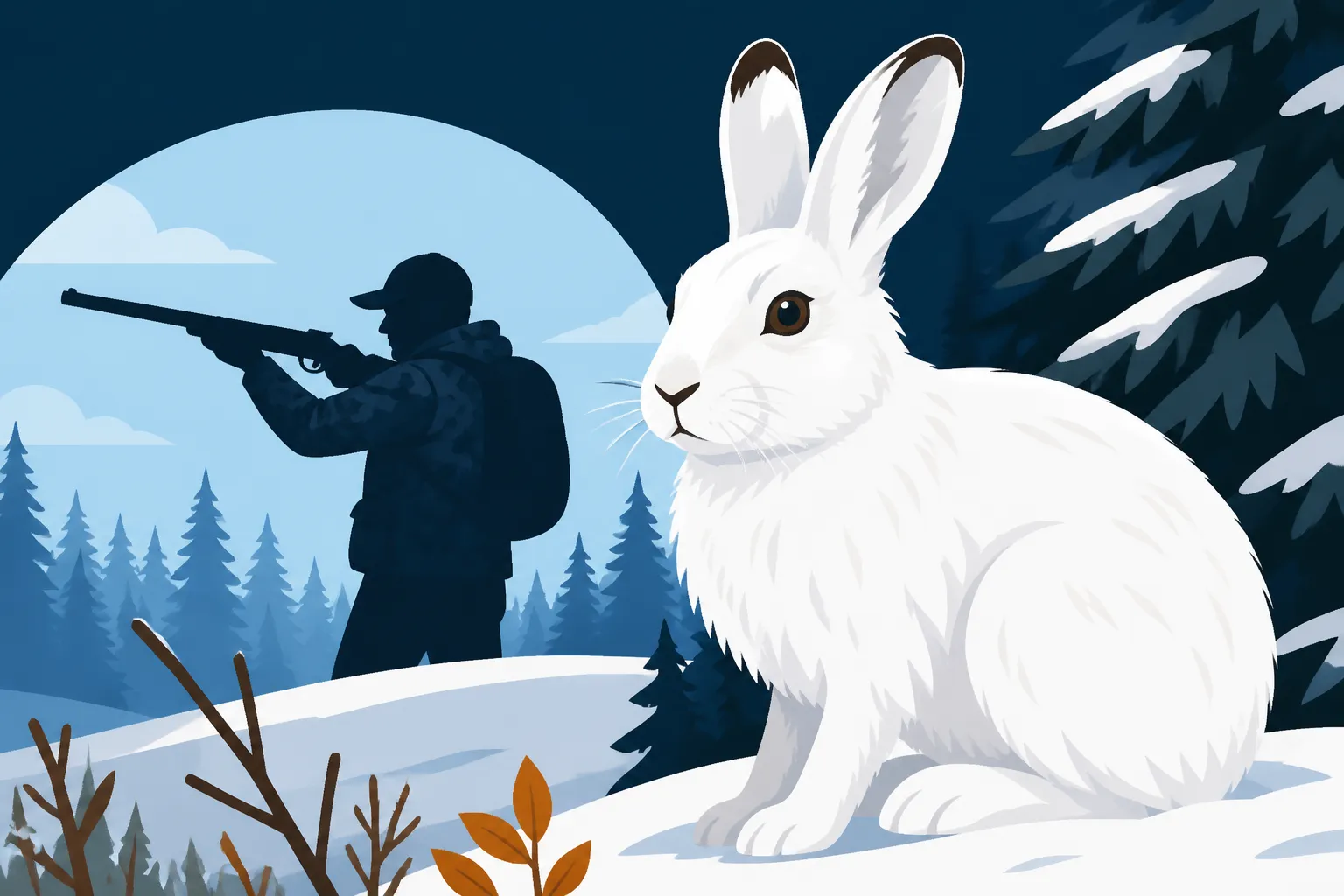
But perhaps the most famous adaptation is their coat change. Have you ever wondered Why Minnesota Hares Turn White? It's a marvel of nature. As the days shorten and the snow begins to fall, their brown summer coat gradually gives way to a brilliant white, offering them nearly perfect camouflage against the snowy backdrop. This shift isn't just a fun fact; it's vital for their survival against predators like coyotes, bobcats, and even owls. However, this camouflage can sometimes become a vulnerability during those transitional periods when snow comes late or melts early, leaving a white hare starkly visible against a brown forest floor. Knowing when this change occurs is important because it dictates when they are most vulnerable and active.
Preferred Habitat and Diet in Northern Minnesota
Snowshoe hares are creatures of dense cover, and you'll almost exclusively find them in specific types of northern Minnesota forests. Think thick, young coniferous stands – places where the trees are so close together it’s almost a struggle to walk through. Balsam fir, spruce, and young pine plantations are prime real estate for these hares. Why? Because this dense cover provides protection from predators, especially from above. An owl or a hawk struggles to dive through a thick canopy, and a coyote finds it hard to run through a maze of tight saplings.
They also love areas with a mix of young conifers and deciduous trees, particularly where there's been some recent logging activity creating a patchwork of different age classes of trees. These areas provide both cover and food. Their diet is primarily bark, twigs, buds, and conifer needles in winter, often preferring the tender young growth found in these regenerating forests. In summer, they'll broaden their diet to include clover, grasses, and other herbaceous plants. So, when you're scouting, look for those dense, impenetrable stands, especially those bordering more open areas that might provide a quick dash for food. This is often where you'll find them concentrating, and sometimes, you might even stumble across a Grouse Hunting Minnesota Aspen Cover while looking for hares, as they often share similar areas where young trees provide a dense understory.
Where to Find Snowshoe Hares in Northern Minnesota
Finding snowshoe hares isn't about aimlessly wandering through the woods; it's about understanding their preferred haunts and then meticulously searching those areas. Northern Minnesota offers vast tracts of public land perfect for hare hunting, but you need to know what kind of habitat to prioritize. It’s like searching for treasure – you need a map and an understanding of where the treasure is usually hidden.
Identifying Prime Hare Habitat
When I talk about "dense cover," I mean really dense. We’re looking for areas that make you pause and wonder if you can even push through. Picture stands of young spruce, balsam fir, or even jack pine that are so thick, sunlight barely penetrates to the forest floor. These areas often arise after clear-cutting operations, where a new flush of conifers has grown up tightly together, creating a nearly impenetrable tangle. You'll find these thickets along the edges of older forests, near swamps, or sometimes even within large tracts of mixed timber.
Another key sign is the presence of downed logs or brush piles. Hares will often create small tunnels and runways under this type of debris, using it for both cover and travel routes. Look for areas where the ground is covered in dense undergrowth or where young saplings create a maze. Even a small stand of thick conifers, perhaps only an acre or two in size, can hold a surprising number of hares if it offers the right blend of food and cover. Sometimes, they're so close to logging roads or snowmobile trails you'd never expect it, proving that even accessible areas can hold game if the cover is right. When you're trying to figure out where the best hare habitat is, mapping tools, including those found through a GoHunt membership, can be an absolute game-changer. These platforms can help you identify clear-cuts, young forest growth, and dense coniferous stands by analyzing aerial imagery and timber data.
Specific Regions and Public Lands
While snowshoe hares can be found across much of Minnesota’s forested regions, their stronghold is definitely the northern half of the state, particularly in the vast expanses of the Superior and Chippewa National Forests, as well as numerous state forests and Wildlife Management Areas (WMAs).
- Northeast Minnesota (Superior National Forest, State Forests): This region, including areas around Isabella, Ely, and Grand Marais, is classic snowshoe hare country. The extensive spruce and fir forests, mixed with regenerating aspen and birch, provide ideal habitat. Think about hunting areas within the Finland State Forest or the Nemadji State Forest. These public lands offer enormous opportunities, but also demand good navigational skills. You might find some excellent spots in the Lake and Cook County Public Ground, especially away from main roads.
- Northcentral Minnesota (Chippewa National Forest, State Forests): Areas around Grand Rapids, Bemidji, and the Beltrami Island State Forest are also excellent. The Chippewa National Forest Deer Ground provides vast habitat, and its mixed forests often have the dense conifer pockets hares love. Places like the George Washington State Forest or the Land O'Lakes State Forest also hold good populations.
- Northwest Minnesota (Beltrami, Koochiching Counties): While known for its flatlands, the northern reaches of these counties, particularly the Red Lake Wildlife Management Area and the adjacent state forests, can offer prime hare hunting, especially in the swampier, conifer-dominated areas. This region can also offer great opportunities for Rabbit and Hare Hunting in Minnesota generally.
Before you even step foot in the woods, using a robust mapping platform, like the kind offered by GoHunt, is invaluable. It lets you zoom in on potential cover, identify recent timber cuts, and even see old logging roads that might offer access to promising areas. This kind of pre-hunt Scouting Minnesota Public Land Before Season can drastically cut down on wasted time and help you pinpoint high-probability zones. Don't forget to check the DNR's Recreation Compass map tool as well; it’s a fantastic resource for identifying WMAs and state forest boundaries.
Best Times to Hunt Snowshoe Hares
Timing is everything when it comes to snowshoe hares. While you can technically hunt them during certain periods year-round, their behavior, coat color, and the conditions of their habitat shift dramatically with the seasons, impacting your success rate. Understanding these seasonal rhythms is key to planning a productive hunt.
Seasonal Hunting Opportunities
Minnesota's regulations for snowshoe hares generally offer a generous season, often starting in mid-September and running through late winter, sometimes even into February. This long season provides various opportunities, but each period has its own challenges and advantages.
- Fall (September – November): Early fall hunting, when the leaves are still mostly on the trees and before significant snow, can be tough. Hares are still predominantly brown, blending into the forest floor, and the cover is at its densest, making visual detection difficult. However, this can be a great time to combine hare hunting with Grouse and Woodcock Hunting in Minnesota, as these species often share similar dense, regenerating habitats. As November progresses, the leaves drop, and the hares start their color change, making them slightly more visible, especially if early snows arrive.
- Early Winter (December – January): This is prime time for snowshoe hare hunting. The ground is typically blanketed in white, and the hares have fully transitioned to their brilliant white coats. This provides excellent camouflage for them, but for hunters, it also means clear tracking conditions. Fresh snow is your best friend during these months, as it reveals every hop and bound. The cold weather also tends to make hares less active during the day, so knowing their travel patterns from tracks is crucial.
- Late Winter (February – March): Depending on the year, the season can extend into March. While still good for tracking, hunters need to be aware of changing snow conditions. Thawing and refreezing can make tracking difficult, and some hares might start to show a mix of white and brown as spring approaches, making them stand out against melting snow. This transitional period can be especially challenging, as their camouflage might be compromised if the snow cover isn't consistent.
Daily Activity Patterns
Like many prey animals, snowshoe hares are most active during dawn, dusk, and throughout the night. During these periods, they are typically out feeding. This doesn't mean you can't hunt them during the day, but it changes your tactics.
- Daytime: During daylight hours, especially in colder winter months, hares will often be "bedded down" in dense cover, trying to conserve energy and stay hidden. They might be nestled under a downed log, in a thick brush pile, or simply hunkered down deep within a conifer thicket. This is where still-hunting and working with dogs really shines. You're not necessarily looking for an active hare, but rather trying to jump one from its hiding spot. Moving slowly and deliberately, pausing frequently to scan the cover, is essential.
- Nighttime/Twilight: Hunting snowshoes at night is generally not legal in Minnesota for small game, but understanding their nocturnal habits helps predict where they'll be at first light. They’ll move out from their day beds to feed in slightly more open areas, then retreat to cover before the sun is fully up. Focusing your efforts on these transitional zones – where dense cover meets feeding areas – during legal shooting hours can be highly productive. A fresh snowfall will beautifully illustrate these travel patterns, showing you exactly where they moved during the night.
Tactics for Hunting Snowshoe Hares
Hunting snowshoe hares can be as simple as walking through the woods or as involved as running a pack of beagles. The beauty is that there's a method for nearly every hunter, regardless of their experience or equipment. The key is to match your tactic to the habitat and conditions.
Still-Hunting and Tracking
This is arguably the most common and accessible method for hunting snowshoe hares, and it’s especially effective in snowy conditions. It requires patience, keen observation, and a slow, deliberate pace.
- Reading the Snow: Fresh snow is your best friend. After a fresh fall, head into those thick conifer stands. Look for tracks – distinct, large, and usually in a "J" pattern where the large hind feet land in front of the smaller front feet. Newer tracks will be sharply defined, older tracks will be softened by wind or sun. Follow these tracks, looking for areas where they become more concentrated, or where you see fresh droppings or clipped browse. This indicates a hare has been active recently. When you encounter fresh tracks that disappear into an impossibly dense thicket, slow down even more. The hare is likely bedded nearby.
- Slow and Steady Wins the Race: Walk extremely slowly, stopping frequently to scan the cover ahead. Snowshoes are masters of camouflage, and they will often let you walk right past them if you're not paying attention. Look for anything that looks out of place – an ear, an eye, a dark shadow against the white snow. Often, you won't see the whole animal, just a small, tell-tale piece. Pay close attention to downed logs, brush piles, and the bases of dense trees. They're often just a few feet away, hunkered down. A good pair of binoculars, like an 8×42 or 10×42, can be incredibly helpful for picking apart dense cover.
- Flushing Hares: When you jump a hare, it will burst from cover at surprising speed. Often, it will only run a short distance before stopping again, melting back into the background. Be ready for a quick shot. If it doesn't present a shot, keep moving slowly in the direction it went, trying to spot it again. Sometimes, if you pause, it will think it's gone unnoticed and hold tight. This method can also be used for Hunting Squirrels in Minnesota Hardwoods, though the habitats differ.
Hunting with Dogs
For many, hunting snowshoe hares is synonymous with running beagles or other small hounds. This is an active and exciting way to hunt and can be incredibly effective in pushing hares out of their dense cover.
- The Power of Scent: Beagles have an incredible sense of smell and a natural instinct to trail small game. They'll pick up the scent of a hare, even one that's been bedded for hours, and then "jump" it, chasing it through the cover while giving voice. The beautiful sound of a beagle on a hot track is one of the joys of winter hunting.
- Working with the Dog: Your role as the hunter is to position yourself along known hare travel routes or the edges of dense cover. Hares, when chased, often run in circles or predictable patterns within their home territory. Listen to your dogs; their barks will tell you where the hare is and in what direction it's moving. Often, the hare will loop back towards where it was jumped, giving you an opportunity for a shot. This can also be an effective strategy for Running Beagles on Minnesota Snowshoe Hares as part of a group hunt.
- Dog Training and Etiquette: If you plan to hunt with dogs, ensure they are properly trained and under control. This is especially important on public land where other hunters or even non-hunters might be present. Be aware of state regulations regarding dog hunting for small game. A GPS collar can be a lifesaver in thick northern woods, helping you keep track of your dogs.
Driving and Group Hunts
While not as common as still-hunting or dog hunting, small group drives can also be effective for snowshoe hares, especially in extensive thickets. This tactic is often borrowed from deer hunting strategies like Deer Drives on Minnesota Public Land.
- Forming a Line: A small group of hunters (2-4 people) can spread out and slowly walk through a dense section of cover, trying to push hares towards "posters" positioned at the other end or along escape routes. The key is to move slowly and keep the line tight enough to prevent hares from slipping back through.
- Strategic Positioning: The posters should position themselves where they have good visibility of potential escape routes but are still camouflaged. Hares will often try to sneak out the side or through the thinnest part of the cover. Communication between the drivers and posters is crucial for safety and success.
- Safety First: When conducting any kind of drive, safety is paramount. Always know where every hunter in your group is positioned, wear appropriate blaze orange, and only take shots that are safe and clear of other hunters.
| Tactic | Description | Ideal Conditions | Required Gear | Pros | Cons |
|---|---|---|---|---|---|
| Still-Hunting | Slowly walking, scanning cover, tracking fresh sign in snow. | Fresh snow, dense cover | Shotgun/rifle, warm clothes, binoculars | Solitary, quiet, rewarding, low equipment | Requires patience, easy to miss hares |
| With Dogs | Beagles or hounds trail hares by scent, driving them in circles. | Any snowy conditions | Shotgun, dogs, GPS collar, warm clothes | Active, exciting, effective in thickets | Requires trained dogs, more equipment, noise |
| Small Drives | Group of hunters pushes hares towards strategically placed posters. | Dense, contained thicket | Shotguns, blaze orange, group communication | Can clear large areas, social hunting | Requires coordination, safety critical |
Gear and Preparation for Hare Hunting
Success in the northern Minnesota woods, especially in winter, often comes down to being properly prepared. Snowshoe hare hunting might seem simple, but the right gear makes a huge difference in comfort, safety, and ultimately, your enjoyment. You don't need a massive investment, but smart choices are key.
Essential Clothing and Footwear
Winter hunting in Minnesota means contending with cold, snow, and sometimes biting winds. Layering is your best friend.
- Layers: Start with a good base layer that wicks moisture away from your skin, like merino wool or a synthetic blend. Avoid cotton next to your skin, as it holds moisture and will make you cold. Add an insulating mid-layer, such as a fleece jacket or a down vest. Your outer layer should be windproof and water-resistant, protecting you from the elements while allowing you to move freely. Think about Layering for a Minnesota Deer Stand – the principles are very similar, just scaled for more active movement.
- Outerwear: A durable hunting jacket and pants are essential. Look for materials that are quiet, so you don't spook game, and robust enough to handle pushing through thick brush. Blaze orange is often required or highly recommended for visibility and safety, especially if hunting with a group or during the firearm deer season overlap. Make sure you meet the How Much Blaze Orange Minnesota Requires rules.
- Footwear: This is perhaps the most critical item. You'll be walking in snow, potentially through wet areas, for extended periods. Insulated, waterproof boots are non-negotiable. Look for boots designed for cold weather, perhaps with 800-1200 grams of insulation, and a good tread for traction on snow and ice. Consider Boots for Minnesota Swamps and Snow if you plan to hunt near low-lying areas or drainages, as hares often frequent these spots.
- Accessories: Don't forget a warm hat that covers your ears, insulated gloves or mittens (with finger access for shooting), and neck gaiter. Hand warmers can be a game-changer on bitter cold days.
Firearms and Ammunition
Snowshoe hares are not large animals, so you don't need heavy artillery. The key is a firearm that allows for quick, accurate shots in dense cover.
- Shotguns: A 12-gauge or 20-gauge shotgun is the most popular choice for hares, especially if you're hunting with dogs or in thick cover where shots are fast and close. Use lighter loads, such as #4, #5, or #6 lead shot (or appropriate non-toxic shot if required in certain areas). An open choke (like improved cylinder or modified) is usually sufficient, as hares are typically taken at relatively close range. My personal preference is often a 20 gauge for its lighter weight when walking miles in the snow.
- Rifles: A .22 caliber rimfire rifle can also be effective, especially for still-hunting when you have more time for a precise shot. A .22 LR with solid point bullets is generally sufficient. While quieter and more precise, a rifle can be more challenging for quick, running shots in thick brush. Make sure you are proficient with whichever firearm you choose and practice shooting at moving targets if you anticipate those types of shots. Remember, Sighting In a Rifle for Minnesota Woods Ranges is a good practice for any small game rifle.
- Ammunition: Carry enough ammunition for your hunt, but don't overload yourself. Given the conditions, keeping your ammunition dry is also important. A small, waterproof ammo carrier can prevent issues with moisture affecting your rounds.
Other Essential Gear
Beyond clothing and firearms, a few other items can greatly enhance your snowshoe hare hunting experience.
- Navigation: Even if you think you know the area, the dense, snow-covered woods can quickly become disorienting. A reliable GPS unit or a smartphone with a robust mapping app (like those found with your GoHunt membership, or the DNR's Recreation Compass) is critical. Make sure your device is fully charged, and consider carrying a portable power bank. Always have a physical map and compass as a backup, and know how to use them. For remote Northwoods ground, a First Aid Kits for Remote Northwoods Ground is also a must-have.
- Knife: A good sharp knife is always useful for field dressing any game.
- Game Bag/Pack: You'll need something to carry your hares in. A small backpack or a game vest works well. If you're planning on a longer hunt or anticipate carrying several hares, consider a pack with enough capacity.
- Water and Snacks: Staying hydrated and fueled is important, especially when expending energy in the cold. Pack water (insulated so it doesn't freeze) and high-energy snacks like granola bars or trail mix.
- Headlamp: Even if you plan to be out during daylight, a headlamp is essential for walking in before dawn or out after dusk, or in case of an unexpected delay. You'll be glad you have it when
Walking Out After Darkbecomes a reality.
Remember, the goal is to be comfortable and safe, allowing you to focus on the hunt itself. A cold, wet, or lost hunter is not a successful or happy one!
Cleaning and Cooking Snowshoe Hares
You've put in the effort, you've battled the cold, and now you have a beautiful snowshoe hare. The hunt isn't over yet! Properly handling your game from field to table is crucial for enjoying the delicious rewards. Snowshoe hares offer lean, tasty meat that's a true delicacy of the Northwoods.
Field Dressing Your Hare
Field dressing a snowshoe hare is relatively straightforward and should be done as soon as possible after the kill, especially if temperatures aren't frigid. This helps cool the meat and prevents spoilage.
- Safety First: Ensure your firearm is unloaded and put away.
- Gloves: Always wear disposable gloves when field dressing any wild game. This protects you from potential diseases and keeps your hands clean.
- Making the Incision: Lay the hare on its back. Make a shallow incision through the skin, starting just below the rib cage and extending down to the pelvis. Be careful not to cut deep into the muscle or intestines.
- Opening the Body Cavity: Extend the cut through the muscle layer to open the body cavity. You might need to use a knife or game shears to cut through the sternum and pelvic bone if necessary, though often a hare's smaller size makes this less challenging.
- Removing Organs: Reach into the cavity and carefully sever the attachments of the organs. Pull out the entire contents – stomach, intestines, liver, heart, lungs – in one careful motion if possible. Inspect the liver for any abnormalities, but generally, hare livers are healthy.
- Cleaning the Cavity: Wipe out the body cavity with snow or a clean cloth to remove any excess blood or debris. This helps cool the meat faster.
- Cooling: If temperatures are cold, simply hang the hare by its hind legs or place it on clean snow to cool. If it's warmer, consider packing ice around it as soon as you can.
Skinning and Butchering
Skinning a snowshoe hare is surprisingly easy, often requiring minimal knife work once you get the hang of it. Many hunters prefer to skin them soon after they've cooled down, while others wait until they get home.
- Starting the Skin: Make a cut all the way around the middle of the hare's body, like a belt. You can then work your fingers under the skin at this cut and pull, often "peeling" the skin down towards the head and up towards the tail. The skin comes off quite readily.
- Removing Feet and Head: Use heavy-duty shears or a knife to cut off the feet at the joints and the head at the base of the neck.
- Rinsing: Rinse the skinned carcass thoroughly under cold water to remove any loose fur or blood. Pat dry with paper towels.
- Butchering: A snowshoe hare can be easily broken down into four main sections: two hindquarters, two front legs, and the saddle (the backstraps). Use a sharp knife or game shears to separate these sections at the joints. The loin or backstrap meat can be removed from along the spine. These pieces are then ready for cooking or freezing. For more detailed instructions, you might consult a guide on Butchering a Deer at Camp for general principles, scaled down to hare size.
Delicious Northwoods Recipes
Snowshoe hare meat is lean, mild, and versatile, similar to chicken or rabbit. It's fantastic in stews, fried, or slow-cooked.
- Classic Fried Hare: My go-to is often a simple fried hare. Cut the pieces into manageable sizes. Season with salt, pepper, garlic powder, and paprika. Dredge in seasoned flour, then egg wash, then more seasoned flour or breadcrumbs. Fry in hot oil (vegetable or canola) until golden brown and cooked through. Serve with mashed potatoes and gravy.
- Hare Stew: This is perfect for tougher cuts or older hares. Brown the hare pieces in a Dutch oven. Add chopped vegetables like carrots, potatoes, onions, celery, and mushrooms. Deglaze with red wine or broth, then add more broth, herbs (thyme, bay leaf), and simmer slowly for several hours until the meat is fork-tender. This really lets the flavor shine.
- Braised Hare: Braising is another excellent method. Brown the hare, then simmer it in liquid (broth, cider, or even beer) with aromatics like onions, garlic, and herbs until it falls off the bone. The moist, tender meat is incredible.
- Hare Fajitas: For a quicker meal, cube the deboned hare meat, marinate it in fajita seasoning, and quickly stir-fry with peppers and onions. Serve in tortillas with your favorite toppings.
Remember, the quality of your wild game meat is a direct result of how well you handle it in the field. Take the time to properly dress and cool your hare, and you'll be rewarded with a delicious meal that truly tastes like the Minnesota Northwoods.
Disclaimer
This article is for general informational purposes only and does not constitute professional advice. Laws, prices and regulations vary by location and change over time. Consult a qualified professional for guidance on your specific situation.