Red Lake Wildlife Management Area
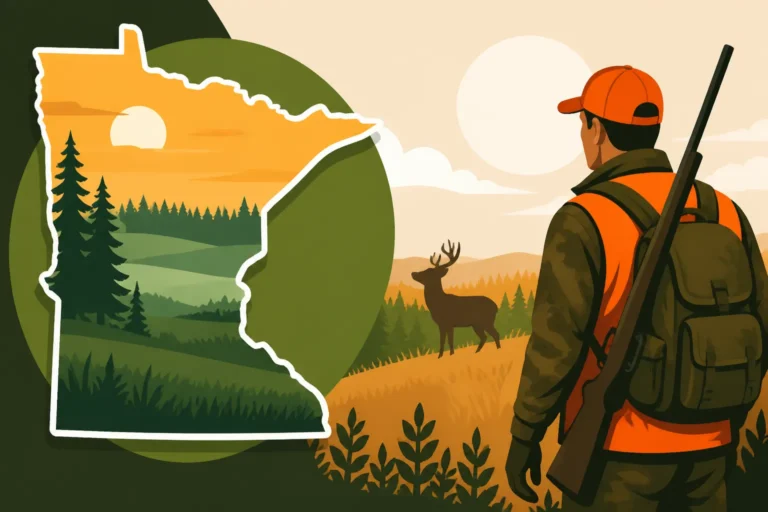
For those dedicated hunters seeking vast, untamed public land in Minnesota, finding a truly remote and expansive hunting ground can feel like a dwindling dream. So many popular spots see relentless pressure, pushing deer deeper into cover and making a quiet hunt a rare treat. This guide is for hunters who crave that solitude, looking to explore the immense opportunities and unique challenges presented by the Red Lake Wildlife Management Area, a true gem in Minnesota's northern reaches.
Getting to Know Red Lake Wildlife Management Area
Red Lake Wildlife Management Area, often affectionately called Red Lake WMA, isn't just another parcel of public land; it's an immense expanse that truly embodies the wild spirit of northern Minnesota. This isn't a place for the faint of heart or those who prefer perfectly groomed trails. It's a vast, rugged, and often challenging environment that rewards persistent and prepared hunters with an unforgettable experience.
Size and Scope of Red Lake WMA
Imagine nearly 300,000 acres of contiguous public hunting land – that's the scale we're talking about with the Red Lake WMA. To put that in perspective, it's larger than some small states! This monumental size means endless possibilities for exploration and the chance to truly get away from other hunters. Stretching across portions of Beltrami and Lake of the Woods counties, this WMA is characterized by its mosaic of habitats. You'll find everything from dense stands of aspen and birch, sprawling conifer bogs that seem to swallow the horizon, impenetrable cedar swamps, and vast tracts of open marshland. It's a land shaped by ancient glaciers and teeming with diverse ecosystems, making every scouting trip and every hunt a journey of discovery. The sheer scale can be intimidating, but it's also its greatest asset for those seeking seclusion and a genuine wilderness hunting experience.
Primary Game Species and Habitat
The varied landscape of Red Lake WMA naturally supports a rich diversity of game species, offering something for almost every hunter. While the area is synonymous with white-tailed deer, particularly those big woods bucks that earn their antlers by surviving harsh winters and eluding predators, it's also a fantastic spot for other pursuits. The expansive aspen and birch stands, particularly those younger regeneration cuts, are prime habitat for ruffed grouse. You'll also find evidence of black bear throughout the WMA, which thrive in the dense cover and abundant forage of the mixed forests and bog edges. While moose hunting is not currently open in this zone, the WMA does hold a resident moose population, and seeing one during your hunt is a majestic, albeit rare, bonus.
The lowland bogs and marsh areas, dotted with cattails and reeds, provide excellent habitat for waterfowl, especially during the migration. These wet areas also serve as crucial escape cover for deer, particularly when pressure builds on the uplands. Hunters often find that understanding the interplay between these different habitat types – how deer move from conifer thermal cover to aspen browse, or how grouse utilize specific age classes of popple – is key to success here. This is classic big woods hunting, where patience, woodsmanship, and a keen eye for subtle sign pay off handsomely.
Navigating and Accessing Red Lake WMA
Getting into and around Red Lake WMA is often half the adventure, and it requires a different mindset than hunting smaller, more manicured public lands. The vastness and the nature of the terrain mean that proper planning and the right tools are not just helpful, they're absolutely essential.
Understanding Road Systems and Access Points
Access into the heart of Red Lake WMA is primarily via a network of gravel and dirt roads, many of which are old logging trails or administrative routes. These roads can range from well-maintained to barely discernible two-tracks, often riddled with potholes, mud, and water-filled ruts. During wet periods, especially after heavy rains or during spring thaw, many of these routes can become impassable, even for four-wheel-drive vehicles. It’s not uncommon to encounter downed trees blocking a path, requiring a chainsaw or a significant detour. Always factor in extra travel time and consider bringing recovery gear.
While some main access points are marked, delving deeper into the WMA often means relying on a more granular understanding of the land. There are also numerous designated ATV trails that can provide deeper access for hunters with off-road vehicles, but always be mindful of specific regulations regarding ATV use, as they can change and are often restricted to designated routes to protect the fragile ecosystem. Knowing your route in and out, and having a backup plan, is critical here.
Essential Mapping and Navigation Tools
In an area as vast and featureless as parts of Red Lake WMA, getting disoriented is a real possibility, even for experienced woodsmen. This is where modern mapping and navigation tools truly shine. A reliable GPS unit is non-negotiable, and a robust smartphone app can be an incredible asset. I personally rely heavily on apps like onX Hunt, which allows me to download detailed satellite imagery and property boundaries for offline use. This means even when you're miles from cell service, you can still pinpoint your exact location, track your movement, and identify public versus private land.
Another great option for serious hunters is GoHunt, which provides similar detailed mapping capabilities and often includes useful layers like topo lines and historical wildfire data, which can hint at newer forest regeneration – a magnet for deer and grouse. Before you even set foot in the WMA, spend significant time studying these maps. Look for subtle changes in topography, timber stand variations, and potential funnels or pinch points where deer might travel. Mark potential stand sites, water sources, and escape routes. Always carry a physical compass and a paper map as a failsafe; electronics can fail, and you don't want to be caught unprepared deep in the woods. Using Recreation Compass Without Cell Service is an important skill to develop before heading into remote areas like this.
Hunting Strategies for Red Lake WMA
Hunting Red Lake WMA demands a flexible approach and a solid understanding of big woods tactics. The sheer size of the area, combined with varying habitat types, means that success often hinges on adaptability and covering ground effectively.
Deer Hunting in the Big Woods
For white-tailed deer, Red Lake WMA offers a quintessential big woods hunting experience. Unlike farmland deer that rely heavily on agricultural crops, these deer are forest-dependent, utilizing natural browse, mast crops when available, and thermal cover. Still-hunting, moving slowly and deliberately through the woods, pausing frequently to scan for movement, is a highly effective tactic here. Look for subtle deer sign like rubs, scrapes, and fresh tracks along old logging trails, ridge lines, or the edges of dense conifer swamps. These swamps, particularly during cold weather, provide vital thermal protection and often hold deer. Still-Hunting Minnesota Big Woods is a tried and true method that excels in this environment.
Treestand setups can also be productive, especially if you can identify natural funnels between different habitat types or along major travel corridors. Focus on areas where aspen stands meet conifer cover, or along the subtle edges of a bog that create a natural pinch point. Early in the season, before heavy snows, deer might be spread out, but as winter approaches, they'll concentrate in areas offering food and cover. Later in the season, deep snow can severely restrict deer movement, forcing them into specific areas where they've created trails. Hunting Deer in Deep Northern Minnesota Snow requires a different set of skills and a readiness for truly challenging conditions. Patience is paramount; a big woods buck might not offer a shot until late in the day after hours of quiet waiting.
Bear and Grouse Opportunities
Beyond deer, Red Lake WMA is also a prime location for black bear and ruffed grouse. The vast, relatively undisturbed forests and wetlands provide ideal habitat for bears, which thrive on the wild berries, nuts, and insect larvae found throughout the WMA. While specific baiting regulations must always be followed, the remote nature of much of the WMA makes it an attractive destination for bear hunters seeking an authentic experience. Bear sign like scat, rubs on trees, and overturned logs are common throughout the area. Bear Hunting With Bait and Hounds in Minnesota outlines some of the approaches hunters use.
For grouse enthusiasts, Red Lake WMA is a dream. The widespread aspen regeneration, a result of both natural processes and timber management, creates ideal drumming and feeding habitat for ruffed grouse. Focus your efforts on younger aspen cuts, typically 10-25 years old, where the dense undergrowth provides excellent cover. Walking old logging roads and ATV trails that cut through these areas can be incredibly productive for flushing birds. A good bird dog is a huge asset here, but skilled foot hunters can also find success. Grouse Hunting Minnesota Aspen Cover goes into more detail about how to target these birds. Woodcock also utilize the alder runs and wet areas, especially during their fall migration.
Waterfowl in the Marshes
While perhaps not the primary draw for Red Lake WMA, the extensive marshlands and shallow water bodies within its boundaries do offer opportunities for waterfowl hunting, particularly for jump-shooting or setting up small spreads in key areas. These wetlands are part of the broader system that connects to the large Red Lake itself, and during migration, ducks and geese will use these smaller, quieter waters as resting and feeding areas. If you're planning a multi-species hunt, scouting these marshy sections can add a productive dimension to your trip. Be prepared for wet conditions and potentially long retrieves in mucky terrain.
Planning Your Trip and Staying Safe
A trip to Red Lake WMA is an adventure, and like any serious adventure, it demands thorough preparation. The remoteness means that self-sufficiency is key, and anticipating potential challenges can make the difference between a successful hunt and a miserable one.
Necessary Gear and Preparedness
When planning your gear for Red Lake WMA, think "rugged and reliable." Your boots, for instance, need to be waterproof, durable, and comfortable for covering many miles of uneven, often wet, terrain. Boots for Minnesota Swamps and Snow are not an optional luxury here. Layered clothing is crucial, as northern Minnesota weather can change dramatically in a single day. Wool or high-quality synthetics are superior to cotton for base layers, wicking moisture away and providing warmth even when damp. Base Layers for a Minnesota November will keep you comfortable on those chilly mornings.
Beyond clothing, a well-stocked pack is essential. This should include a first-aid kit designed for remote wilderness use, plenty of water, high-energy snacks, a headlamp, fire-starting materials, and emergency shelter. Navigation tools, as mentioned earlier, are paramount: a reliable GPS or phone app with offline maps (like onX Hunt or GoHunt), a power bank to keep devices charged, and a physical map and compass as backup. A whistle and signal mirror can also be invaluable for emergencies. The reality of hunting in such a vast area means that help can be a long way off, so being prepared for self-rescue or a prolonged wait is critical. First Aid Kits for Remote Northwoods Ground are a must-have.
WMA Regulations and Considerations
Before heading out, it's vital to familiarize yourself with the specific regulations pertaining to Red Lake WMA and the general Minnesota DNR WMA rules. This includes understanding seasons, bag limits, blaze orange requirements (which can vary by season and weapon type), and any restrictions on motorized vehicles. Minnesota Blaze Orange Requirements are important for safety. Many WMAs have specific rules regarding the placement and removal of treestands and ground blinds, often requiring them to be removed daily or within a certain timeframe after the season. Camping is generally allowed on state WMAs, but specific rules about duration and location might apply, so always check ahead. Respect for the land is paramount: pack out everything you pack in, minimize your impact, and leave no trace. This helps preserve the wilderness character of Red Lake WMA for generations of hunters to come.
Remember that hunting pressure can still be found in easily accessible areas, especially on opening weekend. To truly find solitude and untouched ground, you often need to be willing to walk further than most, or utilize less conventional access methods.
| Game Species | Primary Habitat in Red Lake WMA | Best Time to Hunt | Common Hunting Method |
|---|---|---|---|
| White-tailed Deer | Mixed conifer/aspen forests, cedar swamps, bog edges | Late October – November (rut), December (late season) | Still-hunting, Treestands |
| Black Bear | Dense conifer thickets, mixed forests with berry bushes | September (early season) | Baiting (permit required), Spot & Stalk |
| Ruffed Grouse | Young aspen cuts (10-25 years old), brushy forest edges | September – October | Dog hunting, Foot hunting |
| Waterfowl | Marshes, shallow ponds, bog openings | October (migration) | Jump-shooting, Decoys |
| Snowshoe Hare | Dense conifer swamps, thick brushy areas | Winter (after snow) | Dog hunting, Still-hunting |
Disclaimer
This article is for general informational purposes only and does not constitute professional advice. Laws, prices and regulations vary by location and change over time. Consult a qualified professional for guidance on your specific situation.