Minnesota’s Statewide CWD Quadrant Plan
It's no secret that Chronic Wasting Disease (CWD) casts a long shadow over the hunting community, bringing with it a whirlwind of anxiety, uncertainty, and often, plain old frustration. For us in Minnesota, dealing with CWD isn't just about understanding a disease; it's about navigating ever-evolving regulations, figuring out what's required of us, and trying to protect the deer herd we cherish. This comprehensive guide will meticulously break down Minnesota's Statewide CWD Quadrant Plan, explaining how this critical management strategy works, what it means for your hunting efforts, and how you can stay informed and compliant.
Understanding the CWD Challenge in Minnesota
The threat of Chronic Wasting Disease is something that weighs heavily on the minds of many Minnesota hunters, and for good reason. It’s a relentless, always-fatal neurological disease affecting deer, elk, and moose, and once it takes root, it's incredibly difficult to eradicate. It’s hard not to feel a sense of dread when you think about what CWD could do to our cherished whitetail populations, not to mention the traditions we hold so dear. The very thought of it changes how we approach our seasons, adding a layer of concern that wasn't there for generations.
The Ever-Present Threat of CWD
CWD isn't like other wildlife diseases; it's caused by misfolded proteins called prions, not bacteria or viruses. These prions can persist in the environment for years, even decades, in soil, plants, and water, making transmission incredibly difficult to control. Deer can contract it through direct contact with an infected animal's bodily fluids (saliva, urine, feces) or indirectly by consuming contaminated soil or forage. The incubation period can be lengthy, often years, during which an infected deer might appear perfectly healthy, complicating surveillance and making early detection a significant challenge. This long incubation period means that by the time obvious symptoms like emaciation, abnormal behavior, and neurological deficits appear, the disease has likely been spreading silently within the herd for quite some time. For hunters, this translates to the unsettling reality that a seemingly healthy deer could still be a carrier, underscoring the importance of vigilance and participation in testing efforts.
Where CWD Was First Found in Minnesota
Minnesota's CWD journey began back in 2002 when the disease was first detected in a captive deer facility in Olmsted County. This initial discovery immediately put wildlife managers and hunters on high alert. While it was in a fenced facility, the close proximity to wild deer populations raised serious concerns about potential spillover. The first confirmed case in a wild deer came much later, in 2010, in a hunter-harvested deer in southeastern Minnesota, specifically in the Preston area of Fillmore County. This finding marked a pivotal moment, shifting the conversation from containment in captive herds to active management in our wild deer. Since then, the focus has largely been on this southeastern region, often referred to as Minnesota's CWD hot zone, but detections have unfortunately cropped up in other areas too, albeit in smaller numbers, necessitating a more comprehensive, statewide approach. Learning about Where CWD Was First Found in Minnesota can give you a clearer picture of the disease's history in our state.
How Many Minnesota Counties Have Found CWD
Since that initial wild deer detection, CWD has continued to appear in various parts of Minnesota, though concentrations remain highest in the southeast. Over the years, the Minnesota Department of Natural Resources (DNR) has confirmed CWD cases in wild deer across several counties. While the majority of these detections are still clustered in the southeastern "bluff country" counties like Fillmore, Houston, Winona, and Olmsted, there have been isolated incidents in other regions, including some areas near the Brainerd lakes region and even the Twin Cities metro. Each new detection, regardless of how geographically distant it is from known areas, triggers specific management actions, including surveillance efforts and potentially special hunt regulations in those localized areas. Keeping tabs on How Many Minnesota Counties Have Found CWD is crucial for understanding the current spread. This geographic spread, even with sporadic cases, is what ultimately led to the development of a statewide strategy rather than solely focusing on localized hotspots.
Delving into the Statewide CWD Quadrant Plan
The Minnesota DNR developed the Statewide CWD Quadrant Plan as a proactive, long-term strategy to monitor the spread of CWD across the entire state. It’s a recognition that CWD isn't just a localized problem anymore; it's a threat that demands a comprehensive, rotating surveillance approach to give us the best chance of early detection and containment. This plan aims to spread the intensive surveillance efforts around, rather than constantly hammering the same areas, to better understand the disease's true footprint across diverse habitats.
The Logic Behind the Quadrant System
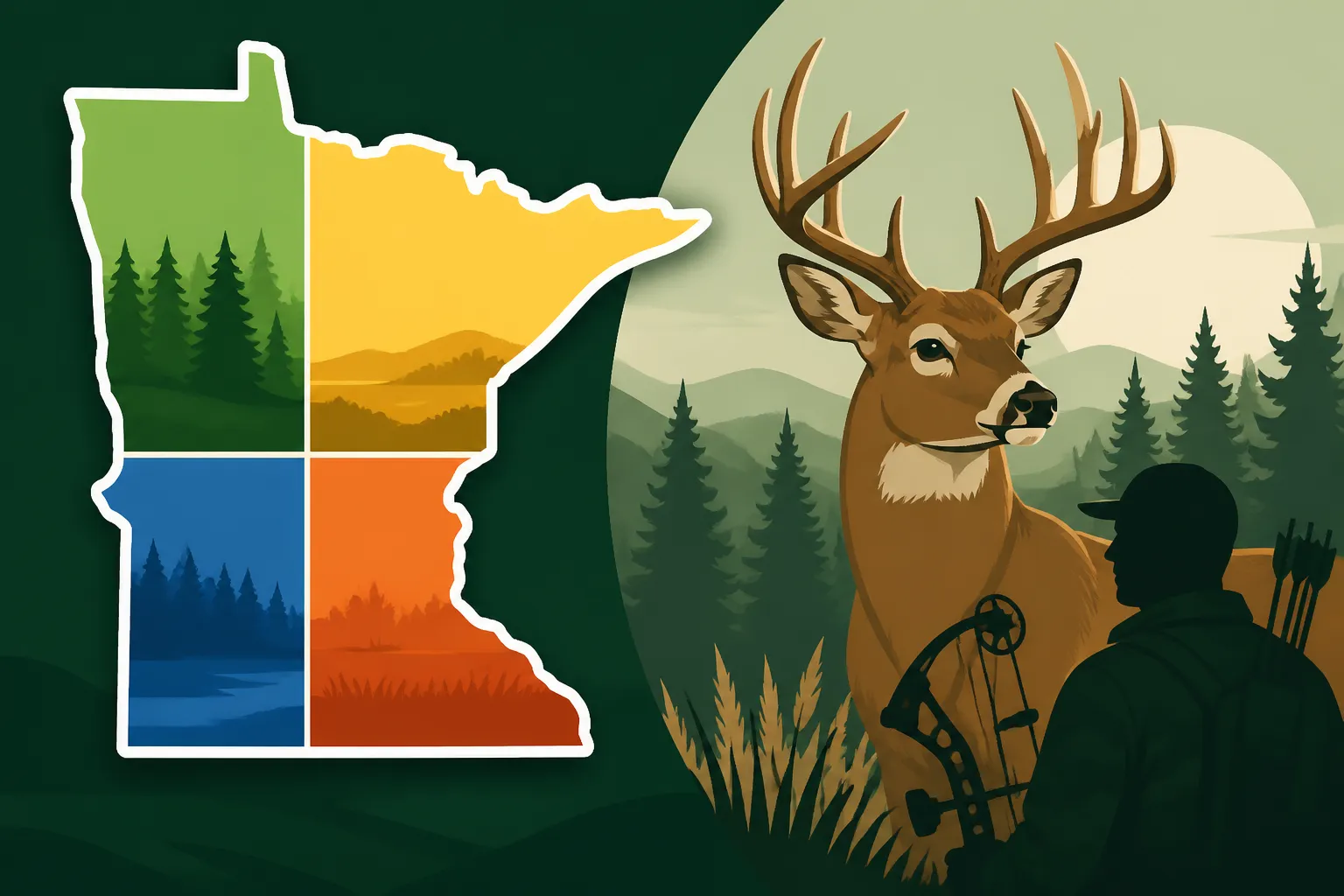
At its core, the quadrant system is designed to provide systematic, rotating surveillance across Minnesota's diverse landscapes. Instead of waiting for CWD to pop up randomly, the DNR proactively divides the state into four distinct quadrants: Northwest, Northeast, Southwest, and Southeast. Each year, one of these quadrants becomes the primary focus for intensive CWD surveillance sampling during the deer firearm season. This rotating focus allows the DNR to gather data from different parts of the state on a predictable cycle, giving them a more comprehensive picture of CWD prevalence and distribution over time. The idea is to catch any new outbreaks early, even in areas where CWD hasn't been detected before, before it has a chance to spread widely and become entrenched. It's a strategic move to cover more ground and allocate resources effectively, acknowledging that CWD is a moving target. Many hunters, myself included, rely on detailed mapping and information platforms like GoHunt to stay ahead of the curve, and understanding these DNR quadrant shifts is part of that preparation.
Quadrant Testing and Rotation Schedule
The quadrant plan operates on a four-year cycle, with one quadrant designated for intensive surveillance sampling each year. It’s not necessarily mandatory testing for every deer statewide, but rather an amplified effort within the designated quadrant during its rotation. This structured rotation helps ensure that all regions of Minnesota receive focused attention for CWD monitoring.
Here’s a look at the current rotation schedule:
| Quadrant | Primary Surveillance Year | General Area | Key Focus |
|---|---|---|---|
| Northwest | 2023 | Baudette, Bemidji, Detroit Lakes, Moorhead | Monitoring deer populations in agricultural, forest, and prairie transition zones. |
| Northeast | 2024 | Duluth, Grand Rapids, International Falls | Focused sampling in the large forest blocks, traditional "big woods" deer habitat, and areas with moose overlap. |
| Southwest | 2025 | Marshall, Windom, Worthington, Mankato | Intensive surveillance in the prime agricultural and prairie regions, where deer densities can be high and CWD risk factors vary. |
| Southeast | 2026 | Rochester, Winona, Albert Lea, Red Wing | Continued monitoring of areas with known CWD presence, building on previous data and identifying potential new areas of concern. |
It's vital to remember that while a specific quadrant is the focus for general surveillance, any designated CWD Management Zones within or outside that quadrant will always have their own, often more stringent, testing and carcass movement rules year-round. This table details the statewide surveillance rotation, but active CWD Management Zones have continuous requirements. You can find more details on Minnesota's Four-Year CWD Testing Rotation through the DNR's resources.
When Northwest Minnesota Enters CWD Testing
The Northwest quadrant had its turn for intensive surveillance in 2023. This meant that during the firearm deer season that year, hunters who harvested deer in counties falling within this quadrant were strongly encouraged, and in some specific permit areas, required, to submit their deer for CWD sampling. The Northwest is a vast and varied region, encompassing everything from the prairie edges to the aspen parks and deep forests. Focused efforts here are crucial for understanding if CWD has made inroads into parts of the state less affected in the past. Even though 2023 was its primary year for intensive surveillance, hunters in the Northwest should always remain aware of general CWD precautions and any localized management zone rules that might arise. Knowing the history of CWD is part of understanding the future, so checking CWD Management Zones in Minnesota can give you a better overall picture.
What the Quadrant System Means for Your Hunt
Navigating hunting regulations can feel like trying to hit a moving target sometimes, and the CWD quadrant system definitely adds another layer to that complexity. It’s not just about understanding where the deer are; it’s about understanding where CWD might be and what that means for your responsibilities as a hunter. This system impacts everything from where you can hunt to what you can do with your harvested deer, making it crucial to stay informed before you even step foot in the woods.
Impact on Deer Harvest and Management
The CWD quadrant plan, combined with CWD Management Zones, directly influences deer harvest regulations and broader management strategies. In areas designated for intensive CWD surveillance, or in active CWD management zones, you might see adjustments to antlerless permit availability, special early or late seasons, or even increased bag limits. These measures are typically designed to increase hunter harvest, which helps the DNR obtain more samples for testing and, in CWD-positive areas, helps to reduce deer density, a key strategy for slowing disease transmission. It's a tough balancing act, as no one wants to see reduced deer populations, but early intervention through targeted harvest can be a critical tool in the fight against CWD. Hunters in these areas play a vital role in management efforts, and their participation in sampling is paramount. Using resources like GoHunt to track harvest trends and permit area specifics can be incredibly helpful for planning.
Changes to Carcass Movement Restrictions
One of the most significant impacts of the CWD plan for hunters, especially those traveling across the state, are the carcass movement restrictions. The DNR has strict rules about moving deer carcasses out of CWD Management Zones to prevent inadvertently spreading prions to unaffected areas. Generally, you can only transport the boned-out meat, antlers attached to a clean skull plate, hides, and taxidermy-ready capes out of these zones. Whole carcasses, spinal columns, and other high-risk parts must be left within the zone or disposed of in approved landfills. This can be a real logistical challenge, particularly for hunters who travel a long way to hunt or who might be used to taking their deer home whole for processing. It’s a frustration, no doubt, but a necessary evil to protect the rest of the state's deer herd. Always check the current regulations before your hunt to understand Minnesota Carcass Movement Restrictions for your specific hunting area.
Minnesota Feeding and Baiting Bans in CWD Zones
Another critical component of CWD management, directly tied to the quadrant system and CWD Management Zones, is the implementation of feeding and baiting bans. The science is pretty clear on this: concentrating deer at artificial feed or bait sites significantly increases the likelihood of CWD transmission because it brings deer into close, prolonged contact where prions can easily be exchanged through saliva and other bodily fluids. For many hunters, baiting has been a long-standing tradition, and these bans can feel like an unfair restriction. However, the DNR views them as a crucial tool to minimize disease spread. These bans typically apply to CWD Management Zones and CWD Surveillance Zones, but it's essential to check the specific regulations for your hunting area, as these can change. Staying informed about Minnesota Feeding and Baiting Bans in CWD Zones is a must for ethical and legal hunting.
Navigating CWD Testing and Carcass Regulations
Once you’ve got a deer on the ground, the CWD situation might feel like the last thing you want to think about, especially if it’s cold, dark, and you’re miles from the truck. But this is exactly when being prepared and knowing your CWD responsibilities becomes paramount. The process of testing and properly handling a carcass is crucial for both compliance and protecting the broader deer population.
Finding a Minnesota CWD Sampling Station
If you harvest a deer in a mandatory CWD sampling area or simply want to get your deer tested out of caution, finding a sampling station is your next step. During the firearm deer season, the DNR typically sets up numerous self-service sampling stations throughout the targeted surveillance quadrants and in all active CWD Management Zones. These stations are usually well-marked and equipped with instructions, tools for removing lymph nodes (the preferred sample for CWD testing), and collection bags. They are often located at public access points, local businesses, or DNR offices. It’s a good idea to scout out the nearest sampling station before your hunt, just as you'd scout for deer sign. Many counties and towns within CWD zones will have multiple options, and some local meat processors are also designated as sampling partners. You can use the DNR's website or their "Minnesota Recreation Compass" app to pinpoint these locations. Knowing Finding a Minnesota CWD Sampling Station ahead of time saves a lot of hassle.
Ordering a Mail-In CWD Test Kit
For hunters who harvest a deer outside of a mandatory testing area but still wish to have their animal tested, or for those in surveillance areas who might not have easy access to a drop-off station, the DNR often provides options for mail-in CWD test kits. This is a convenient alternative, allowing you to collect the required lymph node sample yourself, package it according to instructions, and send it directly to the lab. While it might sound daunting, the kits come with clear, step-by-step instructions and the necessary supplies. This option is particularly valuable for archers or muzzleloader hunters who harvest deer outside the main firearm season when staffed stations might be limited. It empowers hunters to contribute to the overall surveillance effort, regardless of where or when they hunt. Details on Ordering a Mail-In CWD Test Kit are typically available on the DNR's CWD webpage.
How Long Minnesota CWD Results Take
After you’ve submitted your sample, the waiting game begins. This can be one of the most frustrating parts of the process, especially if you’re eager to process your deer meat. Generally, CWD test results in Minnesota can take anywhere from two to four weeks, sometimes longer during peak harvest periods due to the sheer volume of samples being processed. The DNR strives to get results back as quickly as possible, but the lab analysis is thorough and takes time. It’s important to plan accordingly. If you’re hunting in a CWD Management Zone where you can't move the carcass until results are known, this waiting period dictates when you can fully process your deer. Always remember to check the status of your test online using the sample ID provided. Understanding How Long Minnesota CWD Results Take can help you manage your expectations and meat processing schedule.
Staying Informed and Adapting Your Hunting Strategy
The world of CWD management is constantly evolving, and as hunters, our best defense is to stay informed and be adaptable. What was true last season might not be true this season, and the rules can change based on new detections or ongoing research. It’s a lot to keep track of, but it’s part of being a responsible steward of our wildlife.
Leveraging Resources for Up-to-Date Information
Staying current with CWD regulations and management efforts is an ongoing responsibility for every hunter. The Minnesota DNR website is, without a doubt, your primary and most authoritative source for the latest information. They have dedicated CWD pages that provide detailed maps of management zones, testing station locations, carcass movement restrictions, and the current quadrant rotation schedule. Beyond the official website, signing up for DNR email alerts or following their social media channels can provide timely updates on new detections or regulation changes. Additionally, many reputable hunting organizations and wildlife conservation groups publish summaries and interpretations of CWD policies. Many hunters use advanced mapping and information systems, like those offered by GoHunt, which often integrate state-specific regulations and boundaries directly into their platforms, providing a quick visual reference for CWD zones right on your digital map. Regularly checking these resources is the only way to ensure you're compliant. You can also monitor general Minnesota Wildlife Disease Monitoring efforts for a broader understanding of animal health in the state.
Considering Ethical Hunting Practices in CWD Areas
Beyond legal compliance, responsible hunters in CWD-affected areas should consider several ethical practices to help minimize the spread of the disease. This includes making every effort to ensure a clean, ethical kill, as injured deer can be more susceptible to disease. Avoiding the use of natural urine-based attractants, which could potentially carry prions if sourced from an infected deer, is also a prudent step. While not always banned, using synthetic alternatives eliminates this risk entirely. It's also vital to respect carcass disposal rules meticulously. Don't dump high-risk parts in unauthorized locations; use approved landfills or follow DNR guidance. Furthermore, consider voluntarily testing any deer you harvest, even if it's not mandatory, as this provides invaluable data for wildlife managers. Each hunter's decision and action, no matter how small, contributes to the larger effort to protect our deer.
The Long-Term Outlook for CWD in Minnesota
The long-term outlook for CWD in Minnesota is, frankly, uncertain, but it's not without hope. The disease is complex, and eradicating it completely is an uphill battle, if not impossible, once it's established in wild populations. However, ongoing research into CWD transmission, diagnostic techniques, and management strategies offers glimmers of progress. The DNR continues to refine its approach based on scientific findings and on-the-ground experience, focusing on early detection, targeted harvest in affected areas, and educating hunters. Our success in mitigating CWD’s impact will largely depend on sustained funding for research and management, continued cooperation from hunters, and a collective commitment to responsible wildlife stewardship. It’s a marathon, not a sprint, and while the frustrations of changing rules and the grim reality of the disease are real, our dedication as hunters to the health of Minnesota’s deer herd remains the most critical factor.
Disclaimer
Please remember that hunting regulations, including those related to Chronic Wasting Disease, are subject to change. Always consult the official Minnesota Department of Natural Resources (DNR) website or their most recent hunting regulations booklet before planning your hunt to ensure you have the most up-to-date and accurate information. This guide is for informational purposes only and should not be considered a substitute for official DNR publications.