Minnesota Firearms Safety Certificate for Youth
Navigating the requirements for young hunters can feel like wading through a cattail slough in November – thick, confusing, and sometimes you just wish someone would lay out the path clearly. For parents and guardians eager to introduce their children to the rewarding tradition of hunting in Minnesota, understanding the ins and outs of the firearms safety certificate is often the first hurdle. This comprehensive guide is here to untangle that confusion, providing clear, realistic insights into why this certificate is crucial, what the process involves, and how you can support your young hunter every step of the way.
Why the Firearms Safety Certificate Matters for Young Minnesota Hunters
It's easy to look at a required course and think of it as just another hoop to jump through, a bureaucratic obstacle between your child and their first deer stand. But in Minnesota, the firearms safety certificate for youth is far more than just a legal necessity; it's a foundational step that builds confidence, imparts vital knowledge, and fosters a deep respect for firearms and the natural world. It’s about ensuring that when your child shoulders a shotgun or draws back a bow, they do so with competence and responsibility.
Legal Requirements for Youth Hunting
Let's cut right to it: if your child wants to hunt independently in Minnesota, they need a firearms safety certificate. The Minnesota Department of Natural Resources (DNR) mandates this for anyone born after December 31, 1979, who wishes to hunt big game or small game with a firearm. This isn't just a suggestion; it's a non-negotiable part of getting a hunting license. The law is designed to protect not only the young hunter but also everyone else in the field. Without this certificate, they're simply not allowed to hunt certain game or with specific methods unsupervised.
It’s important to understand that there are slight nuances based on age and the type of hunting. For instance, younger kids might participate in a program like the Minnesota Mentored Youth Hunting Rules, where they can hunt under the direct supervision of an experienced, licensed adult without having completed the full course yet. This "apprentice" period is a fantastic way to introduce them to hunting and gauge their interest before committing to the full certification process. However, this is a temporary bridge, not a permanent solution for independent hunting. The ultimate goal is always to get that certificate in hand.
The rules around age and supervision can sometimes be tricky to parse. For example, a 12-year-old might be able to hunt certain game, but the level of direct supervision required will depend on whether they’ve completed their firearms safety training. It really boils down to ensuring that every young person handling a firearm in the woods has a baseline understanding of safety protocols and ethical considerations. This is why the state is so firm on requiring this training for anyone who wants to become a full, independent participant in our hunting heritage.
Beyond the Law: Instilling Responsible Hunting Ethics
While legal compliance is a driving factor, the true value of the firearms safety course extends far beyond ticking a box. These courses are meticulously designed to instill a profound sense of responsibility, good judgment, and ethical behavior that will serve young hunters for a lifetime. It’s not just about how to hold a gun, but when and why to use it, and perhaps more importantly, when not to.
Think about the lessons learned: understanding shot placement for a clean, ethical harvest; knowing how to properly care for game meat; and recognizing the importance of respecting private property and fellow hunters. These aren't skills you just pick up by watching YouTube videos or listening to stories around a campfire. They require structured instruction and hands-on practice. The courses often emphasize the hunter's role in conservation, teaching kids about habitat management, wildlife biology, and how hunting contributes to healthy ecosystems. This fosters a deeper appreciation for the animals they pursue and the landscapes they inhabit, transforming hunting from a simple sport into a meaningful conservation effort.
One of the most powerful aspects is the focus on decision-making under pressure. When a deer steps out, the excitement can be overwhelming. The training helps young hunters develop the discipline to make smart choices: identifying their target accurately, ensuring a safe shooting lane, and understanding what lies beyond their target. These are critical moments where responsible training truly shines, preventing accidents and ensuring ethical outcomes. The certificate, in essence, is a testament to their commitment to these principles.
Age Considerations and Hunter Mentorship
Minnesota’s hunting regulations are designed to provide pathways for young people to gradually enter the hunting community. Generally, individuals must be at least 11 years old to take the online course portion and 12 years old to participate in the required field day and receive their full certificate. This age structure isn't arbitrary; it's based on developmental readiness. The DNR recognizes that while a younger child might be eager, the cognitive skills required for responsible firearm handling and complex decision-making develop over time.
For those not quite old enough, or for those just starting out, the state offers the Minnesota Apprentice Hunter Validation Rules. This program allows an unlicensed hunter, regardless of age, to hunt small game and deer (with certain restrictions) under the direct, constant supervision of a licensed adult mentor. The key here is "direct, constant supervision"—the mentor must be within immediate reach to take physical control of the firearm. This is an excellent way to introduce a child to the hunting experience without the pressure of needing the full certificate immediately. It allows them to absorb the atmosphere, learn about tracking, game identification, and the nuances of being in the field.
However, once a young hunter is ready to take the next step and hunt independently, the certificate becomes essential. The threshold for Minimum Age for Unsupervised Minnesota Hunting is tied directly to the completion of firearms safety training. This tiered approach ensures that as young hunters gain more autonomy, they also possess the fundamental skills and knowledge to exercise that freedom safely and responsibly. It’s a carefully thought-out system designed to nurture the next generation of ethical conservationists.
Understanding the Minnesota Firearms Safety Course Structure
When you decide it’s time for your young one to get their firearms safety certificate, the first thing you'll likely notice is that there isn't just one single path to completion. The Minnesota DNR offers a few different formats to accommodate varying learning styles, schedules, and locations across the state. This flexibility is a huge plus, recognizing that every family's situation is unique.
Course Formats: Online, Classroom, and Field Days
Minnesota provides several ways to complete the required firearms safety course, but one component remains constant: a mandatory in-person field day. For the academic portion, you generally have two main choices:
- Traditional Classroom Course: This is what many of us grew up with. Students attend multiple sessions over several days, typically taught by certified DNR volunteer instructors. These courses cover everything from firearm types and ammunition to shooting fundamentals, safe handling, wildlife identification, and game care. They offer a highly interactive environment where students can ask questions directly, learn from their peers, and benefit from the instructor's personal experience. It's a great option for kids who thrive in a structured, group learning setting.
- Online Course with Field Day: This option has become incredibly popular for its flexibility. Students complete the bulk of the coursework at their own pace, from the comfort of home. Websites like GoHunt and others offer comprehensive online modules that cover all the required material. This is particularly convenient for busy families or those living in areas where traditional classroom courses might be less frequent. Once the online portion is successfully completed, the student must then register for and attend an in-person field day. This critical hands-on component is where they demonstrate practical skills. You can find more details about this convenient option by checking out resources on Taking Minnesota Hunter Safety Online.
Regardless of whether the academic portion is completed online or in a classroom, the field day is non-negotiable. It's the practical examination, ensuring that students can apply what they've learned in a safe, controlled environment. This typically includes a live-fire exercise, safe handling demonstrations, and often a simulated hunting scenario or obstacle course that tests their judgment and decision-making.
Here’s a quick overview of the typical course formats:
| Course Type | Academic Portion | Practical Portion | Target Age | Benefits |
|---|---|---|---|---|
| Traditional Class | In-person, instructor-led | Mandatory Field Day | 12+ years | Direct interaction, peer learning |
| Online + Field Day | Self-paced online modules | Mandatory Field Day (after online) | 11+ (online), 12+ (field day) | Flexibility, self-paced learning |
| Apprentice Hunter | No formal course initially | Direct supervision by licensed adult | Any age | Introduction to hunting, no certificate needed yet |
What the Curriculum Covers
The Minnesota Firearms Safety Course curriculum is incredibly thorough, designed to equip young hunters with a holistic understanding of hunting and firearm use. It goes far beyond simply pointing a gun and pulling a trigger. The comprehensive nature of the course is a major reason why it’s so effective in developing responsible hunters.
Key areas covered include:
- Firearm Safety Fundamentals: This is the bedrock of the entire course. Students learn the cardinal rules of firearm safety: always point the muzzle in a safe direction, treat every firearm as if it's loaded, keep your finger off the trigger until ready to shoot, and be sure of your target and what's beyond it. They'll also learn about the different parts of a firearm, how to safely load and unload, and proper storage practices at home.
- Ammunition: Understanding different types of ammunition, caliber, gauge, and how to match the correct ammunition to a firearm is crucial for both safety and effectiveness.
- Shooting Fundamentals: While not a marksmanship course, students get basic instruction on aiming, breath control, and trigger squeeze, which are reinforced during the live-fire component of the field day.
- Hunting Techniques and Ethics: This section delves into responsible hunting practices, including tracking, field dressing, game recovery, and understanding bag limits. Ethical considerations, such as fair chase and respect for the animal, are heavily emphasized. Knowing about effective approaches like Still-Hunting Minnesota Big Woods or Deer Drives With Three or Four Hunters often incorporates these ethical discussions.
- Wildlife Identification: Learning to correctly identify game animals is vital to avoid accidental takes of non-game species or animals outside legal limits.
- Basic Survival and First Aid: Hunters often find themselves in remote areas, so basic knowledge of how to handle emergencies, navigate, and prepare for unexpected situations is included.
- Hunter's Role in Conservation: The course educates students on the importance of hunting as a management tool and how license fees contribute directly to wildlife conservation efforts in Minnesota.
- Minnesota Hunting Laws and Regulations: A significant portion is dedicated to understanding state-specific rules, including license requirements, season dates, legal methods, and wearing Blaze Orange Requirements. This is particularly important with recent changes like Why Straight-Wall Rifles Are Now Legal Statewide.
This broad spectrum of topics ensures that when a young hunter receives their certificate, they are not just capable shooters, but also knowledgeable, ethical, and safe participants in Minnesota's rich hunting tradition.
Finding and Registering for a Course
One of the initial challenges parents face is simply figuring out where and when these courses are offered. The Minnesota DNR makes it relatively straightforward to find available options through their official website. You'll want to navigate to their "Hunter Education" or "Safety Training" section, which typically has a search tool.
Here’s how most families go about it:
- DNR Website: This is your primary resource. The Minnesota DNR website (dnr.state.mn.us) will have an up-to-date schedule of all firearms safety courses, both traditional classroom and field day options. You can usually search by county, date range, or course type.
- Local Sportsman's Clubs and Gun Ranges: Many local clubs, often staffed by dedicated volunteers, host these courses. Places like the Izaak Walton League chapters, local conservation clubs, and even some gun ranges frequently partner with the DNR to offer classes. Check their websites or call them directly.
- Community Education Programs: In some areas, community education programs through local schools might offer firearms safety as part of their extended learning curriculum.
- Online Course Providers: If you opt for the online academic portion, you'll choose a DNR-approved provider (often found through links on the DNR site). After completing the online modules, you'll receive a voucher or certificate that allows you to then register for a field day.
Registration details will vary by course. For classroom courses, you typically register directly with the instructor or the hosting organization. For field days, especially after an online course, registration is often done through the DNR's online system. Spaces for field days, particularly during peak seasons like spring and summer, can fill up quickly, so it’s wise to plan ahead. Many families like to get this done well before the general Minnesota Archery Season Dates or the Minnesota 100 Series Firearm Opener to avoid last-minute stress. Don't wait until a week before deer season opens! A smart strategy is to check the DNR website early in the year, maybe even January or February, to see the upcoming schedules for spring and summer courses. This gives you the best chance to secure a spot that fits your family's schedule.
The Practical Side of Earning the Certificate
Getting the certificate isn't just about absorbing information; it’s about demonstrating a practical understanding of firearm safety and handling. This is where the rubber meets the road, quite literally, during the mandatory field day. For many young hunters, this hands-on experience is the most exciting and memorable part of the entire process. It’s their chance to apply everything they’ve learned in a controlled and supervised environment.
Preparing for the Field Day
The field day is the culmination of the firearms safety course, whether your child took the traditional classroom route or completed the online modules. Preparation is key to ensuring a smooth and successful experience. It's not just about showing up; it's about arriving ready to engage and demonstrate competence.
First and foremost, if your child completed an online course, ensure they bring their completion certificate or voucher. Without it, they won't be allowed to participate. Beyond that, comfort and readiness are paramount. Dress appropriately for the weather, as field days are almost entirely outdoors, regardless of sun, rain, or crisp Minnesota breezes. Layering is always a good idea. Wear sturdy, closed-toe shoes; open-toed footwear is typically not allowed for safety reasons. You might be walking over uneven terrain, through grassy areas, or in dusty conditions.
It’s also crucial to bring essentials like water, snacks, bug spray (depending on the season), and sunscreen. Some field days can run for several hours, and staying hydrated and fueled will help maintain focus. Instructors will provide firearms and ammunition for the shooting portion, so do not bring your own personal firearms or ammunition unless specifically instructed to do so by the course instructor. This is a critical safety rule for all certified hunter education events. Double-check the registration information or contact the instructor directly if you have any questions about what to bring. A little proactive communication can prevent any last-minute hiccups and ensure your child has the best possible experience on what could be a pivotal day in their hunting journey.
What to Expect on the Range
The range portion of the field day is often the most anticipated part for young hunters. This is where they get to handle and shoot firearms under the direct supervision of certified instructors. It’s an incredibly valuable experience, often the first time many of them have fired a gun. The focus isn’t on competitive marksmanship, but rather on safe handling, responsible gun control, and demonstrating the basic shooting fundamentals they learned in the classroom or online.
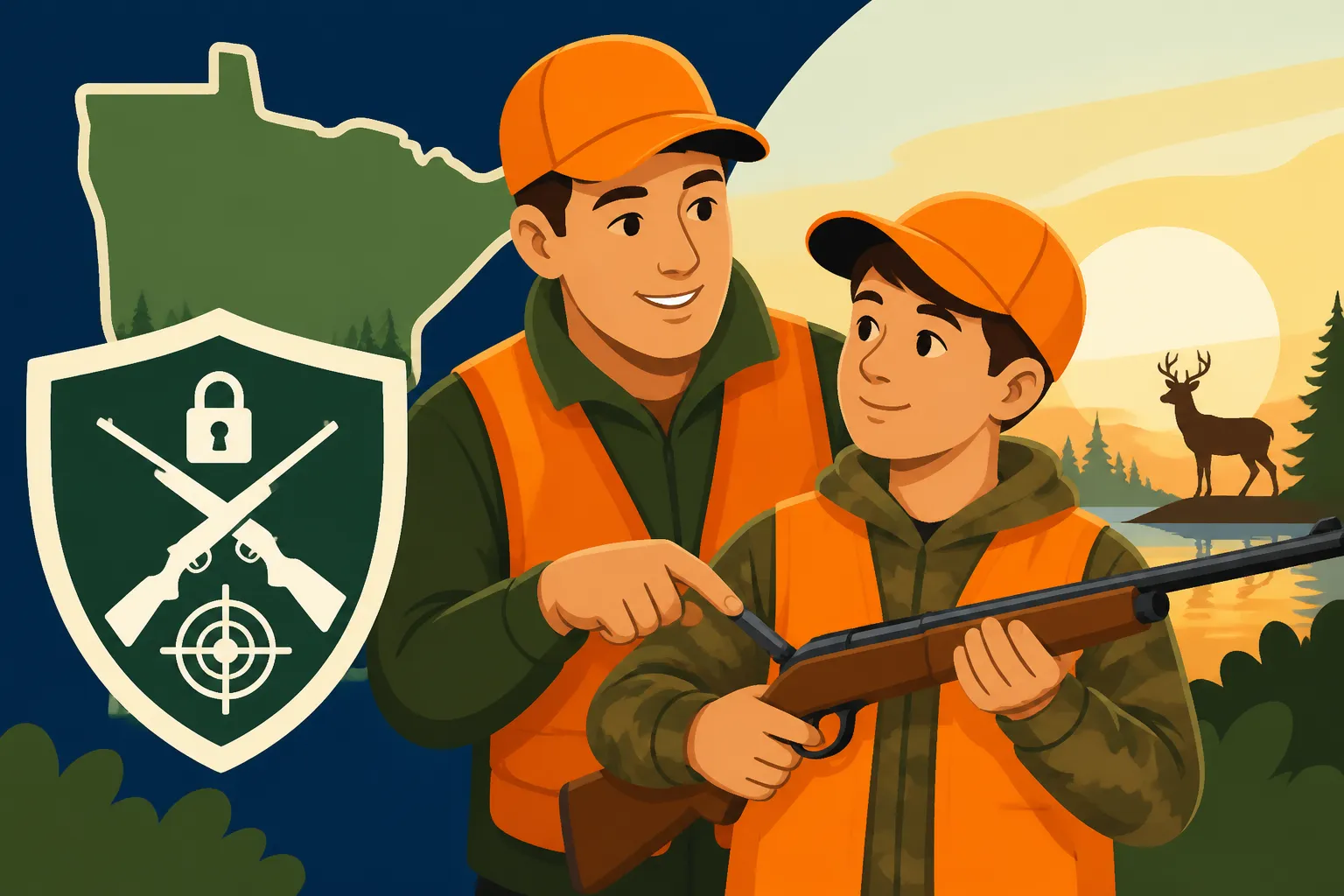
Students will typically be guided through various stations. One station might focus on the proper carrying positions for different hunting scenarios, like carrying a rifle across a field versus through dense timber. Another might be a live-fire range where they’ll practice shooting a .22 rifle, a shotgun (often with light loads), or sometimes even an air rifle. Instructors will be right there with them, providing one-on-one coaching on grip, stance, aiming, and trigger control. They’ll emphasize the "four cardinal rules" of gun safety repeatedly throughout this section, ensuring every student internalizes them. This is often the most impactful part of the training, transforming theoretical knowledge into practical skill.
Beyond the shooting, many field days incorporate practical exercises like navigating a simulated hunting course or obstacle challenge. This might involve demonstrating how to cross a fence with a firearm, safely unload and reload, or identify a safe shooting lane. These scenarios are designed to test a young hunter's judgment and decision-making skills in a dynamic, yet controlled, environment. It's about building confidence in real-world situations, preparing them for everything from Sighting In a Rifle for Minnesota Woods Ranges to safely participating in Deer Drives With Three or Four Hunters. The instructors create a supportive learning atmosphere, understanding that these are new experiences for many. They are there to teach, correct, and encourage, ensuring that every participant leaves with a solid foundation in safe firearm handling.
Receiving and Maintaining Your Certificate
Successfully completing the field day, including passing any written or practical tests, is the final step to earning the Minnesota Firearms Safety Certificate. It's a moment of pride for young hunters and their families, signifying their readiness to participate in Minnesota’s hunting traditions. Once all requirements are met, the DNR will issue the official certificate.
This certificate is more than just a piece of paper; it’s proof that your young hunter has met the state's standards for safe and responsible firearm handling. It’s essential to keep this certificate in a safe place, as you’ll need the certificate number when purchasing a hunting license. While you don’t typically need to carry the physical certificate while hunting, you do need to be able to provide proof of certification if requested by a conservation officer. The certificate number is often linked to the state's licensing system, so when you purchase a license online or at a vendor, that information should be on file. Many hunters find tools like the GoHunt app or other digital platforms helpful for keeping track of license and certificate numbers, though it's always wise to have a physical record or photo stored securely as a backup.
The Minnesota Firearms Safety Certificate does not expire, so once earned, it's valid for life. However, while the certificate itself doesn’t need renewal, it’s always a good idea for hunters of all ages to refresh their knowledge periodically. Reviewing safety rules, practicing at a shooting range, and staying informed about current hunting regulations – perhaps through resources like Minnesota Deer Seasons and Permit Areas or Minnesota Hunter Choice Permit Areas – helps maintain proficiency and ensures continued safe practices. For youth who take the course, the lessons learned are not just for their first season, but for every season that follows, fostering a lifetime of ethical and responsible hunting.
Common Questions and Misconceptions for Parents
It's completely normal for parents to have a ton of questions when their child expresses interest in hunting. The world of licenses, regulations, and safety courses can seem daunting at first glance. You want to do right by your child, ensure their safety, and make sure you're following all the rules. Let's tackle some of the most frequently asked questions and clear up a few common misconceptions that often pop up during this process.
Costs and Time Commitments
One of the first things parents often wonder about is the financial and time investment. Let's be realistic: while hunting can be an affordable pursuit, there are indeed costs and time commitments associated with getting started, especially for youth firearms safety.
- Course Fees: The cost for the firearms safety course itself can vary. Traditional classroom courses, often taught by volunteer instructors, might have a small fee (typically under $20-$30) to cover materials and range costs. Online courses often range from $15 to $30. While the online academic portion has a fee, the required field day associated with it is usually free or has a very minimal administrative charge. These fees are generally quite reasonable, especially when you consider the quality of instruction and the lifelong validity of the certificate.
- Time Investment: The time commitment for the academic portion depends on the format. A traditional classroom course might involve 8-12 hours of instruction spread over several evenings or a couple of weekends. Online courses offer flexibility, but still require the same amount of content mastery, so expect a similar number of hours, just spread out at your child's pace. The field day is almost always a full-day event, typically 6-8 hours, including classroom review, range time, and practical exercises. Factor in travel time to and from the field day location, which could be an hour or more if you live in a less populated area of Minnesota. So, all in, you're looking at potentially 15-20 hours of instruction and practical application.
- Other Potential Costs: Don't forget that after earning the certificate, your child will need to purchase a hunting license. A Minnesota Resident Deer License Cost or a Minnesota Resident Small Game License Cost for youth is generally lower than for adults, but it's still an expense. You'll also need to consider basic gear, like appropriate clothing (including Minnesota Blaze Orange Requirements), and potentially their first firearm if they don't already have access to one. While GoHunt might offer discounts on gear, these are still costs to budget for. It's a good idea to factor these into your overall plan to avoid any surprises down the road.
What Happens if a Child Doesn't Pass?
The thought of a child not passing a required course can be a source of anxiety for parents. It's important to understand that the Minnesota Firearms Safety Course is designed for success, with instructors committed to helping every student learn. The goal isn't to weed out participants, but to ensure they achieve a baseline level of knowledge and safety competence.
If a child struggles with the material or doesn't pass a specific section (like the written test or a practical skill on the field day), instructors are usually very supportive. They will typically offer opportunities for review, re-testing, or additional one-on-one coaching. It's very rare for a child to be outright "failed" without being given multiple chances to improve. The instructors want to see every young hunter succeed safely.
In the rare event that a child truly cannot demonstrate the required proficiency, they may be asked to retake the course or just the field day portion. This isn't a punitive measure; it's a safety precaution. It means the instructors feel the child isn't yet fully prepared to handle firearms safely and ethically. In such cases, parents should work with their child to understand where they struggled and provide additional support and practice before attempting the course again. The most important thing is that the child is truly ready, confident, and safe when they enter the woods. There's no rush to push a child into hunting before they're mentally and practically prepared, especially when programs like Minnesota Apprentice Hunter Validation Rules offer a safer, lower-pressure introduction.
Special Considerations for Different Hunting Scenarios
The Minnesota Firearms Safety Certificate is a broad certification, but specific hunting scenarios might have additional requirements or best practices that are worth noting, especially for young hunters.
For instance, while the certificate covers general firearm safety, if your child is particularly interested in archery, they might consider taking an additional bowhunting education course. Although not legally required in Minnesota for bowhunting, it provides specialized knowledge about archery equipment, shot placement for bows, and tree stand safety which is absolutely critical for any archer. This extra layer of education can make them a more effective and safer bowhunter, particularly when navigating the unique challenges of Bowhunting Minnesota's Long Archery Season or setting up in specific areas like for Treestand Setups in Minnesota Hardwoods.
Another area to consider is hunting with different weapon types. While the course covers general firearm safety, if your child plans to hunt during the Muzzleloader Deer Hunting in Minnesota season, they'll benefit greatly from additional hands-on practice with a muzzleloader. These historical firearms have their own unique loading and firing procedures that aren't typically covered in depth in a general firearms safety course. Similar considerations apply to other specialized methods; the general certificate is the baseline, but further education and practice are always beneficial.
Finally, think about the specific game your child wants to pursue. Deer hunting in the "Big Woods" of northern Minnesota, for example, presents different challenges than pheasant hunting in the open fields of southwest Minnesota. Understanding habitat, game behavior, and specific tactics for Hunting Minnesota Farmland Deer versus Where Big Woods Bucks Bed in Minnesota can significantly improve their success and safety. While not part of the mandatory safety course, these are discussions and learning opportunities that dedicated mentors or parents can provide, enriching the young hunter's overall experience and ensuring they're prepared for whatever Minnesota's diverse landscapes throw their way.
Disclaimer
The information provided in this guide is for general informational purposes only and is not intended as legal advice. Hunting regulations and requirements can change, and it is the hunter's responsibility to consult the official Minnesota Department of Natural Resources (DNR) website and regulations handbook for the most current and accurate information. Always prioritize safety and ethical hunting practices.