Taking Minnesota Hunter Safety Online
Trying to fit hunter safety training into an already jam-packed schedule can feel like an impossible task, especially with work, family, and all the other responsibilities life throws your way. The good news is that Minnesota offers a convenient and flexible solution for aspiring hunters to get their certification: taking the hunter safety course online. This guide will walk you through everything you need to know about navigating Minnesota's online hunter safety program, from the digital coursework to the essential in-person field day.
The Rise of Online Hunter Safety: Flexibility for the Modern Hunter
In today's fast-paced world, traditional multi-day classroom courses can be a real barrier for many people who want to get into hunting. Maybe you work irregular hours, have kids with their own activities, or simply live in an area where in-person classes are scarce or fill up quickly. Whatever your situation, the Minnesota Department of Natural Resources (DNR) recognized this challenge and has embraced online learning as a fantastic alternative, making hunter education much more accessible.
Embracing Flexibility and Convenience
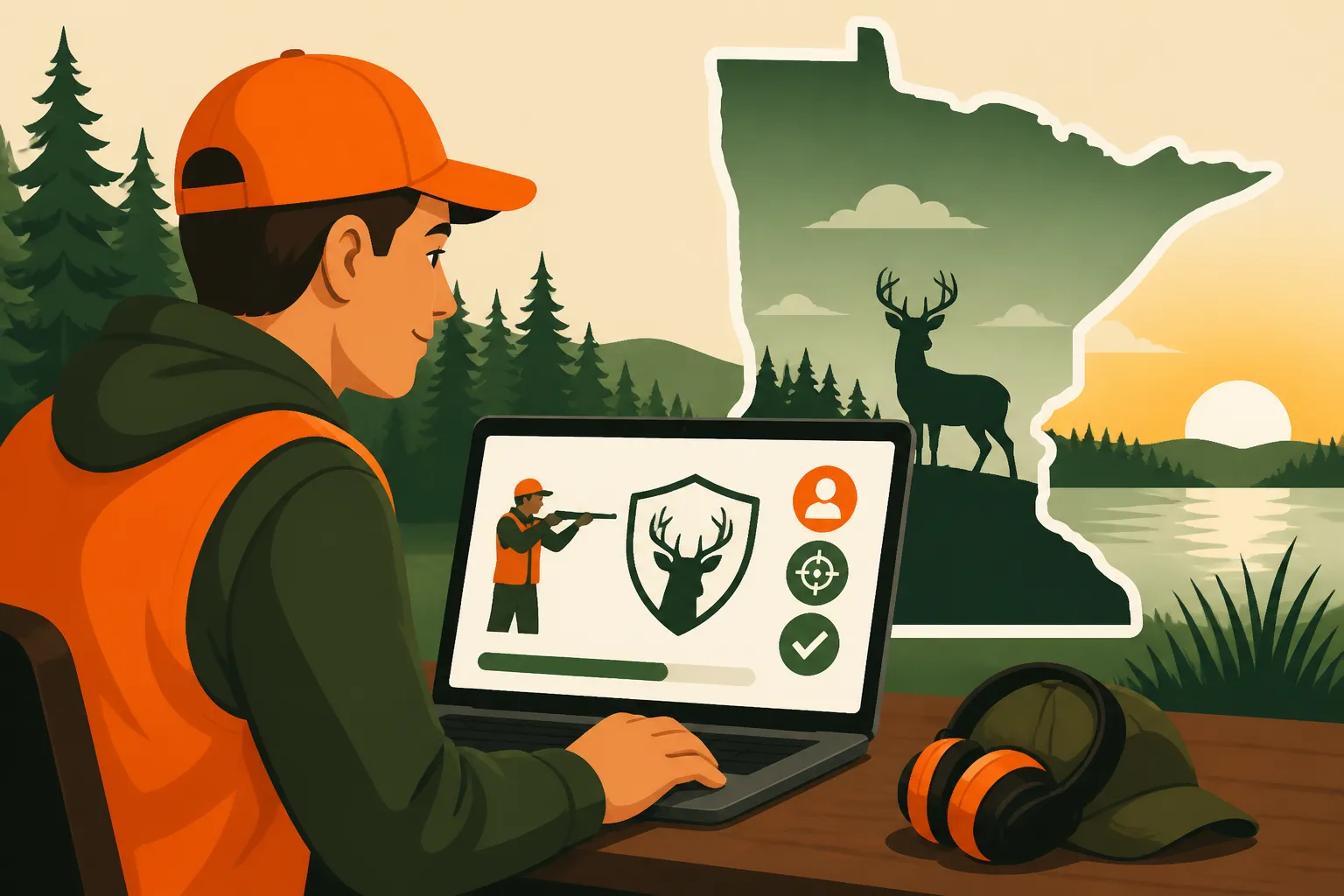
The primary draw of an online hunter safety course is the sheer flexibility it offers. Instead of committing to specific dates and times for classroom sessions, you can log in and complete modules whenever it suits your schedule. Got an hour free during lunch? Perfect. Want to knock out a few sections after the kids are in bed? Go for it. This self-paced approach is a game-changer for many folks, allowing them to learn at their own speed and on their own terms. It removes a huge hurdle that used to prevent busy individuals from pursuing their hunting dreams. Imagine not having to drive across the county for a class, or being able to review complex topics as many times as you need without feeling rushed. This adaptability truly makes it a viable option for just about anyone with an internet connection.
What the Online Course Actually Covers
While the format is digital, the content of the online hunter safety course is just as comprehensive and rigorous as its in-person counterpart. You'll dive deep into a wide array of topics crucial for safe and responsible hunting. This includes firearm and archery safety, understanding wildlife conservation principles, learning ethical hunting practices, proper field dressing techniques, and even basic survival skills. You'll learn about different types of hunting gear, how to identify various game species, and the importance of respecting private land. The modules often incorporate videos, interactive quizzes, and engaging scenarios to ensure you're not just memorizing facts, but truly understanding the principles at play. For instance, you might encounter detailed animations explaining how a firearm functions safely, or interactive maps demonstrating how to Reading aerial photos for big woods deer. The goal is to equip you with the foundational knowledge needed to be a safe, ethical, and successful hunter in Minnesota's diverse landscapes.
Navigating the Online Hunter Safety Certification Process
Getting your Minnesota Firearms Safety Certificate through the online pathway involves a few distinct steps. It's not just taking a course; there's a crucial in-person component that ensures you have practical, hands-on experience. Don't worry, it's all designed to make you a well-rounded hunter.
Choosing an Approved Course Provider
The first step is selecting an online course provider approved by the Minnesota DNR. It's really important to make sure the platform you choose is legitimate and recognized, otherwise, your hard work might not count. A quick search on the Minnesota DNR website will usually provide a current list of approved providers. Some popular choices often include organizations like hunter-ed.com or the IHEA-USA (International Hunter Education Association-USA), which develop robust and engaging curricula. When you're looking for a course, you might come across resources and platforms that offer various hunting education tools; sometimes reputable sites like GoHunt also provide information on finding approved courses or direct links to them. Always double-check that the course explicitly states it's approved for Minnesota. The cost for these online courses can vary slightly, but they generally fall within a similar range, often around $30-$50. This fee covers the digital coursework, and you’ll usually pay it upfront before you start.
Diving into the Online Course Content
Once you've registered with an approved provider, you're ready to start the online modules. These courses are designed to be self-paced, meaning you can stop and start as often as you need to. The material is typically broken down into chapters or units, each focusing on a specific aspect of hunter safety and ethics. You'll cover everything from safe firearm handling and storage, to wildlife identification, conservation principles, and the legal aspects of hunting in Minnesota. Many courses use a mix of text, images, videos, and interactive elements to keep you engaged. You'll usually encounter quizzes at the end of each module to test your understanding, and you'll need to pass these before moving on. The entire online portion can take anywhere from 6 to 10 hours to complete, depending on your pace and how much review you need. It’s essential to take your time and absorb the information thoroughly; this isn't just about passing a test, it's about building a foundation for lifelong safe hunting practices.
The Mandatory Field Day Requirement
Here's the critical part: completing the online course is only half of the equation. To receive your official Minnesota Firearms Safety Certificate, you must also attend and pass an in-person "field day." This isn't optional; it's a non-negotiable requirement. The field day is where you put your online knowledge into practice in a safe, supervised environment. You'll get hands-on experience with firearms, learn about safe zone-of-fire principles, practice various shooting positions, and demonstrate your ability to safely handle and store hunting equipment. Instructors will cover crucial aspects like Sighting in a rifle for Minnesota woods ranges and reinforce ethical decision-making. You'll also learn practical skills like identifying safe shooting lanes and proper use of tree stands or ground blinds. The field day typically lasts several hours, sometimes a full day, and includes a live-fire exercise. Think of it as the practical exam that complements your theoretical online learning. You'll need to register for a field day separately, usually through the DNR's website. They often fill up quickly, especially closer to hunting seasons, so plan ahead!
Who Needs Hunter Safety in Minnesota
It’s easy to assume everyone needs hunter safety, but Minnesota's rules are actually pretty specific. Knowing if and when you need a Firearms Safety Certificate (FSC) is key before you head out into the woods or fields. This certificate proves you’ve completed the required training and understand the responsibilities that come with hunting.
Age Requirements and the Firearms Safety Certificate
In Minnesota, the general rule is that if you were born after December 31, 1979, you need a valid Firearms Safety Certificate (FSC) to purchase a firearm deer hunting license. This applies to both residents and non-residents alike. If you were born on or before that date, you are generally exempt from this requirement, largely because it was assumed that individuals of that age likely had sufficient exposure to firearms safety training or experience over the years. However, even if you’re exempt by age, taking a hunter safety course is always a good idea. The skills and knowledge you gain are invaluable for safety and ethical hunting, regardless of whether it's legally mandated for you. For younger hunters, Minnesota sets specific guidelines for when they can participate. For example, individuals under the age of 12 are generally not allowed to hunt big game with a firearm. However, they can complete the hunter safety course and prepare for future hunting opportunities. The Minnesota Hunter Safety Requirements are designed to ensure that new hunters are adequately prepared and responsible.
Exemptions and Apprentice Hunter Validation
While the rule about being born after 1979 covers most situations, there are a few nuances and exceptions. For instance, if you possess a valid hunter safety certificate from another state or province, Minnesota generally recognizes it, but it's always wise to confirm reciprocity with the DNR if you're an out-of-state hunter.
A notable program that offers an alternative pathway, especially for beginners, is the Minnesota Apprentice Hunter Validation Rules. This allows individuals aged 10 and older to hunt legally for one year without having completed hunter education, provided they are accompanied by a licensed hunter who is at least 18 years old and meets specific supervision requirements. This mentor must have a valid hunting license for the game being hunted, and they must remain within "immediate proximity" of the apprentice, ensuring direct supervision. It's a fantastic way for someone to try hunting and gain some initial field experience before fully committing to the hunter safety course. You can only use the apprentice validation once, so it’s meant as a temporary introduction, not a permanent workaround for the certification. It's like having training wheels; once you've had a taste, the expectation is you'll then go on to get your full certification, typically by Taking Minnesota Hunter Safety Online and attending a field day.
Tips for Success and Common Pitfalls
Embarking on your hunter safety journey, especially with the online component, is a big step. To make sure you have the best experience and successfully earn your certificate, it helps to be prepared and aware of potential roadblocks.
Preparing for the Online Course
Treat the online course like any other important learning endeavor. Set aside dedicated time without distractions. While the flexibility is a huge perk, it can also lead to procrastination if you're not careful. Create a schedule and stick to it. Many people find it helpful to break the course into manageable chunks, tackling one or two modules at a time rather than trying to cram it all at once. Reviewing key concepts and taking notes can also be very beneficial. Even though it's online, you're still building a foundation for real-world safety, so truly understanding the material is more important than just clicking through. If a concept isn't clear, pause, re-read, or even do a quick search to ensure you grasp it before moving on. Remember, you're preparing yourself for situations where safety is paramount. Utilizing supplemental resources or even discussions on forums, like those often linked from hunting communities or even GoHunt's informational sections, can sometimes enhance your learning.
What to Expect at the Field Day
The field day is the culmination of your online learning, so come prepared. Dress appropriately for the weather, as much of the day will be spent outdoors. This might mean layers for cool mornings or rain gear depending on the forecast. You'll likely be handling firearms, so follow all instructions from the range officers and instructors precisely. They are there to teach you and ensure everyone's safety. Expect to demonstrate safe firearm carries, proper loading and unloading procedures, and to engage in live-fire exercises. You'll also learn practical skills like identifying game, understanding shot placement, and even how to effectively Field dressing a deer in cold weather. Instructors will evaluate your ability to apply the knowledge you gained online in practical scenarios. Don't be afraid to ask questions; this is your opportunity to learn from experienced hunters and clear up any uncertainties you might have. Successfully completing the field day means you've demonstrated both your knowledge and your practical skills, earning you the right to apply for your Minnesota Hunter Choice Permit Areas.
Common Mistakes to Avoid
One of the biggest mistakes people make is not planning for the field day far enough in advance. These sessions have limited spots and can fill up quickly, especially in the months leading up to deer season. You might complete your online course only to find there isn't an available field day in your area for months, delaying your ability to get a license. Check the DNR's field day schedule early and register as soon as you can. Another common pitfall is rushing through the online material without truly absorbing it. The goal isn't just to pass; it's to become a safe and responsible hunter. Skimming means you might miss crucial safety information that could have real-world consequences. Finally, don't underestimate the practical aspect of the field day. While the online course covers many regulations, like Minnesota Legal Shooting Hours and blaze orange requirements, the hands-on practice is where these truly sink in. Show up ready to learn and participate actively.
Here's a quick look at the differences between online and traditional classroom hunter safety:
| Feature | Online Hunter Safety | Traditional Classroom Hunter Safety |
|---|---|---|
| Flexibility | High: Self-paced, learn anytime, anywhere. | Low: Fixed schedule, specific dates/times. |
| Time Commitment | ~6-10 hours online + 4-8 hour field day (total ~10-18 hours) | ~12-16 hours classroom + 4-8 hour field day (total ~16-24 hours) |
| Cost | Typically $30-$50 (for online course) + potential field day fee | Often free or low cost, but can vary by instructor/venue |
| Learning Style | Independent, digital modules, interactive quizzes | Group instruction, lectures, direct Q&A |
| Hands-on Practice | Requires separate, mandatory in-person field day | Integrated into classroom sessions, culminates in field day |
| Social Interaction | Limited until field day | High, peer interaction, direct instructor engagement |
| Certification | Requires completion of both online course and field day | Requires completion of classroom hours and field day |
Ultimately, both paths lead to the same destination: a comprehensive understanding of hunter safety. The choice often comes down to which learning style and schedule best suits your personal needs. Remember, Minnesota wants you to be a safe, ethical hunter, and the online course, combined with the field day, is a proven way to get you there. Make sure to check the official Minnesota DNR website for the most current information regarding course providers and field day schedules. Also, understanding the proper Who needs Minnesota hunter safety training rules and Minnesota Firearms Safety Certificate for Youth can help clarify the requirements for all ages.
Disclaimer
The information provided in this guide is for general informational purposes only and does not constitute legal advice. Hunting regulations and requirements, including those related to hunter safety, can change. Always consult the official Minnesota Department of Natural Resources (DNR) website or contact the DNR directly for the most current and accurate regulations before participating in any hunting activities. Adherence to all local, state, and federal laws is the responsibility of the individual hunter.