Elk Hunting Odds in Kittson County
Dreaming of chasing elk in Minnesota sounds almost like a tall tale to many hunters, and for good reason—it’s a truly rare opportunity that most of us will spend a lifetime applying for without success. But that doesn't stop us from trying, does it? This guide will dive deep into the real talk about elk hunting odds in Kittson County, exploring exactly what you're up against, how the lottery works, and what it might take to finally draw one of those coveted, once-in-a-lifetime tags.
Understanding the Rarity of Minnesota Elk Tags
Let's not sugarcoat it: drawing an elk tag in Minnesota, especially for a prime area like Kittson County, is exceptionally difficult. It's often referred to as a "once-in-a-lifetime" opportunity for a reason. The state's elk population, while slowly recovering, is small, and the number of tags issued each year reflects a very conservative management approach. This scarcity means thousands of hopeful hunters throw their hat in the ring for just a handful of permits, making the odds astronomical.
Why Minnesota's Elk Herd is So Small
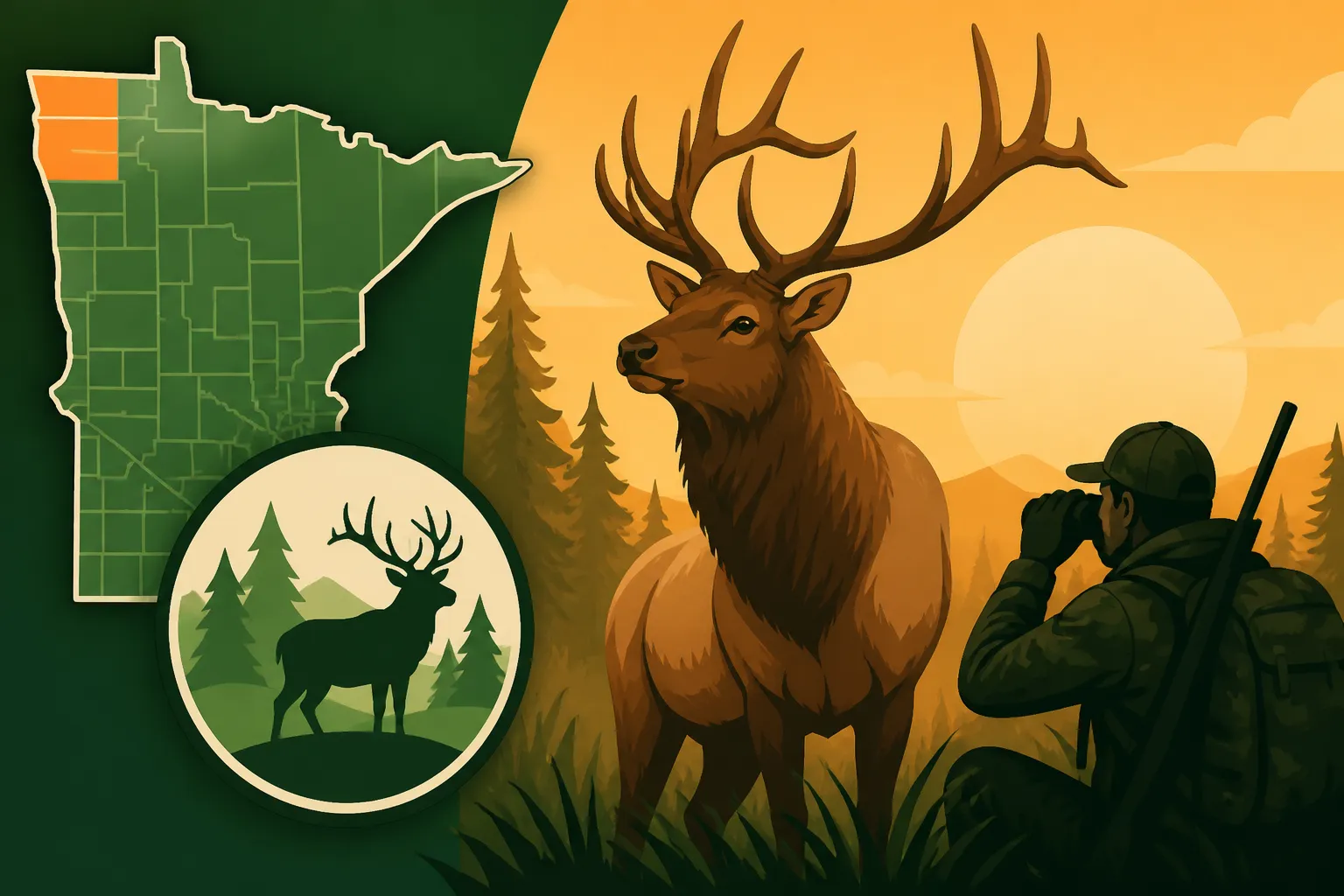
Minnesota's elk story is a comeback tale, but it's a slow one. Historically, elk roamed widely across the state, but market hunting and habitat loss pushed them out by the early 1900s. The herds we have today are the result of reintroduction efforts, mainly in the northwest corner, specifically within Kittson and Marshall Counties. Unlike states out west with vast expanses of elk habitat, Minnesota's elk live in a patchwork of agricultural land, brush, and limited forest, creating unique challenges for their expansion and management.
The Minnesota DNR manages these herds carefully to ensure their long-term viability, balancing population growth with landowner tolerance and the need to prevent crop damage. This delicate balance directly translates into the limited number of permits available to hunters. When considering How Many Elk Minnesota Has, you're talking about a population that numbers in the hundreds, not thousands, which naturally restricts hunting opportunities. For more on this, you can look into How Elk Returned to Northwest Minnesota and When Elk Were Reintroduced to Minnesota. It's a testament to dedicated conservation efforts, but also a stark reminder of the fragile nature of these herds.
The "Once-in-a-Lifetime" Reality
When they say it’s a "once-in-a-lifetime" tag, they mean it. Minnesota's regulations state that if you draw an elk tag, you are generally ineligible to apply for another one in the future. This policy is in place specifically to give as many different hunters as possible the chance to experience this unique hunt. While it's understandable from a fairness perspective, it underscores just how precious each tag is.
For many of us, applying for the Minnesota elk lottery is an annual ritual, a glimmer of hope, similar to playing the actual lottery. The thought of finally having that opportunity, after years or even decades of applying, is what keeps us coming back. It’s a true testament to the dedication of hunters in the state that so many continue to apply despite the incredibly slim chances. The fact that it's Why the Minnesota Elk Tag Is Once in a Lifetime only magnifies the dream.
Breaking Down Kittson County's Elk Permit Areas
Kittson County is home to the largest and most consistently hunted elk herd in Minnesota. Within this county, there are specific permit areas, often referred to as zones, that are managed individually based on local elk concentrations and habitat conditions. Knowing these areas and their historical tag allocations is crucial for understanding your application strategy.
The Kittson County Elk Herd
The primary elk population in Kittson County is often called the "Kittson Herd." This herd has seen some fluctuations over the years but generally provides the most consistent hunting opportunities. These elk inhabit a mix of agricultural fields, brushy pastures, and woodland fringes, often moving between public and private lands. Their behavior is different from mountain elk; these are often more elusive, using heavy cover and agricultural fields for refuge.
Understanding The Kittson County Elk Herd Size is essential. The DNR conducts aerial surveys and gathers data to estimate population numbers, which then inform the number of tags issued. These numbers are rarely static, influenced by calving success, winter severity, and even interactions with predators like Wolves and Minnesota Elk Calves. This dynamic ecosystem means the number of tags can vary slightly year to year.
Permit Area Specifics and Tag Allocation
The Minnesota DNR designates specific Elk Permit Areas (EPAs) within Kittson County, and sometimes adjacent Marshall County, for hunting. Each year, the DNR decides how many tags, if any, will be issued for each EPA. This decision considers population goals, herd health, and local factors like depredation complaints from landowners.
Typically, only a handful of tags are issued statewide, often ranging from 10 to 30 permits across all eligible zones combined, including Kittson, Marshall, and sometimes a smaller herd near Grygla. For Kittson County specifically, you might see anywhere from 5 to 15 tags in a given year, sometimes split between archery and firearm seasons, and often further divided into antlered (bull) and antlerless (cow/calf) permits.
Here's a simplified look at the kind of numbers you might be up against, based on historical data. Keep in mind these are approximations, and actual numbers vary annually.
| Elk Permit Area (Example) | Antlered Tags | Antlerless Tags | Total Tags Issued (Estimate) | Average Applicants | Draw Odds (Approximate) |
|---|---|---|---|---|---|
| Kittson Central (EPA 110) | 2-4 | 3-6 | 5-10 | 8,000+ | 0.05% – 0.1% |
| Kittson North (EPA 120) | 1-3 | 2-4 | 3-7 | 8,000+ | 0.03% – 0.08% |
| Marshall-Kittson (EPA 130) | 0-2 | 1-3 | 1-5 | 8,000+ | 0.01% – 0.06% |
Note: These numbers are illustrative and based on general historical trends. Actual tag allocations and applicant numbers fluctuate annually. "Average Applicants" refers to the total number of people applying for any elk tag in the lottery, not per specific zone.
As you can see, even in the best-case scenario, the chances are incredibly slim. Tools like GoHunt can be invaluable for tracking these historical draw odds and understanding the trends, giving you a slightly sharper edge in your application strategy. They aggregate data that can help you gauge the competition for How Many Minnesota Elk Tags Are Issued each year.
Improving Your Odds in the Minnesota Elk Lottery
Given the brutal reality of the draw odds, "improving your odds" is less about finding a secret loophole and more about consistently playing the game and understanding the lottery system. There are no guarantees, but smart application strategies can certainly maximize your long-term chances.
Understanding the Preference Point System
Minnesota's elk lottery uses a preference point system. This is absolutely critical to understand because it's the only real way to "improve" your chances over time. For every year you apply for an elk license and are unsuccessful, you earn a preference point. When the draw occurs, applicants with the most preference points are considered first.
This means that patience and persistence are key. Someone who has been applying for 20 years and has 20 preference points will have a significantly higher chance of drawing a tag than someone with only a few points, even if that chance still feels infinitesimal. There's no way to "buy" points or fast-track the system; you simply have to keep applying, year after year, building up those points. Missing a year means you don't accumulate a point for that year, and in some systems, can reset your points (though Minnesota’s system typically retains them). Always double-check the current Minnesota Elk Lottery Rules to ensure you understand the latest regulations.
Application Strategies and Group Applications
When it comes to applying, you have a few choices that can affect your outcome:
- Individual Application: Most hunters apply as individuals. Your preference points are tied solely to you.
- Group Application: You can apply as part of a group, typically up to four hunters. If a group applies, the DNR uses the average preference points of the group members. For example, if one person has 10 points and another has 0, the group applies with 5 points. This can be a double-edged sword: if you're a high-point holder, joining a low-point group can effectively lower your chances for that year. However, if you're all similar in points, it means if one person draws, everyone in the group draws. This is a common strategy for friends or family who want to ensure they can hunt together if successful.
Carefully consider who you apply with. If you're a seasoned applicant with many points, you might choose to apply individually to maximize your personal odds, or strategically form a group with other high-point holders. If you're new to the game, joining an experienced friend's group might be your best bet for an eventual tag, even if it means waiting longer. GoHunt or other similar platforms can sometimes offer insights into how group applications statistically perform.
The Application Deadline and Process
The application period for Minnesota elk tags is usually in the spring, often around April or May, with results typically released in June. Missing the deadline means missing out on a preference point and the chance for that year's hunt. It’s crucial to mark your calendar and get your application in on time. You can apply online through the Minnesota DNR's eLicense system. Be sure to check the Minnesota Elk Application Deadline each year on the DNR website.
The application itself is straightforward, asking for your personal information, your choice of permit area (if applicable, though often there’s a general elk lottery), and whether you're applying as part of a group. Double-check all your information before submitting. The fee for applying is usually quite low, which makes it an accessible annual tradition for many.
What to Expect if You Draw a Kittson County Elk Tag
Let's imagine the unthinkable happens: you check your email, and there it is – "Congratulations! You've drawn a Minnesota elk tag." The initial elation will be immense, but then the real work begins. Hunting elk in Kittson County is a vastly different experience from elk hunting out West, and being prepared is paramount.
Scouting and Public vs. Private Land Access
Drawing a tag means immediate, intensive scouting is needed. Elk in Kittson County utilize both public and private lands, and access can be a significant challenge. While there are some Wildlife Management Areas (WMAs) and scattered state lands, a substantial portion of the elk's range is on private agricultural property.
- Public Land: Use resources like the Minnesota DNR's Recreation Compass or land ownership apps like onX Hunt (which GoHunt integrates with) to identify public hunting opportunities. You'll need to scout these areas extensively for fresh sign, travel corridors, and bedding areas. Be prepared for thick brush, marshy terrain, and limited elevation changes.
- Private Land: This is often where the most significant challenge lies. Gaining permission from landowners is often crucial for a successful hunt. Start early, be polite, and offer to help with any potential crop damage. Many landowners might be wary due to past negative experiences, so building trust is key. Understanding Getting Private Land Permission in Minnesota is a valuable skill that applies here more than almost any other hunt.
Unlike Western elk hunts where you might focus on specific mountain ranges, in Kittson County, you're often looking at smaller pockets of cover and trying to pattern elk movements between feed and bed. Elk Viewing in Northwest Minnesota can give you an idea of where they generally congregate.
Hunting Tactics for Minnesota Elk
Hunting Minnesota elk is less about bugling across vast valleys and more about stealth, patience, and often, still-hunting or stand hunting.
- Still-Hunting/Stalking: Many successful hunters in Kittson County employ slow, methodical still-hunting through thick brush and cover. The terrain doesn't always allow for long-range glassing, so being quiet and observant in close quarters is essential. This aligns with tactics like Still-Hunting Minnesota Big Woods for deer, just on a grander scale.
- Stand Hunting: Setting up in a treestand or ground blind near known travel corridors, pinch points between cover and fields, or active feeding areas can be effective. You'll want to identify areas with fresh tracks, droppings, and rubs. Patience is key, as these elk can be highly nocturnal and wary.
- Calling: While not as prevalent as out West, calling can still be a tool. Soft cow calls or a subtle bugle might draw a response, especially during the rut, but aggressive calling is often less effective with these pressured animals.
- Gear: Your rifle choice should be adequate for large game, with good bullet construction for penetrating thick hides. Optics with good low-light performance are critical for glassing into dense cover during dawn and dusk. Dress in layers suitable for Minnesota's often unpredictable weather, from mild fall days to early winter snow. For a successful hunt, your gear matters significantly, and scouting the area before the season opens will help you decide what's appropriate.
The season dates for elk in Minnesota are typically in late September and early October for archery, and then a firearm season often in early to mid-October, sometimes with a later season in December depending on the zone. Be sure to confirm the exact Minnesota Elk Season Dates for your specific permit area.
After the Shot: Recovery and Processing
If you're fortunate enough to harvest an elk, the work truly begins. These are large animals, and recovering them from dense cover or muddy fields can be incredibly challenging.
- Tracking and Recovery: Elk are tough animals. Even with a good shot, they can travel a surprising distance. Have a plan for tracking, including a good headlamp if you're hunting near dusk. Consider bringing a sturdy game cart or even a small sled for dragging, depending on the terrain and time of year. Given the remote nature of some of these areas, having a reliable way to get the animal out is paramount.
- Processing: Field dressing an elk requires significant effort and a sharp knife. If you’re far from your vehicle, you might consider quartering the animal in the field to make it more manageable. Ensure you have large game bags to keep the meat clean and cool. Prompt processing is crucial, especially in warmer early season conditions, to prevent spoilage. Plan ahead for a butcher or be ready to handle the processing yourself. This is a massive animal, much larger than a typical Minnesota whitetail.
Drawing a Minnesota elk tag is truly a dream hunt, but it's a dream that requires immense planning, effort, and persistence, whether in applying or in the field.
Disclaimer
The information provided in this guide is for general informational purposes only and does not constitute legal advice. Hunting regulations, seasons, and permit requirements in Minnesota are subject to change. Always consult the official Minnesota Department of Natural Resources (DNR) website and regulations handbook before planning any hunting trip.