Minnesota Elk Season Dates
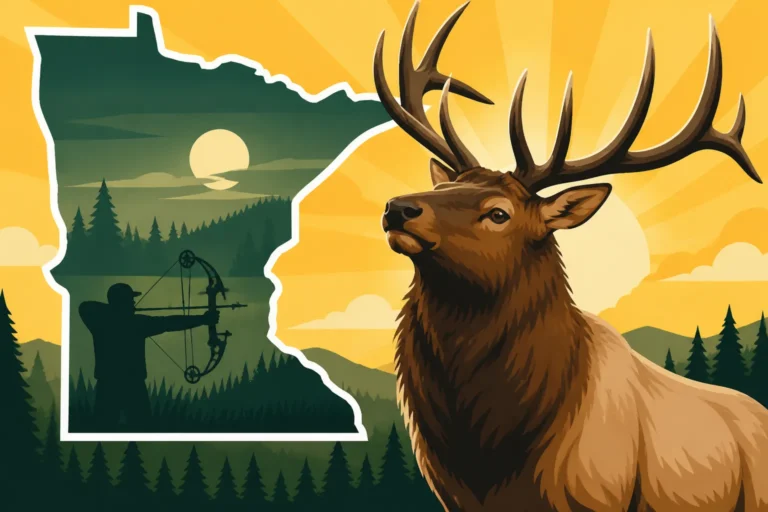
Dreaming of an elk hunt in Minnesota can feel like chasing a ghost – the odds are incredibly slim, and the process to even get a chance at a tag can be confusing for even seasoned hunters. If you're hoping to experience the thrill of chasing wapiti in the North Star State, understanding the specific season dates and the intricate lottery system is your first, crucial step. This guide will walk you through everything you need to know about Minnesota's elusive elk season dates, helping you navigate the unique challenges and perhaps, turn that once-in-a-lifetime dream into a reality.
Understanding Minnesota's Elusive Elk Management and Opportunity
Hunting elk in Minnesota isn't like heading out for deer or even bear; it's a completely different ballgame, primarily because of the extremely limited opportunities. The Minnesota Department of Natural Resources (DNR) manages these small, unique herds very carefully, balancing conservation with very controlled hunting. This careful management is why securing an elk tag here feels like winning the lottery, because in essence, it is.
The Three Elk Herds and Their Locations
Minnesota is home to three distinct elk herds, each with its own permit area, population dynamics, and, consequently, its own set of hunting opportunities. Knowing where these herds roam is fundamental to understanding the hunt.
The largest and most well-known is the Kittson County Herd, found in the extreme northwest corner of the state, near the Canadian border. This area is characterized by a mix of agricultural land, brush, and some forested areas, offering diverse habitat for the elk. This herd has traditionally provided the most tags, though still very few. South of the Kittson herd, you'll find the Marshall County Herd, which overlaps with some of the same habitat types but is generally smaller and offers even fewer tags. Both of these herds primarily roam public and private lands in the Red River Valley transition zone, an area that provides both forage and cover. Farther east, in more rugged, forested terrain, is the Grygla Herd, near the community of Grygla. This herd is the smallest and arguably the most difficult to hunt due to the dense cover, and consequently, it typically has the fewest tags allocated, sometimes none at all in a given year, or perhaps a single bull tag.
Each of these herds presents unique challenges and rewards, and the DNR’s management aims to keep them healthy and prevent conflicts with agricultural interests. Understanding where the Minnesota Elk Hunt Zone Boundaries are located will give you a better sense of the terrain you might encounter if you're lucky enough to draw a tag.
Why Elk Tags Are So Scarce
The scarcity of Minnesota elk tags is a direct result of several factors, including the relatively small size of the herds, the effort to restore and grow these populations, and the "once-in-a-lifetime" policy for residents. Unlike states in the Rocky Mountains where elk number in the tens or hundreds of thousands, Minnesota's elk population is modest, currently estimated to be in the low hundreds across all three herds. The story of How Elk Returned to Northwest Minnesota is a testament to dedicated conservation efforts after they were extirpated from the state decades ago.
The DNR's primary goal is to maintain viable, healthy elk populations. This means that hunting quotas are incredibly conservative. We're talking about maybe 30 to 50 tags total across all zones in a typical year, sometimes even less. Compare that to the thousands of deer tags issued annually, and you quickly grasp the difference. Furthermore, Minnesota residents are generally only allowed to harvest one elk in their lifetime here. This policy, designed to spread the limited opportunity among as many hunters as possible, is why the Minnesota Elk Tag Is Once in a Lifetime. It ensures that if you do draw that coveted tag, it's a truly special, unrepeatable experience for you, allowing another hunter their shot down the road. Non-residents can apply, but the odds are even longer, if not astronomical, due to statutory preferences for residents.
The Application Process: Getting Your Name in the Hat
Given the rarity, simply knowing the season dates isn't enough; you first have to draw a tag. The application process is an annual event that typically runs through the spring months, with the Minnesota Elk Application Deadline usually falling in late May or early June. This is when you declare your interest and throw your name into the ring.
To apply, you'll need to purchase a specific elk lottery application from the Minnesota DNR eLicense system, available online or at any licensed agent. It's crucial to pay attention to the application period and get your entry in on time. Many hunters find resources like GoHunt incredibly helpful for tracking application deadlines, understanding odds, and researching specific zones in various states, including Minnesota. While GoHunt covers many Western states in depth, their generalized application calendar tools can still be a valuable reminder for deadlines if you're trying to stay on top of various hunting opportunities.
When you apply, you'll typically choose a specific hunt zone (Kittson, Marshall, or Grygla) and a weapon type (archery or firearm). Some years, there might be specific bull-only or antlerless-only opportunities within these zones. It's vital to research the current year's regulations on the DNR website carefully before applying, as permit numbers and specific hunt types can change annually based on herd surveys and management goals. The anticipation of waiting for the lottery results, usually released in July or August, can be excruciating, but the payoff, if your name is drawn, is immense.
Diving Deep into Minnesota Elk Season Dates
Once you've cleared the hurdle of drawing a tag, the real planning begins. Minnesota's elk seasons are short, specific, and designed to minimize disturbance to the herds while offering hunters a reasonable chance at success. They typically fall into two main periods: a late summer/early fall archery season and a later fall/early winter firearm season, though the exact timing varies by zone and year.
The Short, Sweet, and Highly Anticipated Elk Seasons
Minnesota's elk seasons are incredibly brief compared to deer seasons, often lasting only a few days to a week for each period. This brevity emphasizes the need for thorough preparation and efficient hunting once you're in the field.
Generally, the archery elk season runs during the first half of September, often coinciding with the early stages of the elk rut, which is a prime time for calling. The firearm seasons usually open in late September or early October, and some years might have a second firearm period in late November or early December, particularly if additional harvest is needed or if a late-season antlerless hunt is authorized. These late seasons can be brutally cold and involve hunting in snow, which can be both a challenge and an advantage for tracking.
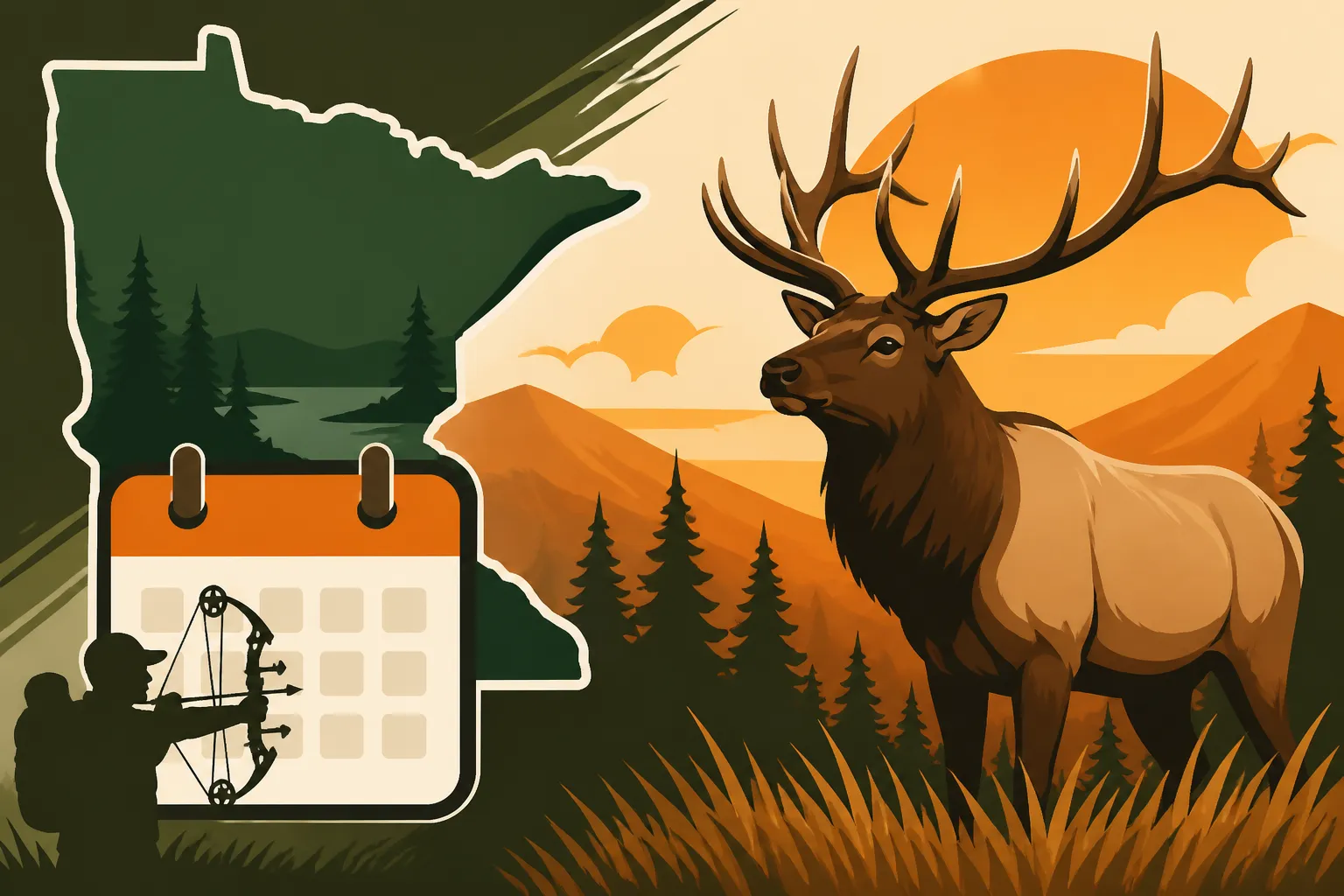
The exact Minnesota Elk Season Dates are published annually by the DNR. Here’s a generalized example of how they might look, keeping in mind these are subject to change:
| Herd Zone | Weapon Type | Typical Season Dates | Tag Type Examples |
|---|---|---|---|
| Kittson County | Archery | Early-Mid September | Bull, Antlerless |
| Kittson County | Firearm | Late September – Early October | Bull, Antlerless |
| Kittson County | Firearm | Late November – Early December | Antlerless |
| Marshall County | Archery | Early-Mid September | Bull, Antlerless |
| Marshall County | Firearm | Late September – Early October | Bull, Antlerless |
| Grygla | Firearm | Late September – Early October | Bull (Very Limited) |
Note: This table provides typical date ranges for illustrative purposes only. Always consult the current year's Minnesota DNR hunting regulations for precise and up-to-date season information.
These windows are narrow, meaning every day you spend in the field must be maximized. You don't have weeks to scout and hunt like you might for other species; it's often a focused, intense effort within a tight timeframe.
How the Seasons Are Structured
The structuring of Minnesota's elk seasons is designed to manage harvest, reduce conflict, and offer a specific hunting experience. Each zone (Kittson, Marshall, Grygla) operates independently, and within each zone, there can be different periods for archery and firearms.
For instance, the Kittson County herd might have an early archery period where hunters can pursue either bull or antlerless elk, followed by a firearm period for the same. There might then be a later, separate firearm period specifically for antlerless elk if population management dictates. This staggered approach helps distribute hunting pressure and allows for adaptive management throughout the year. The DNR meticulously reviews aerial surveys and ground observations to set these specific dates and tag allocations.
The "once-in-a-lifetime" restriction means that for Minnesota residents, this is often a singular, cherished experience. For non-residents, while the hunt isn't once-in-a-lifetime, drawing a tag remains an extraordinary feat. Whether you're hunting with a bow or a rifle, understanding the regulations for your specific permit area and chosen weapon is paramount. Be sure to understand the legal firearms for Minnesota deer hunting and how they may apply to elk, especially if specific calibers are required or recommended.
Preparing for Your Hunt Once You Draw a Tag
Drawing an elk tag is just the beginning; the real work starts now. With such limited time to hunt, preparation needs to be meticulous.
Your first step should be intensive scouting. Since many elk ranges include a mix of public and private land, use resources like the Minnesota Recreation Compass App to identify public access points and property boundaries. Get boots on the ground long before the season opens. Look for fresh sign: tracks, rubs, wallows, and droppings. Identify travel corridors between feeding and bedding areas. Because elk migrate and use different parts of their range at different times of the year, knowing their summer patterns will only get you so far. Focus your scouting efforts on where you expect them to be during your season dates, considering food sources, water, and security cover. If you drew a September tag, you might even be able to catch the tail end of the bugle, providing an auditory cue to their location.
Beyond scouting, ensure your gear is ready. If it’s a firearm hunt, make sure you've spent plenty of time Sighting In a Rifle for Minnesota Woods Ranges. Elk are large, tough animals, and a well-placed shot is critical. Consider your Optics for Minnesota Big Woods and Farmland; good binoculars and a quality scope are invaluable for spotting elk in varied terrain. Dress in layers suitable for Minnesota's unpredictable late summer or fall weather. You'll likely be covering significant ground, so comfortable, sturdy boots are a must. Remember, this isn't just a hunt; it's an adventure into Minnesota's wild country.
Strategies for a Successful Minnesota Elk Hunt
Landing a Minnesota elk tag is a monumental achievement, and you'll want to make the absolute most of this rare opportunity. Success often boils down to thorough preparation, understanding elk behavior, and being adaptable in the field.
Pre-Season Scouting and Familiarity with the Zone
As mentioned, pre-season scouting is absolutely non-negotiable. Don't wait until a week before your season starts to hit the woods. If you've been fortunate enough to draw one of these limited tags, dedicate as much time as possible to understanding your specific hunt zone. This isn't just about identifying a few trails; it's about learning the entire landscape.
Utilize tools like satellite imagery (onX Hunt, for example, is excellent for this) to identify potential bedding areas, feeding grounds (like alfalfa fields in agricultural zones or clearings with fresh browse in forested areas), and water sources. Look for pinch points, saddles, and drainages that elk might use to travel between these areas. Often, elk in Minnesota will use dense cover during the day and move out into more open areas to feed during dawn and dusk. Pay close attention to wind direction and how thermals might carry your scent. Learning to read aerial photos for Big Woods deer can translate well to understanding elk movement in similar mixed habitat types found in the Grygla area.
If you can, try to scout during the same time of year your hunt will take place. This will give you insight into available food sources and typical elk behavior during that specific period. Don't just look for elk; look for signs of elk. Fresh tracks, droppings, bark rubs on trees, and wallows are all indicators that elk are actively using an area. The more familiar you become with your permit area, the higher your chances of intercepting one of these magnificent animals during your limited season. For comprehensive information, explore resources like Scouting Minnesota Public Land Before Season, which can provide valuable tips applicable to any big game hunt.
Gear Considerations for Northern Minnesota Terrain
Your gear setup will play a significant role in your comfort and success, especially when you're hunting in areas where elk are present, like the remote stretches of Kittson or the dense cover of Grygla.
For firearm hunters, a reliable, accurate rifle in a suitable caliber is paramount. Something like a .30-06, .300 Win Mag, or 7mm Rem Mag would be excellent choices, providing the knockdown power needed for elk while still being manageable. Make sure your rifle is sighted in accurately for realistic Minnesota ranges – you might have a long shot across a field or a quick close-range opportunity in thick brush. Consider using a quality scope that performs well in low light, as elk are often most active during dawn and dusk. For archery hunters, a powerful, accurate bow with appropriate broadheads is essential. Fixed-blade broadheads are often favored for their reliability and penetration on large game. You'll want a quiver that can withstand walking through brush and a good rangefinder to accurately gauge distances.
Clothing should be layered for warmth and moisture management. Minnesota falls can bring anything from warm, sunny days to cold, driving rain or even early snow. Quality rain gear, insulated boots (especially for late-season firearm hunts), and a quiet outer layer are critical. A good backpack to carry essentials like water, snacks, extra layers, a first-aid kit, and game processing tools is also necessary. Given the size of elk, consider a sturdy frame pack if you plan to bone out the animal in the field, which can be critical for recovering a Boundary Waters deer by canoe, or in this case, a large elk from a remote area.
Making the Most of a Once-in-a-Lifetime Opportunity
This isn't just a hunt; for many, it's a dream come true. Embrace the experience, regardless of the outcome. The odds of drawing a Minnesota elk tag are so low that simply being in the field with a tag in your pocket is a victory in itself.
If you're new to elk hunting or unfamiliar with the specific terrain of your zone, consider hiring a local guide. While not cheap, a good guide can exponentially increase your chances of success by leveraging their knowledge of the area, elk behavior, and effective hunting tactics. They can help with calling, tracking, and even field dressing and packing out a massive animal.
Beyond the hunt itself, plan for game recovery and meat care. An elk is a huge animal, potentially weighing 600-1000 pounds. You'll need a plan for Field Dressing a Deer in Cold Weather, but scaled up significantly. Have large coolers, plenty of ice, and heavy-duty game bags ready. If you're successful, you'll be dealing with a lot of high-quality wild game meat, which is a fantastic reward for your efforts. Even if you don't fill your tag, cherish the memories, the sounds of the wilderness, and the simple fact that you were one of the very few to have a legitimate chance to pursue a wild elk in the great state of Minnesota.
Disclaimer
The information provided in this guide is for general informational purposes only and is subject to change. Hunting regulations, season dates, and permit requirements are established by the Minnesota Department of Natural Resources (DNR) and can be modified annually. Always consult the official Minnesota DNR hunting regulations and specific permit area rules for the most current and accurate information before planning any hunting activity. Failure to comply with all applicable laws and regulations may result in penalties.