Hunting the Late 300B Firearm Opener
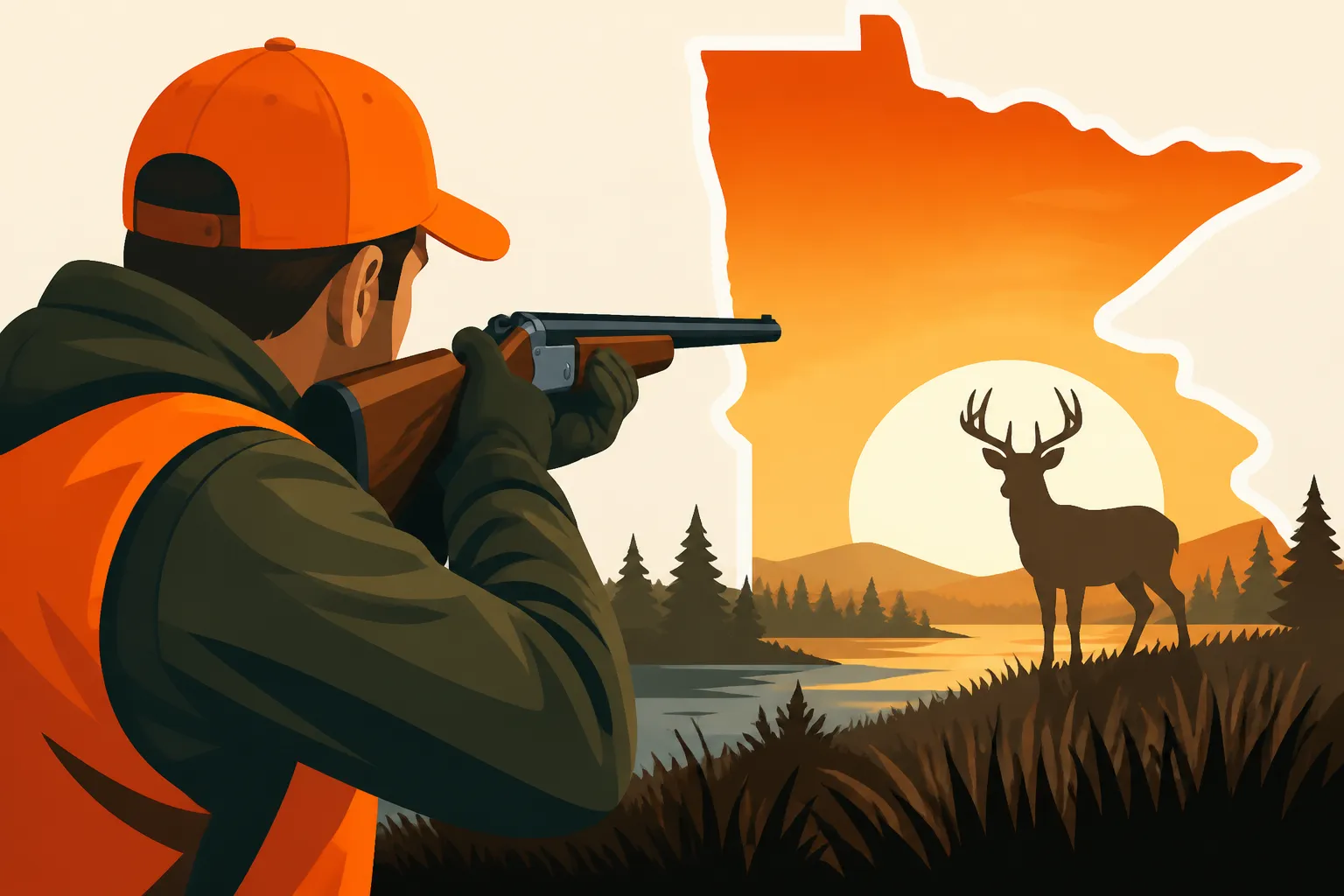
The crisp air of December in Minnesota can feel exhilarating, but if you're like many hunters, the thought of the late 300B firearm opener can also bring a mix of excitement and trepidation. Gone are the comfortable temperatures and predictable rut activity of early November. Now, you’re often facing frigid winds, snow-covered landscapes, and deer that have been pressured for weeks. This guide is here to walk you through the unique challenges and rewarding strategies for successfully hunting the late 300B firearm opener, helping you fill your tag when others have hung up their gear.
Understanding Minnesota's 300B Firearm Zone and Its Unique Season
The 300B firearm zone in Minnesota represents a unique opportunity and a distinct set of challenges for deer hunters. Unlike the earlier firearm seasons, the 300B opener often falls in early December, stretching into the middle of the month. This later timing is a crucial factor that shapes everything from deer behavior to the gear you'll need.
What Makes the 300B Zone Different?
Historically, the 300B zone was established in areas of Minnesota where wildlife managers sought additional antlerless harvest opportunities to help manage deer populations. These zones are typically found in more agricultural regions or areas with specific population management goals, distinguishing them from the earlier 100 or 200 series zones. The most significant difference, of course, is the timing. While many hunters have already had their crack at deer during the frantic rut, 300B hunters are stepping into a post-rut, late-season scenario. This means deer have largely transitioned from breeding activities back to their primary survival instincts: finding food and secure thermal cover.
The landscapes within 300B permit areas can vary significantly, from open farmlands with scattered woodlots to more dense river bottomlands and fragmented forests. What unites them is the prevailing conditions of early December – colder temperatures, the increasing likelihood of significant snow cover, and deer that have endured weeks, if not months, of hunting pressure. This isn't just a later start; it's a different hunt entirely, requiring a strategic shift in your approach. Understanding Minnesota Deer Seasons and Permit Areas is crucial to identifying if your chosen hunting grounds fall within this unique opportunity.
Deer Behavior in Early December
By the time the 300B season rolls around, the frenetic energy of the rut is mostly a memory. Bucks are often exhausted, having burned significant calories, and are now focused on recovery. Does and fawns are hunkering down, prioritizing safety and sustenance. This shift dramatically alters their patterns, making late-season hunting a game of strategy rather than luck.
- Food is King: In early December, deer become highly reliant on dependable food sources. Natural mast crops like acorns, if available, might still draw them, but often the best bets are agricultural fields. Standing corn, soybean stubble, winter wheat, and brassicas become magnets for deer seeking to replenish fat reserves. They'll often move from thick cover to these food sources, primarily during low-light hours, but also sporadically throughout the day if the pressure is low and the cold dictates. Scouting for Late-Season Food Sources for Minnesota Whitetails is paramount.
- Thermal Cover is Crucial: With dropping temperatures and potential snow, thermal cover becomes as important as food. Deer seek out areas that offer protection from the wind and cold. This means conifer stands (pine, spruce, cedar), thick cattail swamps, dense brush thickets, and south-facing slopes that catch more sun. These areas provide sanctuary, allowing deer to conserve energy and avoid detection. Finding where big woods bucks bed in Minnesota often involves looking for these types of protective cover.
- Reduced Movement and Pressure: Deer movement tends to be more deliberate and less expansive than during the rut. They will often travel shorter distances between bedding and feeding, making precise stand placement critical. Compounding this is the cumulative hunting pressure from earlier seasons. Deer are warier, more nocturnal, and quicker to flee. This means you need to be exceptionally stealthy, patient, and willing to work harder to find undisturbed pockets.
Effective Tactics for Hunting the 300B Firearm Opener
Hunting the 300B opener demands a methodical and adaptable approach. You can't just hunt where you found deer in October or November; you need to adjust to the conditions and the deer's altered priorities.
Prioritizing Food and Thermal Cover
Your late-season scouting and hunting strategies must revolve around the two primary drivers for deer in December: food and thermal cover.
- Scouting for Late-Season Food Sources: Before the season, or even during, use tools like the GoHunt app or other aerial photography to identify potential food sources. Look for standing cornfields that haven't been harvested, soybean fields, or even brassica plots if you're on private land or a WMA with such plantings. Pay close attention to the edges of these fields, especially where they meet dense cover. Deer will stage in the cover before entering the fields. If snow is on the ground, fresh tracks leading to and from these areas will be your best indicator of active feeding. A classic strategy is to set up a stand or ground blind on a field edge where deer enter from thick timber. For public lands, focus on understanding the natural browse available and how deer use it when agricultural options aren't present.
- Identifying and Hunting Thermal Bedding: Once you've located consistent food, the next step is to find where the deer are bedding. In cold weather, this almost always means thick thermal cover. Use your maps to find dense conifer stands, cedar swamps, or impenetrable cattail sloughs. These areas are tough to hunt directly due to visibility and scent control, but they are where deer will spend the majority of their time during daylight hours.
- Still-Hunting: One effective method for these thick areas is careful still-hunting. Move slowly, literally one step at a time, pausing to scan thoroughly before moving again. Use the wind to your advantage, always moving into it or across it. This is not about covering ground quickly but about spotting a bedded deer before it spots you. Still-Hunting Minnesota Big Woods techniques translate well to the varied cover of 300B zones.
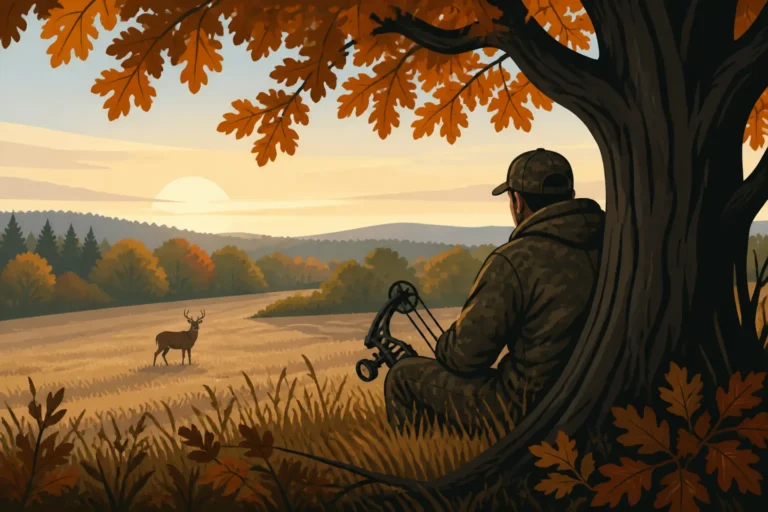
- Stand or Blind Placement: Position your stands or ground blinds along the travel corridors between the thick bedding cover and the food sources. This might be a subtle deer trail through a woodlot, a pinch point between two swamps, or a natural funnel. Consider using a ground blind on Minnesota public land, especially in areas with sparse tree cover or where setting up a treestand is difficult. Remember, deer are most likely to move during the first and last hours of daylight, but in bitter cold, they might get up for a quick browse midday.
Strategic Deer Drives for Pressured Areas
When deer are holed up in thick cover and showing minimal movement, a well-executed deer drive can be an incredibly effective tactic, especially on public land where you might encounter pockets of undisturbed deer. However, late-season deer are wise, so precision and planning are key.
- Small Group Drives: Forget the massive, noisy drives of old. For the 300B opener, think small and deliberate. Drives with Deer Drives With Three or Four Hunters are often most effective. You'll need one or two "standers" positioned to cover escape routes, and one or two "pushers" who slowly and quietly move through the cover.
- Targeting Specific Cover: Identify a defined block of cover – a cedar swamp, a dense clear-cut, a large cattail slough – that you suspect is holding deer. Use aerial maps, like those available on the GoHunt app, to identify these pockets and plan your stander placement and pusher routes.
- Slow and Steady Push: The pushers shouldn't crash through the woods. Their goal is to gently nudge deer, not spook them into a dead run. Move with the wind or crosswind, walking slowly and pausing frequently. Deer will often try to sneak out ahead of you, offering a quieter shot for a stander. If you spook deer, they'll often run to the next thick cover.
- Safety First: Communication is paramount. Know where every hunter is at all times. Use two-way radios if possible. Blaze orange requirements are in full effect, and critical for safety. Review Minnesota Blaze Orange Requirements before heading out.
Essential Gear and Preparation for the Late-Season Hunter
Hunting in early December in Minnesota is not for the ill-prepared. The weather can be brutal, and comfort is directly linked to your ability to stay on stand and remain focused.
Dressing for the Extreme Cold
Staying warm is arguably the most critical aspect of late-season hunting. If you're cold, you'll be miserable, fidgety, and far less effective.
- Layer, Layer, Layer: This isn't just a suggestion; it's a command. Start with good quality base layers (merino wool or synthetic are best for wicking moisture). Add a mid-layer for insulation (fleece or puff jacket). Your outer layer needs to be windproof, waterproof, and heavily insulated. Consider insulated bibs and a parka designed for extreme cold. Brands like Sitka, First Lite, or Cabela's often have excellent late-season options.
- Head, Hands, and Feet: These are your critical heat-loss zones. A warm hat or balaclava is non-negotiable. Insulated, waterproof gloves or mittens (with finger access for shooting) are essential. For your feet, invest in high-quality, insulated boots with plenty of room for thick wool socks. Consider layering socks (thin wicking liner sock, then thick wool sock) and using chemical foot warmers for extended sits. Having a Cold-Weather Sitting Strategy in Minnesota can make or break your hunt.
- Hand Warmers and Accessories: Pack plenty of disposable hand warmers, placing them in your pockets, gloves, and even inside your boots. A thermos of hot coffee, tea, or soup can provide a welcome internal boost. A warm seat cushion can also make a huge difference in comfort for stationary hunting.
Muzzleloaders and Firearm Considerations
While many Minnesota firearm zones saw the expansion of rifle use, the 300B season often still sees a strong contingent of muzzleloader hunters, even if rifles are now legal. Whichever firearm you choose, cold-weather reliability is key.
- Keeping Your Muzzleloader Dry: If you're using a muzzleloader, moisture is your enemy. Keep your powder and primers absolutely dry. Use waterproof containers for powder charges and carry extra caps or primers in a sealed bag. A piece of electrical tape over the muzzle can prevent snow or moisture from entering the barrel without affecting accuracy on the shot. Learn more about Keeping a Muzzleloader Dry in Lake-Effect Snow if you're hunting near the big lakes.
- Rifle Reliability: If you're using a modern rifle, ensure it's sighted in for the typical late-season shot distances, which are often shorter in thick cover. Test your ammunition in cold weather to ensure reliable cycling. Minimal magnification on your scope or an illuminated reticle can be a significant advantage in the low light of December timber.
- Ammunition: For either weapon, choose appropriate ammunition. For muzzleloaders, sabots or conical bullets with good terminal performance are ideal. For rifles, a good expanding bullet that performs well at various ranges, from close-up timber shots to longer field edge opportunities, is best.
Navigation and Recovery in the Snow
Late-season hunting often means navigating snow-covered terrain, which brings its own set of challenges for navigation and deer recovery.
- Reliable Navigation Tools: Don't rely solely on your phone, as cold weather can drain batteries quickly. Carry a fully charged power bank, or better yet, a dedicated GPS unit. Apps like GoHunt are excellent for Reading Aerial Photos for Big Woods Deer and pinpointing property lines and public land boundaries, but always have a backup. Mark your stand location and any sign you find.
- Tracking in Snow: While snow can make tracking easier, heavy snowfall can also quickly cover tracks. Mark the last blood or tracks you find. If you're Tracking a Deer in Fresh Minnesota Snow, take your time and follow every sign. If you lose the trail, use an expanding grid search pattern.
- Recovery Challenges: Recovering a deer in deep snow or from a frozen slough can be physically demanding. Consider bringing a deer sled or a strong drag rope. Have a plan for getting a deer out of challenging terrain before you even pull the trigger.
Overcoming Public Land Pressure and Finding Success
The 300B firearm opener, especially on public land, can sometimes feel like you're hunting ghosts. Dealing with other hunters and finding undisturbed pockets is a key part of late-season success.
Finding Unpressured Pockets on Public Land
Deer that have survived weeks of hunting pressure learn quickly where to go to avoid humans. Your job is to find those overlooked sanctuaries.
- Go Deeper, Harder: The biggest advice for Hunting Pressure on Minnesota Public Land is often to simply go further than most other hunters are willing to go. While many hunters stick close to roads and easy access points, deer will often retreat into the deepest, nastiest, hardest-to-reach cover. This might mean crossing a swamp, navigating dense thickets, or walking an extra mile.
- Utilize Aerial Maps and Topography: Spend time studying detailed maps. The GoHunt app, for instance, provides excellent topographical and aerial views that can reveal hidden pockets. Look for subtle terrain features: small islands of timber in large marshes, fingers of woods extending far from main roads, benches on hillsides, or dense stands of conifers that are tough to penetrate. These are the places deer will feel safe. Scouting Minnesota Public Land Before Season is even more critical in the late season to identify these spots.
- Look for Natural Barriers: Consider what acts as a barrier to human hunters. A wide creek, a marsh, or an extremely dense clear-cut might deter most people but offer sanctuary to deer. If you're willing to don waders or push through thick brush, you might find deer that haven't seen a human in weeks. Sometimes, simply Finding Ground Others Walk Past is the secret.
- Hunt Midday: While early and late are prime times, don't overlook midday. Many hunters come and go, or take long lunch breaks. Pressured deer might take advantage of these lulls to make short movements between bedding and food. Stay on stand, stay warm, and be patient.
Adapting to Other Hunters
While it can be frustrating, other hunters are part of the public land experience. Instead of letting it ruin your hunt, adapt.
- Use Pressure to Your Advantage: Sometimes, distant hunting pressure can inadvertently push deer towards you. If you hear shots or see hunters moving in a particular direction, position yourself to intercept deer that might be moving away from the disturbance.
- Communicate (When Appropriate): If you encounter other hunters, a friendly wave or a brief, polite conversation can go a long way. Establish who is hunting where, and if possible, coordinate efforts (e.g., if you're both planning a small drive in the same general area).
- Know the Rules: Be intimately familiar with the rules for Minnesota Public Hunting Land, including regulations on permanent stands, ground blinds, and vehicle access. This helps prevent conflicts and ensures you're hunting legally and ethically.
Comparing Early Season vs. Late 300B Season
Let's break down some key differences to highlight why the 300B opener requires a specialized approach.
| Feature | Early Firearm Season (e.g., 100/200 Series Opener) | Late 300B Firearm Opener |
|---|---|---|
| Timing | Early to Mid-November | Early to Mid-December |
| Primary Deer Focus | Rut (breeding activity), some food | Survival (food & thermal cover) |
| Weather | Variable, often mild; can be cold | Predominantly cold, often with snow |
| Deer Pressure | High initial pressure, then tapers | Cumulative pressure from previous seasons |
| Buck Behavior | Actively seeking does, often less cautious | Recovering, nocturnal, highly cautious |
| Doe Behavior | Tolerant of bucks, feeding | Focused on survival, leading fawns |
| Key Tactics | Hunting funnels, rubs/scrapes, calling | Food source vigilance, thermal cover drives, still-hunting |
| Visibility | Often better before leaves fall | Reduced, but snow can highlight tracks |
| Required Gear | Good layers, basic cold weather gear | Extreme cold weather gear, robust navigation |
Hunting the late 300B firearm opener is a true test of a Minnesota hunter's grit, patience, and knowledge of deer behavior. It's often cold, sometimes wet, and always challenging. But for those willing to brave the elements and adapt their strategy, it offers a rewarding opportunity to extend the season and fill the freezer when most other hunters are already dreaming of next year.
Disclaimer
Please remember that hunting regulations can change frequently. Always consult the most current Minnesota Department of Natural Resources (DNR) regulations and season dates before heading afield. This information is for general guidance and educational purposes only.