Grouse Hunting Minnesota Aspen Cover
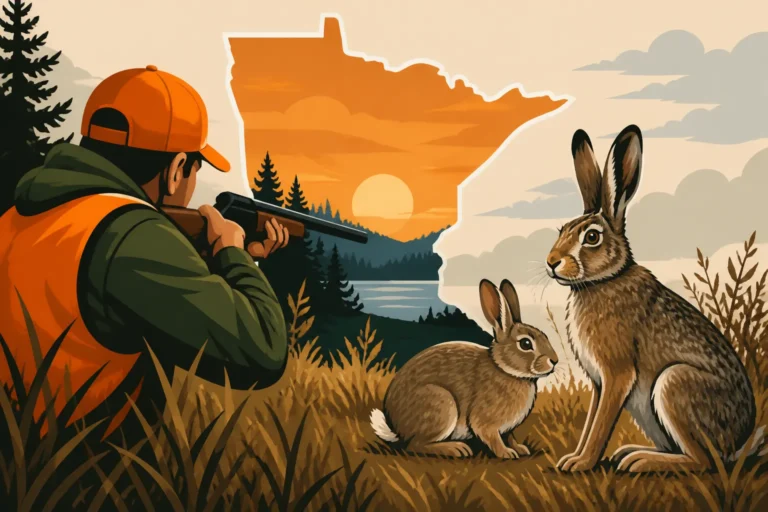
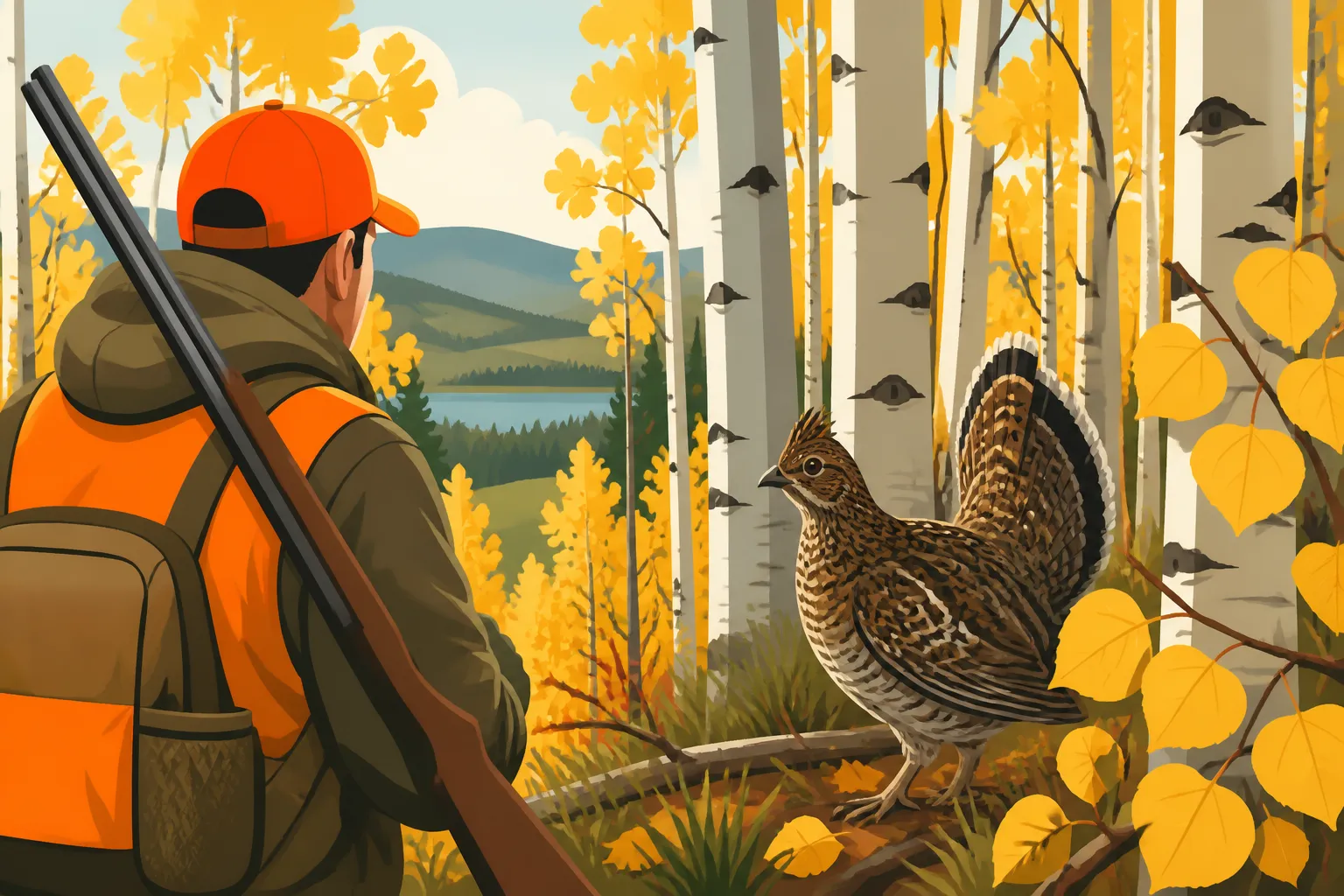
There's nothing quite like the heart-stopping thunder of a ruffed grouse exploding from cover, especially when you've been working hard through Minnesota's dense aspen stands. Many hunters, myself included, have felt the frustration of walking for miles without a flush, or worse, hearing a bird take flight unseen. This guide is all about demystifying the art of grouse hunting in those beautiful, yet challenging, aspen woods, helping you understand where to find these elusive birds and how to get them into your game vest.
Understanding Minnesota's Ruffed Grouse Habitat
Ruffed grouse are creatures of habit, and their habits are inextricably linked to specific types of forest cover. In Minnesota, the aspen forest is king for grouse, offering everything they need to thrive. If you understand why they love these woods, you're already halfway to finding them.
The Lifeblood of Aspen and Young Forest
Aspen trees, often called "popple" by us locals, are absolute magnets for ruffed grouse. It’s not just any aspen, though; it’s the young, regenerating aspen that provides the critical habitat these birds depend on. Think about it: a dense stand of young aspen, say 8 to 25 years old, offers an incredibly thick canopy and understory. This isn't just pretty scenery; it's essential thermal and escape cover, protecting grouse from harsh Minnesota winters and hungry predators like hawks and coyotes. These thickets are so important that the grouse almost literally live in them, feeling safe from danger and having easy access to food.
Beyond just cover, young aspen provides crucial food sources. Grouse love to bud on aspen, particularly during the colder months when other forage is scarce. The catkins of hazel, birch, and alder, often found interspersed with aspen, are also high on their menu. A truly prime grouse spot will have a mix of these species, creating a diverse buffet. As these aspen stands age and thin out, they become less valuable to grouse. That's why understanding Aspen Management and Minnesota Grouse is so vital for the long-term health of our grouse population and our hunting success. You're looking for that sweet spot in forest growth, not ancient timber and not clear-cut bare land.
Reading the Landscape for Ideal Cover
Finding the right aspen cover within a larger forest can feel like looking for a needle in a haystack. But with a bit of practice, you can learn to read the landscape. Look for areas with a patchwork quilt of different forest ages. Grouse often utilize older, mature trees for drumming logs and dusting baths, but they'll raise their broods and spend most of their time in the thick, young stuff nearby. Creek bottoms, low-lying areas, and north-facing slopes often hold denser, more consistent cover that stays cooler in early season and offers better protection.
Additionally, don't overlook natural or man-made edges. Where a young aspen stand meets a mature pine forest, an old logging road, or even a swamp, you'll often find a concentration of birds. These "edge habitats" create travel corridors and offer a variety of food and cover types within a short distance. Consider how a deer might use such an edge, and you're not far off from how a grouse might, too. When you're scouting, pay close attention to where these different habitat types converge, as these are often prime spots for a flush. Utilizing mapping apps like GoHunt can really help you visualize these transitions, marking potential hot spots from your armchair before you even step foot in the woods.
The Ruffed Grouse Cycle and Its Impact
Minnesota's ruffed grouse population is famous for its cyclical nature, typically peaking and dipping over a 9 to 11-year period. During peak years, it feels like grouse are everywhere; flushes are frequent, and you might bag your limit quickly. In low years, however, every bird becomes a hard-earned trophy, and long walks might yield only a handful of opportunities. This cycle is influenced by a complex interplay of factors including predation, weather patterns, disease, and habitat availability. Understanding Minnesota Ruffed Grouse Cycles is critical for setting realistic expectations for your hunting season.
During a low point in the cycle, you'll need to be even more strategic and persistent. The birds will be concentrated in only the best habitat – those super-thick, ideal aspen stands that offer maximum protection. When populations are high, they'll spill over into more marginal cover, making them easier to find. Don't let a low cycle discourage you, though. It simply means you need to be more precise in your scouting and more disciplined in your hunting approach, focusing on the absolute prime real estate. The challenge can be just as rewarding, and it truly sharpens your woodsmanship skills.
Essential Scouting Strategies for Aspen Country
Successful grouse hunting isn't just about walking around hoping for the best; it's built on solid scouting. Knowing where to look before the season opens will drastically increase your odds and save you countless unproductive miles.
Pre-Season Reconnaissance Using Maps and Apps
Before you lace up your boots, start your scouting at home. Online mapping tools and hunting apps like GoHunt are absolute game-changers for identifying potential grouse cover. Look for satellite imagery that shows distinct patches of regenerating forest – those lighter green, often fuzzy-looking areas are your first clue. These often indicate areas that were logged or had natural disturbances 5-20 years ago. Cross-reference these with timber harvest maps if available from the DNR or local forest services, which can tell you precisely How Old a Cut Should Be for Grouse.
Pay attention to topography as well. Steep hillsides with good drainage can offer excellent cover, as can the edges of wetlands or dense creek bottoms. Look for old logging roads, walking trails, or even deer trails that might provide natural access points into thick cover. These aren't just for ease of travel; grouse often use these clearings to dust or sun themselves. Make sure to download offline maps, too, especially if you're venturing into areas with spotty cell service. Nothing is worse than getting deep into promising cover only to lose your navigation. This is a crucial step that many hunters skip, but it will put you light-years ahead.
Locating Water Sources and Food Plots
While grouse don't rely on open water like waterfowl, accessible moisture is still important, especially during dry spells and for young broods. Look for areas near small trickles, seeps, or boggy spots within or adjacent to aspen stands. These often harbor denser vegetation and insects, providing a more reliable food source. Don't expect to see open ponds or rivers necessarily; sometimes it's just a slight depression that holds moisture.
More importantly, identify natural food sources beyond aspen buds. While aspen is a staple, grouse also feast on a variety of berries, seeds, and insects. Look for patches of clover, wild strawberries, highbush cranberries, or dogwood within your chosen aspen cover. Even small forest openings or old homestead sites can provide a diversity of forage. These areas will concentrate birds, especially in the early season when berries are abundant. Pay close attention to these subtle changes in vegetation on your maps, as they can reveal pockets of prime habitat you might otherwise overlook. Learning to read the subtle changes in vegetation from aerial photos is an excellent skill for Scouting With the Minnesota Recreation Compass App or any other mapping tool.
Finding Sign and Identifying Productive Patches
Once you're on the ground, your eyes and ears become your best scouting tools. Look for physical signs of grouse presence. Droppings, which resemble small, dark pellets, often accumulate near drumming logs or dusting sites. You might also find feathers, especially if a hawk or owl has made a meal of a grouse. Fresh tracks in soft dirt or mud, though less common, are another good indicator.
Beyond direct sign, identify the characteristics of truly productive patches. Look for the densest, most difficult-to-walk-through sections of young aspen – the kind of cover that makes you think, "I should be carrying a machete!" This is precisely where grouse feel safe. Listen for drumming in the spring, which, while not a direct hunting activity, tells you where male grouse are establishing territories. Pay attention to alder thickets and willow swamps that often intertwine with aspen; these can be dynamite spots, especially as the season progresses. The more you walk, the more you'll develop an intuition for what "looks grouse-y." Learning to spot these subtle cues is just as important as knowing Finding Sign in Minnesota Big Woods for deer, but scaled down for smaller game.
On-the-Ground Tactics for Flushing Grouse
Okay, you've scouted, you've identified promising areas, and now it's opening day. How do you actually get those elusive birds to fly within range? This is where your strategy on the ground truly comes into play.
Walking Patterns and Speed Through Cover
When you're slogging through thick aspen, your walking pattern and speed are crucial. Instead of just rambling aimlessly, try to walk in a zig-zag or "S" pattern, systematically covering the best-looking cover. This helps you to approach birds from different angles and maximizes your chances of a flush. Don't be afraid to stop and pause frequently – five to ten seconds of silence every 20-30 yards. Grouse often hold tight, relying on their camouflage, but that sudden halt in your movement can make them nervous enough to flush. That pause often creates just enough uncertainty to trigger their flight response.
Your speed should be deliberate, not rushed. If you're busting through cover too quickly, birds will flush behind you or too far ahead. A slow, steady pace allows you to observe your surroundings, listen for subtle sounds, and be ready when a bird bursts out. Pay extra attention when crossing natural funnels, creek beds, or dense brush piles. These are common holding areas. If you're Flushing Grouse Without a Dog, this stop-and-go method is even more important as you're relying solely on your own movement to motivate the birds.
Utilizing Dogs Versus Still-Hunting Techniques
The debate between hunting with a dog and going solo is a long-standing one among grouse hunters. There's no right or wrong answer; it depends on your preference and situation. A well-trained bird dog, typically a setter or a pointer, is an invaluable asset. They can cover significantly more ground, penetrate denser cover, and most importantly, point or flush birds that you would have walked right past. The thrill of watching a dog go on point is unmatched, and it often leads to cleaner, closer shots.
However, hunting without a dog, often called still-hunting or walking up birds, is still incredibly effective and many prefer it. When you're solo, you become the "dog." You'll need to use those stop-and-go tactics, hunt into the wind when possible (so your scent blows ahead and you can hear better), and be exceptionally attentive. You're trying to force the bird to make a mistake. It requires more patience and a keen eye for subtle habitat clues. Both methods can be highly rewarding, but they demand different approaches and levels of focus.
| Hunting Method | Pros | Cons | Ideal Scenario |
|---|---|---|---|
| With a Dog | Covers more ground, finds more birds, points can provide better shot opportunities, helps retrieve downed birds. | Requires a well-trained dog, dog can get tangled in thick cover, requires dog care/training, dog may bump birds if not steady. | Hunters who enjoy the companionship of a dog and want to maximize flush opportunities, especially in very dense cover. |
| Without a Dog | Quieter approach, no reliance on a dog's performance, can be more stealthy, good for specific small patches. | Requires more effort from the hunter to cover ground and flush, can miss birds holding tight, retrieving downed birds can be hard. | Hunters who prefer a quiet, solo experience, or don't have a bird dog; excellent for methodical hunting in known grouse pockets. |
Working Edges, Seams, and Bottle-Necks
Grouse, like most wildlife, are drawn to edges and transitional zones. These aren't just habitat boundaries; they're often travel routes and feeding grounds. When hunting aspen, focus on the edges where young aspen meets older timber, or where the forest transitions into a wetland, a field, or even an old logging road. These "seams" in the habitat offer both food and escape cover within a small area, making them prime locations for birds.
Also, seek out "bottle-necks" or funnels – narrow strips of cover that connect larger blocks of prime habitat. These might be a thin line of aspen along a creek, a narrow finger of woods between two open areas, or even a dense stand of tag alders along the edge of a swamp. Birds will often use these corridors to move between feeding and roosting areas. By strategically walking these high-traffic zones, you increase your chances of intercepting a grouse on the move or flushing one that's holding tight in the dense cover. This is a common tactic, whether you're deer hunting or specifically Hunting Grouse and Woodcock Together.
Gear and Gun Choices for Minnesota Grouse Hunting
The right gear won't guarantee you a limit of grouse, but it will certainly make your time in the woods more comfortable, safer, and ultimately, more productive. Minnesota's aspen country can be rugged, wet, and unforgiving, so come prepared.
Shotguns and Ammunition for Fast Shots
For grouse hunting in Minnesota's dense aspen cover, a fast-handling shotgun is paramount. Shots are almost always quick, close-range, and often through a maze of trees. Many grouse hunters favor a lightweight 20-gauge or even a 28-gauge for its quick swing and reduced recoil, which is appreciated after a long day of walking. Over-and-under or side-by-side doubles are popular for their balance and the ability to have two different chokes, such as an improved cylinder and a modified. However, a reliable semi-automatic or pump-action can also be very effective.
When considering a specific model, guns like a Winchester Model 101 or a Beretta Silver Pigeon (for those who love classic doubles), or even a reliable pump like the Remington 870 or Mossberg 500, are excellent choices. Don't overlook the joy of a 20 Gauge Doubles for Popple Cover – their compact nature is fantastic in thick stuff. As for ammunition, light game loads with 7.5 or 8 shot are generally preferred. These smaller pellets create a dense pattern at close range, perfect for grouse, and reduce meat damage. Carry enough shells for a full day, but remember you'll be carrying them, so don't overdo it.
Clothing and Footwear for Rugged Terrain
Minnesota grouse hunting often means walking through thick, wet, and sometimes thorny cover. Your clothing needs to be durable, comfortable, and provide protection from the elements. Brush pants or chaps are an absolute must to protect your legs from briars, wet brush, and the general abuse of the woods. Look for materials like heavy canvas, waxed cotton, or durable synthetics. Layering is key for your upper body; start with a moisture-wicking base layer, add an insulating mid-layer (fleece or wool), and top it with a brush-resistant, blaze orange vest or jacket. The blaze orange isn't just a recommendation; it's a legal requirement and a critical safety measure when hunting with others.
Footwear needs to be rugged and waterproof. A good pair of ankle-supporting, waterproof hunting boots will keep your feet dry and comfortable through swamps, dew-soaked grass, and unexpected puddles. Brands like Danner, Irish Setter, or LaCrosse are popular among Minnesota hunters for their durability and comfort. Make sure your boots are well broken-in before the season to avoid blisters. Nothing ruins a grouse hunt faster than sore feet.
Navigation and Safety Essentials
Even in familiar territory, it's easy to get disoriented in dense aspen stands. A reliable GPS unit or a hunting app on your smartphone (like GoHunt, with downloaded offline maps) is non-negotiable. Knowing your location, property boundaries, and your way back to the vehicle is vital. Always carry a compass and know how to use it as a backup. A physical map of the area is also a good idea.
Beyond navigation, a whistle can be a lifesaver if you become separated from hunting partners or need to signal for help. A small first-aid kit, a knife, a headlamp (even for daytime hunts, just in case), and a fire starter are all wise additions to your pack. If you're hunting alone, consider carrying a personal locator beacon (PLB) or a satellite messenger for emergency communication. Finally, always let someone know where you're going and when you expect to return. Safety in the woods is paramount, especially when venturing into remote public land. Being prepared can make the difference, particularly when Using Recreation Compass Without Cell Service in remote areas.
Overcoming Common Challenges in Aspen Stands
Even the most seasoned grouse hunter faces challenges in Minnesota's aspen woods. Understanding and preparing for these common hurdles will make you a more resilient and successful hunter.
Dealing with Thick Undergrowth and Visibility
One of the biggest frustrations in aspen country is the sheer density of the cover. It's often so thick you can barely see your feet, let alone a flushing bird. This limited visibility is exactly why grouse love it, and why hunters find it so tough. The key here is expectation management and adapting your shooting style. You're not going to get open, long-range shots. Most flushes will be close, fast, and often obscured by branches.
Practice mounting your gun quickly and swinging through imaginary targets. Focus on getting the bead on the bird's flight path, not necessarily on the bird itself, and follow through. You'll often only get a fleeting glimpse, so quick reactions are crucial. Don't be afraid to take a shot through a small window; many grouse are bagged this way. Accept that you'll miss more often than not, and that's okay. Each flush is a victory in itself. Also, remember that walking through this type of terrain is physically demanding. Plan shorter hunting segments if needed, and ensure you're well-hydrated.
Hunting Public Land Pressure Effectively
Minnesota has a fantastic amount of public hunting land, but that often comes with hunting pressure, especially on opening weekend. Popular areas, even in grouse country, can see a fair number of hunters. While it might seem counterintuitive, sometimes this pressure can actually work to your advantage, pushing birds into overlooked pockets. However, you generally want to avoid the crowds.
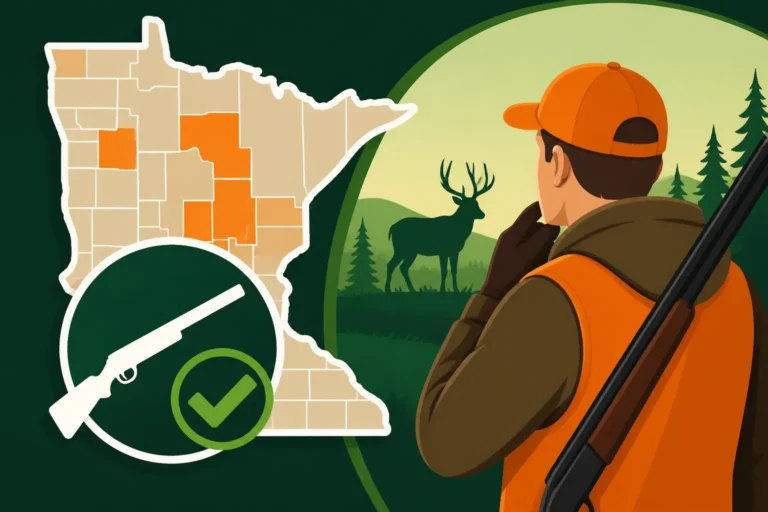
To minimize the impact of pressure, study your maps and identify areas that are difficult to access. Look for places requiring a longer walk in, or those surrounded by natural barriers like swamps or dense, thorny thickets. Most hunters won't venture far from easy road access. The farther you're willing to walk, the better your chances of finding unpressured birds. Also, consider hunting during weekdays or later in the season when pressure tends to drop off. Even small, overlooked patches of seemingly marginal cover can hold birds if they've been pushed out of more accessible prime habitat. Discovering Best Minnesota Counties for Grouse and then diving deep into their public access points will help you find these less-traveled areas.
Adapting to Weather Changes and Late Season Conditions
Minnesota weather is notoriously fickle, and it can change rapidly during the hunting season. Early season hunts can be warm and dry, making birds more scattered and less likely to hold tight. As the season progresses into late fall and early winter, cold fronts, rain, and eventually snow become common. These changes significantly impact grouse behavior. Cold, wet, or snowy conditions generally make birds hold tighter, as they seek dense cover for warmth and protection. This can lead to excellent dog work and closer flushes.
Be prepared for anything. Carry rain gear, even if the forecast looks clear. Dress in layers that you can add or remove as temperatures fluctuate. In snowy conditions, grouse often burrow into the snow for warmth, creating "snow roosts." Watch for these telltale holes in the snow under thick conifers or dense brush. Your strategy should shift with the weather: hunt slower and more deliberately in cold, wet conditions, and be prepared to cover more ground and really "bust" cover during warmer, drier periods. Your ability to adapt to what Mother Nature throws at you is a hallmark of a true Minnesota grouse hunter.
After the Shot: Care and Conservation
Harvesting a grouse is a rewarding experience, but the hunt doesn't end when the bird hits the ground. Proper care of your game and a commitment to conservation are essential parts of being a responsible hunter.
Field Dressing and Transporting Your Birds
Once you've retrieved your grouse, swift field dressing is key, especially on warmer early season days. The most common method is to simply pluck the breast feathers and remove the breast meat directly from the bone. This minimizes mess and weight for the pack out. Some hunters prefer to gut the bird whole, especially if they plan to roast it with the skin on. Whichever method you choose, cooling the meat quickly is paramount to preserving its quality.
Carry a small game bag or even a simple plastic grocery bag to keep the birds clean and separated from your other gear. On long walks, especially if it's warm, consider bringing a small cooler with ice in your vehicle to immediately cool the birds upon return. Transporting them whole is also fine, just ensure they are kept cool. Minnesota law requires that you leave one fully feathered wing attached to the bird while in transport, to aid in species identification by conservation officers.
Supporting Grouse Habitat Efforts
Grouse hunting in Minnesota is a privilege, and we all have a role to play in ensuring healthy populations for future generations. The most direct way to support grouse is through habitat conservation. Groups like the Ruffed Grouse Society and American Woodcock Society (RGS & AWS) are leading the charge in promoting young forest management across the state. They work with private landowners and public land managers to create and maintain the critical aspen and early successional habitats that grouse depend on.
Consider becoming a member of such organizations, or donating to their efforts. Even volunteering for habitat projects, such as planting trees or clearing brush in WMAs, can make a tangible difference. Every time you buy a hunting license or certain gear, a portion of those funds also goes towards conservation through excise taxes. By advocating for responsible forestry and active habitat management, we ensure that Minnesota's ruffed grouse populations remain strong and continue to provide those thrilling flushes for years to come.
Ethical Hunting Practices and Respect for the Resource
Hunting is more than just harvesting game; it's about connecting with nature and upholding a strong ethical code. Always follow all Minnesota hunting regulations, including bag limits, season dates, and legal shooting hours. Respect private property boundaries, even if you're on adjacent public land. If a bird flushes and you don't get a clean shot, don't take a Hail Mary prayer shot that might only wound the bird. Wait for a better opportunity.
After a successful hunt, take a moment to appreciate the bird, the effort, and the wild places that make it all possible. Share your knowledge and passion for grouse hunting with newcomers, mentoring them in responsible and ethical practices. By acting as stewards of the land and its wildlife, we ensure that the tradition of chasing ruffed grouse through Minnesota's aspen stands remains a vibrant and cherished part of our outdoor heritage.
Disclaimer
Please note that hunting regulations, seasons, and permit requirements are subject to change. Always consult the most current Minnesota Department of Natural Resources (DNR) regulations before heading into the field. This article is for informational purposes only and should not be considered a substitute for official DNR publications.