Blind Bags and Cold-Weather Gear
Minnesota hunting can dish out some truly brutal weather, whether you're sitting patiently in a duck blind as a biting wind rips across the lake or patiently waiting for a late-season whitetail in a foot of snow. It’s a real challenge to stay warm, dry, and organized when the elements are actively working against you. This guide is all about helping you conquer those conditions by equipping you with the right blind bags and cold-weather gear, ensuring your focus remains on the hunt, not on shivering.
The Blind Bag: Your Mobile Command Center
Think of your blind bag as more than just a place to toss your stuff; it's your tactical base, especially when you're out in the elements. A well-chosen and organized blind bag can be the difference between a miserable, fumbling experience and a smooth, successful hunt.
Why a Good Blind Bag Matters
We’ve all been there: it’s 20 degrees, snowing sideways, and you just shot a duck that needs a follow-up. You reach into your generic backpack, and all you find is a tangled mess of calls, a soggy sandwich, and shells that have somehow migrated to the very bottom, buried under a wet facemask. That’s precisely why a good blind bag isn't just a luxury—it's a necessity. It provides instant access to your essentials, keeps them protected from Minnesota’s notoriously unpredictable weather, and helps you maintain stealth.
For waterfowl hunters, it’s about keeping your shells dry, your calls accessible, and your snacks from turning into ice bricks. For those of us who hunt deer from a ground blind, especially in late fall or early winter, it's about having your grunt tube, rangefinder, and a thermos of hot coffee right where you can grab them without making unnecessary noise or movement. A quality bag safeguards your electronics, like a charged phone or GPS, from moisture and cold, which can drain batteries faster than you can say "frostbite." It's about reducing clutter and increasing efficiency, so when that moment of truth arrives, you're ready.
Key Features to Look For in a Blind Bag
When you’re staring down a bitter Minnesota morning, you want a blind bag that’s built to take a beating and keep your gear safe. The first thing to scrutinize is durability. Look for bags made from heavy-duty fabrics like 900-denier Cordura or ballistic nylon. These materials resist punctures, tears, and abrasion, which is crucial when you’re dragging it through cattail sloughs or tossing it in the back of a truck alongside decoys. Pay close attention to the stitching; reinforced seams are a huge indicator of quality.
Next up, waterproofing is non-negotiable. Many bags claim to be water-resistant, but you need more than that for a serious Minnesota waterfowl hunt. Look for models with roll-top closures, which provide a fantastic seal against rain and splashes, or those made with fully coated, impenetrable fabrics. Waterproof zippers, often rubberized or taped, are another critical feature. A cheap bag might let water seep in through the seams or zippers, ruining electronics and making your day truly miserable.
Thoughtful storage and organization are paramount. A large main compartment is a given, but look for external pockets—zippered, mesh, or quick-access—to stash items like calls, choke tubes, or even a small first aid kit. Internal dividers can help keep items separated and prevent that dreaded "black hole" effect. Shell loops, whether internal or external, are incredibly handy for quick reloading. Some bags even feature a hard bottom to keep it from sagging into mud or shallow water. When considering options, you might check out resources from outfitters like GoHunt for reviews or comparisons of different bag styles, focusing on what other hunters find most useful in diverse conditions. Finally, don’t overlook comfort. A padded, adjustable shoulder strap and sturdy grab handles make hauling a loaded bag a lot less painful, especially when you're making a long trek across public land.
Essential Cold-Weather Gear for Minnesota Hunting
Staying warm and dry in the frigid Minnesota outdoors is a science, not just throwing on a bunch of clothes. The right gear, meticulously chosen and layered, will make or break your hunting experience.
Layering for Extreme Cold
The secret to staying warm in Minnesota isn't one giant, bulky coat; it's a strategic layering system that allows you to adapt to changing temperatures and activity levels. This system typically involves three main components:
- Base Layer: This is the layer directly against your skin, and its primary job is to wick moisture away from your body. Sweat is your enemy in cold weather because as it evaporates, it cools you down rapidly. Materials like merino wool or synthetic performance fabrics are excellent choices here. They pull moisture away from your skin, helping you stay dry and therefore warmer. Absolutely avoid cotton for your base layer; it absorbs sweat and holds it against your skin, making you feel clammy and quickly chilled.
- Mid-Layer: This is your insulation layer, designed to trap warm air close to your body. Fleece, down, or synthetic puffies are popular options. The thickness of this layer will depend on the expected temperatures and your activity level. You might wear a lighter fleece for a brisk walk to the stand, but a heavier insulated jacket for a long, static sit in Muzzleloader Tactics in December Cold. The beauty of layering is that you can add or remove these mid-layers as needed. If you're hiking in, you might start with fewer layers to prevent sweating, then add more once you're settled in your blind or stand.
- Outer Layer: This is your protective shell, and it needs to be both windproof and waterproof (or highly water-resistant) while still allowing some breathability. Fabrics like Gore-Tex or similar proprietary membranes are fantastic for shedding rain, sleet, and snow while preventing biting winds from stealing your body heat. Look for quiet materials, especially for deer hunting, that won't rustle loudly with every movement. This outer layer also needs to be tough enough to withstand brushing against branches and thorns.
The key to successful layering is to adjust as your activity changes. If you start to feel warm during a hike, shed a layer before you start sweating heavily. It’s much easier to put a dry layer back on than to try and dry out a soaked one in freezing temperatures.
Protecting Extremities: Head, Hands, and Feet
Your head, hands, and feet are often the first parts of your body to get cold because they have a high surface area-to-volume ratio and receive less blood flow when your body is trying to conserve heat. Proper protection here is vital for comfort and safety.
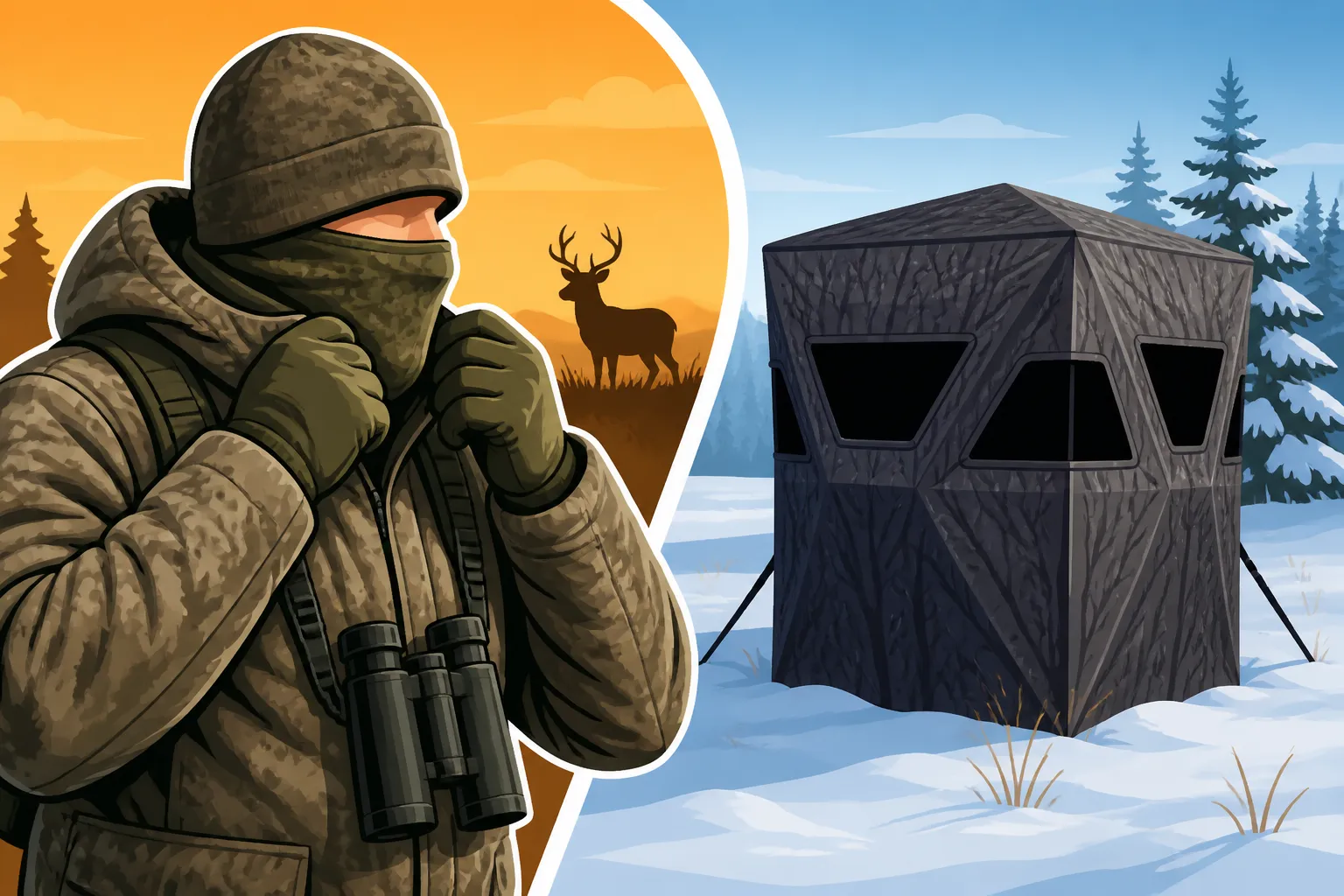
Heat loss from your head can be substantial, so a good hat is critical. A warm fleece beanie, an insulated cap, or even a full balaclava that covers your face and neck can make a huge difference. For deep cold, many hunters opt for a trapper-style hat with ear flaps or a thicker insulated hood that integrates with their outer layer.
When it comes to hands, layering is again your friend. Start with a thin, moisture-wicking liner glove for dexterity. Over that, you might wear a warmer, more substantial shooting glove that still allows for trigger control. For periods of inactivity, or when the cold truly sets in, a pair of insulated over-mitts or "heater muffs" can be pulled on. These allow you to keep your hands warm while still having your shooting gloves handy for quick action. Chemical hand warmers, which you can slip into your gloves or mitts, are a game-changer on those frigid mornings.
For your feet, insulation and waterproofing are paramount. High-quality insulated, waterproof boots are non-negotiable for Minnesota's wet, cold terrain. Rubber boots are excellent for wet conditions and keeping scent down, while insulated leather boots offer rugged durability. Make sure your boots are roomy enough to accommodate thick wool socks without being tight; compression restricts blood flow and makes your feet colder. Again, avoid cotton socks at all costs. Merino wool socks, often layered in two different weights, are ideal for wicking moisture and providing warmth. Consider adding chemical toe warmers for those long sits, especially during Late-Season Antlerless Hunting in Minnesota. Keeping your feet warm will drastically improve your overall comfort and endurance.
Beyond the Basics: Staying Prepared
Having the right blind bag and cold-weather clothing is a fantastic start, but what you put inside that bag, and how you maintain it all, truly completes your preparation for a Minnesota hunt.
Crucial Items to Pack in Your Blind Bag
Your blind bag should be a thoughtfully curated collection of items that enhance your comfort, safety, and success. For waterfowl, extra ammunition, stored in a waterproof container, is a no-brainer. For any type of hunting, high-energy snacks like granola bars, trail mix, or a sandwich will keep your furnace stoked, and an insulated thermos filled with hot coffee, tea, or broth is pure gold on a frosty morning.
Navigation and communication are vital, especially if you venture off the beaten path. Always carry a charged phone, but don't rely solely on it; cold temperatures can drain batteries quickly. A portable power bank is a smart addition. Consider a dedicated GPS unit or at least a compass and a physical map for backup. If hunting with a partner, two-way radios can be invaluable for coordinating drives or staying in touch. Two-Way Radios on a Deer Drive provides excellent insight into this.
Safety should always be a top priority. A basic first aid kit, capable of handling minor cuts, blisters, and sprains, is a must-have. First Aid Kits for Remote Northwoods Ground offers more detailed advice on what to include. A sharp knife or multi-tool, a reliable headlamp with fresh batteries, and perhaps even a fire starter (waterproof matches or a ferro rod) are all small items that can make a big difference in an unexpected situation. Don't forget the practical stuff like toilet paper and hand sanitizer. Finally, your hunting-specific tools – game calls, binoculars, rangefinder – should also have a secure, protected spot within your bag. When scouting for areas to hunt, or planning your gear, you can often find useful checklists and insights on platforms like GoHunt from experienced hunters.
Maintaining and Storing Your Gear
Proper care and storage of your hunting gear not only prolong its life but also ensure it performs when you need it most. After each outing, especially in wet or muddy conditions, take the time to clean your blind bag and cold-weather clothing. Wipe down exterior surfaces, clean out any mud or debris, and most importantly, allow everything to air dry completely. Never store wet or damp gear, as this is an open invitation for mold and mildew, which can ruin fabric and leave a persistent, unwelcome smell.
Periodically inspect your gear for wear and tear. Are there any small holes in your waterproof shell that need patching? Are zippers still running smoothly, or do they need a touch of lubricant? Addressing small issues promptly can prevent them from becoming big problems. For insulated clothing, avoid compressing it for long periods, as this can damage the insulating fibers. Store garments loosely in a cool, dry place.
Before the season begins, make it a habit to do a thorough gear check. Replace batteries in headlamps, GPS units, and rangefinders. Recharge all power banks. Check the waterproofing on your outerwear and blind bag; you might need to re-treat certain items with a DWR (Durable Water Repellent) spray to restore their performance. Just like you'd sight in your rifle, preparing your gear ensures it's ready for action.
Adapting to Minnesota's Wild Weather Swings
Minnesota's hunting seasons often span dramatic shifts in weather, from crisp, colorful autumn days to the deep freeze of winter. Your gear strategy needs to be flexible to match these changes.
From Crisp Autumn to Deep Winter
Early season hunting, whether it's archery deer or early teal, might offer mild temperatures one day and a surprise cold front the next. Your cold-weather gear for these times needs to be adaptable. Lighter base layers and a medium-weight fleece mid-layer might be sufficient, with a windproof, water-resistant shell to ward off unexpected rain or a brisk breeze. The challenge here is to not overdress and sweat during active periods, but still be able to layer up quickly if you hit a long, static sit.
As the calendar pushes into November and December, Minnesota transitions into serious cold. This is when your heavy-duty cold-weather gear truly shines. Think heavier merino wool base layers, substantial down or synthetic insulated mid-layers, and a robust, fully waterproof and windproof outer shell. Extreme cold demands multiple layers of gloves and socks, and a heavy, insulated hat is non-negotiable. Cold-Weather Sitting Strategy in Minnesota emphasizes the importance of these choices when temperatures plummet. Keeping a spare set of dry gloves and socks in your blind bag is a smart move, as cold, wet extremities can quickly lead to hypothermia.
Here's a quick comparison of general gear needs by season:
| Gear Item | Early Season (Sept-Oct) | Late Season (Nov-Dec) |
|---|---|---|
| Base Layers | Lightweight merino wool or synthetic | Mid to heavy-weight merino wool or synthetic |
| Mid-Layers | Light fleece or thin puffy jacket | Heavy fleece, down jacket, or thick synthetic puffy |
| Outer Layer | Wind-resistant, water-resistant shell (quieter fabrics for deer) | Fully waterproof, windproof, insulated shell |
| Headwear | Ball cap, light beanie, neck gaiter | Insulated beanie, trapper hat, balaclava |
| Gloves | Thin shooting gloves, light liners | Layered system: liners, shooting gloves, heavy over-mitts |
| Footwear | Waterproof hiking boots, rubber boots (less insulation) | Heavily insulated, waterproof boots (e.g., pac boots) |
| Socks | Medium-weight wool | Heavy-weight wool, layered with thinner wool liners |
| Blind Bag Feature | Water-resistant, good organization | Waterproof, easy-access pockets, durable |
| Extras | Bug spray, lighter snacks, hydration pack | Thermos for hot drinks, high-energy snacks, chemical warmers |
Specific Considerations for Waterfowl vs. Upland/Deer
The type of hunting you're doing in Minnesota also dictates some specific gear choices. Waterfowl hunting often means prolonged exposure to water and bitter winds. Your blind bag needs to handle being placed on damp ground or in a boat. Waders are a waterfowl hunter's best friend, keeping you dry from the waist down in flooded timber or marsh bottoms. Waders for Minnesota Marsh Hunting offers a deeper dive into this essential piece of gear. When hunting from a layout blind in a cut cornfield, the focus is on low profile and robust insulation against the cold ground. Layout Blind Hunting Minnesota Farm Fields can give you great tips on those setups.
For upland bird hunting for grouse and woodcock, mobility is key. While you still need protection from cold and wet, your layers should allow for vigorous walking through dense cover. Brush pants or chaps are invaluable for protecting against thorns and briars. Your blind bag, if carried, might be a smaller, lighter vest-style pack.
Deer hunting, especially from a stand, often involves long periods of inactivity in cold temperatures. Here, minimizing scent is crucial, so consider scent-controlling fabrics. Quietness in your outer layers is paramount to avoid spooking wary whitetails. Insulated coveralls or a layering system focused on maximum warmth for stationary hunting, as discussed in Layering for a Minnesota Deer Stand, will serve you well. For a late-season deer hunt in deep snow, having a deer sled or drag in your vehicle for the recovery phase can be a lifesaver.
No matter your quarry, investing in good quality blind bags and cold-weather gear is investing in your comfort, safety, and ultimately, your enjoyment of Minnesota's incredible hunting opportunities.
Disclaimer
This article is for general informational purposes only and does not constitute professional advice. Laws, prices and regulations vary by location and change over time. Consult a qualified professional for guidance on your specific situation.