Brush Pants for Minnesota Alder
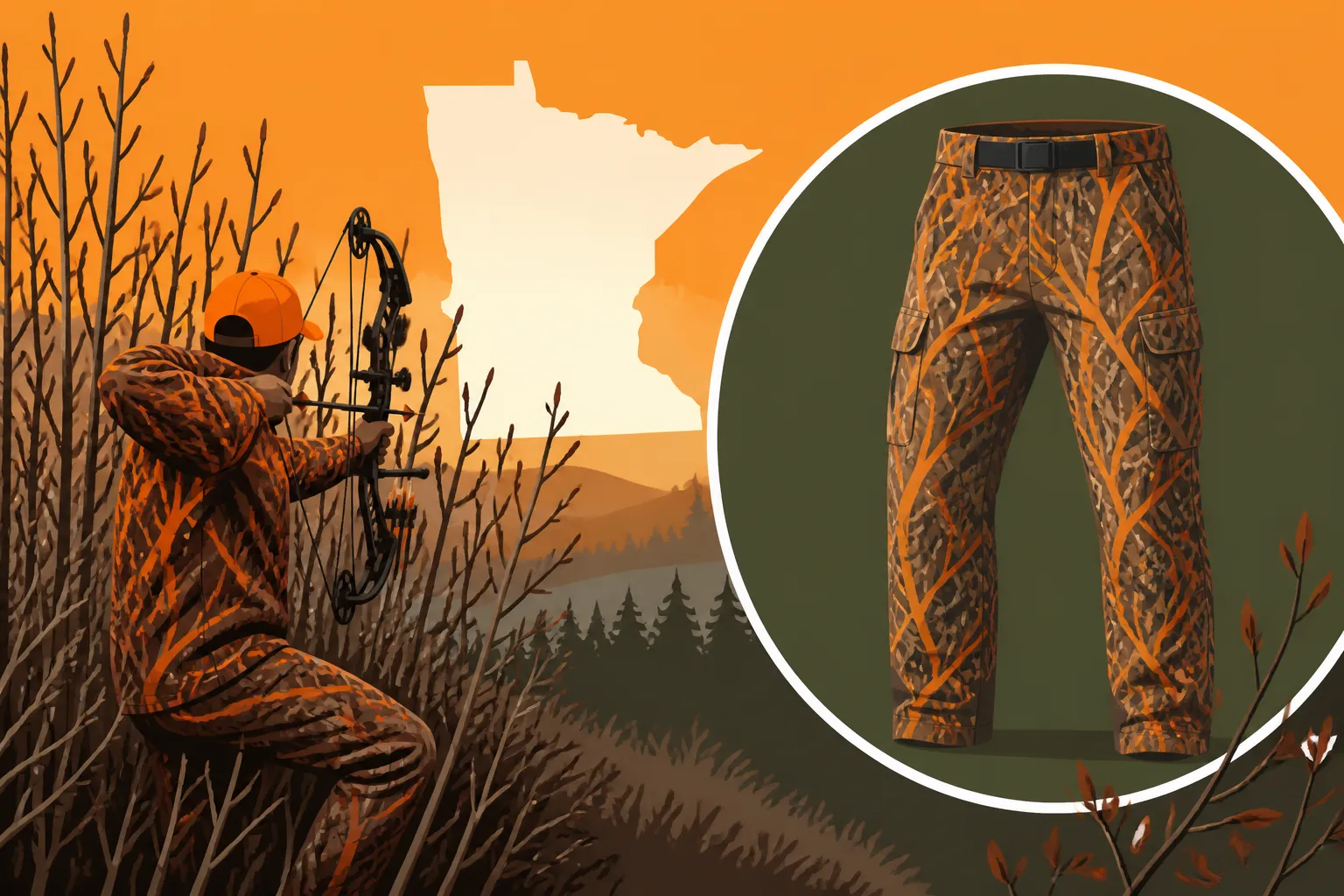
If you've spent any time hunting Minnesota's incredible wild places, you know the feeling: you're pushing through a grouse cover or wading into a cattail slough after a flushed pheasant, and suddenly that familiar rip echoes through the woods. Your "tough" denim or canvas pants have just met their match against a barbed-wire fence line, a stubborn tangle of alder, or the endless thorns of a hawthorn patch. You end up wet, scratched, and with more holes than a Swiss cheese. Finding a pair of brush pants that can truly stand up to the unforgiving wilderness here is a game-changer, saving you discomfort, gear costs, and quite a bit of frustration. This guide is all about helping you understand what makes a good pair of brush pants for our unique Minnesota terrain, and how to choose the right ones to keep you comfortable and protected, no matter what thick stuff you're pushing through.
Why Regular Pants Just Don't Cut It in Minnesota's Brush
Let's be real, nobody sets out to ruin a good pair of pants, but Minnesota's hunting covers have a special way of making even seemingly durable fabrics look like shredded rags. From the dense, interwoven branches of alder thickets to the thorny embrace of multiflora rose and the sharp snags of deadfall, our landscape is designed to test your gear to its limits. Trying to make do with regular hunting pants, or worse, everyday jeans, is a quick path to misery and premature equipment failure.
The Alder Gauntlet: A Hunter's Nemesis
Ah, alder. It's the bane of many a grouse and woodcock hunter, and a favorite hiding spot for whitetails seeking sanctuary. These tenacious shrubs grow in dense, almost impenetrable stands, particularly along waterways, swamp edges, and old logging cuts. Their branches are tough, springy, and they interlock like a defensive wall, constantly snagging, tugging, and abrading anything that tries to pass. Regular pants, even those advertised as "rugged," simply aren't designed to withstand the constant friction and direct assaults from thousands of alder branches. You might start your morning dry, but a few hours of pushing through an alder swamp while Grouse Hunting Minnesota Aspen Cover or Woodcock Hunting Minnesota Alder Runs will leave your pants soaked from dew, rain, or melting snow, and often torn at the knees or shins. This isn't just uncomfortable; it can lead to dangerous situations in cold weather if your legs get wet and stay wet.
Battling Thorns, Briars, and Barbed Wire
Beyond the sheer density of alder, Minnesota's landscape is a minefield of sharp obstacles. Hawthorn trees, with their formidable spikes, and multiflora rose, an invasive species with vicious thorns, are prevalent in many areas, especially in farmland edges and older growth. Then there's the ever-present threat of old barbed-wire fences, often hidden beneath a blanket of snow or obscured by overgrown vegetation. A misstep, a quick turn, or even just brushing against these hazards can leave deep gashes in lighter fabrics, and sometimes, in your skin. Good brush pants incorporate specific features to ward off these puncture threats, ensuring that you don't end your hunt prematurely with a nasty cut or a hopelessly shredded leg. This protection is non-negotiable if you plan on actively covering ground, whether it's for upland birds or trying to push a deer during Deer Drives on Minnesota Public Land.
The Perpetual Dampness of Northwoods Cover
Minnesota is a land of 10,000 lakes, and countless more potholes, sloughs, and swamps. Even when it hasn't recently rained, the vegetation in thick cover, especially in the early morning or after a heavy dew, is often saturated. Pushing through wet cattails, tall grass, or dense alder will quickly soak through inadequate pants, leaving your legs cold and clammy. This isn't just uncomfortable; it's a genuine safety concern, especially during the colder months of deer or pheasant season. Hypothermia is a real threat, and wet clothing significantly accelerates heat loss. Regular pants simply absorb moisture, holding it against your skin. Brush pants, on the other hand, are often designed with a degree of water resistance or quick-drying properties, helping to shed moisture and keep you drier for longer, making your time in the field much more pleasant and safer. When considering what gear you need, don't overlook your lower half.
Key Features to Look For in Minnesota Brush Pants
When it comes to selecting brush pants, it's not just about finding something "tough." You need a strategic blend of durability, protection, comfort, and functionality specifically tailored to the challenges of Minnesota's diverse hunting environments. Thinking about these features will help you pick a pair that truly performs. Many hunters, myself included, will pore over gear reviews and insights found on platforms like GoHunt, looking for real-world testimonials on how different brands stand up to this kind of abuse.
Material Matters: Durability vs. Comfort
The core of any good pair of brush pants lies in its material. You're looking for fabrics that can withstand extreme abrasion, punctures, and tears.
- Heavy-Duty Nylon or Cordura: These synthetic materials are the workhorses of brush pants. Cordura, a brand of nylon fabric, is renowned for its exceptional strength-to-weight ratio and resistance to tears, scuffs, and abrasions. Many brush pants feature Cordura facings or overlays on high-wear areas like the front of the legs and knees. These fabrics are incredibly tough, able to deflect thorns and slide past brush without snagging or ripping.
- Waxed Cotton or Canvas: While perhaps not as impenetrable as some synthetics, traditional waxed cotton or heavy canvas offers a more natural feel and excellent water resistance when properly treated. They tend to be heavier and can be stiffer, but they are incredibly durable and develop a unique patina over time. They also tend to be quieter in the woods than some synthetic materials, which can be a factor if you're Still-Hunting Minnesota Big Woods.
- Blends and Stretch Fabrics: Modern brush pants often incorporate blends of durable nylons with stretch fabrics like spandex. This combination provides the best of both worlds: robust protection in key areas with enhanced mobility. This is particularly important for active hunting styles, like Run-and-Gun Turkey Tactics on Public Land, where you need to move quickly and quietly through varied terrain. A little stretch means less resistance, fewer snags, and more comfort when climbing over logs or kneeling.
Water Resistance and Breathability: Finding the Balance
Getting wet in the field is a miserable experience, especially when the temperature drops. Therefore, water resistance is a crucial feature for Minnesota brush pants.
- DWR (Durable Water Repellent) Coating: Many pants come with a DWR finish, which causes water to bead up and roll off the fabric's surface. This is effective against light rain, dew, and splashes. However, DWR coatings wear off over time and need to be reapplied.
- Waterproof Membranes: For serious wet conditions, some brush pants incorporate a waterproof/breathable membrane (like Gore-Tex or similar proprietary technologies) in critical areas. These membranes prevent water from penetrating while allowing perspiration vapor to escape, keeping you dry from the inside out. This is a huge advantage when Keeping a Muzzleloader Dry in Lake-Effect Snow or pushing through truly saturated cover. The trade-off can be reduced breathability in warmer weather and a higher cost.
- Strategic Ventilation: Since fully waterproof pants can sometimes feel clammy, look for features like zippered vents on the thighs. These allow you to dump excess heat and moisture when you're working hard, preventing you from overheating and getting sweaty, which can lead to a chill later on. Striking the right balance between water protection and breathability is key to all-day comfort.
Fit, Mobility, and Layering: How Pants Should Move With You
A great pair of brush pants needs to do more than just protect; it needs to facilitate your movement in the field.
- Articulated Knees: Pants with articulated (pre-bent) knees offer better freedom of movement, especially when kneeling, climbing, or traversing uneven terrain. This small detail can make a huge difference in comfort over a long day.
- Gusseted Crotch: A gusseted crotch (an extra panel of fabric) improves mobility and reduces stress on seams, preventing rips and increasing overall durability. It allows for a greater range of motion without feeling restrictive.
- Adjustable Waist and Cuffs: A comfortable, secure fit around the waist is essential. Look for elastic sections, internal drawstrings, or adjustable tabs. Cuffs with zippers or snaps allow you to easily pull pants over boots and tighten them to keep out debris or snow.
- Layering Considerations: Think about what you'll wear underneath. During colder seasons, you might need room for a base layer or even mid-weight thermals. Some pants are designed with a slightly looser cut to accommodate this, making them versatile for hunting across various Minnesota Deer Seasons and Permit Areas. Conversely, a pant that's too baggy can snag more easily. You need to consider your typical hunting temperatures when making your choice.
Types of Brush Pants for Different Hunting Scenarios
Just like there's no single "best" hunting boot for every condition, there's a range of brush pants designed for specific tasks. Understanding these categories can help you narrow down your choices and invest in the right gear for your primary pursuits in Minnesota. Many hunters who are serious about their gear will check out resources like GoHunt to see what other hunters are using and recommending for various conditions.
Upland Specific Brush Pants: Lighter, More Agile
If your passion lies in chasing grouse, woodcock, or even pheasants, you're likely covering a lot of ground, often at a brisk pace. For this, lighter, more agile brush pants are often preferred.
- Features: These pants typically prioritize mobility and breathability without sacrificing essential protection. They might feature Cordura or similar tough overlays only on the front of the legs and knees, leaving the back and upper sections with more breathable, stretchier fabrics. This design cuts down on weight and bulk, reducing fatigue during long walks. They usually have a DWR coating for shedding dew and light rain, and often incorporate stretch panels for unhindered movement.
- Ideal Use: Perfect for Grouse Hunting Minnesota Aspen Cover where you're constantly moving, crossing logs, and pushing through moderate brush. They're also great for Pheasant Hunting Minnesota Grassland and field edges where you encounter thorny briars or wet stubble. The focus here is on comfort and freedom of movement, allowing you to react quickly to flushing birds.
- Considerations: While tough on the front, these might not offer the same all-around protection as heavier options. If you anticipate truly dense, thorny jungles or prolonged exposure to heavy rain, you might want to consider a different option or supplement with waterproof gaiters.
Heavy-Duty All-Arounders: For Deer Drives, Bear Hunting, or General Abuse
When the going gets truly tough, or you're planning on being in the thick of it all day, a heavy-duty pair of brush pants is your best friend. These are built like tanks to withstand relentless punishment.
- Features: These pants often feature full-coverage Cordura or heavy-duty nylon facings from the waist down, sometimes even wrapping around the back of the calves. They might be thicker, stiffer, and slightly heavier, but the level of protection they offer is unparalleled. Many will include waterproof membranes in the lower legs or throughout the pant for maximum moisture protection. Pockets are often reinforced, and zippers are heavy-duty.
- Ideal Use: These are the pants you want for pushing heavy cover during Deer Drives on Minnesota Public Land, especially in thick cattails or dense evergreens. They're also invaluable for Running Hounds for Minnesota Bears, where you're tracking through incredibly rugged, brushy terrain for hours on end. If you're Scouting Minnesota Public Land Before Season in the spring or summer, these can protect you from ticks and early season nettles. Think of them as your armored leg wear for the most demanding conditions.
- Considerations: The trade-off for this extreme durability is often weight and breathability. They can be warmer in mild weather and less flexible than upland-specific pants. However, for sheer protection, they can't be beaten.
The "Over-Pant" Solution: When You Need Versatility
Sometimes, you need the brush protection only for specific stretches of your hunt, or you want to layer it over another type of pant for added warmth or waterproofing. This is where brush over-pants or chaps come in.
- Features: Over-pants are designed to be worn over your regular hunting pants or base layers. They typically feature full-length zippers for easy on-and-off, even with boots on. Chaps cover only the front of your legs, attaching to your belt and offering protection where you need it most. Both are usually made from heavy-duty, often waterproof, materials.
- Ideal Use: This solution offers incredible versatility. You can wear a comfortable, breathable softshell pant for the walk-in, and then zip on your brush over-pants when you hit the dense cover for a Hunting a Funnel Between Two Sloughs. They're great for changing weather conditions, allowing you to shed a layer if it warms up or add protection if you encounter unexpected brush or a sudden downpour. Chaps are particularly popular with bird hunters who want to keep their legs dry and protected from thorns and burrs without the bulk of a full pant. They can also be a good option for Hunting the Minnesota Rut in Early November when you might be sitting in a stand for long periods but need to push through some nasty stuff to get there.
- Considerations: Over-pants can sometimes feel a bit bulky or restrictive, and chaps offer less protection for the back of your legs. However, for adaptability and the ability to layer, they're an excellent choice for many Minnesota hunters.
Here's a quick comparison of typical brush pant types:
| Feature | Upland Specific Brush Pants | Heavy-Duty All-Arounders | Brush Over-Pants/Chaps |
|---|---|---|---|
| Primary Focus | Mobility, Light Protection | Maximum Durability, Protection | Versatility, Layering |
| Materials | Nylon/Spandex blends, DWR | Cordura, Heavy Nylon, Waterproof Membrane | Heavy Nylon, Waxed Cotton, Waterproof options |
| Weight | Lighter | Heavier | Variable (Over-Pants heavier) |
| Water Resist. | Moderate (DWR) | High (Membrane often) | High |
| Breathability | Good | Moderate | Moderate (Over-Pants can be less) |
| Mobility | Excellent | Good | Good (Can feel bulky) |
| Best For | Grouse, Woodcock, Pheasant, Light Brush | Deer Drives, Bear Hunting, Extreme Cover | Adapting to conditions, Layering |
Making Your Brush Pants Last in the Minnesota Wilderness
You've invested in a quality pair of brush pants, now you want to make sure they stand the test of time and the rigors of Minnesota's hunting seasons. Proper care and maintenance are crucial for extending the life of your gear and ensuring it continues to perform when you need it most. Neglecting your pants will lead to premature failure, and nobody wants to buy new gear every season because of preventable wear.
Care and Maintenance: Washing, Drying, Reproofing
Just like any other piece of technical hunting gear, brush pants require specific care to maintain their integrity and performance.
- Cleaning: Always check the manufacturer's label for specific washing instructions. Generally, it's best to wash brush pants in cold water on a gentle cycle with a technical gear wash. Avoid harsh detergents, fabric softeners, and bleach, as these can degrade waterproof coatings and fabric fibers. For extremely muddy pants, a good rinse with a hose outside before a machine wash can prevent clogging your washer.
- Drying: Air drying is often the safest bet, especially for pants with waterproof membranes or DWR coatings. High heat from a dryer can damage these materials. If you must use a dryer, use a low-heat or no-heat setting. Hanging them to dry allows air to circulate and prevents unnecessary wear on the fabric.
- Reproofing DWR: Over time, the Durable Water Repellent (DWR) coating on your pants will wear off, causing water to soak into the fabric rather than bead up. You'll notice this when water stops rolling off. You can restore this repellency with spray-on or wash-in DWR treatments specifically designed for technical outerwear. Brands like Nikwax or Granger's offer excellent options. This is a critical step to keep your pants performing well in wet conditions, especially if you're frequently in the Minnesota Waterfowl Hunting on Lakes and Potholes or dealing with persistent dew.
Common Wear Points and Repairs: Knees, Cuffs, Stitching
Even the toughest brush pants will eventually show signs of wear. Knowing where to look for common issues and how to address them can save you from having to replace an otherwise functional pair.
- Knees and Seat: These areas take the brunt of the abuse from kneeling, sitting on rough surfaces, and crawling through dense cover. Inspect these spots regularly for thinning fabric or small tears. For minor holes, a strong repair patch (like Tenacious Tape or a similar fabric adhesive patch) can provide a temporary or even long-term fix. For larger tears or complete blow-outs, consider having them professionally patched with heavy-duty fabric.
- Cuffs: The bottom cuffs of your pants are constantly rubbing against your boots, snags, and the ground. This friction can lead to fraying and tears. Reinforced cuffs are a good feature to look for initially, but even they can eventually wear. Small tears here can be mended with heavy-duty thread or reinforced with iron-on patches from the inside.
- Stitching: Inspect seams regularly, especially in high-stress areas like the crotch, knees, and around pockets. Loose threads or small gaps in stitching can quickly unravel into larger problems. A simple repair with a needle and strong, waxed nylon thread can prevent a major seam failure in the field. Carrying a small sewing kit with you, or at least some duct tape, for quick field repairs can be a real lifesaver when you're deep in the wilderness. Many hunters use resources like GoHunt to find DIY repair tips or even local businesses that specialize in durable gear repairs.
Investing in high-quality brush pants is an investment in your comfort, safety, and ultimately, your enjoyment of Minnesota's incredible hunting opportunities. With proper selection and care, your brush pants will serve you well through countless seasons of pushing cover and chasing game.
Disclaimer
This article is for general informational purposes only and does not constitute professional advice. Laws, prices and regulations vary by location and change over time. Consult a qualified professional for guidance on your specific situation.