Carlos Avery WMA Hunting Access
The pursuit of wild game on public land is a cherished tradition for many Minnesota hunters, but let's be honest, finding quality ground that isn't already teeming with other hunters, especially within a reasonable drive of the Twin Cities metro, can feel like an impossible puzzle. It's a common frustration to drive for hours only to find every parking lot full. This guide aims to demystify Carlos Avery Wildlife Management Area (WMA), a truly unique and expansive public land offering right in our backyard, providing you with the insights needed to navigate its specific access rules, understand its diverse hunting opportunities, and hopefully, find some success.
Understanding Carlos Avery Wildlife Management Area
Carlos Avery WMA isn't just another patch of public ground; it's a sprawling, diverse ecosystem managed specifically for wildlife and public recreation. Located primarily in Anoka and Chisago counties, it’s remarkably close to a major metropolitan area, making it both a blessing and a challenge for hunters. Its proximity means easy access for many, but also translates to higher hunting pressure compared to more remote northern forests. Understanding its fundamental nature is the first step to unlocking its potential.
A Unique Urban-Adjacent Habitat
Imagine nearly 24,000 acres of prime habitat, a mosaic of cattail marshes, sedge meadows, grasslands, and mature hardwood forests, all existing within an hour's drive of millions of people. That's Carlos Avery. This incredible mix of cover provides for a diverse array of wildlife, from migratory waterfowl flocking to its numerous ponds and sloughs to white-tailed deer seeking refuge in its dense timber and brush. The landscape is constantly changing with the seasons, presenting different opportunities and challenges for hunters. During the fall, the marshes come alive with ducks and geese, while the oak ridges and thickets become prime deer country. This incredible diversity is what draws so many hunters, but it also means no single strategy will work across the entire area. You might be jump-shooting mallards in a pothole one day and still-hunting a timber stand for deer the next.
Balancing Recreation and Wildlife Management
The Minnesota Department of Natural Resources (DNR) manages Carlos Avery with a dual purpose: to provide critical habitat for wildlife and to offer extensive recreational opportunities for the public. This balance is key to understanding why certain rules and access limitations exist. Beyond hunting, the WMA is popular for birdwatching, hiking, cross-country skiing, and even trapping. This multi-use aspect means that while hunting is a primary activity, it's not the only activity. The DNR actively manages water levels in many impoundments to benefit waterfowl, conducts prescribed burns to enhance grassland habitat for pheasants, and maintains forest stands for deer and other woodland creatures. These management efforts directly influence hunting conditions, often creating excellent opportunities, but sometimes requiring temporary closures or specific permits to ensure sustainability and minimize conflicts between user groups. It's a testament to good stewardship that such a robust wildlife area can thrive so close to urban development.
Navigating Carlos Avery's Specific Hunting Regulations
Hunting at Carlos Avery isn't a free-for-all; it operates under a specific set of rules and regulations designed to manage pressure and protect wildlife populations. Many hunters find these rules confusing or frustrating, especially those accustomed to more straightforward public land access. But learning the nuances is crucial for a successful and legal hunt.
The Permit Area System and Lottery Hunts
One of the most significant distinctions at Carlos Avery is its use of special hunt regulations, particularly a lottery system for certain species and seasons. This is most prominent for archery deer hunting and spring turkey seasons. The WMA is often broken down into various units or "permit areas" within the larger WMA boundaries, each with its own specific rules. For instance, the early archery deer season at Carlos Avery often requires hunters to apply for a limited-quota permit through a lottery, a system put in place to control hunting pressure and maintain a quality hunting experience. This means you can't just show up with your archery license and expect to hunt; you must have successfully drawn a permit beforehand. The same often applies to spring turkey hunting periods, where specific lottery periods are allocated to the WMA. Why Carlos Avery Needs a Lottery in A Season is a common question, and it boils down to the simple fact that without such controls, the area would be overwhelmed with hunters, leading to rapid depletion of game and a poor experience for everyone. Always check the current Minnesota DNR hunting regulations booklet or website well in advance of the season to confirm the specific requirements for your desired hunt at Carlos Avery. Missing a deadline or misunderstanding a permit area can quickly derail your plans.
General WMA Rules and Considerations
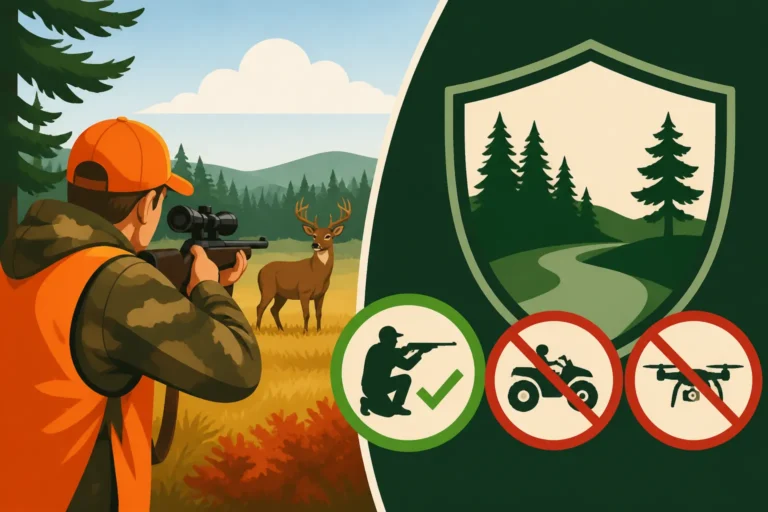
Beyond the lottery system, Carlos Avery operates under general WMA rules, along with some site-specific additions. For all firearm hunting, the standard Minnesota Blaze Orange Requirements apply, meaning you'll need to wear specific amounts of visible orange clothing. There are often restrictions on vehicle access beyond designated parking areas, with many internal roads being gated or limited to foot traffic only. This is important for maintaining quiet zones for wildlife and providing a more wilderness-like experience for hunters willing to walk. When it comes to setting up for deer or turkey, remember the rules regarding Ground Blind Rules on Minnesota WMAs. While portable ground blinds and treestands are generally allowed, they must be removed daily unless otherwise specified, and no permanent stands are permitted. It's also worth noting that activities like baiting for deer or using trail cameras are strictly prohibited on state WMAs, including Carlos Avery. These rules are in place to ensure fair chase and prevent over-harvesting, especially in an area that sees significant hunter traffic. Always double-check these details to avoid any unwelcome surprises or violations.
Practical Access and Navigating the WMA
Carlos Avery is vast, and knowing how to get in, where to park, and how to effectively move through its diverse terrain is critical. This isn't a simple woodlot with one parking spot; it's a complex network of roads, trails, and habitats.
Identifying Entry Points and Parking
Given its size, Carlos Avery WMA has numerous entry points scattered along its perimeter. Many of these are clearly marked with WMA signs and offer designated parking lots, some large enough for many vehicles, others just pull-offs for a couple of trucks. However, not all access points are created equal, and some might be seasonally closed or restricted to specific uses. During peak seasons like the firearm deer opener, these parking areas can fill up quickly, often before legal shooting hours. It's not uncommon to arrive in the dark and find yourself vying for one of the last spots, or having to resort to parking along a road shoulder (where legal) and walking in further than planned. This is where pre-season scouting, even from your couch, becomes invaluable. Using a powerful mapping tool like onX Hunt can give you an aerial perspective, highlighting all official access points, gated roads, and even subtle trails that might lead to less-pressured areas. It allows you to visualize the terrain and plan alternative entry and exit strategies before you ever set foot on the ground. Using the Recreation Compass Map Tool provided by the DNR is another fantastic resource for identifying these points, along with specific WMA boundaries.
Internal Roadways and Foot Travel
Once inside Carlos Avery, you'll encounter a mix of maintained gravel roads, primitive two-track trails, and entirely un-maintained footpaths or game trails. While some main gravel roads might remain open for vehicle traffic during hunting seasons, many internal roads are gated, specifically limiting access to foot traffic, bicycles, or sometimes horses. This is where the true challenge and opportunity lie. The hunters willing to walk further, beyond the easily accessible areas, are often the ones who find more success and experience less pressure. Moving through Carlos Avery often means traversing dense cover, crossing wet areas, and navigating thick brush. A good pair of waterproof boots is essential, as are sturdy brush pants, especially if you're trying to get to those spots that others walk past. Finding Ground Others Walk Past is a strategy that pays dividends here, as many hunters will stick close to the easy access points. Don't be afraid to put on some miles, even if it means carrying your stand or gear a long way. This is where digital mapping tools truly shine, allowing you to track your distance, mark points of interest, and ensure you can navigate back to your vehicle in the dark.
Hunting Opportunities and Habitat at Carlos Avery
Carlos Avery WMA is renowned for its diverse game populations, offering something for almost every type of hunter. From big game to small game and waterfowl, understanding the primary species and their preferred habitats within the WMA will greatly improve your chances of success.
Deer Hunting: Archery and Firearm
Deer hunting is a significant draw at Carlos Avery, particularly for those in the metro area seeking accessible public land. The WMA holds a healthy population of white-tailed deer, utilizing the abundant cover, food sources, and water found across its varied landscape. During the archery season, hunters often focus on the hardwood ridges, oak stands, and the edges of the vast marshlands where deer transition between bedding and feeding areas. Drawing an archery permit for Carlos Avery can be competitive, but for those who succeed, it offers a challenging but rewarding hunt. For firearm seasons, the rules align with the surrounding Minnesota Deer Seasons and Permit Areas. While the WMA can see significant pressure, especially on opening weekend, opportunities exist for those willing to scout diligently and hunt smart. Deer drives can be effective in some areas, particularly later in the season when snow is on the ground and deer are grouped up, but careful planning and communication are vital if you're considering Deer Drives With Three or Four Hunters. Always be aware of other hunters, especially on public land.
Waterfowl and Upland Birds
If there's one species Carlos Avery is most famous for, it's waterfowl. Its extensive network of shallow marshes, impoundments, and natural potholes makes it a magnet for migrating ducks and geese. Hunters can find excellent opportunities for Minnesota Waterfowl Hunting on Lakes and Potholes here, whether it's setting up a spread in a flooded field, jump-shooting small sloughs, or working a cattail edge. The WMA's management actively enhances these wetland habitats, ensuring quality resting and feeding areas for birds. Beyond waterfowl, Carlos Avery offers upland bird hunting, particularly for pheasants in its managed grasslands and some ruffed grouse in denser timbered sections. The pheasant hunting can be good, especially if the DNR has stocked birds, but it often requires a good dog and a willingness to work thick cover. For spring turkey hunters, Carlos Avery is a prime destination. Minnesota Spring Turkey Zones and Periods often include specific lottery draws for the WMA, and successful applicants can expect to find gobblers roosting in the mature timber and strutting in the open fields.
Small Game and Furbearers
Don't overlook the smaller game opportunities at Carlos Avery. The WMA's diverse habitat supports healthy populations of cottontail rabbits and various squirrel species, offering excellent hunting throughout the fall and winter. The oak forests are ideal for Hunting Squirrels in Minnesota Hardwoods, especially early in the season, while brushy thickets and overgrown fields provide prime rabbit cover once the leaves drop. These hunts can be a fantastic way to introduce new hunters to the field or to simply enjoy a less-pressured day afield. Additionally, Carlos Avery is open to furbearer hunting and trapping for species like coyotes, foxes, and raccoons, following statewide regulations. Predator calling can be particularly effective in the more open grassland and marsh edge areas, providing a thrilling challenge during the colder months.
Strategies for a Successful Carlos Avery Hunt
Hunting Carlos Avery WMA can be incredibly rewarding, but it demands a thoughtful approach. High hunter pressure and diverse, often challenging, terrain mean that casual hunting often leads to frustration. Success here often comes down to preparation, persistence, and smart tactics.
Scouting and Digital Mapping
Pre-season scouting is absolutely paramount at Carlos Avery, perhaps more so than at many other public lands. Since trail cameras are typically not allowed, your boots on the ground and your eyes in the sky (via satellite imagery) are your best tools. Before the season, spend time walking the areas you plan to hunt. Look for deer sign like rubs, scrapes, and well-used trails, especially near bedding areas in thick cover or along transition zones between different habitat types. Identify potential pinch points, funnels, and natural barriers that might guide game movement. Waterfowl hunters should scout for active feeding areas and loafing spots.
A digital mapping application like onX Hunt is an indispensable tool for this kind of detailed scouting. You can use it from home to pour over satellite images, identifying potential hunting spots, marking access points, and pre-planning your routes. On the ground, it allows you to pinpoint your exact location, track your movement, and mark points of interest like fresh sign, potential stand locations, or where you jumped a group of pheasants. It's also critical for knowing property boundaries, ensuring you're always on public land. Scouting Minnesota Public Land Before Season becomes significantly more efficient and effective with such technology, especially in a complex WMA like Carlos Avery. Use it to understand the landscape, predict game movement, and identify those overlooked corners that might hold unpressured animals.
Patience, Persistence, and Adapting to Pressure
Carlos Avery WMA can see significant Hunting Pressure on Minnesota Public Land, especially on weekends and during opening days of popular seasons. This means that deer and other game can become wary and shift their patterns quickly. One of the best strategies is simply to outwork other hunters. This often means walking further than most, venturing into areas that are less accessible, or tackling thicker cover that others avoid. While many hunters will stick within a quarter-mile of their vehicle, those willing to put in a mile or two can often find pockets of unpressured game.
Patience is also key. Rather than moving constantly, consider finding a good ambush point and sitting longer, especially during mid-day when many other hunters are taking a break. Hunting during weekdays, if your schedule allows, can also dramatically reduce the amount of pressure you encounter. Be observant of how game animals are reacting to hunting pressure – are they moving earlier or later? Are they using different travel corridors? Adapting your tactics based on these observations, rather than sticking to a rigid plan, will increase your odds of success. Remember, even though it's close to the city, Carlos Avery demands a wilderness hunting mindset.
Gear Considerations for WMA Hunting
The varied terrain and potential for long walks at Carlos Avery require specific gear considerations to ensure comfort, safety, and success. Durable, waterproof footwear is an absolute must. You'll likely encounter wet ground, marshy areas, and potentially snow, depending on the season. Rubber boots or high-quality waterproof hiking boots will serve you well. A comfortable and spacious hunting backpack is also essential for carrying your gear (calls, water, snacks, extra layers) and, hopefully, for packing out game.
For deer hunters, a lightweight, portable treestand or saddle setup with climbing sticks offers maximum flexibility, allowing you to adapt to changing conditions and set up in less-pressured spots. Remember to review Treestand Setups in Minnesota Hardwoods before you head out. If you prefer ground hunting, a compact, well-camouflaged ground blind can be effective, especially if brushed in properly. For waterfowl and upland bird hunting, appropriate waders, decoys (if applicable), and a durable bird vest are vital. Always carry a reliable navigation tool (your phone with onX Hunt or a dedicated GPS unit), a headlamp for walking in and out in the dark, and a basic first-aid kit. Dressing in layers is always advisable in Minnesota's unpredictable weather, allowing you to adjust to temperature fluctuations and exertion levels.
| Activity | Typical Season | Key Access/Regulation Notes | Recommended Gear Considerations |
|---|---|---|---|
| Archery Deer | Sept – Dec | Lottery for specific units, strict WMA rules. | Portable treestand/saddle, broadheads, reliable maps. |
| Firearm Deer | Nov | Follows 300-series permit area rules. | Proper blaze orange, suitable rifle/slug gun, drag. |
| Spring Turkey | April – May | Lottery system for specific periods. | Turkey calls, shotgun, decoys, camo blind/clothing. |
| Fall Turkey | Sept – Oct | General fall season rules. | Calls, shotgun, camo clothing. |
| Waterfowl | Sept – Nov | Open water, cattail sloughs, managed impoundments. | Waders, decoys, layout blind (if applicable), boat. |
| Pheasant | Oct – Dec | Designated grassland areas, often stocked. | Shotgun, upland vest, good walking boots, dog (opt.). |
| Small Game (Rabbit) | Sept – Feb | General small game rules. | Shotgun/rimfire, brush pants, good walking boots. |
| Predator (Coyote) | Year-round | General predator rules. | Calls, rifle, good optics, warm clothing for winter. |
Disclaimer
This article is for general informational purposes only and does not constitute professional advice. Laws, prices and regulations vary by location and change over time. Consult a qualified professional for guidance on your specific situation.