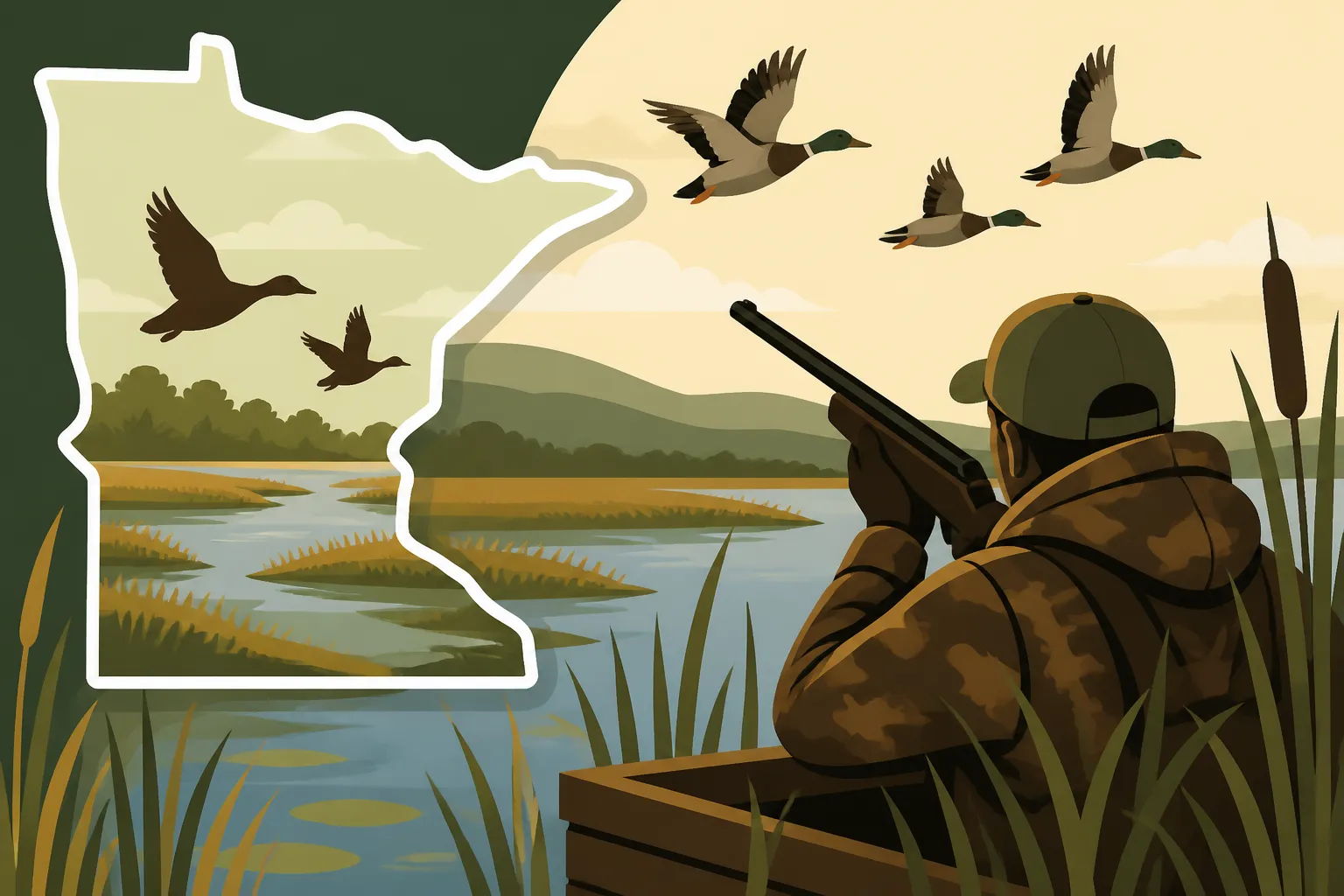
Minnesota Waterfowl Production Area Basics
Many Minnesota waterfowl hunters feel overwhelmed trying to find reliable public hunting grounds, often resorting to crowded lakes or paying for private access. Waterfowl Production Areas (WPAs) offer fantastic, often overlooked opportunities, but understanding their purpose and specific regulations can be a puzzle. This comprehensive guide will break down everything you need to know about navigating and hunting these vital conservation lands across Minnesota.
What Exactly Are Waterfowl Production Areas?
You might have seen signs for "WPA" while driving through the western and central parts of Minnesota, or perhaps you've heard seasoned duck hunters whisper about these spots. But what exactly is a Waterfowl Production Area, and why are they so crucial for our feathered friends and, by extension, for us hunters? Understanding the foundation of these areas is the first step to unlocking their potential.
The Prairie Pothole Region Connection
Minnesota sits right on the eastern edge of what is often called the "Prairie Pothole Region" – a vast, glacially-carved landscape stretching across several states and into Canada. This region is a wetland paradise, dotted with millions of small, shallow depressions that fill with water in the spring, creating ideal breeding and nesting grounds for waterfowl. Think of it as the duck factory of North America. However, over the past century, vast portions of this critical habitat have been drained and converted to agriculture. It's a real shame, and it's something that conservationists have been fighting against for decades.
Waterfowl Production Areas are essentially small, scattered parcels of land, often just a few hundred acres, within this larger Prairie Pothole Region. They are acquired by the U.S. Fish and Wildlife Service, often through direct purchase or easements, specifically to preserve and restore these vital wetland and grassland habitats. These aren't vast national forests or sprawling state parks; they're often tucked away, making them feel like hidden gems once you find them. They represent a concentrated effort to reverse habitat loss, ensuring ducks and geese have safe places to raise their young and rest during migration.
A Haven for Breeding and Migration
The primary purpose of a WPA is right there in the name: waterfowl production. These lands are managed intensively to create ideal conditions for ducks and geese to breed, nest, and raise their broods. This means maintaining a healthy mix of wetlands—from permanent deep-water marshes to ephemeral shallow potholes—and adjacent upland grasslands for nesting cover. You'll often see active management taking place, like prescribed burns to rejuvenate grasslands or water level manipulation to enhance wetland vegetation.
Beyond breeding, WPAs also serve as crucial staging and resting areas for migrating waterfowl. As fall approaches and birds begin their journey south along the Minnesota Waterfowl Migration Timing, these pockets of protected habitat become magnets. Ducks and geese will stop over, refueling and recuperating before continuing their arduous flight. This makes them incredibly important during the hunting seasons. A WPA might hold a decent resident population of local birds, but it can also attract waves of new migrants, offering fresh hunting opportunities throughout the fall. Don't underestimate the power of these smaller areas to concentrate birds, especially when surrounding private lands are heavily pressured.
Federal Versus State Management on Public Land
It's easy to get confused by all the different types of public land out there, and WPAs add another layer to the mix. Unlike state-run Wildlife Management Areas (WMAs) in Minnesota, WPAs are managed by the federal government, specifically the U.S. Fish and Wildlife Service (USFWS). This distinction is important because while Minnesota state regulations apply to hunting methods and seasons, federal regulations often dictate broader access rules, permitted activities, and specific land uses on WPAs.
For example, while the state might allow certain types of activities on WMAs, a WPA might have different restrictions on vehicle use, baiting, or even specific types of blinds. It's not uncommon to find subtle differences, and getting them mixed up could lead to a less-than-ideal encounter with a conservation officer. The good news is that hunting is generally permitted on WPAs, as they are part of the National Wildlife Refuge System, but always double-check the specific regulations for the WPA you intend to visit. Familiarizing yourself with these nuances is key to a smooth and legal hunt.
Finding and Accessing Minnesota WPAs
One of the biggest hurdles for hunters interested in WPAs is simply finding them and understanding how to legally access them. Unlike some larger public tracts, WPAs are often smaller, more numerous, and can feel somewhat hidden. But with the right tools and a little bit of homework, you can uncover some incredible spots.
Leveraging Digital Mapping Tools
Gone are the days of relying solely on paper plat maps and hoping for the best. Modern digital mapping apps are an absolute game-changer for finding and scouting WPAs. Tools like onX Hunt have made it incredibly easy to identify public land boundaries, including WPAs, often color-coded for clarity. You can literally scroll through a county on your phone or computer and see all the green-shaded polygons representing these federal properties. This is especially helpful because WPAs are often interspersed with private agricultural land, and without a clear map, it would be almost impossible to tell where one ends and the other begins.
Before you even leave your couch, you can use these apps to zoom in, identify potential access points from roads, and even pinpoint specific potholes or marsh edges that look promising. Pay close attention to the satellite imagery for clues like standing water, cattail edges, or adjacent crop fields. While onX Hunt is fantastic, other platforms like GoHunt offer similar mapping capabilities that can help you visualize the terrain. Don't just look for water; good hunting WPAs often have a mosaic of shallow wetlands, emergent vegetation, and upland grass that provides both food and cover for Minnesota's Prairie Pothole Ducks.
Identifying Legal Access Points
Just because a WPA is public land doesn't mean you can drive your truck right up to it. Access can be a real sticking point, and it's where many hunters run into trouble or get frustrated. Many WPAs are "landlocked," meaning they are surrounded entirely by private property, and there isn't a designated public road or parking area directly bordering them. In these cases, you must gain permission from the private landowner to cross their property to reach the WPA. Without that permission, crossing private land, even to access public land, is trespassing.
Always look for designated parking areas or clear access points marked by USFWS signs. If you're using a mapping app, look for roads that clearly abut the WPA boundary. Sometimes, access might be limited to walk-in only, meaning you'll need to park on a public road shoulder and hike in. This can be a blessing in disguise, as it often means less hunting pressure. When in doubt, a quick call to the local USFWS wetland manager or Minnesota DNR office for the specific county can clarify access rules for a particular WPA. Don't guess; an ounce of prevention is worth a pound of missed hunting time.
Respecting Boundaries and Surrounding Properties
This point can't be stressed enough: know your boundaries. With WPAs often being smaller and intermingled with private farmland, it is incredibly easy to accidentally stray off public land. This is precisely why those mapping apps like onX Hunt are so valuable. They show you your location relative to property lines in real-time, which is a lifesaver when you're focused on a retrieve or tracking a bird. Imagine calling in a flock of mallards, taking a shot, and having one fall just over the property line onto private land. If you don't have permission to retrieve it, you're out of luck, and potentially facing a trespassing charge.
Always be courteous to landowners, even if you don't need to cross their property. A simple wave or nod can go a long way. Parking respectfully, keeping gates closed, and packing out all your trash are not just good manners; they're essential for ensuring continued good relations between hunters and landowners, and ultimately, for keeping these public hunting opportunities open. Nothing sours a landowner faster than finding trash or seeing vehicles blocking their access. Remember, we are guests, even on public land, in the broader community.
Understanding WPA Hunting Regulations
Navigating the legalities of hunting can feel like deciphering ancient texts, and WPAs, being federally managed, have their own specific quirks that sometimes differ from state-managed lands. It's crucial to understand these rules to ensure a safe, legal, and enjoyable hunt. Ignorance of the law is never an excuse, and a conservation officer isn't going to be impressed if you tell them you "didn't know."
General Federal Regulations You Must Know
Since WPAs fall under the National Wildlife Refuge System, they adhere to federal regulations that supersede some state rules. For waterfowl hunting, the biggest federal rule is the requirement for a valid Federal Duck Stamp for anyone 16 years or older. This stamp, affectionately known as the "Duck Stamp," is a mandatory purchase, and its proceeds go directly towards wetland conservation and the acquisition of more WPAs and refuge lands. It's a small price to pay for such incredible resources.
Another critical federal regulation concerns non-toxic shot. On all federal lands, including WPAs, you are absolutely required to use non-toxic shot for hunting waterfowl and any other migratory game birds. This means no lead shot. Common non-toxic options include steel, bismuth, and tungsten-alloy shot. This rule is in place to protect waterfowl from lead poisoning, which can occur when birds ingest spent lead pellets. Make sure your shotshells are clearly marked "non-toxic" or "steel shot" before you head out. It’s a simple check that prevents a hefty fine. Where Nontoxic Shot Is Required in Minnesota delves into this further.
Minnesota-Specific Rules and Restrictions
While federal rules set a baseline, Minnesota's own hunting regulations also apply on WPAs, provided they don't conflict with federal law. This means you still need all your relevant Minnesota hunting licenses, including a small game license, a Minnesota Waterfowl Stamp, and your HIP (Harvest Information Program) certification if you're hunting migratory birds. Minnesota HIP Certification for Bird Hunters explains this crucial requirement. All state bag limits, shooting hours, and season dates for particular species (ducks, geese, pheasants, deer, etc.) must be followed.
One area where state and federal rules might have subtle differences often revolves around specific equipment or activities. For instance, baiting for deer or bear is generally prohibited on federal lands, even if it might be allowed in certain circumstances on private land under state regulations. The use of ATVs or other motorized vehicles is typically highly restricted to designated trails or parking areas, if allowed at all. Generally, WPAs are managed with a strong emphasis on walking access to minimize disturbance. Always check the specific WPA's kiosk or the USFWS website for any site-specific rules that might apply.
License, Stamps, and Shot Requirements
To make things a bit easier to digest, here's a quick rundown of the essential requirements for hunting waterfowl on a Minnesota WPA:
| Requirement | Description | Where to Obtain |
|---|---|---|
| Minnesota Small Game License | Required for hunting most small game, including waterfowl. | MN DNR E-License system, authorized vendors |
| Minnesota Waterfowl Stamp | State stamp specific to waterfowl hunting. | MN DNR E-License system, authorized vendors |
| Federal Duck Stamp | Federal migratory bird hunting and conservation stamp. Required for hunters 16 years and older. | Post offices, many sporting goods stores, online via USFWS |
| HIP Certification | Harvest Information Program certification, a free annual registration for migratory bird hunters. | MN DNR E-License system (usually added when purchasing license) |
| Non-Toxic Shot | Absolutely mandatory for all migratory bird hunting on federal lands, including WPAs. Lead shot is strictly prohibited. | Sporting goods stores (look for steel, bismuth, tungsten-alloy) |
| Blaze Orange/Pink | Required for certain seasons (e.g., firearm deer) even if you're not deer hunting, depending on state regulations. Always check current MN DNR regulations for specific species. | Vests, hats, jackets from any sporting goods retailer |
This table provides a concise checklist, but remember, laws and regulations can change, so always consult the latest Minnesota DNR regulations and the USFWS website for the most up-to-date information before your hunt. It's your responsibility as a hunter to be fully informed.
Strategies for Successful WPA Waterfowl Hunting
WPAs are fantastic resources, but they aren't always easy mode. The ducks on these public lands can be pressured, and the small, scattered nature of the potholes means you need a thoughtful approach. It’s not just about showing up; it’s about preparing, understanding bird behavior, and being adaptable.
The Importance of Pre-Season Scouting
I cannot emphasize enough how critical pre-season scouting is for WPA success. These small potholes and marshes can look completely different from year to year, or even week to week, depending on water levels, vegetation growth, and surrounding agricultural practices. What was a productive marsh last season might be dried up or choked with cattails this year. A digital mapping app like onX Hunt or GoHunt can show you water presence and recent changes via satellite imagery, but nothing beats boots on the ground.
Walk the WPA boundaries, identify potential hidden potholes, and look for signs of bird activity—moulted feathers, droppings, or natural food sources. Observe flight paths if you can. Often, the best WPA spots are those that require a bit of a walk, as these tend to see less pressure. Don't be afraid to put in the miles before the season. Identifying multiple potential spots means you have backup plans if your primary location is crowded or unproductive on opening day. Remember, public land ducks are smart; they gravitate to areas with less disturbance. Scouting Minnesota Public Land Before Season offers more general tips.
Effective Decoy Spreads for Potholes
Hunting these smaller WPA potholes requires a different decoy strategy than, say, setting up on a vast open lake like Mille Lacs. You're generally dealing with tighter spaces, and often, less wind. A huge spread of 50-plus decoys might be overkill and look unnatural. Focus on quality over quantity. A dozen to two dozen realistic decoys, mixed with a few geese if you're in goose country, is usually more than enough.
Think about creating a natural-looking landing zone. Many hunters favor a "J-hook" or "U-shape" spread, leaving an open pocket directly in front of their blind where ducks can comfortably land. Consider using a jerk string to add movement, especially on calm days when decoys sit lifeless. Motion is often the biggest draw. Pay attention to the prevalent species in the area – if you're seeing mostly mallards and wood ducks, tailor your spread to that. Placement matters more than numbers in these intimate settings; you want to create an inviting, safe space for birds to commit to. Reading a Pothole for a Morning Flight discusses how to interpret bird behavior.
Mastering Concealment and Calling
On small WPAs, ducks are often looking down on you from not very high, and they've likely seen it all before. Your concealment needs to be absolute. A well-brushed-in ground blind or a layout blind that blends seamlessly with the surrounding vegetation is paramount. Don't just rely on camouflage patterns; use natural materials like cattails, prairie grass, or willow branches to break up your outline. Pay attention to shadows and avoid shiny objects that can reflect sunlight.
Calling strategy on WPAs often requires a softer touch. Aggressive, loud calling can sometimes scare off pressured birds. Start with soft greeting calls, contented quacks, and subtle chatter. Only increase the intensity if birds are working at a distance or seem hesitant. Learn to read the birds' reactions to your calls. If they flair, back off. If they turn your way, keep doing what you're doing. Being versatile with your calls and knowing when to go quiet is a hallmark of a successful WPA hunter. Remember, silence can sometimes be the best call of all, especially if they're already committed. Layout Blind Hunting Minnesota Farm Fields shares more tips for field-edge concealment.
More Than Just Ducks: Other WPA Hunting Opportunities
While the name "Waterfowl Production Area" clearly highlights their primary purpose, these lands are far more than just duck hunting hot spots. The diverse habitats found within WPAs support a wide array of wildlife, providing fantastic opportunities for other types of hunting throughout Minnesota's various seasons. It's another reason why these areas are such a valuable public resource for hunters.
Upland Birds and Small Game
Many WPAs feature extensive blocks of native prairie grasslands interspersed with their wetlands. This makes them absolute magnets for upland birds, particularly pheasants in the southern and western portions of Minnesota. If you're looking to hunt pheasants on public land, WPAs should definitely be on your radar. The tall, dense grass provides excellent nesting cover in the spring and vital thermal protection in the brutal Minnesota winters. You'll often find pheasants holding tight in the edges of cattail sloughs or within dense stands of switchgrass. A good bird dog can be invaluable for working these areas. Pheasant Hunting Minnesota Grassland details strategies for these types of landscapes.
Beyond pheasants, you might also find opportunities for other small game like cottontail rabbits, especially in brushy edges or shelterbelts found on some WPAs. Even grouse or woodcock might be present if the WPA includes brushier, younger forest habitats, though these are less common on typical prairie-focused WPAs. Always check the Minnesota DNR regulations for specific seasons and bag limits for these species, as they can differ from waterfowl rules. Remember that non-toxic shot might still be required for some small game if you're hunting within a WPA where lead is prohibited.
Furbearers and Predators
When the waterfowl season closes and winter blankets Minnesota, WPAs can still offer exciting hunting opportunities for furbearers and predators. Coyotes are often present, drawn by the abundance of small game, deer, and winter cover. Calling coyotes on a crisp winter morning can be an exhilarating experience, and WPAs provide the public access to do it. You'll often find them working the edges of fields or the thicker cover of the grasslands. Coyote Calling in a Minnesota Winter provides some excellent tips if you're interested in giving it a try.
Other furbearers like fox, raccoons, and even bobcats can be found on WPAs, depending on the specific location and habitat. Trapping might also be permitted in some areas, offering another way to utilize these lands, but always check local regulations as trapping rules can be very specific and require additional licenses or permits. Whether you're hunting or trapping, it's a great way to extend your time outdoors and contribute to wildlife management by helping control predator populations.
Respecting the Primary Mission
While WPAs offer diverse hunting opportunities, it's always important to remember their primary mission: waterfowl production and conservation. This means all activities, including hunting, must be conducted in a manner that doesn't compromise the habitat or unduly disturb wildlife, especially during sensitive nesting periods. Stick to designated access points, minimize your impact, and pack out everything you pack in.
The federal government and the USFWS have invested significant resources into acquiring and managing these lands, often with funding directly from Federal Duck Stamp sales. By respecting the rules and the land, we, as hunters, play a crucial role in ensuring these vital areas continue to thrive and provide opportunities for future generations. WPAs are a testament to successful conservation efforts, and our responsible use helps keep them that way.
Disclaimer
This article is for general informational purposes only and does not constitute professional advice. Laws, prices and regulations vary by location and change over time. Consult a qualified professional for guidance on your specific situation.