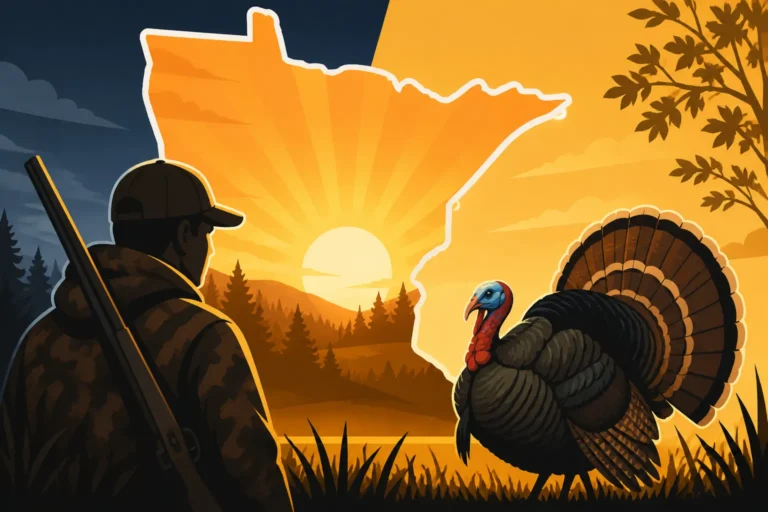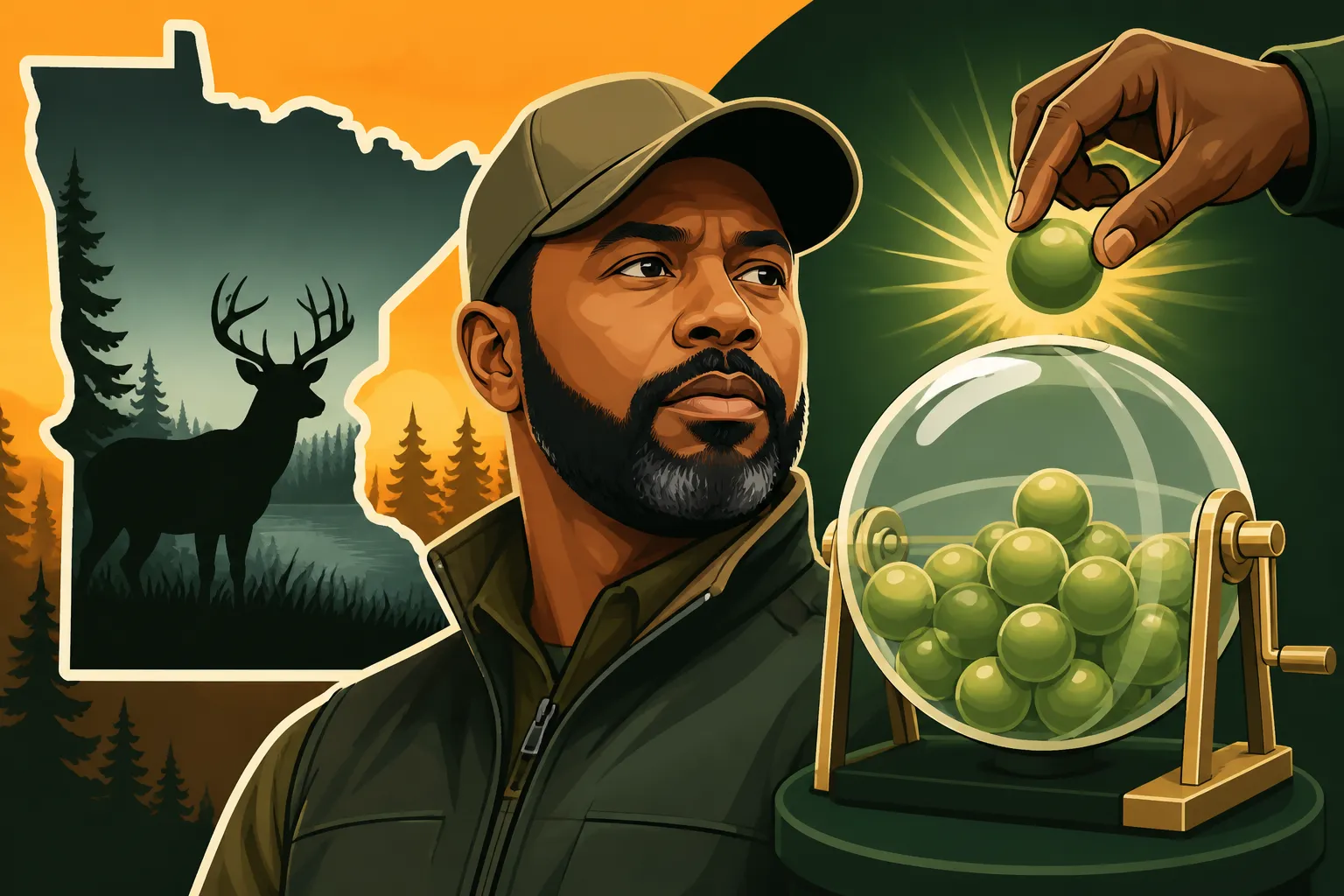
Why Carlos Avery Needs a Lottery in A Season
Trying to secure a prime spot for spring turkey hunting, especially in a popular area like Carlos Avery Wildlife Management Area during the coveted "A Season," can feel like playing the lottery – because, well, it pretty much is. It's frustrating when you've got your heart set on that early gobbler, only to face intense competition for limited permits. This guide is here to walk you through exactly why Carlos Avery operates this lottery system for its initial turkey season and how you can navigate the process to hopefully punch your tag.
Carlos Avery Wildlife Management Area: A Prized Minnesota Destination
Carlos Avery Wildlife Management Area (WMA) is more than just another patch of public land; it’s a jewel in Minnesota's public hunting crown, sitting a stone's throw north of the Twin Cities Metro Area. This accessibility alone makes it a magnet for outdoor enthusiasts, but it's the diverse and thriving habitat that truly seals its reputation.
A Hub of Wildlife and Hunter Popularity
Carlos Avery spans roughly 24,000 acres, a sprawling mosaic of wetlands, grasslands, oak savannas, and mature hardwoods. This incredible diversity supports a wide array of wildlife, from waterfowl to white-tailed deer, and, of course, a healthy population of wild turkeys. For hunters living near the urban sprawl of Minneapolis and St. Paul, Carlos Avery offers a relatively close escape to true wilderness, making it incredibly popular.
Think about it: you can be stuck in rush-hour traffic one minute, and within an hour, be scouting timber for fresh turkey sign or eyeing a cattail slough for waterfowl. This proximity means that on any given weekend, especially during prime hunting seasons, Carlos Avery can see significant hunter numbers. It's not uncommon to pull into a parking lot before dawn and find it already half-full. The sheer number of people seeking to enjoy this resource puts immense pressure on the land and the game animals that call it home, necessitating careful management.
The Specifics of "A Season" for Turkeys
When we talk about "A Season" in Minnesota turkey hunting, we're referring to the very first period of the spring turkey season. The Minnesota DNR typically divides the spring season into multiple periods, often labeled A through G or similar, running consecutively from mid-April through the end of May. "A Season" is the earliest window, and it holds a special allure for many turkey hunters.
Why the intense desire for "A Season"? It's simple: early-season gobblers are often less pressured and more predictable. They're fresh out of winter, keyed into breeding, and frequently gobbling aggressively from the roost and throughout the morning, making them easier to locate and call in. The foliage on the trees hasn't fully leafed out yet, offering better visibility in the woods and making it easier to spot birds or set up decoys. Plus, the weather, while still unpredictable in Minnesota, can sometimes be milder than later in the spring when temperatures might soar or pop-up thunderstorms become a daily occurrence. Hunters often find the entire experience of spring's awakening, with the first buds on the trees and the woods coming alive, to be particularly magical during this initial period. It’s no wonder so many want to be out there for those first few critical days.
The Mechanics of the Lottery System at Carlos Avery
The decision to implement a lottery system for Carlos Avery's "A Season" wasn't made on a whim. It came about as a direct response to the area's immense popularity and the challenges that unchecked hunting pressure presented.
Why a Lottery Became Necessary for Carlos Avery
Imagine a prime spring turkey morning at Carlos Avery without any limits. Dozens, perhaps hundreds, of hunters showing up, all trying to work the same few vocal gobblers. This scenario quickly leads to a host of problems:
- Safety Concerns: More hunters in a confined area, especially during low-light conditions, increases the risk of accidents. Hunters might unknowingly approach each other, call birds away from others, or even mistake another hunter for game.
- Negative Hunter Experience: The solitude and wilderness feel that draws many to hunting would be completely lost. Constantly hearing other calls, seeing other hunters, or having birds spooked by nearby activity diminishes the quality of the hunt. It shifts from a peaceful pursuit to a competitive scramble.
- Impact on Bird Behavior: Turkeys are smart, and they learn quickly. Constant pressure from hunters during the early season can make gobblers "call shy" or push them onto private land where hunting isn't allowed. This can negatively affect success rates for everyone and disrupt their natural breeding patterns.
- Resource Management: The DNR has a responsibility to manage wildlife populations sustainably. Too much pressure on a localized population can impact long-term health and hunting opportunities.
To address these very real frustrations and maintain a quality hunting experience while conserving the resource, the Minnesota Department of Natural Resources (DNR) determined that a controlled access system was necessary for the highly sought-after "A Season" at Carlos Avery. The lottery system provides a fair and equitable way to distribute a limited number of permits.
How the Carlos Avery "A Season" Lottery Works
The Carlos Avery "A Season" lottery is part of the broader statewide spring turkey lottery, but with specific area restrictions. Here’s a general rundown of how it typically functions:
- Application Window: There's a specific period, usually in January or early February, when hunters can apply for a spring turkey license and indicate their preferred permit area and hunting period. This is often referred to as the "lottery deadline." For instance, the deadline for Minnesota Spring Turkey Application Deadline is typically in early February each year.
- Permit Area Selection: When applying, hunters select a primary permit area. Carlos Avery WMA falls within a specific permit area (or sometimes has its own special hunt code), and hunters must select this if they wish to hunt there.
- Period Selection: Within their chosen permit area, applicants also select their preferred hunting period, with "A Season" being the earliest.
- Party Applications: Minnesota's turkey lottery often allows for party applications. This means up to four hunters can apply together as a group. If the party draws a permit, all members receive one. This can be a great way for families or friends to ensure they can hunt together, although it doesn't necessarily improve individual odds – the party application is treated as a single entry in the drawing.
- Random Drawing: Once the application window closes, the DNR conducts a random drawing. There are typically no preference points for Minnesota's spring turkey lottery, meaning everyone has an equal chance each year, regardless of how many times they've applied previously.
- Notification: Successful applicants are usually notified by mail or email, and results are often posted online. You'll then purchase your actual turkey license, which will be valid for the specific permit area and period you drew.
- Leftover Tags: If permits remain after the lottery (which is highly unlikely for "A Season" at Carlos Avery), they might be sold over the counter on a first-come, first-served basis, but don't count on this for the early period in popular WMAs.
Understanding these rules is critical. Tools like GoHunt or similar outdoor recreation platforms often provide updated information on application deadlines, specific permit area codes, and can sometimes even offer insights into draw odds based on past years, helping hunters strategically plan their applications.
Maximizing Your Chances and Alternative Strategies
Drawing an "A Season" tag for Carlos Avery can feel like hitting the jackpot, but with high demand, it's never a guarantee. However, there are ways to improve your long-term outlook and plenty of other fantastic options if the lottery doesn't go your way.
Tips for Improving Your Lottery Odds
While the Minnesota turkey lottery is a random draw, meaning you don't accumulate preference points like you might for deer or bear, consistent application is key. You can't draw if you don't apply!
- Apply Every Year: This sounds obvious, but life gets busy. Mark the Minnesota Spring Turkey Application Deadline on your calendar and set reminders. It's easy to miss, and if you do, you're out of luck for that year.
- Apply as a Party (If Desired): If you have a trusted group you want to hunt with, applying as a party of up to four hunters can be a great strategy. If one person draws, the whole party draws. While it doesn't increase your odds per application slot, it ensures cohesion for your hunting group. Just make sure everyone in the party is committed and eligible.
- Be Flexible with Periods (for other areas): While this guide focuses on "A Season," if you’re applying for other areas, being open to later periods can drastically improve your chances of drawing a tag. "A Season" is almost always the toughest draw. For Carlos Avery specifically, if you don't draw A Season, your chance for any spring turkey hunting there is likely over, so flexibility for that specific WMA isn't an option for subsequent periods.
- Research Draw Statistics: While GoHunt doesn't provide Minnesota-specific turkey draw odds in the same way they might for Western big game, the Minnesota DNR sometimes releases data on draw success rates by permit area and period. Keep an eye on the DNR website for these statistics; they can offer a realistic picture of your chances. For Carlos Avery's A Season, expect them to be low.
Exploring Other Turkey Hunting Opportunities
Not drawing a Carlos Avery "A Season" tag is definitely a bummer, but it's far from the end of your spring turkey hunting dreams! Minnesota offers a wealth of other opportunities.
- Embrace Later Periods: While "A Season" is prime, later periods can be fantastic. The birds might be more scattered as hens begin nesting, but they're still gobbling, and you often encounter far less hunting pressure. Learning to adjust your tactics for these periods, such as focusing on roosting areas or using calls to locate wary birds, can lead to incredible success. Consider Hunting a Late Turkey Period in Minnesota if you didn't draw for the early season.
- Explore Other WMAs and State Forests: Minnesota boasts hundreds of thousands of acres of public land. Many other Wildlife Management Areas (WMAs) and State Forests have healthy turkey populations and might not have the same lottery restrictions or intense pressure as Carlos Avery. Using tools like the Using the Recreation Compass Map Tool or onX maps can help you find suitable public land. Areas like the Richard J. Dorer Memorial Hardwood Forest in southeast Minnesota, for example, offer vast turkey habitat. While Carlos Avery WMA Hunting Access is limited in early season, other WMAs might have over-the-counter tags for specific periods.
- Try Turkey Tactics for Farmland Field Edges: Many of Minnesota's wild turkeys inhabit farmland country, often using small woodlots and riparian zones. Getting permission on private land can open up huge opportunities, or look for public parcels adjacent to agricultural fields.
- Master Run-and-Gun Turkey Tactics on Public Land: If you're on general public land without the same pressure, moving around and actively listening for gobblers can be a highly effective strategy. Don't be afraid to cover ground to find unpressured birds.
- Consider Fall Turkey Hunting: While spring hunting is focused on gobblers, Minnesota also offers a fall turkey season. This is a completely different game, often focusing on breaking up flocks and calling in lost birds, but it's a fantastic way to extend your turkey hunting season. Check out Fall Turkey Tactics in Minnesota for more details.
Remember, the true joy of hunting often comes from the chase, the learning, and the time spent outdoors, regardless of whether you punch a tag. There are always options to be found for a dedicated hunter.
The Bigger Picture: Managing Hunting Pressure
The lottery system at Carlos Avery WMA for its "A Season" isn't an arbitrary rule; it's a thoughtful approach to manage both wildlife and human impact. It’s part of a larger philosophy that guides wildlife agencies.
The Role of Wildlife Management Areas in Public Hunting
Wildlife Management Areas like Carlos Avery serve a critical dual purpose: they are established to protect and enhance wildlife habitat, and they provide opportunities for outdoor recreation, including hunting, fishing, and wildlife viewing. The DNR's goal is to strike a delicate balance. They want to provide as much access as possible to hunters, but not at the expense of the resource itself or the quality of the hunting experience.
In areas of high demand, like Carlos Avery near the metro, or during peak times, such as the initial "A Season" when gobblers are most responsive, regulations become stricter. This might involve lotteries, bag limits, or specific rules for Scouting Minnesota Public Land Before Season. These measures prevent overcrowding, reduce stress on wildlife, minimize conflicts between hunters, and ensure that the area remains a viable hunting ground for future generations. It’s a conservation tool as much as it is a distribution method.
Hunter Responsibility and Ethical Considerations
As hunters, we play a crucial role in supporting these management efforts. Understanding why lotteries exist and respecting the rules helps to ensure their effectiveness. This isn't just about avoiding a fine; it's about being an ethical steward of the land and its wildlife.
- Respect Boundaries: Whether it's the boundaries of Carlos Avery or another WMA, or understanding that you need to be aware of where CWD Management Zones in Minnesota are, knowing your limits is essential.
- Follow Regulations: Always check the most current DNR regulations for your chosen hunting period and location. Rules can change year to year. Make sure you have the correct licenses, including Minnesota Spring Turkey License Cost and any required certifications like Minnesota Migratory Game Bird Certification if you also pursue waterfowl.
- Practice Fair Chase: Even in a high-demand area, the principles of fair chase – giving the animal a reasonable chance to escape – are paramount.
- Minimize Impact: Leave no trace. Pack out everything you pack in. Be considerate of other users, whether they are fellow hunters, hikers, or birdwatchers.
- Be Patient: If you don't draw a tag for "A Season" at Carlos Avery, don't get discouraged. There are always other opportunities to explore across Minnesota's diverse landscapes. The state offers incredible hunting, from White-Tailed Deer Across Minnesota to Ruffed Grouse and Woodcock in Minnesota, each with its own seasons and challenges.
By upholding these responsibilities, we contribute to the longevity of hunting traditions and ensure that places like Carlos Avery remain vibrant havens for wildlife and cherished destinations for hunters.
Carlos Avery WMA Spring Turkey Lottery Overview
To help you keep track of the key details, here's a quick overview of the Carlos Avery "A Season" lottery process. Remember that specific dates can shift slightly year to year, so always confirm with the official Minnesota DNR website.
| Feature | Description | Key Consideration |
|---|---|---|
| Permit Area | Carlos Avery WMA (Specific Permit Area/Hunt Code) | Must select this specific area for "A Season" at Carlos Avery. |
| Season Period | "A Season" (Earliest Spring Turkey Period) | Highest demand, lowest draw odds. |
| Application Opens | Typically December – January | Check DNR website or resources like GoHunt for exact dates. |
| Application Deadline | Usually early February | Critical deadline; missing it means no application for that year. Minnesota Spring Turkey Application Deadline is typically in early February. |
| Drawing Method | Random Draw | No preference points; everyone has an equal chance each year. |
| Party Applications | Allowed (up to 4 hunters per party) | Ensures your group hunts together if drawn. |
| Notification | Typically late February – early March | Check your email/mail, or the DNR website for results. |
| Leftover Tags | Highly unlikely for Carlos Avery "A Season" | Do not rely on over-the-counter sales for this popular period. |
| Draw Odds | Historically very low due to high demand and limited permits | Be realistic; have backup plans for other areas or periods. |
Disclaimer
Always consult the official Minnesota Department of Natural Resources (DNR) regulations for the most current and accurate information regarding hunting seasons, license requirements, and specific rules for any Wildlife Management Area. Regulations can change annually.