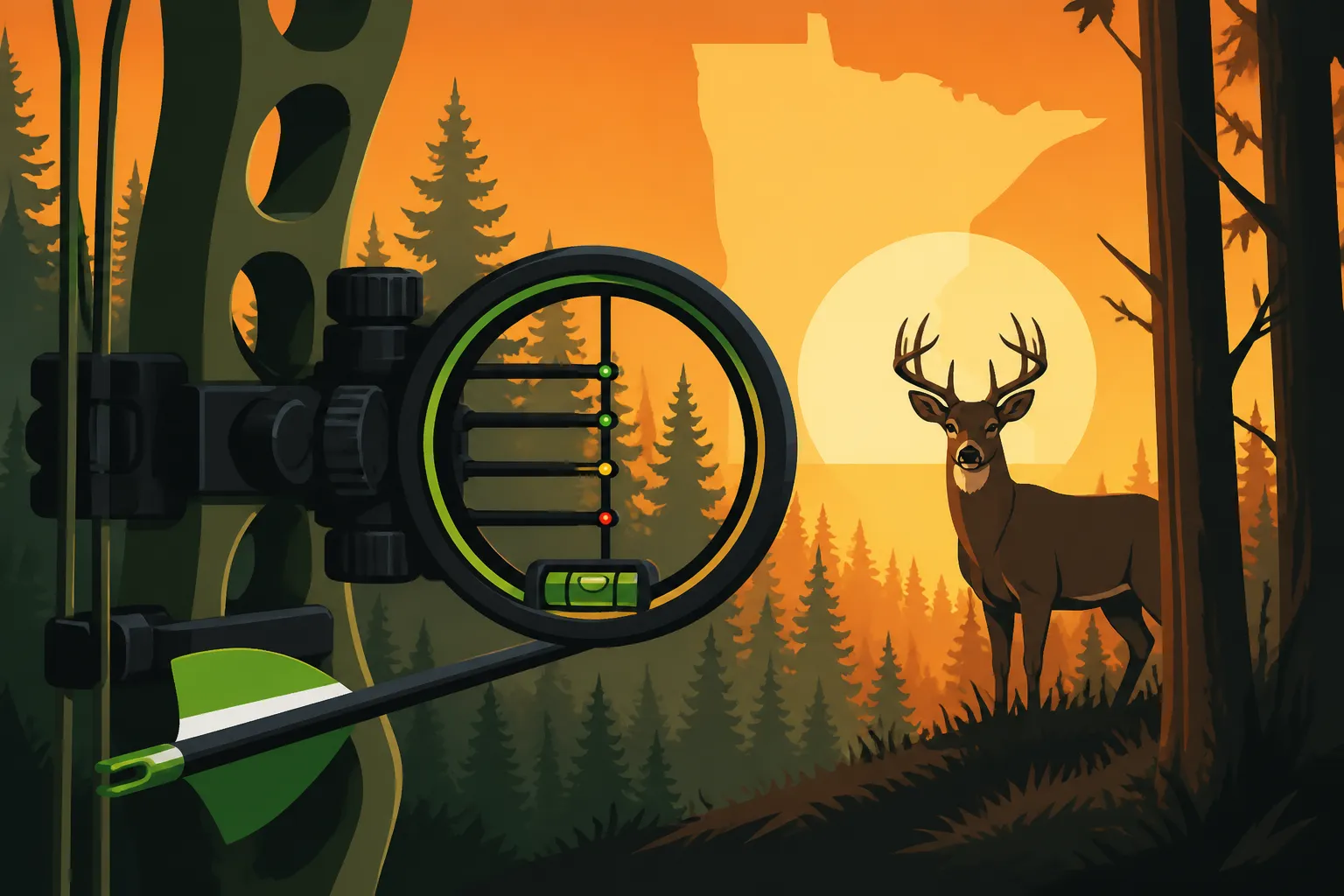
Bow Sights for Timber Shots
Hunting in the thick Minnesota timber is an experience unlike any other, demanding a different approach and often, different gear. When you're tucked into a stand or still-hunting through dense woods, your shot opportunities can materialize and disappear in an instant, usually at incredibly close range. This guide is all about helping you understand what makes a bow sight truly effective for those fleeting timber shots, ensuring you’re ready when that buck steps out of the shadows.
The Unique Demands of Timber Hunting in Minnesota
Stepping into the vast, dense woods of northern Minnesota, or even some of the heavier woodlots in farm country, presents a unique set of challenges for bowhunters. This isn't wide-open prairie hunting where long-range shots are the norm. Here, the game is played up close and personal, often with very little warning.
Close Quarters and Quick Reactions
In the Minnesota timber, most of your shot opportunities on deer will happen within 30 yards, and often much closer—think 10 to 20 yards. This means you don't have the luxury of ranging a deer multiple times, drawing at leisure, and settling into a perfect anchor point. Instead, you need a sight that allows for rapid target acquisition, because that deer is likely moving through thick brush, giving you only a small window of opportunity. Every second counts, and fumbling with sight adjustments or trying to find the right pin can mean the difference between filling your tag and watching a magnificent animal melt back into the cover. This is where mastering your gear becomes critical, especially for Bowhunting Minnesota's Long Archery Season.
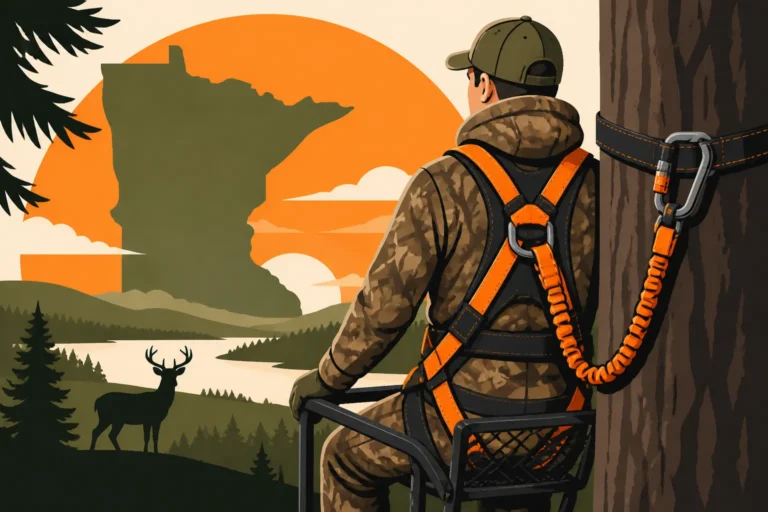
Imagine a scenario: You're on stand, maybe a simple hang-on set up in a dense oak flat, and suddenly a good buck appears, slipping through the alders at 18 yards. Your heart is pounding. He's not stopping. You need to draw, anchor, find your pin, and execute a shot now. A sight that's cluttered, too dim, or requires precise adjustments you don't have time for will absolutely cost you that shot. It's about instinct and preparation, and your sight needs to be an extension of that. This isn't just theory; it's the reality for many of us who hunt these woods year after year, especially when you're focusing on Hunting Minnesota Big Woods.
Low Light and Dense Cover
Minnesota's deep timber, whether it's the towering pines of the north or the mature hardwoods of the bluff country, can be incredibly dark even in the middle of the day. Couple that with the prime hunting times of dawn and dusk, and you're often operating in very low-light conditions. Shadows are long, deer can be incredibly camouflaged against the bark and brush, and visibility is at a premium. Your bow sight needs to excel in these conditions, providing bright, clear aiming points without washing out or getting lost in the gloom.
Think about trying to pick out a black pin against the dark hide of a deer standing in the shadows of a cedar swamp. It's a frustrating, almost impossible task if your sight isn't up to snuff. The fiber optics on your pins need to gather every last photon of available light to give you a crisp, visible dot. This isn't just a comfort feature; it's a necessity for ethical hunting, ensuring you can place your shot precisely even when the light is fading fast or heavily filtered by a dense canopy. The ability to see your pin clearly is just as important as the ability to range the deer, especially during Hunting the Minnesota Rut in Early November when bucks are moving at all hours.
Key Features of a Great Timber Bow Sight
When you're sifting through the myriad of bow sights available, it's easy to get overwhelmed by all the bells and whistles. For timber hunting, however, simplicity, durability, and visibility are your best friends. Focusing on these core attributes will guide you to a sight that truly performs when it matters most.
Pin Configuration and Brightness
For timber hunting, you're primarily concerned with shots out to maybe 40 yards, but realistically, most will be inside 30. This means you don't need a sight with five, seven, or even nine pins stretching out to 100 yards. A simpler setup, often with three or four fixed pins, is typically ideal. Fewer pins mean less clutter in your housing, making it faster to pick the correct aiming point under pressure. Many timber hunters even prefer a single fixed pin for maximum simplicity, especially if they are comfortable instinctively gapping shots out to 25 or 30 yards. The key is to have pins set for your most common ranges—say, 20, 30, and maybe 40 yards—so you can quickly transition between them.
The brightness of those pins is paramount. Look for sights with robust, extra-long fiber optics that truly glow in low light. Some sights even incorporate a small light rheostat that allows you to adjust the pin brightness. This is a fantastic feature, as too bright a pin can create a "halo" effect in very low light, obscuring your target, while too dim a pin is, of course, useless. You want a sight that offers a balance, gathering ample ambient light, but also offering controlled illumination for those deep timber moments. Consider the housing around the pins as well; a sight with a large, unobstructed housing allows for maximum light gathering and a clear view of your target.
Durability and Simplicity
Hunting in the Minnesota woods is rough on gear. You’re pushing through brush, climbing into stands, and dealing with all sorts of weather. Your bow sight isn't immune to this abuse. A great timber sight needs to be built like a tank. Look for sights made from solid aluminum, with rugged, well-protected fiber optics. Components that are loose, flimsy, or prone to rattling are a huge liability. You want a sight that can take a bump or two without losing its zero, because the last thing you want is to discover your sight is off after a long hike into your stand, just when that once-in-a-season buck walks by.
Simplicity in design often goes hand-in-hand with durability. Features like tool-less adjustments can be convenient, but for a dedicated timber sight, you might prefer a sight with fewer moving parts that can potentially fail or vibrate loose. A fixed-pin sight, once set, is incredibly reliable. Slider sights, while offering versatility for longer shots, introduce more complexity and another potential point of failure. For close-range timber work, where speed and reliability are paramount, often the best sight is one that's simple, robust, and utterly dependable. This kind of reliability is crucial when you're relying on your Bow Draw Weight for Minnesota Whitetails to deliver a clean shot.
Practical Considerations for Setup and Practice
Having the right bow sight is only half the battle. How you set it up and how much you practice with it will ultimately determine its effectiveness in the timber. Don't let your gear be a limitation; make it an asset through thoughtful preparation.
Sighting In for Your Sweet Spot
Forget sighting in to 60 or 70 yards if your primary hunting is in dense timber. Focus on your actual shooting ranges. For many Minnesota timber hunters, this means setting your first pin at 20 yards, and subsequent pins at 30 and possibly 40 yards. Knowing exactly where each pin impacts at these crucial distances is far more important than knowing your 50-yard mark. If you opt for a single-pin sight, spend extensive time practicing at various distances, learning to "gap" or hold over/under for those in-between shots. Many successful timber hunters will sight their single pin for a "point blank range" that allows them to hold dead-on for anything from 10 to 25 yards.
Beyond just yardage, practice shooting from realistic hunting positions. Get in your treestand at home, shoot from your knees, or practice drawing and shooting from awkward angles—the kind of contorted positions you sometimes find yourself in when a deer sneaks in on your weak side. Simulate low-light conditions by practicing at dusk. The more you mimic actual hunting scenarios, the more confident and proficient you'll become. Understanding these short-range dynamics can also help you choose the right Fixed Versus Mechanical Broadheads for maximum effectiveness.
Field Use and Maintenance
Your bow sight is exposed to the elements constantly. Rain, snow, dirt, and dust can all accumulate, obscuring your pins or compromising functionality. Make it a habit to regularly clean your sight, especially the fiber optics, with a soft cloth. Check all screws and mounting bolts periodically to ensure nothing has vibrated loose. A loose sight can throw off your accuracy in a big way. Consider adding a small piece of electrical tape to the top of your sight pins if they are exposed, not only to reduce glare but also to offer a bit of protection from snags.
When you’re actively hunting, be mindful of your sight, especially when pushing through thick brush or climbing into a stand. A slight bump against a tree branch can move a pin or even damage the fiber optics. Take a moment to visually inspect your pins before you even draw your bow, just to be sure. This quick check can save you a lot of heartache. Using a hunting app like GoHunt can be invaluable for scouting potential stand locations in timber, helping you identify areas with natural shooting lanes and understanding the terrain before you even step foot in the woods. By understanding your hunting grounds, you can also better anticipate the types of shots you'll encounter, from close-range opportunities to those requiring a bit more thought and precision. This kind of preparation, from Scouting Minnesota Public Land Before Season to the actual moment of truth, is what separates successful hunters from those who just hope for the best.
Here's a quick comparison of common sight types and their suitability for Minnesota timber shots:
| Sight Type | Key Features for Timber | Pros | Cons | Best Use Case in Timber |
|---|---|---|---|---|
| Fixed Pin | Multiple bright pins (3-5), robust housing | Simple, durable, reliable, quick target acquisition for common ranges | Limited long-range flexibility without gapping | Ideal for typical 10-40 yard timber shots |
| Single Pin Slider | One pin, adjustable for various distances | Clean sight picture, precise for specific ranges | Requires adjustment, slower for quick, varied shots | Hunters who prefer maximum clarity and pre-range targets |
| Hybrid (Fixed + Slider) | Combination of fixed pins and a movable pin | Versatility for fixed short-range and adjustable long-range | Can be more complex, potentially more moving parts | Good for mixed habitat, but fixed pins used mostly in timber |
Remember, your bow sight is a critical piece of your setup, especially when aiming for Arrow Weight for Short Shots in dense cover. Investing in a quality sight and dedicating time to practice will significantly increase your confidence and success rate in the unique environment of Minnesota's timber.
Disclaimer
This article is for general informational purposes only and does not constitute professional advice. Laws, prices and regulations vary by location and change over time. Consult a qualified professional for guidance on your specific situation.