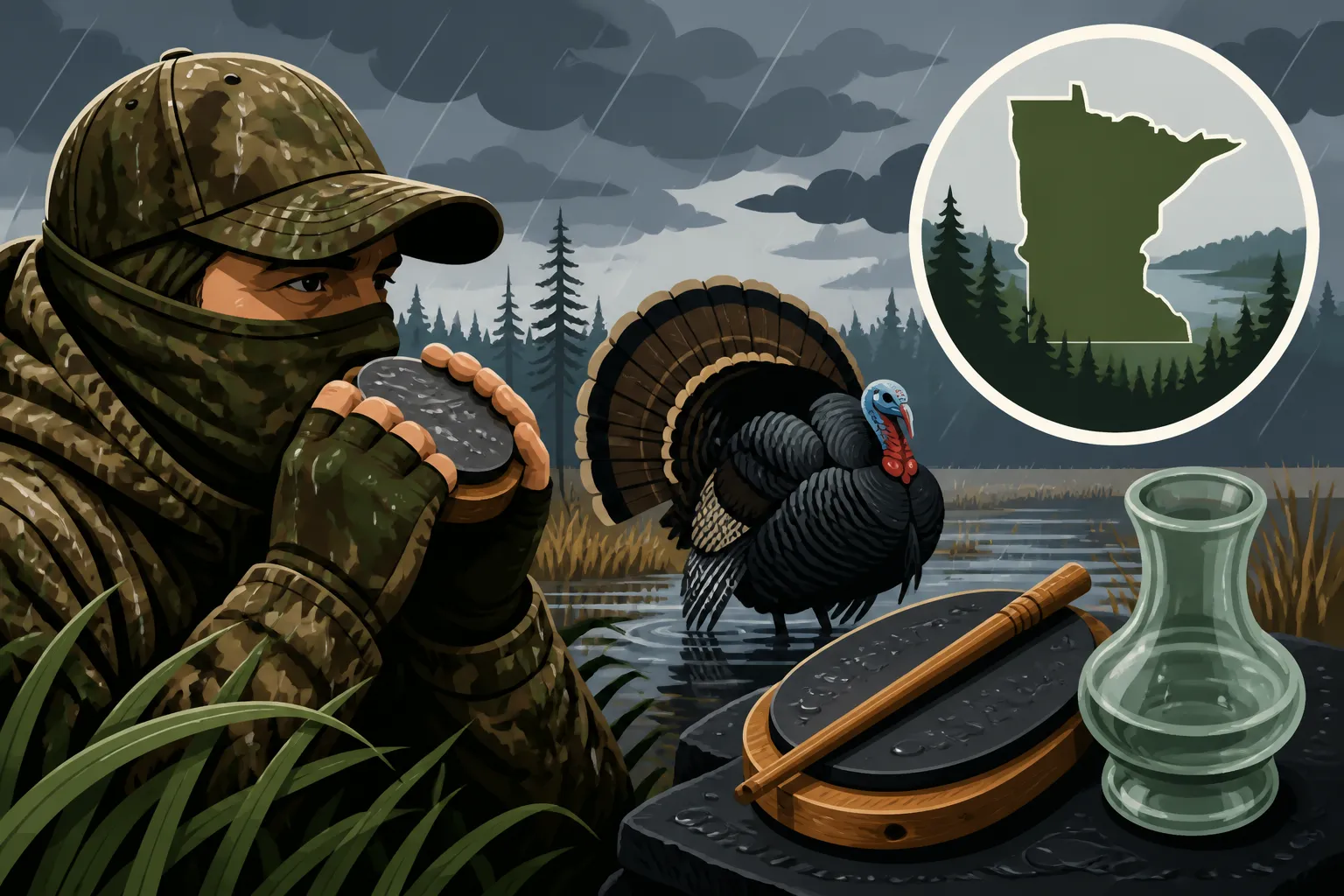
Slate and Glass Calls in Wet Weather
There’s nothing quite as frustrating as waking up to a promising spring morning in Minnesota, hearing a gobbler sound off from the roost, and then having your trusty slate or glass call go completely silent the moment a heavy dew or unexpected drizzle hits. We’ve all been there, fumbling with a wet call, trying to get any sound out of it, only to produce nothing but a sad squeak or worse, dead silence. This guide is dedicated to helping you understand why these calls fail in wet weather and, more importantly, how to keep them singing when the skies aren't cooperating during your Minnesota turkey hunt.
Understanding the Problem: Why Wet Weather Kills Friction Calls
Friction calls, whether they're slate, glass, or even aluminum, rely on a very simple principle: a striker rubbing against a precisely tuned surface to create vibration and sound. When moisture, even just a little humidity, gets into that equation, it fundamentally changes the friction properties, leading to a host of problems that can quickly silence your bird-getting efforts.
The Enemy: Moisture on the Surface
Think about trying to run your finger across a windowpane when it's perfectly dry versus when it's covered in condensation. That's essentially what happens to your call. The microscopic texture of the slate or glass surface, which is designed to grab the striker and create sharp, distinct notes, becomes slick when wet. Water fills in those tiny imperfections, acting as a lubricant. Instead of the striker catching and vibrating, it simply slides, creating either no sound at all or a dull, muffled, and entirely unconvincing "yelp." This is especially true for slate, which can absorb moisture more readily than glass. You can find yourself in this situation quickly when Hunting an Early Turkey Period in Minnesota where spring rains are common.
The impact isn't just about total silence, either. Even a slight film of moisture can drastically alter the tone. That sharp, resonant cut you perfected in the living room suddenly sounds flat and unappealing. Gobblers, especially those pressured birds we often encounter on public land, are incredibly sensitive to unnatural sounds. A call that sounds "off" due to moisture can be just as detrimental as no call at all, perhaps even worse, as it might alert the bird to your presence without actually luring it in.
Chalk vs. Striker Condition
It's not just the call surface itself that suffers; your chalk and strikers are equally vulnerable. Most hunters use a piece of chalk on their slate call to enhance friction and improve sound quality. When this chalk gets wet, it turns into a paste. This paste then transfers to your striker, coating its tip in a muddy residue that makes it even harder to create friction. With glass calls, while chalk isn't typically used directly on the surface, a wet striker can still quickly gum up the glass, leaving streaks and losing its ability to bite.
Furthermore, many strikers are made of wood, and wood, as we know, swells and can become slick when wet. A striker that performs beautifully on a dry day might become an unresponsive stick in the rain. Carbon or synthetic strikers are generally less affected by moisture, but even they can struggle to create a decent sound if the call surface itself is compromised. It’s a cascading effect: wet chalk, wet striker, wet call surface – a recipe for silence.
The Silent Killer: Humidity
Sometimes it's not even actively raining, but the air is just thick with humidity, particularly on those warm, misty spring mornings. This is the "silent killer" of friction calls. Humidity in the air condenses on the cooler surface of your call, creating that invisible film of moisture that robs it of its friction. It’s often more insidious because you might not immediately realize why your call isn't working. You might blame yourself or the bird, when in reality, the very air around you is sabotaging your setup.
High humidity is a common problem in the marshy, wooded areas where turkeys often roost, particularly along river bottoms or in low-lying areas in places like the Root River Valley. The call might sound good for a few minutes after you take it out, but as it equalizes with the ambient air temperature, the condensation builds, and the sound degrades. This is why a quick wiping might seem to help initially, but the problem keeps returning as long as the humidity persists.
Prepping Your Calls for the Predicted Drizzle
Understanding the problem is the first step; solving it requires proactive measures. You can't control the weather, but you can certainly prepare your gear to give yourself the best possible chance when things get damp. Thoughtful preparation can make all the difference between a productive morning and a frustrating one.
Essential Pre-Hunt Cleaning
Before you even step out the door, especially if there's any chance of moisture, give your calls a thorough cleaning. For slate calls, use a piece of fine-grit sandpaper (around 120-220 grit) or a specialized conditioning stone to roughen up the surface. This removes any accumulated oil, grime, or old chalk and exposes fresh, grippy slate. For glass calls, a Scotch-Brite pad or fine sandpaper works wonders to scuff up the surface and restore its bite. You might think, "I just used it last week," but even a few days can allow oils from your hands or dust to settle, which will exacerbate moisture issues.
Don't forget your strikers! Use the same fine sandpaper to scuff the tips of your wooden strikers. This ensures they can properly grip the call surface. Carry a small piece of sandpaper or a conditioning stone in your vest specifically for mid-hunt touch-ups. This proactive cleaning, combined with careful handling in the field, is crucial. If you're Scouting Minnesota Public Land Before Season, it's also a good time to observe where the birds are roosting and what kind of weather patterns are typical for that specific area, so you can choose your calls accordingly.
Waterproofing Your Setup
While you can't truly waterproof a friction call without ruining its sound, you can certainly protect it from direct exposure. Many hunters carry their friction calls in specialized pouches or plastic baggies to shield them from rain or heavy dew. A small, resealable plastic bag is a simple, lightweight solution. When not actively calling, keep the call and striker tucked away in your vest or pocket, inside this protective layer. Some vests even have dedicated, waterproof pockets for calls.
Consider using a small, zippered dry bag specifically for your calls. It keeps them safe from moisture and also prevents them from clanking around with other gear. When you need to call, pull it out, make your sequence, and then quickly tuck it back away. This might seem like an extra step, but it's far less time-consuming than trying to salvage a soaked call when a gobbler is in range. For really persistent dampness, some hunters even put a small desiccant packet (like those found in shoe boxes or vitamin bottles) into their call pouch, though this is a more extreme measure.
Choosing the Right Striker for Damp Conditions
Not all strikers are created equal when it comes to wet weather performance. Wooden strikers, while fantastic in dry conditions, are often the first to fail when moisture hits. Their tips absorb water, swell slightly, and lose their ability to create friction. This is where synthetic or carbon strikers truly shine. Carbon strikers, in particular, are much less affected by moisture and can often get a serviceable sound out of a slightly damp slate or glass surface where a wooden striker would just slide.
It’s always a good idea to carry at least two or three different strikers with you, including one carbon or synthetic option, especially if rain is in the forecast. Even if you prefer the sound of a wooden striker, having a moisture-resistant backup can save your hunt. Practice with your different strikers in various conditions so you know what sounds to expect from each. This way, when you’re out Hunting the Minnesota Rut in Early November (for deer, but the principle of preparing for weather applies) or a damp spring turkey morning, you’re not fumbling with an unfamiliar tool.
Tactics for Using Slate and Glass in the Rain
Even with the best preparation, you’re going to encounter situations where your calls get damp. The key is to have strategies to mitigate the effects and get a sound out when it matters most. Adapting on the fly is a critical skill for any Minnesota hunter.
Finding Shelter and Creating a Dry Space
When the rain starts, your first priority (after taking cover yourself, of course) should be to protect your calls. Seek out natural shelter like thick pine boughs, the underside of a large fallen log, or even dense hazel brush. If you’re in a ground blind, that’s ideal, but many public land hunters are often caught out in the open. A small umbrella, deployed quickly, can also offer surprising protection for your calls, even if it makes you a bit more visible.
Beyond just covering your calls, try to create a small, dry workspace. This might mean clearing a spot on the ground under your shelter, wiping down a flat rock, or even using a small piece of cloth or a bandana as a temporary dry pad. The goal is to keep your call and striker from coming into direct contact with any wet surfaces. Every little bit of dryness you can maintain for your call will improve its performance.
Regaining Friction on the Fly
So your call surface is damp, and you need to get a gobbler to commit. What now? This is where your small piece of sandpaper or conditioning stone comes into play. If it's a slate call, carefully scuff the surface and then rub some fresh chalk onto it. If it’s glass, a quick rub with a Scotch-Brite pad or sandpaper will often dry and roughen the surface enough to get some sound. Crucially, wipe the surface dry before you scuff it. Trying to scuff wet glass or slate just creates a muddy mess.
The same goes for your striker. If your wooden striker is wet and slick, a quick rub with sandpaper on its tip can often dry it out and restore its grip. Some hunters also carry a small piece of fine steel wool for this purpose. It’s all about restoring that essential friction. This quick maintenance can be done discreetly and efficiently, ensuring you're ready when that tom gobbles again. When using scouting tools like GoHunt, look for terrain features that might offer better drainage or thicker cover in wet conditions, which can help you stay drier and keep your calls more functional. For instance, knowing where high ground or dense coniferous stands are located can guide your setup.
Backup Options When All Else Fails
Sometimes, despite your best efforts, friction calls just won't cooperate in a deluge. That’s when having backup calls is absolutely essential. A good diaphragm or mouth call is your ultimate wet-weather friend. They are completely impervious to moisture, requiring only the warmth and air from your mouth to operate. Every turkey hunter should carry at least one, if not several, diaphragm calls for this very reason. They are small, lightweight, and can produce a wide range of realistic sounds without any concern for humidity or rain.
Another solid backup is a box call. While some box calls can get dampened, many are designed with a lid that sheds water reasonably well. If the lid and paddle stay relatively dry, you can still get decent sound from them. Just be sure to wipe them off before and after use, and keep them protected in a waterproof bag or pocket when not in use. Having a variety of Turkey Calls Worth Carrying in Minnesota means you're prepared for any weather condition, ensuring you can keep communicating with those elusive longbeards.
Post-Hunt Care to Keep Them Singing
The hunt isn't over when you punch your tag; proper care of your calls afterward is just as important as pre-hunt preparation, especially after they've been exposed to moisture. Neglecting post-hunt care can lead to permanent damage and reduced performance down the line.
Thorough Drying and Cleaning
As soon as you get home, take all your friction calls out of your vest and thoroughly dry them. Don't just wipe the surface; allow them to air dry completely. If you have a damp slate call, you might even consider letting it sit in a warm, dry place for several hours, or even overnight, to ensure all the absorbed moisture has evaporated. For glass calls, a quick wipe with a clean cloth should suffice, but make sure there are no lingering water spots.
Once dry, give them a good cleaning. Re-scuff the surfaces with sandpaper or a conditioning stone to remove any chalk residue or watermarks. This ensures the call is fresh and ready for your next outing. Clean your strikers too; sandpaper on wooden strikers will dry them and remove any grime. For carbon or synthetic strikers, a quick wipe-down is usually all that's needed. This is also a good time to inspect for any damage, like chips in the slate or cracks in the glass, which can happen with rough handling in the field.
Storage Solutions for Longevity
How you store your calls when not in use can significantly impact their lifespan and performance. Always store friction calls in a dry environment. A cool, dark place is ideal. Many hunters use dedicated call boxes or cases that keep their calls separated and protected. Avoid storing them in your hunting vest if it's going to sit in a damp garage or unheated shed, as residual moisture could lead to mold or mildew on wooden parts, or corrosion on metal parts.
When storing, consider keeping your strikers separate from your call surfaces. This prevents any accidental scratching or wear over time. If you use chalk, keep the chalk separate in a small baggie as well, so it doesn't rub off on other gear or get damp. Proper storage ensures your calls are in pristine condition the next time you head out for Spring Turkey Hunting in Minnesota.
When to Replace Your Call Surfaces
Even with the best care, friction call surfaces don't last forever. Over many seasons of scuffing, calling, and exposure to the elements, the texture of slate and glass can start to wear down, becoming smoother and less responsive. If you find yourself constantly re-scuffing your calls, and they still aren't producing the rich, consistent sounds they once did, it might be time for a replacement.
Look for signs of excessive wear: deep grooves from a striker, large smooth patches that won't roughen up anymore, or chips and cracks around the edges. For slate calls, if the sound becomes permanently flat or tinny, it's probably seen better days. For glass, if it sounds dull even when perfectly clean and dry, the molecular structure of the surface might just be too polished from repeated use. Investing in a new call surface every few seasons, especially for your favorite producers, is a small price to pay for reliable performance when that big gobbler steps into range. And always remember to carry proof of your Minnesota Spring Turkey License Cost when you are out in the woods!
| Call Type | Surface Material | Striker Material | Wet Weather Performance | Dry Weather Performance | Maintenance in Field |
|---|---|---|---|---|---|
| Pot Call | Slate | Wood | Poor (absorbs water) | Excellent | Sandpaper/Chalk |
| Pot Call | Glass/Crystal | Wood | Fair (slick when wet) | Excellent | Scuff Pad |
| Pot Call | Slate | Carbon/Synthetic | Fair (surface still affected) | Good to Excellent | Sandpaper/Chalk |
| Pot Call | Glass/Crystal | Carbon/Synthetic | Good (less affected) | Good to Excellent | Scuff Pad |
| Box Call | Wood | Wood | Fair (can swell/stick) | Excellent | Wipe Dry |
| Diaphragm | Latex/Tape | Mouth | Excellent (unaffected) | Excellent | Rinse Clean |
Disclaimer
This article is for general informational purposes only and does not constitute professional advice. Laws, prices and regulations vary by location and change over time. Consult a qualified professional for guidance on your specific situation.