Asking a Minnesota Farmer for Permission
The idea of knocking on a stranger's door to ask for permission to hunt can feel incredibly daunting, often leading to anxiety and missed opportunities. Many hunters, myself included, have stood on a farmer's porch, heart pounding, wondering if we'd be met with a friendly smile or a slammed door. This guide is here to demystify that process, offering practical advice and a genuine approach to securing private land access in Minnesota, transforming those nervous moments into confident conversations.
Understanding the Minnesota Farmer's Perspective
Before you even think about stepping onto a farmer's property, it’s vital to put yourself in their shoes. Farmers are busy, often working from before dawn until after dusk, and their land is their livelihood. It’s not just a place where deer might roam; it's their investment, their retirement, and often, their family legacy. They deal with a lot, from crop prices and unpredictable weather to maintaining equipment and managing livestock.
Why Farmers Might Be Hesitant
Think about the downsides from a farmer's perspective. They might have had bad experiences in the past: hunters leaving gates open, driving through fields, littering, or even accidentally damaging property. There's also the constant worry about liability if someone gets hurt on their land. Many farmers have their own families who hunt, or they have already granted permission to close friends and relatives. The idea of adding more strangers to that mix, especially during high-pressure seasons like the firearm deer opener, can be a non-starter. They might also worry about disruptions to their livestock, damage to fences, or simply feeling overwhelmed by constant requests. Respecting these concerns, even before they voice them, is the foundation of a successful interaction.
What Farmers Value in a Hunter
On the flip side, many farmers understand the appeal of hunting and might even be hunters themselves. What they truly value is respect. They want someone who will treat their property like it’s their own, or better. Reliability, honesty, and good communication are huge. They appreciate hunters who ask about specific areas to avoid, who check in before and after hunts, and who are mindful of their operations. A hunter who offers a hand with a chore, like helping stack wood or mend a fence, even if the offer isn't accepted, speaks volumes about their character. Think of it as a potential partnership, not just a one-sided request. Being a good neighbor, even if you don't live next door, can open doors that others can't.
Preparation is Key: Research Before You Knock
You wouldn't show up to a job interview without doing your homework, right? The same goes for asking a farmer for hunting permission. A little legwork ahead of time can make all the difference, showing the landowner you’re serious and respectful of their time and property.
Identifying Potential Properties
This is where digital tools really shine. Gone are the days of just driving around looking for "No Hunting" signs. Now, you can use apps like onX Hunt or GoHunt to zoom in on aerial imagery and identify potential properties that might hold deer, pheasants, or turkeys. Look for features like standing corn, alfalfa fields, woodlots, creek bottoms, and thick cattail sloughs – all prime habitat. More importantly, these apps allow you to identify property boundaries and, in many cases, the landowner's name and address. This is invaluable. Knowing who owns the land means you can address them by name and send a letter of introduction before even showing up.
Consider these factors when identifying properties:
- Habitat Diversity: Does the property offer a mix of food, cover, and water?
- Proximity to Public Land: Sometimes, private parcels bordering public land can be overlooked goldmines, as animals often escape pressure there.
- Access Points: How would you access the property without disturbing the homeowner or farm operations?
- Crop Type: What's being grown? Corn, soybeans, alfalfa, and even fallow fields can attract different game. Hunting a Standing Cornfield in Farm Country requires different tactics than a timbered edge.
Pre-Visit Scouting and Information Gathering
Before you even think about knocking, do some low-impact scouting. Drive the perimeter roads, if possible, from a distance, and observe. Are there signs of deer activity, like rub lines or trails along field edges? Do you see pheasant cover or turkey roosting areas? Note any visible "No Hunting" or "Private Property" signs – those are clear indicators to move on.
You should also check local regulations. Understand the specific deer permit area the property falls within, and what licenses are required. It's always a good idea to be familiar with Minnesota Trespass and Permission Law so you know your rights and responsibilities, and can confidently answer any questions a landowner might have about legalities. Knowing the general deer population trends or specific challenges in that area (like CWD concerns if it's a CWD Management Zones in Minnesota area) can also show you’re informed.
| Information to Gather Pre-Visit | Why it's Important | Tools/Methods |
|---|---|---|
| Landowner Name & Address | Personalizes your approach; allows for a formal introduction. | onX Hunt, GoHunt, county plat maps |
| Property Boundaries | Ensures you ask about the correct parcel; shows you respect their property lines. | onX Hunt, Finding Minnesota Property Lines |
| Habitat Features | Helps you explain why you're interested in their land (e.g., "I noticed you have a nice woodlot bordering a creek"). | Aerial maps, road scouting, satellite imagery |
| Game Sign Observed | Demonstrates you've done your homework and aren't just blindly asking. | Road scouting, binoculars |
| Local Regulations | Shows you're a responsible hunter; helps address landowner concerns. | DNR website, hunting regulations booklet |
| Best Time to Visit | Avoids peak planting/harvest times; shows consideration for their schedule. | Local farm reports, general agricultural knowledge |
Timing Your Approach
Timing is everything. Avoid showing up during busy farming seasons like planting in spring or harvest in fall. These are incredibly stressful and time-sensitive periods for farmers. The shoulder seasons – late winter/early spring (before planting) or late summer/early fall (after small grain harvest, but before corn/soybean harvest) – are often best. A mid-day weekday visit might catch them during a break, but always be prepared to leave a note or come back if they're busy. Never approach them when they're actively working in a field; it's disruptive and shows a lack of consideration.
The Art of the Ask: Making a Good Impression
This is the moment of truth. How you present yourself and what you say can either open a door or slam it shut. Approach every interaction with respect, humility, and genuine sincerity.
Your Appearance and Demeanor
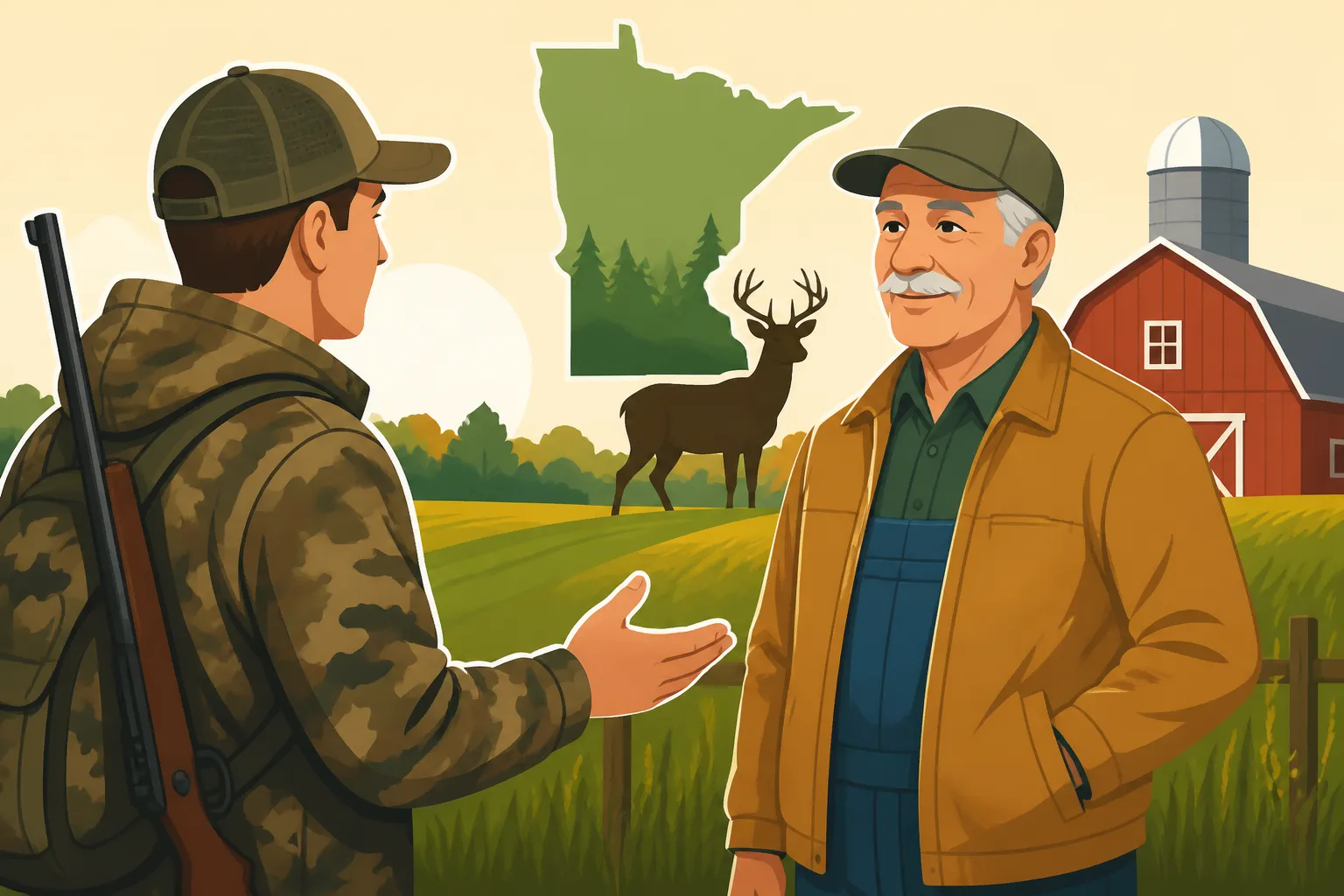
First impressions matter more than you might think. Don’t show up in your full camo hunting gear with a rifle slung over your shoulder. Dress neatly, in clean, casual clothes – something you'd wear to a family gathering or a casual meeting. Make sure your vehicle is clean, too. Your demeanor should be polite, friendly, and respectful. Introduce yourself clearly, make eye contact, and offer a firm handshake if they initiate. Speak calmly and clearly, and be prepared for either a "yes," a "no," or a "maybe." Always accept their answer gracefully, whatever it may be. Remember, you are a guest on their property, even if just on their porch.
Crafting Your Pitch
Keep your initial pitch concise and to the point. Start by introducing yourself and stating your intention: "Hello, Mr./Ms. Johnson, my name is [Your Name], and I was hoping to speak with you for a moment about the possibility of hunting on your land." Then, quickly explain why you chose their property. "I noticed your beautiful woodlot (or cornfield, or slough) along County Road 7, and it looks like fantastic habitat for deer (or pheasants, or turkeys). I’m an avid hunter who believes in ethical and responsible hunting, and I was wondering if you ever allow respectful hunters on your property."
Be ready to answer questions about your hunting experience, what species you’re interested in, and how you’d plan to access the property. Emphasize your commitment to safety, respecting boundaries, and leaving no trace. You might even mention using mapping apps like onX Hunt to ensure you always know property lines and can avoid driving on sensitive areas. If you have specific dates in mind, mention them, but also be flexible. Perhaps they only allow bow hunting, or late-season antlerless hunting. Be open to their conditions. Hunting Small Private Tracts in Minnesota often means adapting to specific landowner rules.
Addressing Concerns and Setting Expectations
Anticipate their concerns and be proactive in addressing them.
- Safety: "I'm a certified hunter safety graduate, always hunt responsibly, and am very aware of my surroundings, especially near homes or livestock." Mentioning Minnesota Hunter Safety Requirements can be helpful.
- Respect for Property: "I promise to close all gates, avoid driving in fields, take out any trash I generate, and respect your fences and any specific areas you want me to avoid."
- Communication: "I would always check in with you before I come out and let you know when I'm leaving. If I'm successful, I'll inform you right away."
- Other Hunters: "I understand you might have family or friends who hunt. I'd be happy to coordinate with you to ensure there's no overlap or interference."
Sometimes, a farmer might ask for a small fee or some venison in exchange for permission. Be prepared to discuss this, but don't offer it upfront. Let them set the terms. If they say no, thank them for their time and leave your contact information in case they change their mind or know someone else who might be open to it. A polite refusal can sometimes turn into an opportunity down the road.
Building and Maintaining the Relationship
Getting permission is a huge win, but it's only the first step. The real success comes from nurturing that relationship year after year. A good relationship with a landowner is a golden ticket in the hunting world.
Communication is Key
Once you have permission, maintain open lines of communication. Before each hunt, send a quick text or make a brief call: "Hi Mr./Ms. Johnson, this is [Your Name]. Hope you're having a good week. I was thinking of coming out to hunt the woodlot on Thursday morning, if that works for you. Let me know!" This keeps them in the loop and prevents any surprises. If you harvest an animal, inform them promptly. "Just wanted to let you know I was able to harvest a nice doe this morning. Thanks again for the opportunity!"
If you see something amiss on their property—like a downed fence, suspicious activity, or even an injured animal—let them know. This demonstrates you're looking out for their interests, not just your own. A hunter who offers this kind of proactive communication is invaluable.
Being a Good Steward of Their Land
Act as if the land is your own, or even better.
- Leave No Trace: Pack out everything you pack in. No trash, no spent shell casings, no broadhead packaging.
- Respect Crops and Livestock: Stay out of active crop fields unless explicitly told otherwise. If you're Hunting a Standing Cornfield in Farm Country, be extra careful. Give livestock a wide berth. Close all gates behind you.
- Adhere to Rules: Stick to the specific areas and conditions they laid out. If they said no ATVs, then walk. If they said no hunting near the house, respect that.
- Offer Help: Periodically offer to help with chores. "I've got a free afternoon next weekend, is there anything I could help you with around the farm? Fences, stacking wood, anything?" Even if they decline, the offer itself strengthens the bond. Many hunters have found that helping with chores is often more valuable than any money you could offer, and it shows genuine appreciation.
Showing Your Gratitude
Don't underestimate the power of a thank you. A handwritten thank-you note after the season is a personal touch that stands out. A small gift around the holidays – perhaps a gift basket, some local produce, or even some venison jerky from your harvest – can go a long way in showing appreciation. For hunters who get tags in Minnesota Landowner Deer Permit Rules areas, remember that you benefit directly from their land.
Remember, access to private land is a privilege, not a right. By understanding a farmer's perspective, preparing thoroughly, making a respectful and honest pitch, and then diligently maintaining that relationship, you can unlock incredible hunting opportunities and forge lasting friendships in Minnesota's rich hunting landscape. It takes effort, but the rewards are well worth it.
Disclaimer
This article is for general informational purposes only and does not constitute professional advice. Laws, prices and regulations vary by location and change over time. Consult a qualified professional for guidance on your specific situation.