Southwest Minnesota Prairie Wildlife Areas
For many hunters, the thought of finding quality public land in southwest Minnesota feels like searching for a needle in a haystack. With vast stretches of private farmland dominating the landscape, it’s easy to feel overwhelmed by the lack of traditional big woods or sprawling national forests. This guide is here to cut through that frustration, illuminating the hidden gems of Southwest Minnesota's Prairie Wildlife Areas and equipping you with the knowledge to make the most of these unique and productive hunting grounds.
The Unique Landscape of Southwest Minnesota's Prairie Wildlife Areas
Southwest Minnesota, often characterized by its expansive agricultural fields, holds a secret wealth for hunters: its prairie wildlife areas. These aren't your typical sprawling forests; instead, they are pockets of managed habitat designed to restore and mimic the region's historical prairie landscape. Understanding this unique environment is the first step to successful hunting.
A Mosaic of Habitat Types
Unlike the continuous canopy of northern forests, these prairie wildlife areas are a patchwork. You'll find diverse habitat features crammed into often smaller, fragmented parcels. This mosaic includes restored native prairie grasses, dense cattail sloughs, scattered brush, and shelterbelts of trees planted for windbreaks and wildlife cover. Each element plays a crucial role in supporting various game species, from the pheasants that famously call these areas home to white-tailed deer seeking bedding and thermal protection. You might be hunting a vast expanse of switchgrass one moment and then encounter a narrow strip of mature oaks along an old fence line the next.
These areas are critical for wildlife in an otherwise intensively farmed landscape. They provide vital nesting cover, escape routes, and food sources, especially during the harsh Minnesota winters. The varied topography, even if subtle, creates microclimates and shelter, which animals instinctively seek out. Understanding how these habitat types are distributed within a given WMA allows you to predict game movement and focus your hunting efforts efficiently.
Grasslands, Wetlands, and Tree Rows
The backbone of southwest Minnesota's prairie WMAs are the grasslands. These can range from short-stature cool-season grasses to towering native prairie species like big bluestem and switchgrass, which can grow well over your head. These dense stands provide incredible cover for pheasants, rabbits, and even bedding deer. Interspersed among these grasslands are critical wetlands. These often manifest as cattail sloughs, which can be impenetrable thickets of marsh grass and water, offering thermal cover in winter and crucial refuge during hunting pressure. They are absolute magnets for pheasants and often hold deer throughout the season.
Finally, you'll encounter tree rows, sometimes called shelterbelts or hedgerows, often planted along property lines or as windbreaks. While not extensive forests, these linear features can be deer highways, connecting different pockets of cover and food. They also provide crucial roosting and loafing cover for turkeys and thermal protection for many species during blizzards. Hunting these edges effectively means understanding how game uses them to travel safely between cover and feeding areas. Don't underestimate a thin line of old cedars; it can hold more wildlife than you'd imagine.
Primary Game Species in Southwest WMAs
When you think of hunting in southwest Minnesota, pheasants usually come to mind first, and for good reason! However, these prairie wildlife areas offer a surprising diversity of hunting opportunities beyond just the ringneck. Knowing what to expect will help you tailor your strategy and gear.
Pheasants: The King of the Prairie
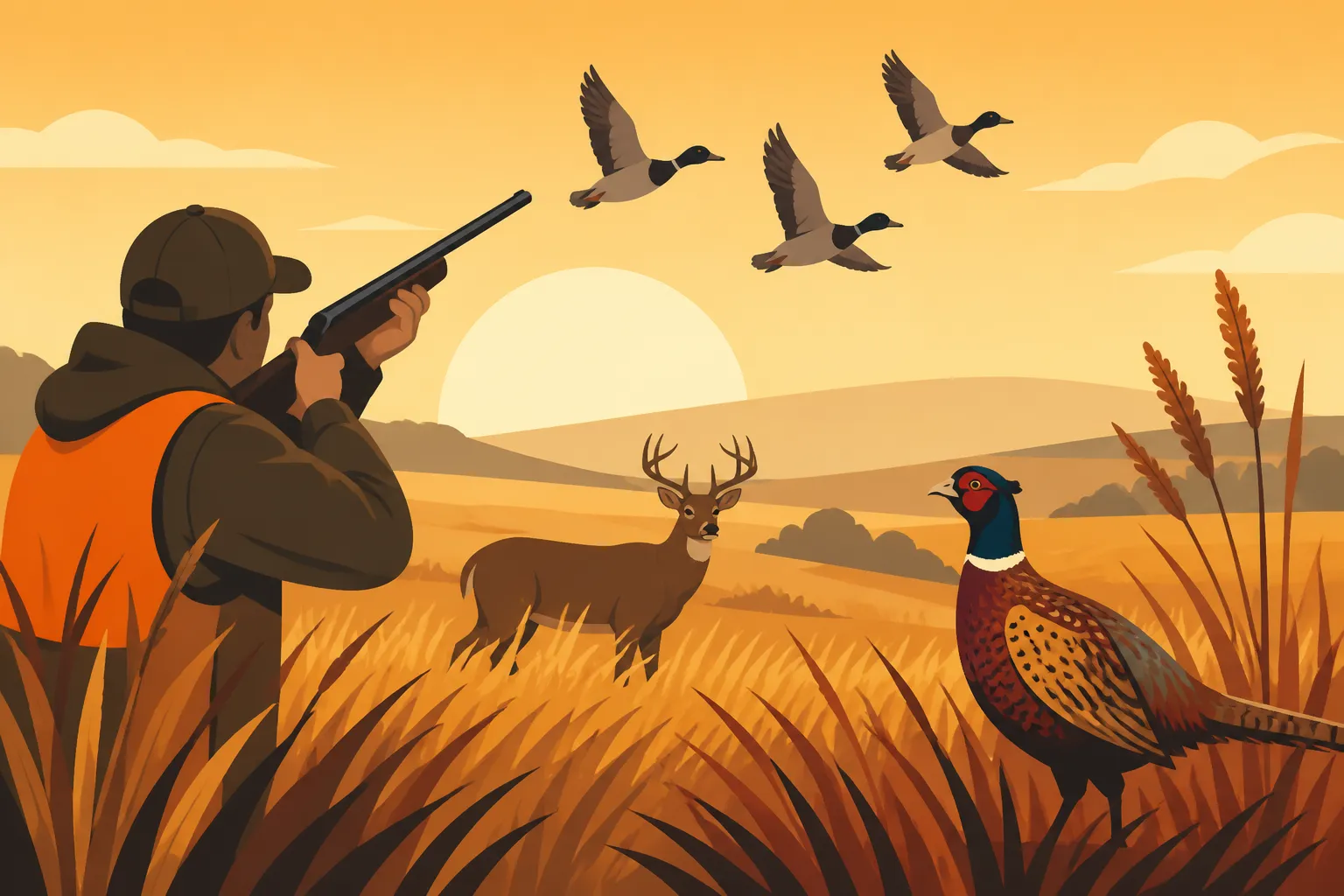
Without a doubt, pheasants are the crown jewel of hunting in southwest Minnesota. The managed grasslands, food plots, and dense cattail sloughs within WMAs are specifically designed to be prime pheasant habitat. After a long season of hunting in the big woods up north, it's a completely different experience to be chasing roosters across open country. Their explosive flush and vibrant plumage make them an exhilarating quarry, and a successful pheasant hunt often means teamwork, whether with hunting partners or a good bird dog. These birds are tough, though, and they know every trick in the book for escaping pressure.
To truly connect with pheasants, you need to understand their daily patterns. They'll often feed in surrounding agricultural fields in the morning and evening, then retreat to dense cover in the WMAs during the day for loafing and protection. Later in the season, when snow hits, they gravitate towards the thickest thermal cover available, often deep in cattail marshes or dense shelterbelts. Hunting a slough edge, for example, can be incredibly productive, especially if you have blockers downwind. Pheasant Hunting a Slough Edge can provide specific insights into this tactic. Remember, a good dog is almost essential for recovering birds in the thick cover these areas provide.
White-Tailed Deer: Adapting to the Open
While southwest Minnesota isn't known for the dense deer populations found in the northern forests, don't underestimate the whitetail opportunities within these prairie wildlife areas. Deer in this region have adapted to the more open landscape, becoming incredibly adept at using even sparse cover to their advantage. They will seek refuge in the same dense cattail sloughs and tall grasslands that pheasants favor, often bedding down right in the middle of what looks like open country. The tree rows and shelterbelts, while linear, serve as vital travel corridors and concentrated bedding areas, especially during the firearm season when pressure is high.
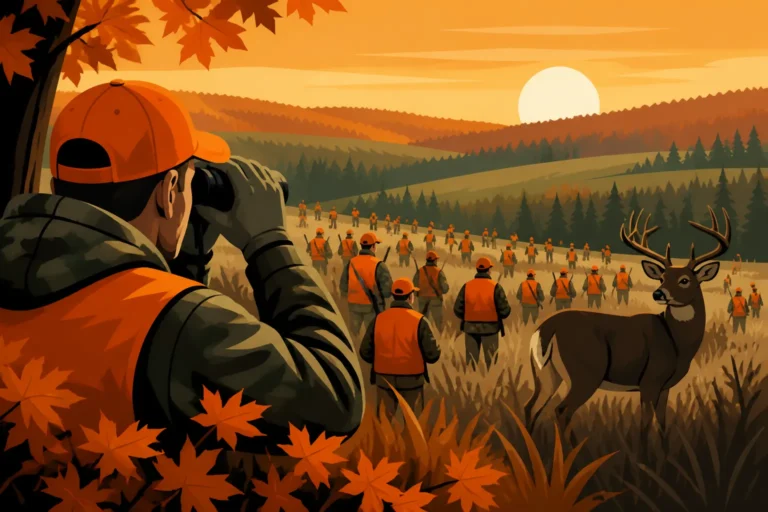
Hunting deer in these areas requires a different approach than in traditional timber. Spot-and-stalk can be effective in some situations, especially if you can get a high vantage point to glass. However, often it involves strategically positioning yourself along known travel routes between bedding cover and food sources, or carefully still-hunting the edges of dense sloughs. Understanding Hunting a Standing Cornfield in Farm Country can be highly relevant, as many WMAs are adjacent to or incorporate cut crop fields that attract deer. Late season hunts, especially during the muzzleloader weeks, can be excellent as deer concentrate on remaining food sources and seek thick thermal cover to escape the cold.
Waterfowl and Small Game: Added Opportunities
Beyond pheasants and deer, many of southwest Minnesota's prairie wildlife areas offer fantastic opportunities for waterfowl and a variety of small game. The wetlands and sloughs within these WMAs are critical stopovers and breeding grounds for ducks and geese along the Mississippi Flyway. You'll find everything from mallards and wood ducks to various divers using these waters, especially during the early and mid-fall migrations. Many WMAs are specifically managed with potholes and impoundments to enhance waterfowl habitat.
For small game hunters, rabbits and squirrels are abundant. Cottontails thrive in the brushy edges and old farmsteads often found within or adjacent to WMAs, while fox squirrels can be found in the scattered mature trees along shelterbelts and creek bottoms. These species offer an excellent way to extend your time afield after the bird limits are met or to introduce new hunters to the sport. Consider Rabbit Hunting Thick Minnesota Brush for tactics relevant to this type of habitat. Early fall offers a chance to hunt squirrel before the leaves fall, and late winter is prime for rabbits against the snow.
| Game Species | Primary Habitat in SW WMAs | Best Hunting Periods | Notes |
|---|---|---|---|
| Pheasant | Tall native grasses, cattail sloughs, food plots, shelterbelts | Early Fall (opener) through Late Season (snow) | Best with a dog; focus on dense cover, field edges. |
| White-tailed Deer | Cattail sloughs, dense grass, tree rows, adjacent crop fields | Archery (rut), Firearm (cover), Muzzleloader (cold) | Adapt to open country; use cover for bedding/travel. |
| Waterfowl | Potholes, impoundments, sloughs, larger marsh areas | Early Fall (teal/geese), Mid-Fall (main duck migration) | Scout water bodies; use decoys for ducks/geese. |
| Rabbit (Cottontail) | Brushy edges, old farmsteads, shelterbelts, thickets | Fall & Winter (especially after snow) | Good for walking with a shotgun or small-bore rifle. |
| Squirrel (Fox) | Deciduous tree rows, woodlots, mature trees along water | Early Fall (leaves on) through Winter | Look for cuttings under oaks and hickories. |
Navigating Access and Rules for Prairie WMAs
Hunting public land is always about preparation, and in southwest Minnesota's prairie wildlife areas, understanding access points, boundaries, and specific rules is absolutely paramount. These parcels are often surrounded by private land, making careful navigation essential to stay legal and respectful.
Finding and Identifying WMA Boundaries
One of the biggest challenges in southwest Minnesota is that public land, particularly WMAs, can be fragmented and surrounded by private agricultural fields. It's easy to accidentally step onto private property if you're not paying close attention. This is where modern technology becomes your best friend. Tools like the onX Hunt app are invaluable. They overlay public and private land boundaries directly onto your phone's GPS map, allowing you to see exactly where you are in relation to WMA lines, private parcels, and even property owner information. This takes the guesswork out of navigating unfamiliar areas and helps you avoid frustrating, or even illegal, trespass situations.
Before you even leave home, spend time studying aerial photos and plat maps. The Minnesota DNR's Recreation Compass map tool is another fantastic resource for initial scouting. Pay close attention to roads, trails, and access points. Some WMAs might only have limited parking areas, while others might require you to park along a county road and walk in. Always look for signage marking WMA boundaries; while helpful, they can sometimes be sparse, making your map app even more critical. Having a clear understanding of the boundaries will help you plan your entry and exit routes and ensure you stay within legal hunting areas.
Understanding WMA-Specific Regulations
Beyond statewide hunting regulations, individual Wildlife Management Areas can sometimes have specific rules regarding vehicle access, camping, or even hunting methods. While most WMAs broadly follow state law, it's always smart to check the DNR's website or local WMA kiosks for any site-specific signage or regulations. For instance, some WMAs might prohibit ATV use, while others might allow it on designated trails. Minnesota Wildlife Management Area Basics offers a good overview of WMA management, but always cross-reference for the specific WMA you plan to visit.
Generally, you can expect some consistent rules across WMAs: no permanent stands or blinds (temporary setups must be removed daily or within a specified short period), no baiting of deer, and strict adherence to game registration processes. Always be aware of safety zones around occupied dwellings. Since many WMAs are close to farmsteads, respecting these boundaries is not just legal, but critical for maintaining good landowner relations. A quick check of the DNR's online WMA finder will often provide links to specific unit rules, ensuring you're fully compliant before heading afield.
Essential Tactics for Hunting Southwest Prairie
Hunting the prairie wildlife areas of southwest Minnesota calls for a different set of tactics than stalking deer in the Northwoods or calling turkeys in bluff country. The open nature of the land and the distinct habitat features demand a strategic and often physically demanding approach.
Working the Edges and Pockets
In a landscape defined by its fragmentation, hunting the edges becomes incredibly important. Think about every transition zone: where a tall grass prairie meets a cut cornfield, where a cattail slough gives way to a brushy draw, or where a tree row runs alongside a harvested soybean field. These edges are natural travel corridors and congregation points for game. Pheasants will run these edges, deer will use them for cover as they move between bedding and feeding, and even rabbits will stick to them for quick escape.
When hunting pheasants, systematically working these edges with a line of walkers and a dog can be very effective. Push birds towards a blocking line or into a denser cover patch where they're more likely to flush. For deer, setting up a ground blind or a portable stand along a strategic edge, especially one connecting a thick WMA bedding area to a known food source, can yield excellent results. Pay attention to wind direction, as the open landscape means your scent can carry far. Using a Ground Blind on Minnesota Public Land can be highly beneficial for hunting these field and cover edges, offering concealment where natural cover might be sparse.
Strategic Use of Dogs for Upland Birds
For pheasant hunting, a well-trained dog is not just an asset; it's practically a necessity. The dense cover of tall prairie grasses and cattail sloughs can swallow a downed bird whole, making recovery nearly impossible without canine assistance. A good flushing dog, like a Springer Spaniel or a Labrador Retriever, will systematically work the cover, pushing birds ahead and then retrieving them once shot. Pointers, such as German Shorthairs or Brittanys, excel at locating birds and holding them for the flush, adding another dimension to the hunt.
Even for smaller game like rabbits, a good dog can make a huge difference, pushing them out of thick briar patches and into shooting lanes. Remember to ensure your dog is well-conditioned for the often-strenuous work of pushing through dense cover, especially on warmer early season days. Provide plenty of water and check for burrs and foxtails regularly. Moreover, always be mindful of other hunters and give them space. A well-behaved hunting dog is a joy in the field and contributes significantly to both success and ethical hunting.
Adapting to Weather and Pressure
Southwest Minnesota weather can be incredibly unpredictable, often swinging from mild autumn days to brutal winter blizzards. These extremes significantly influence game behavior and your hunting tactics. Early season pheasant hunts might involve warm, dry conditions, meaning birds will be spread out and potentially holding tight in cooler, denser cover. Later in the season, heavy snow can concentrate pheasants in cattail sloughs and thick shelterbelts, making them easier to locate but harder to flush if they're holding extremely tight. Late-Season Pheasant Tactics in Deep Snow provides valuable insights into these conditions.
Hunting pressure is another major factor on WMAs. On opening weekends, these areas can see a lot of activity. Smart hunters often find success by venturing deeper into the WMA, away from easy access points, or by hunting during weekdays when crowds are lighter. Game quickly learns where the pressure is and will seek refuge in the nastiest, thickest cover available. Being willing to walk further, or even wading into a partially frozen slough, can be the key to finding unpressured animals. Always be aware of your surroundings, wear plenty of blaze orange, and communicate clearly with your hunting partners.
Maximizing Your Success with Scouting and Tech
In the world of prairie hunting, the hunter who scouts effectively and leverages modern technology is often the most successful. These areas aren't always about vast wilderness; they're about intricate details and understanding how game uses smaller, fragmented landscapes.
Pre-Season Digital Scouting
Before you even step foot in a southwest Minnesota WMA, you can do an incredible amount of scouting from the comfort of your home. Start with online mapping tools like the DNR's Recreation Compass or a subscription service like onX Hunt. These platforms allow you to pour over aerial imagery, identify potential access points, mark dense cover, locate food plots, and pinpoint areas where different habitat types converge. Look for patterns: where are the thickest cattail sloughs? Which tree lines connect different pieces of cover? Where are the closest crop fields that might serve as food sources?
Digital scouting helps you narrow down areas worth physically visiting, saving you valuable time and boot leather. You can identify pinch points for deer, potential pheasant loafing areas, and even optimal locations for ground blinds. Scouting With the Minnesota Recreation Compass App can help you get started with this powerful tool. By understanding the lay of the land digitally, you can arrive at the WMA with a solid game plan rather than wandering aimlessly, increasing your chances of finding game right from the start.
On-the-Ground Reconnaissance
As helpful as digital scouting is, there's no substitute for getting boots on the ground. A pre-season walk-through of your chosen WMA is critical. Look for fresh tracks, droppings, and other signs of animal activity. Identify beaten-down game trails, especially along tree lines or leading into thick cover. Note where the densest patches of cover are, as these will be key holding areas for pheasants and deer. Walk the edges of sloughs to see how accessible they are and where birds might run.
Pay attention to any subtle changes in elevation or cover that might concentrate game. Even a slight rise in a field can serve as a travel corridor or a vantage point for a buck. Make mental notes, or better yet, drop pins on your GPS app, for good hiding spots, potential stand locations, or areas that look like prime flushing cover. Visiting a WMA a few weeks before the season opens allows you to observe how game uses the area without the pressure of hunting, giving you invaluable insights into their patterns.
Leveraging Mapping Technology
Beyond initial scouting, mapping technology like the onX Hunt app remains indispensable during the hunt itself. In fragmented prairie environments, it's incredibly easy to lose your bearings, especially when pushing through tall grass or dense sloughs. The real-time GPS tracking on your phone ensures you always know your exact location relative to WMA boundaries, marked features, and your hunting partners. This is crucial for staying legal and safe, preventing accidental trespass onto private land.
You can also use the app to mark fresh sign, the location of a flush, or a downed bird. This becomes incredibly useful when you need to backtrack or when coordinating with a hunting party. Sharing your location with hunting partners can also enhance safety, especially in areas where visibility is limited. For example, if you're planning a deer drive on public land, having everyone's position visible on a shared map ensures a safer and more effective push. Modern mapping apps have truly revolutionized how we hunt public lands, making them more accessible and safer for everyone.
Respecting the Land and Its Neighbors
Hunting in southwest Minnesota's prairie wildlife areas isn't just about the hunt itself; it's about being a good steward of the land and a respectful neighbor to the farming communities that surround these public parcels. The future of these hunting opportunities often depends on our collective behavior.
Minimizing Impact on WMAs
Public land is a shared resource, and it's our responsibility to leave it better than we found it. Always pack out everything you pack in, including spent shotgun shells, food wrappers, and any other trash. Avoid driving off designated roads or creating new trails, as this can damage sensitive habitat and create erosion. Be mindful of fragile ecosystems, particularly around wetlands and restored prairie. When field dressing game, take care to do so away from high-traffic areas and water sources.
Be aware of temporary restrictions or closures, such as those due to prescribed burns or habitat management projects. These closures are usually posted on DNR websites or at WMA entrances and are in place for good reason. Your cooperation helps ensure the long-term health and productivity of these invaluable hunting grounds. The more we respect these areas, the more robust and available they will remain for future generations of hunters.
Building Positive Landowner Relations
Many prairie wildlife areas are embedded within or directly abut private farmland. This proximity makes landowner relations incredibly important. Always know where public land ends and private land begins, using your mapping apps diligently. Never trespass, even accidentally. If a retrieve takes you onto private land, make sure you know Retrieving Game From Private Land in Minnesota rules and, ideally, secure permission from the landowner beforehand. A simple knock on the door, explaining your situation, can go a long way.
Be courteous to farmers working their fields. They are often out there during hunting season, and a wave or a friendly greeting can build goodwill. Don't block farm access roads or driveways, and be considerate with parking. Your actions reflect on all hunters, and maintaining a positive relationship with private landowners can help ensure continued access to public lands that might otherwise be seen as a nuisance. Good etiquette extends beyond the hunt itself and into the entire community.
Disclaimer
This article is for general informational purposes only and does not constitute professional advice. Laws, prices and regulations vary by location and change over time. Consult a qualified professional for guidance on your specific situation.