Minnesota Woodcock Singing Ground Surveys
Have you ever been walking through a damp, young aspen stand or a lowland alder thicket in early spring, just as the snow is melting, and heard that peculiar "peent" call followed by a whistling, spiraling flight? That's the unmistakable serenade of a male woodcock on its singing ground, and it's not just a beautiful natural phenomenon – it's a vital piece of a puzzle for wildlife managers trying to understand the health and trends of our woodcock population here in Minnesota. This guide dives deep into what these "singing ground surveys" actually entail, why they’re so crucial, and how understanding them can give you a better grasp on our beloved timberdoodles.
What Exactly Are Woodcock Singing Ground Surveys?
When we talk about woodcock singing ground surveys, we're not just referring to casual observations in the woods. These are highly organized, standardized scientific efforts designed to count the number of displaying male woodcock across specific routes. Think of it as a census for these unique migratory birds, happening when they're most vocal and visible during their breeding rituals. The goal is simple: to get a consistent snapshot of the breeding population year after year, allowing biologists to track trends and make informed decisions about conservation and hunting seasons.
The Spring Ritual: Peenting and Sky Dance
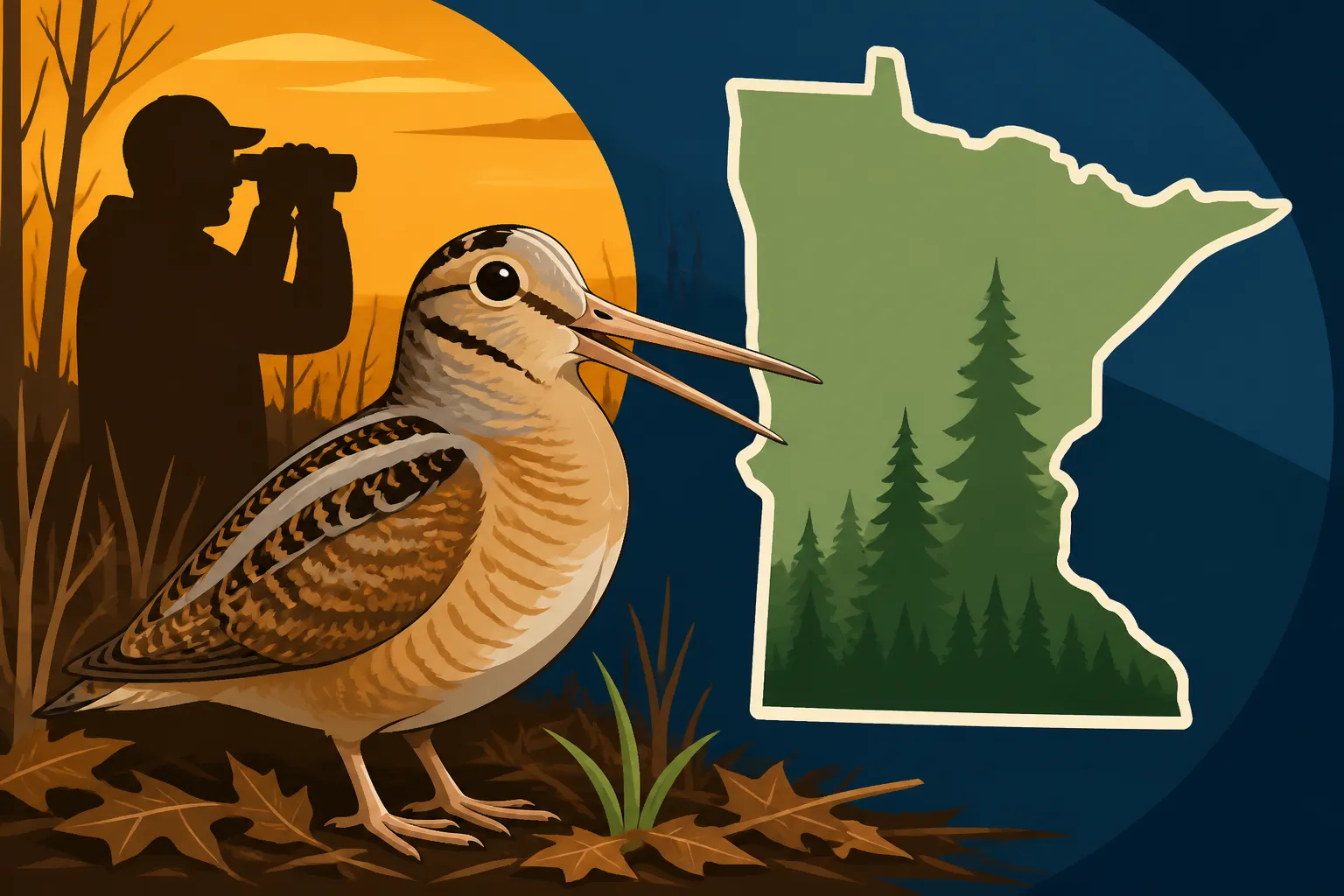
To truly appreciate the survey, you first have to understand the incredible display a male woodcock puts on. As soon as the snow melts and the ground thaws, usually in late March or early April in Minnesota, these quirky birds start showing up on their breeding grounds. Just as dusk settles, they emerge into small clearings or open spots, often right on the edge of denser cover, and begin their courtship ritual.
First, you'll hear a nasal, buzzy call – often described as a "peent" – repeated every few seconds from the ground. This "peenting" is the male's way of announcing his presence. Then, suddenly, he'll launch into the air, spiraling upwards on twittering wings, sometimes reaching hundreds of feet. He'll circle against the twilight sky, performing a series of liquid, gurgling chirps, before plummeting back to the earth in a zig-zagging descent, landing almost exactly where he started, ready to "peent" again. This entire performance, known as the "sky dance" or "nuptial flight," is what makes the male so detectable during the surveys. It's truly one of the most remarkable sights and sounds of a Minnesota spring, signaling the renewal of life after a long winter. This unique behavior is precisely why these surveys are so effective; it's a predictable, vocal, and visible display that allows for reliable counting.
Standardized Routes and Protocols
The magic of the singing ground surveys lies in their standardization. It’s not just a bunch of folks wandering around counting birds; it’s a meticulously planned operation. These surveys are conducted along fixed routes, typically 3.6 miles long, with 10 listening stops spaced evenly along each route. At each stop, observers listen for two minutes, recording every peenting male they hear. This happens at specific times, usually 20-30 minutes after sunset, when woodcock activity is at its peak.
The routes are often established along quiet roads or trails that pass through prime woodcock habitat—those damp, brushy areas, young aspen, and alder thickets that woodcock love. The surveys are conducted by trained volunteers, wildlife agency staff, and university researchers, all following the exact same protocol. This consistency is absolutely critical. Imagine trying to compare apples and oranges if every observer did things differently. By sticking to the script, year after year, region after region, the data becomes incredibly valuable. Weather conditions are also carefully considered; surveys are typically only conducted on calm, clear evenings with little to no wind and mild temperatures, as rain or strong winds can significantly reduce a woodcock’s willingness to perform or an observer’s ability to hear them. These routes are part of a larger, continent-wide effort, coordinated by the U.S. Fish and Wildlife Service, providing a broad picture of woodcock populations across their range.
Why These Surveys Matter for Hunters and Woodcock
It might seem like a lot of effort just to listen to some birds, but the data gathered from these singing ground surveys is absolutely invaluable. It forms the backbone of how wildlife managers in Minnesota and beyond understand the health of the woodcock population. For hunters, this translates directly into the decisions made about season lengths, bag limits, and overall management strategies. Without this consistent data, making those decisions would be like flying blind.
Tracking Population Trends Over Time
The primary reason for these surveys is to track long-term population trends. Are woodcock numbers increasing, decreasing, or remaining stable in Minnesota? The individual routes might show some year-to-year fluctuations due to local weather or other factors, but when you combine all the data from across the state and the entire Great Lakes region, a clearer picture emerges. Biologists look at the average number of peenting males heard per route. If that average starts to dip significantly over several years, it’s a red flag. Conversely, stable or increasing numbers are good news.
This trend data is crucial for conservation efforts. For example, if surveys indicate a decline, it prompts further investigation: Is it habitat loss? Changes in migration patterns? Increased predation? This information isn't just theory; it guides real-world management. It helps organizations like the Minnesota Department of Natural Resources (DNR) direct resources to protect and enhance critical woodcock habitat. The data from these surveys helps us understand Minnesota's Place on the Woodcock Flight within the larger migration picture.
Influencing Season Setting and Regulations
This is where the rubber meets the road for hunters. The singing ground survey data is one of the key pieces of information used by wildlife agencies, including the Minnesota DNR, to set hunting seasons and bag limits. It’s not the only factor, as harvest data from previous seasons and other biological indicators also play a role, but it’s a very important one because it directly measures the breeding population.
If the surveys indicate a healthy, stable population, then current season structures and bag limits are likely to remain consistent. However, if there’s a sustained downward trend, managers might consider more conservative regulations, such as shorter seasons or reduced bag limits, to help the population recover. This ensures that hunting remains sustainable and doesn't negatively impact the long-term health of the species. It's a delicate balance, trying to provide hunting opportunities while also safeguarding the resource for future generations. Understanding these surveys helps us appreciate the scientific rigor behind decisions on things like Minnesota Woodcock Season Dates and overall small game regulations found in Minnesota Small Game and Upland Bird Seasons.
Habitat Management Insights
Beyond just population numbers, these surveys also offer invaluable insights into woodcock habitat use. The routes themselves are often chosen because they traverse areas historically known to be good for woodcock. But when observers consistently hear birds on certain parts of a route and not others, it can highlight specific habitat types that are particularly important for breeding. Woodcock thrive in early successional forests – young forests, alder thickets, brushy fields, and timber cuts that are typically less than 20 years old.
If survey numbers are strong in areas where specific habitat management has occurred, such as aspen clear-cuts or prescribed burns that create ideal young forest conditions, it provides evidence that those management practices are working. Conversely, if numbers decline in certain areas, it might indicate habitat degradation or maturation beyond what woodcock prefer. This knowledge allows state agencies and private landowners to prioritize and implement effective habitat projects, ensuring there are always those critical patches of cover available for woodcock to breed, forage, and migrate through. For a hunter trying to find where the birds are, understanding this habitat preference is key to successful days afield, especially when targeting birds in specific areas like Woodcock Hunting Minnesota Alder Runs.
How Hunters Can Use (or Support) This Information
As a hunter, you might not be pouring over raw survey data, but understanding the general health of the woodcock population and the habitat they prefer can absolutely make you a more successful and conservation-minded outdoorsperson. Plus, there are ways you can directly contribute to these efforts, even if you’re not out there counting peenting males yourself.
Interpreting Survey Data for Better Hunting
While the detailed, route-specific survey results aren't typically published in real-time for public consumption, the general trends are often summarized by the DNR or federal agencies. Keeping an eye on these broader reports can help you understand the overall outlook for the upcoming season. If the surveys indicate a strong breeding year across the Great Lakes region, it suggests a healthy population from which Timing the Minnesota Woodcock Flight will emerge. This means more birds potentially migrating through Minnesota. If numbers are down, it might mean more challenging hunting conditions or a greater emphasis on conservation.
More practically, knowing where these surveys are conducted – in those specific types of young, damp, brushy habitat – should reinforce your own scouting efforts. When you're looking at maps, either paper maps or digital tools like those offered by GoHunt, you should be keying in on those low-lying areas, young aspen regrowth, and thick alder bottoms. These are the same places where biologists are finding woodcock, and they're often the same places you'll find them when it's time for Hunting Grouse and Woodcock Together in the fall. You can use these insights to focus your boots-on-the-ground scouting, looking for those tell-tale splashes of white woodcock droppings (known as "chalk") and small probings in the soft earth. Tools like GoHunt can help you overlay habitat maps and public land boundaries to identify promising areas.
A Typical Woodcock Survey Stop
To illustrate the conditions and focus, here's what a surveyor might record at a stop:
| Characteristic | Ideal Conditions for Survey | Not Ideal Conditions |
|---|---|---|
| Time of Day | 20-30 minutes after sunset | Before sunset, late at night |
| Temperature | Above freezing, mild to cool | Below freezing, extreme heat |
| Wind Speed | Calm (0-3 mph) | Strong winds (10+ mph) |
| Precipitation | Clear or partly cloudy, no rain | Rain, heavy fog, snow |
| Habitat Type | Young aspen, alder, brushy wetlands | Mature forest, open prairie, urban |
| Duration per Stop | 2 minutes of listening | Rushing through, extended listening |
| Male Woodcock | Peenting on the ground, sky dance heard | Silent, no activity |
This table highlights the precision required for reliable data collection. Any deviation can skew the results, which is why training and adherence to protocol are so important.
Volunteering and Citizen Science
Want to get directly involved? Many states, including Minnesota, rely on dedicated volunteers to help conduct these surveys. It's an incredible opportunity to spend time in the woods during a beautiful time of year, learn about woodcock, and contribute directly to wildlife conservation. You don't need to be a biologist; often, all that's required is a good ear, a willingness to be out after dark, and a commitment to following the protocol. Organizations like the Ruffed Grouse Society and state wildlife agencies often recruit volunteers for these efforts. It’s a fantastic way to develop a deeper appreciation for the species you hunt and to understand the real work that goes into managing them.
Even if you can't volunteer for a formal survey, every hunter who takes the time to accurately report their harvest and participation through official channels contributes to the bigger picture. Harvest data, combined with singing ground surveys, provides a comprehensive view of population health. When the DNR asks for information about your hunting efforts, filling it out completely and honestly is a form of citizen science in itself. Your experience in the field, knowing where to locate birds for Finding Woodcock in Alder Runs and understanding what makes for good habitat, is an invaluable contribution.
Finding Woodcock Habitat Based on Survey Knowledge
The insights from singing ground surveys confirm what many experienced woodcock hunters already know: these birds are particular about their habitat. They need those moist, young, regenerating woodlands where they can probe the soft soil for earthworms, their primary food source, and where thick cover provides protection from predators. When you're scouting for grouse, you're often in similar young forest types, and it's a great time to also keep an eye out for woodcock sign.
Focus on areas with moist soil, especially along stream bottoms, near beaver ponds, or in low-lying areas adjacent to higher ground. Look for stands of young aspen, alder, willow, or dogwood. These are the places where males will establish their singing grounds in the spring, and where you'll find both resident and migrating birds in the fall. Don't be afraid to walk those thick, tangled spots that others might avoid – woodcock love them. Leveraging an app that offers detailed satellite imagery, similar to what you'd use for Reading Aerial Photos for Big Woods Deer, can help you identify these specific cover types from above before you even set foot in the woods. This is another area where platforms like GoHunt can be particularly useful, allowing you to study potential habitat before you pack your Boots for Walking Minnesota Popple Cuts and head out.
Understanding Minnesota's woodcock singing ground surveys gives you a real appreciation for the scientific effort behind wildlife management. It connects the spring ritual of a "peenting" bird to the fall tradition of walking through alder runs with your shotgun. It's a reminder that hunting and conservation are deeply intertwined, and every piece of data, every observation, helps ensure a healthy future for these remarkable little game birds.
Disclaimer
This article is for general informational purposes only and does not constitute professional advice. Laws, prices and regulations vary by location and change over time. Consult a qualified professional for guidance on your specific situation.