Cougar Reports in Minnesota
Few things get a Minnesota hunting camp buzzing quite like a whispered rumor or a grainy trail camera photo of a cougar. It’s a creature that sparks both awe and a fair bit of skepticism, leaving many of us wondering: are cougars really making a comeback in the Land of 10,000 Lakes, or is it just a case of mistaken identity? This guide aims to cut through the speculation and provide clear, grounded information on confirmed cougar reports, their presence, and what they mean for those of us who spend time in Minnesota's wild places.
The Elusive Minnesota Cougar: Fact or Fiction?
For generations, the idea of a cougar roaming Minnesota's forests has felt more like a tall tale shared around a campfire than a verifiable fact. Yet, every so often, a new report surfaces, igniting debate and curiosity. This isn't just about a fleeting glimpse; it's about understanding the nuances of a species that technically was here, then wasn't, and now occasionally makes an appearance again. The sheer mystery surrounding these magnificent animals makes their presence, however brief, a truly captivating topic for anyone connected to the outdoors. It's a reminder that even in well-settled areas, true wilderness can still surprise us.
Historical Presence and Modern Sightings
Back in the day, cougars, also known as mountain lions or pumas, were indeed native to Minnesota. They roamed freely across the state, part of the natural predator-prey balance that existed before European settlement brought significant changes to the landscape. However, as settlement increased, accompanied by widespread hunting and habitat destruction, cougar populations dwindled drastically. By the early 1900s, they were largely considered extirpated from Minnesota, meaning they were no longer living here as a breeding population. The last confirmed breeding cougar in Minnesota was actually documented over a century ago.
Fast forward to today, and the conversation has shifted. While we don't have a resident breeding population, confirmed sightings have been happening with increasing regularity over the last couple of decades. These aren't just blurry photos or tracks in the mud; they are verified by wildlife officials, often through DNA evidence, clear photographs, or even deceased animals. These modern reports are overwhelmingly of transient individuals, typically young males dispersing from established populations in states to our west, such as the Dakotas. They're on a journey, often hundreds of miles from where they were born, seeking new territory. These confirmed wanderers have popped up in various parts of the state, from the agricultural fields of western Minnesota to the deep woods up north, even occasionally skirting the edges of more populated areas. It’s a testament to their incredible ability to travel vast distances and remain largely undetected.
The "Ghost Cat" Phenomenon: Why Reports Vary
The term "ghost cat" is apt for the cougar in Minnesota, given how rarely they're seen and how easily their presence can be misinterpreted. It’s no secret that many reported sightings turn out to be something else entirely. Deer hunters, especially those spending long hours in a Treestand Setups in Minnesota Hardwoods, often see fleeting movements or hear unfamiliar sounds that their minds try to identify. The sheer rarity of cougars here means that many people have never actually seen one in the wild, leading to misidentifications.
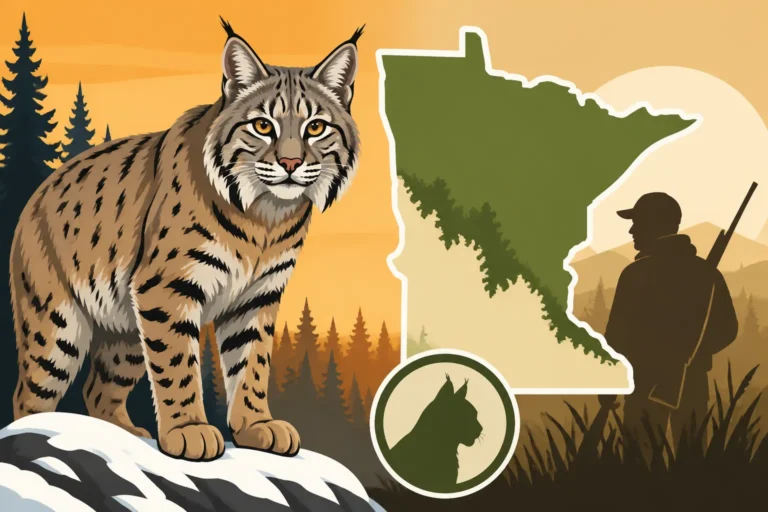
Common culprits for mistaken identity include large bobcats, which can look surprisingly long-bodied and tawny at a glance, especially a younger, lankier individual. Another frequent suspect is the domestic house cat, particularly if it's a large one, seen from a distance or in poor light. Even dogs, especially those with slender builds and long tails, have been confused for cougars. The unique combination of a cougar's tawny color, long rope-like tail with a dark tip, and powerful yet stealthy gait is distinctive once you know what to look for, but in a fleeting moment, under the canopy of trees or at dawn or dusk, it’s incredibly easy for our eyes to play tricks on us. This difficulty in confirmation is why official agencies stress the importance of clear evidence.
Confirmed Cougar Presence in Minnesota
When we talk about cougars in Minnesota, it’s crucial to distinguish between anecdotal reports and officially confirmed presence. The Minnesota Department of Natural Resources (DNR) has a rigorous process for verifying sightings, understanding that public curiosity is high, but factual accuracy is paramount. These confirmations are not just interesting tidbits; they provide valuable data on wildlife movement and dispersal patterns across the upper Midwest. It underscores how adaptable and wide-ranging these animals are, even in landscapes dramatically altered by human activity.
Tracking Methods and Confirmation Process
Confirming a cougar sighting isn't a simple "Yep, that's one!" Wildlife agencies rely on concrete evidence because of how easily these animals can be misidentified. The gold standard for confirmation often involves high-quality photographs or video footage where the animal's distinctive features are clear – its uniform tawny color, relatively small head, and most importantly, its long, thick tail which can be almost as long as its body. This tail is key, as bobcats have very short, stubby tails, and domestic cats, even large ones, generally have much thinner tails in proportion to their body.
Another critical piece of evidence is track identification. Cougar tracks are large, typically 3-4 inches long, roundish, and almost always lack claw marks because their claws are retractable (unless they're going uphill or pushing off quickly). This differentiates them from dog tracks, which usually show claw marks and have a more elongated, oval shape. When fresh tracks are found, plaster casts can be made, or detailed measurements and photos are taken for expert analysis. Sometimes, DNA evidence from scat, hair, or saliva on a kill can provide irrefutable proof. For hunters and outdoor enthusiasts using modern tools, a good mapping application like GoHunt can be invaluable for pinpointing where a sighting occurred and reviewing any historical information about wildlife activity in that particular grid or region. Such tools can help track patterns of unusual animal movements across various hunting areas.
Documented Movement and Dispersal
Over the past two decades, Minnesota has seen a steady, albeit low, number of confirmed cougar sightings. These confirmed instances illustrate a fascinating pattern: the animals are almost exclusively young males traveling great distances. They’re not necessarily setting up shop here, but rather passing through as part of a natural dispersal process from established populations further west. These journeying cats have been documented traversing vast stretches of the state. We’ve seen them pop up in the extreme west, near the Dakotas, as well as in the central farming regions, and even in the forested north.
The movements are often tracked for a period through trail camera captures or repeated sightings, giving wildlife officials a glimpse into their wanderings before they either move on or, unfortunately, are sometimes hit by vehicles. The paths they take often follow river corridors, extensive timber blocks, or even just general lines of least resistance, avoiding human habitation as much as possible. While there's no official tracking system for every individual, the cumulative data suggests a consistent influx of these adventurous animals into Minnesota's varied landscapes. It really highlights how far a determined wild animal can travel, sometimes crossing multiple state lines, much like how various Minnesota Waterfowl on the Mississippi Flyway follow distinct migratory routes.
The Role of Dispersing Young Males
It’s an interesting biological fact that the vast majority of confirmed cougars in Minnesota, and indeed throughout much of the Midwest, are young male cats. Why is this the case? It comes down to a fundamental aspect of cougar social structure and survival. When cougar kittens grow up, they eventually need to leave their mother's territory to establish their own. For females, this often means finding a territory adjacent to their mother's or a relatively short distance away. For young males, however, it's a very different story. Adult male cougars maintain large, exclusive territories, and they are fiercely territorial, especially towards other males.
This means that a young, maturing male cougar often has to travel a considerable distance to find an unoccupied territory where he can hunt, find mates, and avoid conflict with dominant older males. This dispersal drive pushes them out of established populations in places like South Dakota's Black Hills, leading them eastward. They are essentially pioneers, seeking new frontiers, often unknowingly crossing state lines and venturing into areas where cougars haven't been resident for over a century. Their journey is fraught with peril, from crossing busy roads to encountering human populations, which is why their presence in Minnesota is often transient and rarely results in a permanent stay or a breeding population.
Understanding Cougar Behavior and Habitat in Minnesota
If cougars are indeed passing through Minnesota, even if only rarely, it begs the question: what sustains them? What kind of environment would attract and support a large predator like this? The answers lie in understanding their basic ecological needs: food, cover, and a general aversion to human disturbance. Minnesota, with its diverse landscape, offers pockets that could certainly appeal to a transient cougar, even if it's not ideal for a long-term population.
Prey Availability and Habitat Preferences
For a cougar, survival boils down to one primary factor: deer. White-tailed deer are the cornerstone of a cougar's diet across North America. Wherever deer populations are healthy and abundant, cougars have a much better chance of thriving. Minnesota, thankfully, boasts a robust White-Tailed Deer Across Minnesota population, particularly in areas like the northern forests and the bluff country of the southeast. These areas offer a consistent food source for any cougar passing through.
Beyond food, cougars require extensive cover. They are ambush predators, meaning they rely on stealth and surprise to catch their prey. Dense timber, thick brush, rugged terrain, and deep ravines provide the perfect camouflage for stalking. Think about the thick cattail sloughs deer use for cover, or the dense conifer stands in the north — these are exactly the types of places a cougar would utilize. They prefer areas with minimal human activity, allowing them to move and hunt undisturbed. While they can and do adapt to some human presence, they are inherently reclusive and will seek out the wildest parts of the landscape available to them.
Potential Habitat in Minnesota
Considering their needs for ample deer and thick cover, several regions in Minnesota could hypothetically support a transient cougar, or even small, isolated populations if they ever established themselves. The vastness of the Big Woods in north-central and northeastern Minnesota, with its mixed conifer and hardwood forests, abundant deer, and low human population density, is prime candidate territory. Areas like the Superior National Forest or parts of the Chippewa National Forest offer immense tracts of relatively undisturbed habitat, perfect for a wide-ranging predator. This is the kind of ground where you might expect to find a cougar, given the amount of St. Louis County Public Hunting Acres and continuous cover.
Another significant area is the Bluff Country of Southeast Minnesota. This region, characterized by steep valleys, heavily wooded bluffs, and riverine environments, is known for its high deer densities and rugged topography. The extensive network of public lands, including various WMAs and State Forests, offers significant refuge. While more fragmented than the northern forests, the sheer ruggedness and cover could provide hiding places for a cougar. Less likely, but still possible, are the more fragmented woodlands and river corridors in the central and western parts of the state, especially those connecting to larger tracts of wild land in neighboring states.
Their Impact on Local Ecosystems
Given the incredibly low number of cougars passing through Minnesota, their overall impact on the local ecosystem is negligible. We're talking about a handful of confirmed animals over many years, not a thriving, breeding population. A single cougar, even if it stays for several months, will consume deer and other prey, but its take is statistically insignificant compared to the overall deer harvest by hunters, or natural mortality from harsh winters, disease, or other predators like Wolves and Predators in Minnesota.
If a breeding population were to establish itself someday – which is a very big "if" – then cougars would eventually become another important component of Minnesota's natural predator-prey system, helping to manage deer populations and potentially affecting other species. However, for the foreseeable future, their ecological role in Minnesota is more symbolic than substantial. They represent a rare glimpse of a species reclaiming some of its historical range, even if only temporarily, and remind us of the incredible resilience of wildlife.
Encountering a Cougar: Safety and Reporting
While the chances of encountering a cougar in Minnesota are extremely low, it’s always wise to be prepared for any eventuality when you're out in the wild. Knowing how to react responsibly can ensure your safety and contribute valuable information to wildlife officials. Most cougars are incredibly wary of humans and will do everything they can to avoid us, but it’s always best to understand basic safety protocols, especially when spending time in areas that are wild enough to support diverse game species.
What to Do If You See a Cougar
First and foremost, don't panic. Cougars are typically shy and elusive. If you do see one, chances are it has already seen you and is trying to avoid you. The general advice for any large predator encounter applies:
- Do not run. Running can trigger a chase response in predators. Instead, stand your ground.
- Make yourself look as big as possible. Raise your arms, open your jacket, pick up small children if they are with you.
- Make noise. Shout, speak loudly, or use a whistle.
- Back away slowly. Maintain eye contact and give the animal an escape route.
- Throw objects if necessary. If the cougar approaches or acts aggressively, throw rocks, sticks, or anything you can reach.
- Fight back if attacked. Aim for the face and eyes. Use any available tool, such as trekking poles, a knife, or even your bare hands.
Remember, an actual attack is extraordinarily rare, and usually, the cougar is simply passing through, just as you are. Remaining calm and assertive is your best defense. This is especially true when you might be in areas where you are focused on other things, like Hunting Squirrels in Minnesota Hardwoods or scouting for deer.
How to Report a Sighting
If you have a confirmed or highly credible cougar sighting in Minnesota, reporting it to the DNR is crucial. They are the official agency tasked with monitoring wildlife populations and need accurate data to understand the movements of these animals. Your report, especially if accompanied by evidence, helps them build a clearer picture of cougar presence in the state.
When you report, try to include as much detail as possible:
- Date and Time: Exactly when you saw the animal.
- Location: Be as specific as possible – county, nearest town, road name, GPS coordinates if you have them. Tools like GoHunt or your phone's map app can help you pinpoint the exact location.
- Description of the animal: Size, color, distinct markings, tail length and shape, any unique behaviors.
- Evidence: Most importantly, include any photos, videos, or clear descriptions of tracks. If you found tracks, photograph them next to a ruler or a familiar object for scale.
- Your contact information: So officials can follow up if needed.
You can typically report sightings through the DNR’s website or by contacting your local wildlife manager. They will then assess the report and, if warranted, investigate further. Remember, even if you’re out Scouting Minnesota Public Land Before Season, documenting unusual tracks or sightings is always valuable.
Debunking Myths and Misinformation
The mystery surrounding cougars in Minnesota inevitably leads to a fair share of myths and misinformation. It's easy for rumors to spread, especially when an animal is so rarely seen and often associated with wilderness. One common myth is that the DNR is "stocking" cougars to control deer populations. This is absolutely false. Wildlife agencies do not introduce large predators into an area without extensive public input and scientific study, and there has been no such program in Minnesota. The cougars that appear here are entirely wild animals that have traveled on their own volition.
Another misconception is that every large track or fleeting glimpse of a brown animal in the woods is a cougar. As we discussed, bobcats, dogs, and even large domestic cats are frequently mistaken for cougars. The distinctive long tail is the primary identifier, followed by specific track characteristics. Stories of cougars becoming common or threatening livestock on a widespread basis are also generally unfounded for Minnesota. While a lone, transient cougar could potentially take livestock, given their low numbers and natural avoidance of human areas, this is an extremely rare occurrence and not indicative of a growing threat. Keeping expectations realistic and relying on confirmed data helps us all understand the true nature of cougar presence in Minnesota.
The Future of Cougars in Minnesota
What does the future hold for cougars in Minnesota? It’s a question that piques the interest of wildlife enthusiasts, hunters, and scientists alike. While the current situation points to a landscape dominated by transient individuals, the long-term outlook is a complex interplay of habitat, human tolerance, and the cougar’s own incredible adaptability. We know they are out there, sporadically, but whether they will ever truly re-establish a foothold remains to be seen.
Is a Breeding Population Likely?
The big question everyone asks is whether Minnesota will ever support a permanent, breeding population of cougars again. Based on current evidence and biological understanding, the answer, for now, is unlikely in the near future. While Minnesota has ample prey (deer) and significant tracts of suitable habitat in the north and southeast, several factors work against the establishment of a breeding population:
- Dispersal Patterns: The vast majority of confirmed cougars are young males. For a breeding population, you need females. Female cougars typically disperse shorter distances than males and are less likely to venture hundreds of miles into new, unoccupied territory.
- Population Density: The nearest established breeding populations, such as in the Black Hills of South Dakota, are still a considerable distance away. It would take a significant and sustained increase in dispersal from these areas, including more females, to begin forming a breeding nucleus in Minnesota.
- Human-Wildlife Conflict: Even though cougars are elusive, a permanent population would inevitably lead to more human encounters, potential livestock depredation, and vehicle collisions. Historically, these conflicts have been a major reason for their extirpation, and societal tolerance would be a critical factor in their ability to re-establish.
While a few transient individuals might overlap for a time, forming an actual breeding pair with successful cub rearing is a monumental challenge for these pioneering cats.
Ongoing Monitoring and Research Efforts
Despite the low numbers, Minnesota wildlife officials continue to monitor cougar presence in the state. This isn't just about curiosity; it's about understanding ecological dynamics and ensuring the safety of both humans and wildlife. The DNR maintains a system for logging and verifying public reports, and they utilize technologies like trail cameras in specific areas if a pattern of sightings emerges. This vigilance ensures that if the status of cougars in Minnesota were to shift, officials would be aware and could respond appropriately.
Researchers in neighboring states, and across the broader region, also collaborate to understand cougar movements. Understanding dispersal corridors, genetic relationships of dispersing cats, and the health of source populations helps inform Minnesota's perspective. For instance, knowing how often cougars are confirmed in states like North Dakota or Iowa provides context for our own observations. This ongoing, albeit low-key, monitoring is crucial for any state that sits on the edge of a species' potential range expansion, and it demonstrates a commitment to wildlife management beyond just game species. It’s part of a larger ecological picture that includes all wildlife, even the most rarely seen.
Disclaimer
This article is for general informational purposes only and does not constitute professional advice. Laws, prices and regulations vary by location and change over time. Consult a qualified professional for guidance on your specific situation.