Minnesota’s Place on the Woodcock Flight
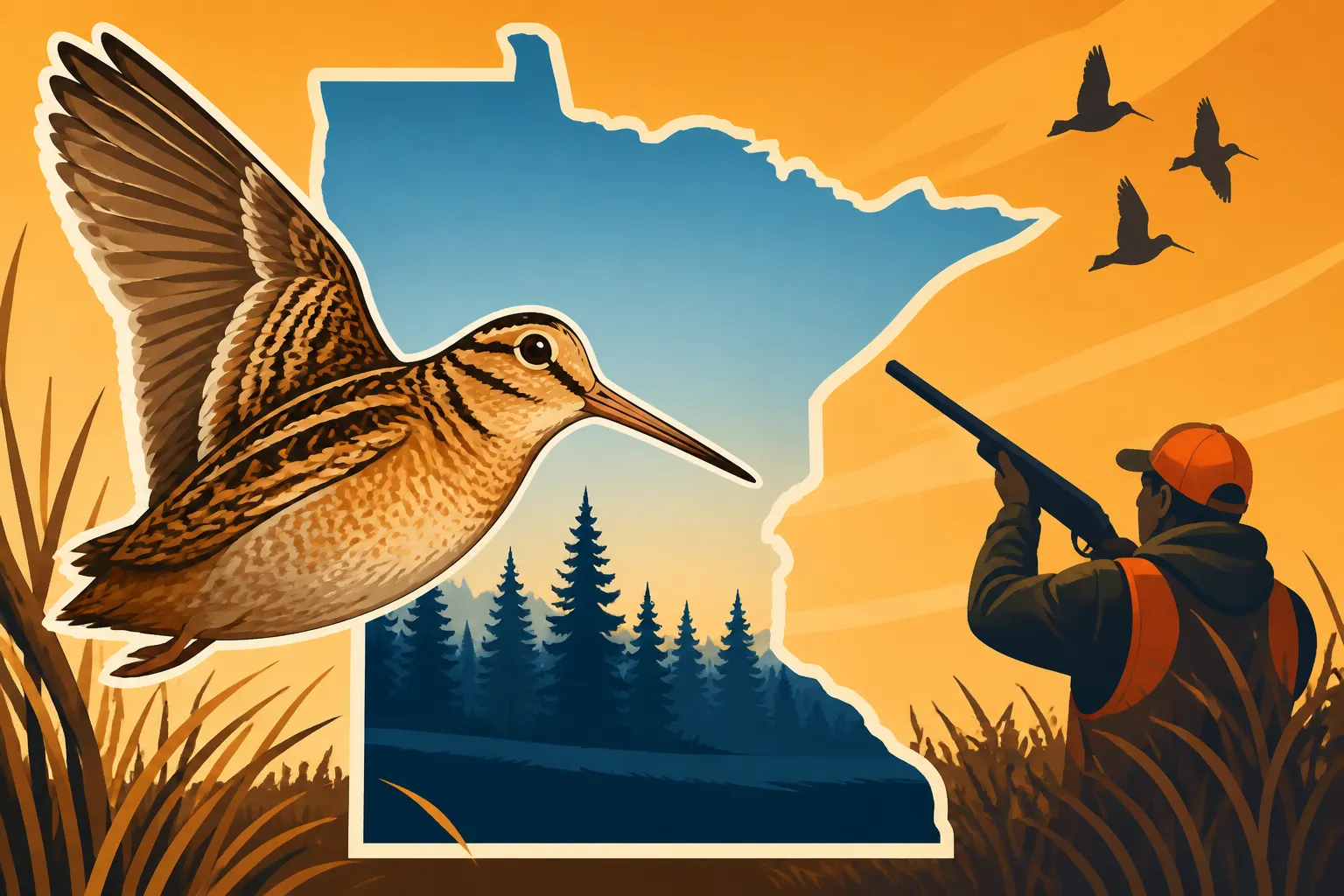
There's a special kind of magic in Minnesota's woods when autumn hits, and for many upland hunters, that magic is often tied to the elusive "timberdoodle." If you've ever found yourself trudging through wet alder thickets, hoping for that tell-tale whistle of wings, you know the frustration and the thrill. This guide is all about helping you understand the American woodcock's journey through our beautiful state, from their unique migration patterns to where and when to find these quirky little birds.
Understanding the American Woodcock Migration
Hunting woodcock in Minnesota isn't just about walking into the woods; it's about understanding a complex, annual dance tied to ancient migratory routes and ever-changing weather patterns. These aren't your typical backyard birds; they're secretive, nocturnal, and completely dependent on specific habitats.
The 'Timberdoodle' and its Unique Habits
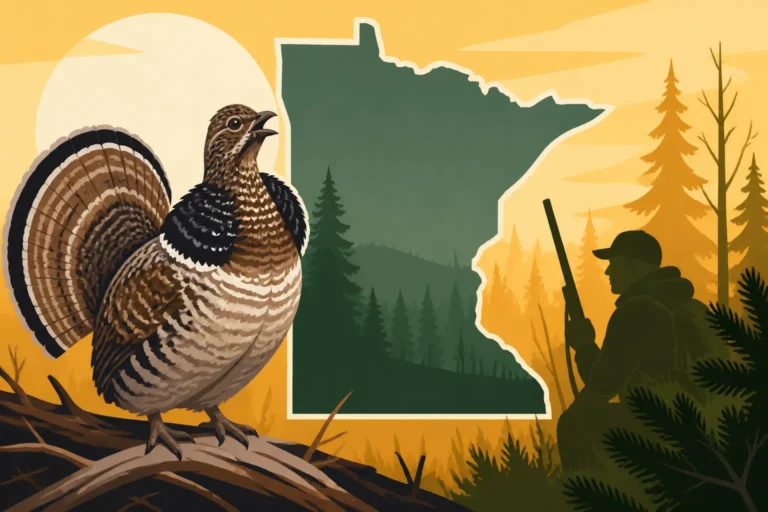
The American woodcock, affectionately known by many as the "timberdoodle," is a truly unique game bird. They're plump, short-legged, with a distinctive long, flexible bill perfectly adapted for probing soft earth for their primary food source: earthworms. Their large eyes are set high on their heads, giving them an almost 360-degree view, a crucial adaptation for a bird that spends much of its time on the ground, rooting around in leaf litter.
What makes them so challenging, and therefore so appealing to hunt, is their incredible camouflage and their tendency to hold incredibly tight to cover. You can literally be just a few feet from one, and it will remain motionless, blending perfectly with the fallen leaves and shadows. Then, when it finally decides to flush, it does so with a sudden, twittering burst of flight, darting erratically through the brush before leveling off. This explosive, unpredictable flight makes for some of the most exciting, fast-paced shooting in the uplands. Their habitat preference for dense, moist woodlands, particularly alder and young aspen, also means you're often hunting in thick cover, adding another layer of challenge and charm to the pursuit.
The Mississippi Flyway Connection
Minnesota plays a vital role in the grand spectacle of bird migration, particularly as part of the vast Mississippi Flyway. This flyway is like an avian superhighway, stretching from the arctic breeding grounds of Canada and the northern U.S. all the way down to the Gulf Coast and Central America. For woodcock, Minnesota is often a critical stopover point for birds hatched further north in places like Ontario, Manitoba, and even northern Wisconsin. Our state provides essential feeding and resting areas as these birds make their arduous journey south to their wintering grounds in the Gulf states.
Understanding that Minnesota is a funnel point for these "flight birds" is key to successful hunting. It means that throughout the season, you're not just hunting local populations; you're often encountering new waves of migrants pushed south by colder weather. This continuous influx can sometimes make a previously barren cover come alive overnight, offering renewed hunting opportunities, especially if you know where the birds are likely to stage. The health of the entire Mississippi Flyway is crucial to Minnesota's woodcock hunting prospects, as what happens north of us directly impacts what arrives here.
Factors Influencing Migration Timing
Predicting the exact peak of the woodcock flight can feel like trying to guess next week's lottery numbers—it's largely driven by forces beyond our control, primarily the weather. The biggest catalyst for their southward movement is freezing temperatures. Woodcock depend entirely on soft, probe-able soil to find earthworms. When the ground freezes solid in the northern reaches, it signals an immediate need to move south to areas where food is still accessible.
Cold fronts sweeping down from Canada are often the harbingers of a fresh push of birds. A sharp dip in temperatures, especially one that brings overnight frosts, will send birds packing. Conversely, a prolonged warm spell can delay the migration, keeping birds further north longer than usual. Many seasoned hunters also pay attention to moon phases, believing that brighter nights, especially during a full moon, can influence nocturnal migratory movements. While not scientifically proven across the board, the old-timers swear by it, suggesting that birds might move more efficiently under moonlight. Regardless of the exact triggers, paying close attention to weather forecasts for both Minnesota and areas north of us is paramount for timing your hunts.
Prime Time for Woodcock in Minnesota
Just like deer have their rut and geese have their early season, woodcock have distinct phases in their presence here. Knowing these windows can dramatically increase your chances of finding birds.
Early Season Opportunities
When Minnesota's woodcock season opens, typically in early to mid-September, you'll primarily be hunting our local resident birds. These are the woodcock that hatched and spent their summer here in Minnesota. At this point, the foliage is still incredibly thick, and temperatures can be quite warm, making hunting a physically demanding endeavor. The dense leaves make it difficult to spot birds, even after they flush, and shooting windows can be incredibly tight.
However, the early season offers its own unique charm. These local birds tend to be less pressured, and if you've done your scouting, you might find consistent pockets of birds in prime habitat. Focus on areas with slightly more open understory or edges where the cover isn't quite as impenetrable. It's a great time to shake off the dust, get your dog in shape, and enjoy the beauty of the early autumn woods before the full rush of migration begins. Remember, these resident birds are your baseline, the ones you can count on before the weather really starts to push new birds into the state.
The Peak Migration Window
For many woodcock aficionados, the real excitement kicks in during October. This is typically when Minnesota experiences the peak of the woodcock migration. As colder air masses push south from Canada, waves of "flight birds" that nested further north begin to arrive. This period can be absolutely incredible, with once-quiet coverts suddenly teeming with birds. We often call this "Timing the Minnesota Woodcock Flight" for good reason, as it's the moment every serious hunter anticipates.
A sharp cold front, especially one that brings a hard freeze, can trigger what's often referred to as "the great woodcock push." Birds that were spread out across vast northern landscapes suddenly concentrate in available habitat as they move south. You'll find them in the classic alder bottoms, but also in new areas they might not have used earlier in the season, seeking out the softest, most food-rich soil available. This peak can last for a week or two, sometimes longer if the weather remains consistently cool but not brutally cold. Many hunters try to maximize their time afield during this critical window, as the sheer numbers of birds can be astounding. For those who enjoy Grouse and Woodcock Hunting in Minnesota, this period often coincides with prime grouse hunting too, offering a fantastic combo hunt.
Late Season and Lingering Birds
Even after the main migration wave has passed, opportunities for woodcock can still exist into late October and even early November, until the ground completely freezes. These are the "lingering birds," often found in very specific, micro-habitat niches that remain unfrozen. Think about spring seeps, areas with natural underground springs, or very dense, insulated cover where the ground thaws out more slowly during the day.
The challenges in the late season are significant. The foliage has usually dropped, making it easier to see birds but also easier for them to see you. The cold can make conditions tough on both hunters and dogs. However, finding these late-season pockets of birds can be incredibly rewarding. It often requires more dedicated scouting and a willingness to explore areas you might have overlooked earlier. A day out with lingering woodcock in frosty, leaf-bare woods feels like a bonus, a final hurrah before the long winter sets in. Just make sure to keep your gun clean and dry in the colder, potentially wetter conditions.
Identifying Key Woodcock Habitat in Minnesota
Woodcock aren't just anywhere in the woods; they're incredibly particular about their real estate. Knowing what to look for on the ground and on a map is half the battle.
Alder Thickets and Young Aspen Stands
If you’re hunting woodcock in Minnesota, these two habitat types should be at the top of your list. Alder thickets are absolute magnets for timberdoodles. These dense, often nearly impenetrable growths of multi-stemmed shrubs thrive in moist, low-lying areas, frequently along stream banks, pond edges, or in drainage depressions. The dense overhead canopy offers excellent protection from predators, while the consistently moist soil underneath is a prime location for earthworms. When you're in an alder run, you want to see soft, dark soil that's easy for a bird to probe with its long bill.
Young aspen stands, particularly those that are 5 to 15 years old, also offer fantastic woodcock habitat. After a clear-cut or timber harvest, aspen regenerates quickly and densely. These areas provide the thick, vertical cover that woodcock prefer, along with often-moist soil conditions. Look for a mix of dense stems with a relatively open understory at ground level, allowing the birds to move and feed easily. When scouting new areas, I always look for these distinct vegetation types. If you see areas with Woodcock Hunting Minnesota Alder Runs or young aspen on a map, it’s worth a closer look.
Moist Bottomlands and Creek Edges
Beyond specific tree species, woodcock are ultimately tied to moisture. This means moist bottomlands, river floodplains, and the edges of creeks and small streams are prime locations. These areas naturally retain more moisture, ensuring the ground stays soft and full of earthworms, even during drier spells. The rich, alluvial soil in these bottomlands is often a deep, dark loam, perfect for probing.
When walking these areas, pay attention to the subtle changes in topography. Even a slight depression that channels water can create a small "seep" that holds woodcock. These microhabitats are especially critical during the late season when other areas have frozen solid. The overhead canopy in these spots might be a mix of alders, willows, or even some mature hardwoods, but the key is the ground itself. Hunters who are willing to get their boots muddy often find the most success, as these are precisely the places that many other hunters avoid, making them potentially less pressured.
Interpreting Landscape Features on Maps
Modern mapping tools are an absolute game-changer for woodcock hunting, especially for finding public land. Services like GoHunt allow you to zoom in and see intricate details of the landscape, helping you identify potential woodcock hotspots long before you set foot in the woods. When I'm looking at an aerial photo, I'm specifically looking for certain signatures.
First, I'm identifying areas with a visibly dense, shrubby canopy that indicates alder or young aspen growth. These often appear as a darker, textured green on satellite imagery, distinct from mature hardwoods or open fields. Next, I'll layer on topographical maps to find low-lying areas, creek drainages, and floodplains. The convergence of dense young cover and moist, low elevation is often a recipe for woodcock success. You can also use GoHunt to identify property boundaries, ensuring you're always on public hunting land or land where you have permission. For instance, if you're Reading Aerial Photos for Big Woods Deer, apply similar logic but specifically focus on the lower, wetter areas rather than high ridges. Plotting out potential walking routes, escape cover, and likely flush points before you even leave home can save you hours of aimless wandering and dramatically increase your efficiency in the field.
Scouting and Hunting Strategies for Minnesota Woodcock
Hunting timberdoodles is a unique pursuit that requires a specific approach. It's less about sitting and waiting, and more about active engagement with the cover.
Pre-Season Scouting Without Flushing Birds
Effective woodcock hunting starts long before opening day. Pre-season scouting, done without a gun, is crucial for understanding bird distribution and habitat quality. What are you looking for? The tell-tale signs of woodcock presence: "splashes" and probe holes. Woodcock droppings, or splashes, are distinct white or light-colored splatters, often with a dark center, found on leaves or open ground. They're a clear indicator that birds are actively feeding in the area. Alongside splashes, look for small, pencil-sized holes in the soft earth where woodcock have probed for worms.
These signs tell you that a particular covert is being used, or has been used recently. You can also identify excellent cover that looks promising. Perhaps it’s a new aspen cut that’s grown up perfectly, or an alder bottom that has matured into ideal habitat. By understanding the historical patterns of woodcock use in an area, combined with fresh sign, you can greatly narrow down your search once the season opens. This methodical approach is far more productive than simply wandering aimlessly, hoping to stumble upon birds.
Working Cover Effectively with or Without a Dog
Whether you hunt with a dog or prefer to go solo, the key to woodcock success is working the cover slowly and methodically. Woodcock hold incredibly tight, sometimes not flushing until you are practically stepping on them. For those with a well-trained bird dog, the dog is your greatest asset. A good pointer or flusher will sniff out the birds, hold point, or push them into the air, giving you time to prepare for the shot. Watch your dog closely; their body language will often tell you when birds are near.
Without a dog, you need to be the dog. Walk slowly, pause frequently, and vary your pace. Stomp your feet a bit, or kick at brush piles. These sudden movements can be enough to make a tight-holding bird flush. Try to walk in a grid pattern or in zig-zags through the cover to ensure you’re covering the area thoroughly. Always be ready to shoot, as the flush will likely be sudden and close. Focus on creating mental shooting lanes as you walk, anticipating where a bird might fly. These birds fly short and erratically, so quick reflexes are paramount.
Understanding Woodcock Behavior During the Hunt
Woodcock are masters of deception. When flushed, they rarely fly far, often just pitching down into the nearest thicket a short distance away. This behavior presents a fantastic opportunity for re-flushing birds. If you flush a bird and don't get a shot, or miss, mark the general direction it flew and quietly follow. More often than not, you can get a second, or even third, chance at the same bird. This is where patience truly pays off.
Their flight patterns are notoriously unpredictable. They typically launch vertically, twittering their wings, then weave through the densest cover before leveling off for a short, fast flight. Anticipate this erratic flight; don't aim too far ahead. Heavy foliage will often dictate your shooting opportunities, forcing you to take quick, instinctive shots. Additionally, pay attention to weather conditions during the hunt. On calm, overcast days, birds might be more active and spread out. On windy days, they might hunker down even tighter, requiring you to work the cover even more thoroughly. Knowing Minnesota Grouse and Woodcock Seasons means you can align your tactics to the conditions of that specific period.
Gear and Considerations for Woodcock Hunting
Having the right equipment can make a significant difference in your comfort, safety, and success in the woodcock woods. It’s not just about the gun; it’s about being prepared for the environment.
Shotguns and Ammunition Choices
For woodcock, speed and maneuverability are more important than long-range power. This is why lighter, fast-handling shotguns are preferred. Many hunters opt for 20-gauge or even 28-gauge guns, often with shorter barrels (26 inches or less) to navigate the thick cover. Over-and-under or side-by-side shotguns are popular for their balance and ability to quickly choose between two different choke constrictions.
When it comes to chokes, open is the name of the game. Skeet or Improved Cylinder chokes are ideal for the close-quarters flushing shots you'll encounter. A Modified choke might be used in the second barrel of a double gun, but anything tighter is usually overkill and leads to missed birds or mangled meat. For ammunition, light target loads or upland game loads with 7.5 or 8 shot are perfect. The goal is a dense pattern at close range, not penetration. The small pellets are more than sufficient for these delicate birds. If you're looking for new scatterguns, consider some of the Upland Guns for Popple and Alder that are perfectly suited for our Minnesota terrain.
Upland Apparel and Footwear
Hunting woodcock means spending a lot of time pushing through dense, thorny cover in typically damp conditions. Therefore, durable, briar-proof clothing is essential. Brush pants made of tough canvas or nylon with reinforced fronts will protect your legs from thorns and wet brush. A good upland vest or bird coat with plenty of game bag space and shell loops is also invaluable.
Waterproof footwear is non-negotiable. Whether you prefer rubber boots or waterproof leather boots, they need to keep your feet dry when sloshing through muddy bottoms and wet alders. Look for boots that offer good ankle support, as the terrain can be uneven. Remember to wear blaze orange. While not always strictly required for small game in all situations, it's always a good safety practice, especially when hunting with partners or in areas where deer hunters might be present. Check Minnesota's specific blaze orange requirements to ensure compliance. You'll want Boots for Walking Minnesota Popple Cuts that can handle anything.
Navigation and Safety in Dense Cover
Getting turned around in a dense alder thicket or a sprawling young aspen stand is surprisingly easy, especially when you're focused on working a bird. A reliable GPS unit or a mapping app like GoHunt on your smartphone is crucial for navigation. Pre-download maps for offline use, as cell service can be spotty in remote areas. Mark your vehicle's location and any areas you want to revisit. GoHunt is particularly useful for pinpointing specific habitat types and tracking your movement through dense cover.
Safety should always be your top priority. If hunting with partners, communicate frequently, especially about your locations. A good whistle is useful for calling your dog and for signaling hunting partners. Always know where your partners are before taking a shot. Carry a basic first aid kit, water, and some emergency snacks. Given the dense nature of woodcock cover, scrapes, cuts, and minor falls are not uncommon. Being prepared ensures a much more enjoyable and safer day in the woods.
Minnesota Woodcock Migration Overview
Here's a quick look at the typical woodcock season flow in Minnesota:
| Season Phase | Typical Dates (Approx.) | Bird Type | Key Habitat Features | Hunting Challenges |
|---|---|---|---|---|
| Early Season | Mid-September | Local Residents | Dense, mature alder, young aspen, moist lowlands | Thick foliage, warm weather, fewer birds. |
| Peak Migration | Early to Mid-October | Flight Birds | Alder/aspen draws, river bottoms, moist fields | Variable timing, intense competition in prime spots. |
| Late Season | Late October – Nov. | Lingering Birds | Spring seeps, unfrozen pockets, dense insulation | Cold weather, frozen ground, very localized birds. |
| Post-Freeze | Mid-November+ | Departed | Ground completely frozen, food unavailable | Birds have mostly moved south; very few remain. |
Minnesota's place on the woodcock flight is truly special, offering some fantastic opportunities for those willing to embrace the challenges of hunting these unique birds. From the early season resident birds to the exciting push of migrants, there's always something new to discover in the timberdoodle woods.
Disclaimer
This article is for general informational purposes only and does not constitute professional advice. Laws, prices and regulations vary by location and change over time. Consult a qualified professional for guidance on your specific situation.