Why Southeast Minnesota Grows Big Bucks
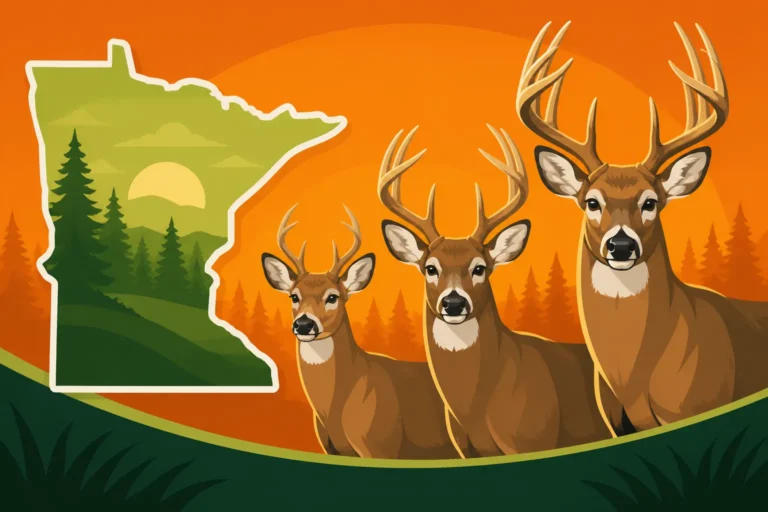
For so many of us, the dream of bagging a truly impressive whitetail buck feels like a distant fantasy, especially after countless hours spent in the stand in areas where mature deer are just… well, rare. You might have heard whispers about Southeast Minnesota, a region legendary for its giant whitetails, and wondered if it's really true. This comprehensive guide is here to pull back the curtain and explain exactly why this unique corner of our state consistently produces some of the biggest bucks in Minnesota, and how you might just tip the odds in your favor there.
The Unique Landscape and Terrain of Southeast Minnesota
Let's be honest, when you picture Minnesota hunting, you might think of flat agricultural fields, dense northern forests, or perhaps the scattered woodlots of central Minnesota. Southeast Minnesota, however, is a world apart. It's a region defined by dramatic topography that creates an ideal environment for whitetails to not just survive, but to truly thrive and reach impressive maturity.
Bluff Country's Challenging Topography
The very first thing that strikes you when you enter Southeast Minnesota is the dramatic "bluff country" landscape. We're talking about incredibly steep bluffs, carved over millennia by the Mississippi River and its tributaries, interspersed with deep, winding valleys. This isn't your gently rolling farmland; this is rugged, demanding terrain. These bluffs create natural sanctuaries and funnels that are a whitetail's best friend. Bucks, especially mature ones, are masters at using terrain to their advantage, and these steep, often impenetrable slopes provide perfect bedding areas where they can feel safe from human intrusion. Think about it: a buck bedded halfway up a sheer bluff face, with an incredible vantage point over a valley, is virtually undetectable and unreachable for most hunters.
These topographical features also act as natural travel corridors. Deer often stick to the paths of least resistance through these valleys and along the contours of the bluffs. Knowing how to read these subtle shifts in elevation and understanding where deer will naturally want to travel can be a game-changer. The sheer effort required to navigate these hills also deters many casual hunters, inadvertently creating low-pressure havens where bucks can grow old. If you're looking for an adventure, you might consider Hunting Southeast Minnesota Bluff Country to really experience this unique challenge.
Rich Hardwood Forests and Diverse Cover
Beyond the steepness, the bluff country is blanketed in incredibly rich hardwood forests. We're talking mature oak ridges, interspersed with maple, basswood, and other species that provide a smorgasbord of food and incredibly dense bedding cover. Unlike some northern conifer forests that offer dense thermal cover but limited food, these hardwoods provide both. The dense undergrowth in many of these valleys and along the bluff sides creates visual barriers that make a mature buck feel incredibly secure.
These varied forest types mean deer have options throughout the year. In spring, they have fresh browse. In summer, lush greenery. And most critically, in fall, they have a consistent and often abundant mast crop. This diverse habitat allows deer to meet all their needs within a relatively small home range, reducing their need to expose themselves by traveling long distances across open areas. It's a true whitetail paradise, offering everything they need to flourish away from prying eyes.
The Mississippi River Influence
The mighty Mississippi River isn't just a picturesque backdrop; it plays a critical role in the whitetail dynamics of Southeast Minnesota. The river's vast floodplains, backwaters, and numerous tributaries create a mosaic of additional habitats and travel corridors. The river itself can act as a natural barrier, funneling deer movement along its banks, while the islands and adjacent lowlands provide yet more secluded bedding and feeding areas.
During certain times of the year, especially with fluctuating water levels, these riverine habitats offer unique opportunities for deer to find refuge. The thick vegetation along the river bottoms, often including dense cattail sloughs and willow thickets, provides impenetrable cover. This means deer can move relatively unmolested through these areas, connecting different parts of their range without crossing major human-dominated landscapes. This constant availability of secure cover and varied habitat, stretching for miles along the river, contributes significantly to the ability of bucks to reach an older age class.
Abundant and High-Quality Food Sources
A trophy buck isn't just born; it's grown. And for a deer to grow impressive antlers, it needs access to a consistent, high-quality diet. Southeast Minnesota offers an unrivaled buffet for whitetails, blending both natural forage with the bounty of agricultural lands. This nutritional richness is a key ingredient in the recipe for big antlers.
Acorn Powerhouses: Oak Varieties
If you've spent any time hunting whitetails, you know the power of an acorn crop. Southeast Minnesota's hardwood forests are absolutely teeming with oak trees, both red and white oak varieties. White oak acorns, which are less bitter, are often preferred by deer and are a critical, high-energy food source in the early to mid-fall. Red oak acorns, while more tannic, last longer into the winter, providing sustained nutrition when other food sources dwindle.
A consistent and abundant mast crop from these oaks is like rocket fuel for deer. It provides the essential carbohydrates and fats needed to put on weight for the upcoming winter and, crucially, to fuel antler growth in the preceding spring and summer. When the acorns are dropping, deer will key in on them, often leading to predictable patterns. Years with a bumper acorn crop often correlate with robust antler development across the herd, showcasing the direct link between nutrition and size.
Agricultural Diversity and Nutrition
While acorns are vital, the patchwork of private agricultural land interwoven with the forest in Southeast Minnesota offers another layer of nutritional excellence. Farmers in the region plant vast fields of corn, soybeans, and alfalfa, all of which are incredibly attractive and nutritious for deer. These crops provide year-round sustenance: fresh green growth in spring and summer, and high-energy grains in fall and winter.
Soybeans, in particular, are a powerhouse of protein, which is absolutely essential for muscle and antler development. Corn provides the carbohydrates needed for energy and winter survival. This constant access to nutrient-dense agricultural fields means deer aren't just surviving; they're thriving. They can pack on weight, sustain their health, and direct maximum energy towards growing those impressive racks. The combination of natural mast crops and agricultural bounty creates a nearly perfect nutritional scenario that is hard to match in other parts of the state. It allows deer to enter the winter in prime condition and bounce back strong for the next antler-growing season.
Supplementing with Natural Browse
Beyond the main attractions of acorns and agriculture, Southeast Minnesota's diverse landscape offers a wealth of natural browse. From succulent forbs in spring and summer to woody browse like dogwood, sumac, and young aspen sprouts in fall and winter, deer have access to a varied diet. This supplemental forage is crucial, especially during periods when mast crops might be lean or agricultural fields are harvested and picked over.
The variety of plant life ensures that deer receive a full spectrum of vitamins and minerals necessary for overall health and, by extension, antler growth. Healthy deer with a robust diet are simply going to grow bigger bodies and bigger racks. This ecological richness supports not just a high deer density, but also a high quality of deer within that density, contributing directly to the region's reputation for producing exceptional bucks.
Low Hunting Pressure in Key Areas and Intelligent Deer
You can have great genetics and abundant food, but if deer don't live long enough to express their potential, you won't see big bucks. One of the quiet secrets of Southeast Minnesota is the localized low hunting pressure in key areas, coupled with the incredible wariness and adaptability of the local deer herd.
Public Land Accessibility and Challenges
Yes, Southeast Minnesota has significant amounts of public land, including large tracts within the Whitewater WMA Deer and Turkey Hunting area and the vast Root River Valley Turkey and Deer Ground. However, accessing and effectively hunting much of this public ground is not for the faint of heart. The rugged bluff country terrain means that much of it is extremely difficult to navigate. Deep ravines, steep climbs, and dense cover make it physically demanding. This inherent challenge acts as a natural filter, often pushing less determined hunters to more accessible, and therefore more pressured, areas.
This means that within these sprawling public lands, there are often secluded pockets, deep in the bluffs, that receive very little human disturbance. These become de facto sanctuaries where mature bucks can retreat and feel safe, allowing them to age gracefully. Hunters willing to put in the effort, to walk that extra mile, or to climb that extra bluff, are often rewarded by finding these untouched havens where true giants reside. You'll need to use detailed mapping tools, like those you might find on GoHunt, to identify potential travel routes and bedding areas that others might overlook.
Private Land Sanctuaries
Compounding the effect of challenging public land is the prevalence of private land throughout the region. Many landowners, whether they actively hunt or not, own large tracts that act as de facto sanctuaries. Some actively practice Quality Deer Management (QDM), purposefully passing on younger bucks to allow them to mature. Others simply have properties that are difficult to access, or they prefer to leave portions of their land undisturbed.
These private land refuges are critical. They provide vast, low-pressure zones where bucks can live for years without encountering significant hunting pressure. Deer, being highly adaptable, learn quickly where they are safe. They will often spend daylight hours bedded on these secure private parcels, only venturing out at night to feed in agricultural fields, or moving to huntable public ground under the cover of darkness. Understanding this dynamic and being able to identify these sanctuary areas on a mapping app like GoHunt is vital for strategic hunting. It helps you anticipate deer movement around these safe zones, rather than trying to penetrate them directly.
Deer Adaptability and Wariness
The deer in Southeast Minnesota are, simply put, smart. They have evolved in a landscape where human presence is a constant, and they've learned to adapt. Years of selective pressure have honed their senses and their survival instincts. These aren't naive deer; they are incredibly wary, utilizing every dip, swale, and patch of cover to avoid detection.
This intelligence manifests in their behavior. Mature bucks will often be almost entirely nocturnal during hunting season, only moving during daylight in the most remote areas or during peak rut activity. They'll use the challenging terrain to their advantage, slipping silently through steep ravines or holding tight in dense bedding cover as hunters walk by. This innate wariness means that even with excellent food and cover, you still need to be an incredibly skilled and patient hunter to consistently tag a mature buck here. The deer themselves contribute to the "big buck" reputation because they're simply harder to hunt, thus living longer.
Management Strategies and Hunter Ethics
It's not just the land and the deer; the people who hunt them also play a significant role in why Southeast Minnesota produces so many big bucks. A strong hunting culture, combined with thoughtful management, creates an environment conducive to trophy animals.
Selective Harvest Practices
A growing number of hunters in Southeast Minnesota, whether part of formal Quality Deer Management (QDM) cooperatives or simply by personal choice, practice selective harvest. This means they intentionally pass on younger bucks, often 1.5 and 2.5-year-olds, to allow them to mature into 3.5, 4.5, or even older age classes. This "let 'em go, let 'em grow" mentality has a profound impact on the buck age structure in the region.
When hunters consistently choose to harvest only mature bucks, the population naturally skews towards older, larger animals. This isn't just about growing bigger antlers; it also contributes to healthier deer populations overall, with better buck-to-doe ratios and more intense rutting activity, which in turn leads to stronger fawns. This collective, often informal, management strategy among hunters is a cornerstone of the big buck phenomenon in this area. It takes discipline, especially when a decent young buck walks by, but the payoff for the entire region is undeniable.
Antlerless Harvest for Herd Health
While passing on young bucks is important, so is maintaining a healthy deer population density. The Minnesota DNR often uses antlerless permits to manage herd numbers, and in many areas of Southeast Minnesota, hunters are encouraged to take does. This might seem counterintuitive if you're chasing big bucks, but it's crucial for herd health.
Harvesting does helps keep the deer population within the carrying capacity of the land. When deer numbers get too high, food sources become stressed, leading to lower quality forage, smaller body sizes, and less impressive antler growth. By keeping the herd balanced through targeted antlerless harvest, the remaining deer, especially the bucks, have access to more and better nutrition. This directly translates to healthier animals capable of growing larger bodies and antlers. Understanding The Antlerless Lottery Deadline in Minnesota and participating in these harvest opportunities is part of being a responsible steward of the resource, which ultimately benefits everyone, including those dreaming of a trophy buck.
Hunter Education and Community Values
The hunting community in Southeast Minnesota often holds deep-seated values rooted in conservation and respect for the game. There's a strong tradition of mentorship, with experienced hunters passing down knowledge to new generations. This includes understanding deer biology, habitat management, ethical shot placement, and, significantly, the importance of letting younger bucks walk.
This collective ethos, combined with readily available Minnesota Hunter Safety Requirements and educational resources, creates a well-informed hunter base. Hunters here aren't just looking for "a deer"; many are truly invested in the health and quality of the local herd. This community-driven approach to stewardship fosters an environment where big bucks are not just an accident, but a sustained outcome of respectful hunting practices and a shared commitment to the resource. It's a testament to what happens when hunters work with the land and the animals.
Genetics and Age: The Core Drivers
Ultimately, a big buck is the result of three primary factors: good nutrition, strong genetics, and sufficient age. While genetics provide the potential, and nutrition fuels the growth, it's the age that allows that potential to fully manifest. Southeast Minnesota delivers on all fronts, but the ability of bucks to reach older age classes is paramount.
The Age Factor: Letting Bucks Grow
This is perhaps the single most critical factor: bucks in Southeast Minnesota are simply living longer. All the other elements we've discussed – the challenging terrain providing sanctuaries, the abundant food sources keeping them healthy, the selective harvest practices of hunters – all culminate in bucks reaching older age classes. A 1.5-year-old buck, even with perfect genetics and nutrition, will only have a modest rack. A 2.5-year-old will be bigger, but still not a true giant.
It's when a buck reaches 3.5, 4.5, or even 5.5+ years old that its antlers truly explode. At these ages, a buck has dedicated multiple seasons to growing antlers, refining its genetic potential with each successive year. Its body is mature, its nutritional needs are met, and its hormones are raging. This longevity, directly supported by the unique conditions and hunter behavior in Southeast Minnesota, is the engine behind the region's impressive big buck production. For hunters, knowing The Minnesota Deer Registration Deadline is critical for legal harvest, but for the deer, avoiding that date for several years is the key to their magnificent growth.
Genetic Potential of the Regional Herd
While environmental factors are huge, you can't overlook the inherent genetic potential of the whitetail deer herd in Southeast Minnesota. Decades of successful management and natural selection have fostered a robust gene pool capable of producing large-bodied, heavy-antlered bucks. It's not that Minnesota's deer overall have bad genetics; rather, in Southeast Minnesota, the ideal conditions allow that genetic potential to be fully realized.
Think of it like this: you can have a champion racehorse's genes, but if it's not fed properly or trained, it won't win races. Similarly, the deer here have the blueprint for big antlers, and the landscape provides the perfect environment for that blueprint to be followed. This blend of good genes, abundant food, and critical age, makes Southeast Minnesota a truly special place for serious whitetail hunters. When you're Hunting the Minnesota Rut in Early November, you're often seeing the culmination of these factors in a prime, mature buck.
Observing Antler Development Year Over Year
For those dedicated hunters who spend countless hours scouting, running trail cameras, and pouring over maps, there's nothing quite like observing a specific buck's antler development year after year. In areas where bucks routinely reach older age classes, you can often track an individual deer and see its rack mature from a respectable 8-point to a truly world-class 10- or 12-point with impressive mass.
This firsthand observation reinforces the age factor. Hunters learn to recognize individual deer not just by their rack, but by their body size, unique markings, and behavior patterns. They see how a buck that was a nice 2.5-year-old (with perhaps a modest 8-point frame) transforms into an absolute monster at 4.5 or 5.5 years old, adding inches, mass, and sometimes entirely new points. This cycle of observation, patience, and eventually, a well-deserved harvest, is a core part of the hunting experience in Southeast Minnesota. Tools like GoHunt can help organize these observations and track patterns over time, enhancing a hunter's understanding of individual deer on their property or public land.
Comparative Factors: Southeast Minnesota vs. Other Regions
To really understand why Southeast Minnesota stands out, it's helpful to compare its unique attributes to other hunting regions, even within the state.
| Feature | Southeast Minnesota (Bluff Country) | Northern Minnesota (Big Woods) | Central/Western Minnesota (Farmland/Transition) |
|---|---|---|---|
| Topography | Rugged bluffs, deep valleys, river systems | Dense conifer/mixed forests, often flatter/rolling | Primarily flat agricultural fields, scattered woodlots |
| Food Sources | Abundant hardwoods (oaks), diverse agriculture (corn, beans, alfalfa) | Limited agriculture, primary browse, some mast (birch, aspen) | Extensive agriculture, limited natural browse |
| Deer Age | High potential for older age class bucks due to sanctuaries and selective harvest | Moderate potential, often higher pressure in accessible areas | Lower potential, often higher pressure, younger harvest |
| Hunter Pressure | Localized low pressure in rugged areas, private land sanctuaries | Generally moderate to high in accessible public land | High in easily accessible areas, focused on food plots |
| Cover Type | Dense hardwood understory, thick brush in valleys | Thick conifers, dense second-growth, some swamps | Sparse woodlots, CRP, cattail sloughs |
| Antler Size | Consistently larger, higher scoring bucks | Good potential, but often less mass/spread than SE | Varies, often good mass but less overall size |
This table highlights how the combination of elements in Southeast Minnesota creates a synergy that allows deer to reach their maximum genetic and age potential, often exceeding what's typically seen in other regions. It's a powerful argument for the unique appeal of hunting this specific part of the state.
Preparing for Your Southeast Minnesota Whitetail Hunt
Now that we've delved into why Southeast Minnesota is so special for big bucks, let's talk about what you might need to consider if you're planning a hunt there. It's not a casual hunt; it requires preparation and a willingness to embrace the challenges.
Scouting and Public Land Reconnaissance
Effective scouting is absolutely paramount here. You can't just show up and expect to find a giant. Utilize aerial photos and topographical maps extensively. Apps like GoHunt are invaluable for identifying property lines, elevation changes, thick cover, and potential travel corridors. Look for pinch points between bluffs, saddles along ridges, and areas where thick cover meets prime food sources. Pay close attention to subtle terrain features that could funnel deer movement. For example, Reading a Ridge for Northern Minnesota Deer can be adapted to bluff country, focusing on how deer use contours.
When you're on the ground, focus on finding sign: rubs, scrapes, and most importantly, big tracks and droppings in secluded areas. Don't be afraid to walk deep into the bluffs; those untouched pockets are often where the big boys hide. Consider hanging a few trail cameras in likely spots, especially near potential bedding areas or funnels leading to food. Look for those often overlooked areas, Finding Ground Others Walk Past is a skill here.
Physical Conditioning and Gear Requirements
Let's be blunt: hunting Southeast Minnesota's bluff country is physically demanding. You'll be doing a lot of climbing, often up steep, rocky terrain, and then descending into equally steep valleys. Good physical conditioning isn't just an advantage; it's almost a necessity. Start a workout regimen that includes plenty of hiking and stair climbing well before your hunt.
Your gear also needs to be up to the task. Comfortable, supportive, and waterproof hiking boots with good ankle support are essential. Layered clothing is key, as you'll be exerting yourself climbing, then sitting still in a stand. Consider a lightweight, packable treestand or a saddle hunting setup that allows for mobility and stealth in the thick timber. A quality pair of binoculars will help you pick apart distant bluff faces and dense cover. And don't forget a sturdy backpack to carry all your essentials, including plenty of water.
Strategic Hunting Approaches
Given the smart, pressured deer and challenging terrain, you'll need strategic hunting approaches. Still-hunting through the timber, especially on windy days when your movement is masked, can be effective. Still-Hunting Minnesota Big Woods techniques can be applied here with great success. Setting up treestands or ground blinds on funnels, saddles, or overlooking benches where deer travel is a classic tactic, but remember, getting in and out undetected is crucial.
During the rut, aggressive tactics like rattling and grunting can sometimes pull a mature buck out of his sanctuary, especially in the thick cover. You might also consider coordinating with a small group for quiet, strategic deer drives on public land, focusing on pushing deer towards standers positioned in key escape routes. Remember, patience is your greatest virtue here. These bucks didn't get big by being careless, so neither can you.
Disclaimer
Please remember that hunting regulations and conditions can change. Always consult the most current Minnesota Department of Natural Resources (DNR) regulations before planning any hunting trip. This guide is for informational purposes only and does not supersede official DNR guidelines. Stay safe and hunt ethically.