How Long Minnesota CWD Results Take
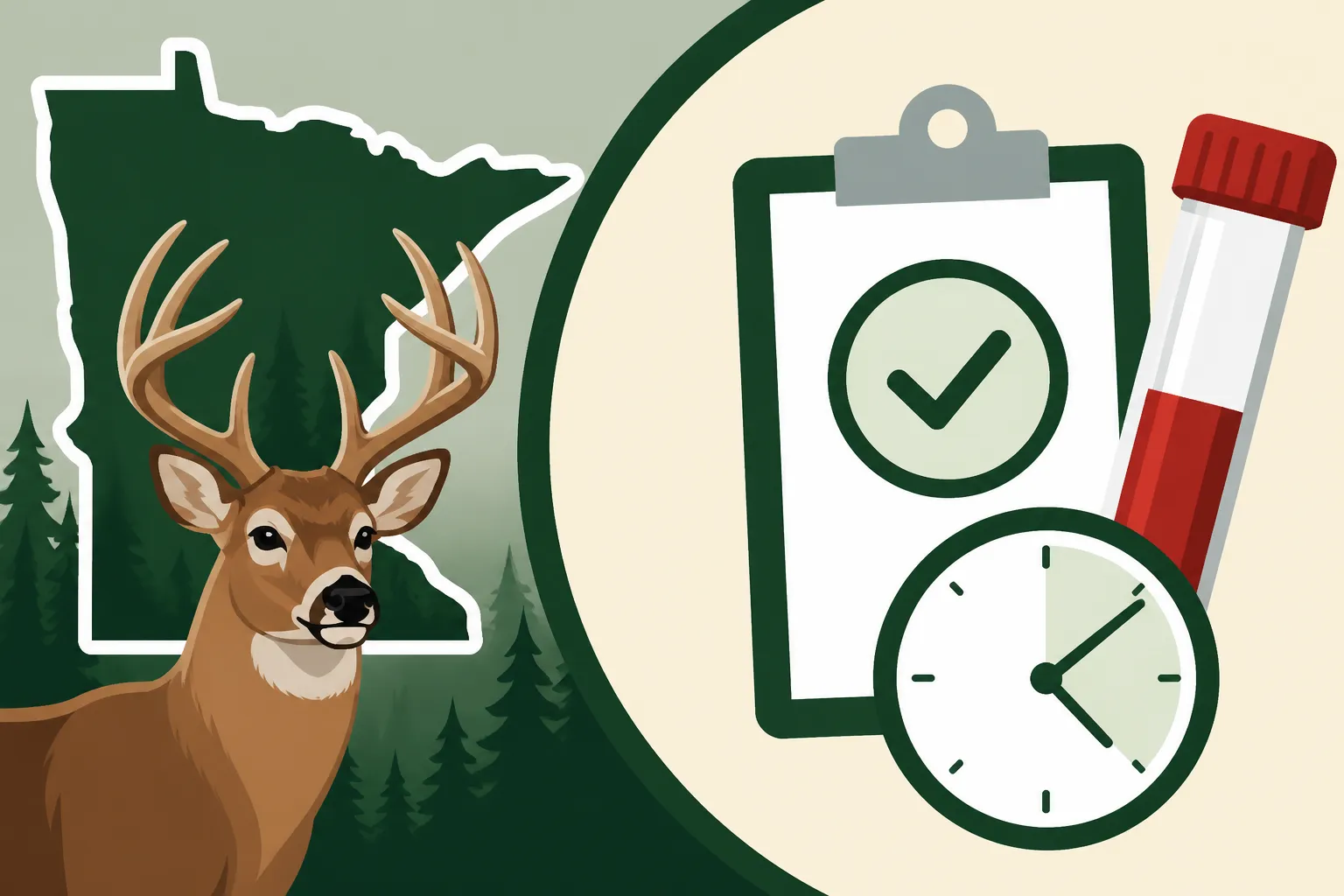
You’ve put in the hard work, made a great shot, and now your deer is on the ground. But for many hunters in Minnesota, especially in certain areas, the journey isn't quite over until you get those Chronic Wasting Disease (CWD) test results back. That waiting period can feel like an eternity, filled with questions about whether your venison is safe for your family and if you can finally fill that freezer without a worry. This guide will walk you through everything you need to know about CWD testing timelines in Minnesota, why they vary, and what to expect as you await your results.
The Waiting Game: Understanding CWD Testing Timelines
The anxiety of waiting for CWD results is a feeling many of us know all too well. You've followed all the rules, done your part, and now you're just looking for that green light to enjoy the fruits of your labor. But before we dive into how long it takes, it’s helpful to understand a little about why there's a wait at all.
Why the Wait? The Science Behind the Test
CWD is a serious neurological disease that affects deer, elk, reindeer, sika deer, and moose. It's caused by abnormal proteins called prions, and it's always fatal. Unfortunately, there's no live test for CWD, meaning diagnosis typically requires testing tissue samples from a harvested animal, usually the lymph nodes or brain stem, after it has been taken. This process isn't like a quick home test; it involves specialized laboratory procedures.
When you submit a sample, whether voluntarily or as part of a mandatory testing effort, it goes to a lab. There, technicians carefully extract the relevant tissue, process it, and then run tests to detect the presence of those abnormal prions. This isn't a simple snap-of-the-fingers process; it's a meticulous scientific endeavor that requires precision and care to ensure accurate results. The sheer volume of samples, especially during peak hunting seasons, means that each step, from logging the sample to the final analysis, contributes to the overall turnaround time. It's a critical part of monitoring the health of our deer herd and ensuring public safety, but that doesn't make the wait any easier on the hunter.
Factors Influencing Turnaround Time
Several elements play a significant role in how quickly you'll get your CWD results back. It’s not a one-size-fits-all timeline, which can certainly add to the frustration when you're just looking for a straightforward answer.
First and foremost is the sheer volume of samples. Imagine thousands of hunters across the state all submitting samples within a few weeks of each other. The labs can only process so many at once. During the opening weekends of Minnesota's firearm deer season, particularly in the 100 series, the number of samples can surge dramatically, creating a backlog. This is a natural bottleneck that every state dealing with CWD experiences.
Then there's the time of year. Early archery season samples, for instance, might be processed faster simply because fewer hunters are in the woods compared to the mid-November firearm rush. Similarly, late-season muzzleloader deer hunting in Minnesota might see a slower, but steadier, stream of samples, which can sometimes result in quicker processing times once the initial wave has passed.
Lab capacity and staffing are also crucial. The Minnesota DNR partners with specific labs, and while they do their best to scale up during peak times, there are limits. Staff need to be trained, equipment needs to be maintained, and quality control must be rigorous. Any hiccups in these areas can extend the wait. Finally, the type of submission itself can influence speed. Mandatory testing areas often get priority over voluntary submissions because they are part of a targeted surveillance effort. Hunters using resources like GoHunt to stay informed on specific permit area requirements can often prepare better for mandatory submissions, potentially streamlining the initial collection process on their end.
Typical Turnaround Times in Minnesota
So, what can you actually expect when it comes to getting those results? It really boils down to where and when you harvested your deer, and whether you're in a mandatory testing zone. Understanding these nuances can help manage expectations and alleviate some of the waiting stress.
Mandatory Testing Zones Versus Voluntary Submissions
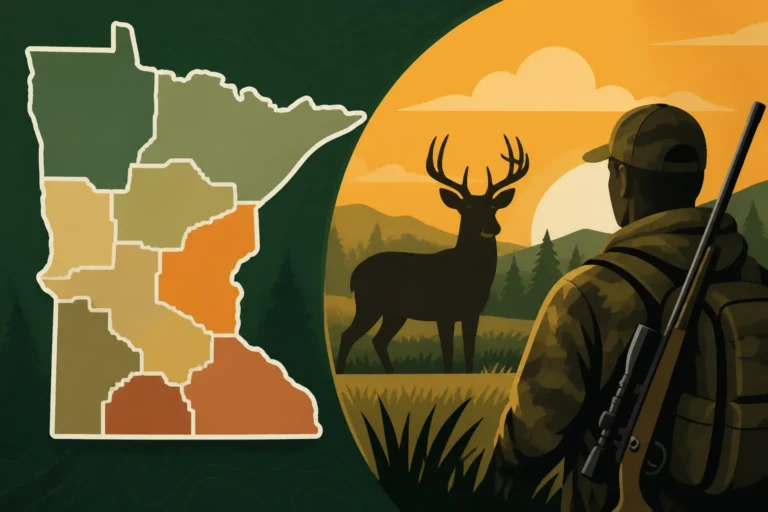
Minnesota has specific areas designated as CWD Management Zones in Minnesota and CWD Surveillance Zones in Minnesota. If you harvest a deer in one of these zones, mandatory CWD testing is often required, particularly during specific firearm seasons. These samples are a high priority for the DNR because they are directly tied to monitoring and controlling the spread of the disease. Consequently, the labs are usually geared to process these samples with greater urgency.
For mandatory samples taken during the primary firearm season openers in known CWD areas, you can generally expect results within 10-14 days, sometimes as quickly as 7 days. The DNR aims for efficiency here to provide critical data for their management efforts and to give hunters peace of mind. They understand the need for quick turnaround, especially when dealing with the logistical challenge of Minnesota Carcass Movement Restrictions that might apply to deer harvested in these zones.
Voluntary submissions, on the other hand, might take a bit longer. If you're hunting outside a mandatory testing zone but still want to submit a sample for your own peace of mind, or because you noticed something unusual, those samples are still processed, but they may be placed lower in the queue than the mandatory ones. This is simply a resource allocation necessity. These voluntary results could take anywhere from 2-4 weeks, especially if submitted during or immediately after a busy firearm season. It's a good idea to consult the DNR's website or even use mapping tools like GoHunt to confirm if your specific permit area falls under mandatory testing rules before you head out, as this will significantly influence your result timeline.
Seasonal Fluctuations and Peak Processing Periods
The hunting calendar plays a huge role in CWD result timelines. Think of it like holiday shopping: everyone buys gifts in December, and shipping times go up. It's no different with deer samples.
- Early Archery Season (September-October): If you're one of the dedicated bowhunters out during the initial weeks of the archery season, your CWD results for voluntary submissions might come back relatively quickly, often within 1-2 weeks. The volume is lower, and labs aren't yet overwhelmed. However, if you're in a mandatory zone (which can sometimes be active during archery), those samples still get priority and might follow the quicker 7-10 day track.
- Peak Firearm Season (November): This is where things can slow down considerably. The opening weekend of the 100 Series Firearm Deer Zone and the 300A Firearm Deer Zone sees a massive influx of harvested deer. Even with increased staffing, the labs can get backed up. For both mandatory and voluntary samples taken during this peak, waiting 2-3 weeks is not uncommon, and it can sometimes stretch to 4 weeks for voluntary submissions if the backlog is severe. It’s an understandable frustration, but it’s the reality of processing thousands of samples. The DNR works hard to keep hunters updated on the average wait times during these periods.
- Late Firearm and Muzzleloader Seasons (Late November-December): As the hunting pressure decreases, so does the volume of new samples. Results for deer harvested during the late 300B Firearm Opener or Minnesota Muzzleloader Season Tactics might start to return to faster speeds, potentially 1-3 weeks, especially for voluntary tests submitted after the initial November rush has cleared. Deer taken during late-season antlerless hunting in Minnesota can still require testing depending on the permit area, and the timelines here generally stabilize.
To give you a clearer picture, here's a general breakdown of estimated CWD result turnaround times in Minnesota:
| Scenario | Estimated Turnaround Time | Notes |
|---|---|---|
| Mandatory Zone – Peak Firearm Season | 7-14 Days | Highest priority. Samples collected during peak November firearm deer seasons in areas with known CWD presence or surveillance. Expect potential slight delays if submitting right on opening weekend. |
| Mandatory Zone – Off-Peak Season | 7-10 Days | Mandatory samples collected during early archery or late muzzleloader seasons in CWD zones. Lower overall sample volume generally leads to quicker processing. |
| Voluntary Submission – Off-Peak Season | 1-3 Weeks | Samples from areas outside of mandatory testing, submitted during early archery or late-season hunts. Less urgent, but still processed efficiently due to lower total lab load. |
| Voluntary Submission – Peak Firearm Season | 2-4 Weeks | Samples from areas outside of mandatory testing, submitted during the busy November firearm deer seasons. These may experience the longest wait times due to lab backlogs from higher-priority mandatory samples. |
| Positive Result Follow-Up | Immediate Notification | If a sample tests positive, the DNR will contact the hunter directly and quickly, often within 24-48 hours of confirmation, regardless of the initial submission date. |
Remember, these are estimates. Sometimes you'll get lucky and hear back sooner, other times unforeseen circumstances might push it a bit longer. The key is patience, and knowing how to check for updates.
How to Check Your CWD Results
Once you've submitted your sample, the next logical step is wanting to know how to track its progress. The good news is that the Minnesota DNR has a relatively streamlined system for checking CWD results, designed to keep hunters informed.
Online DNR Portal and eLicense System
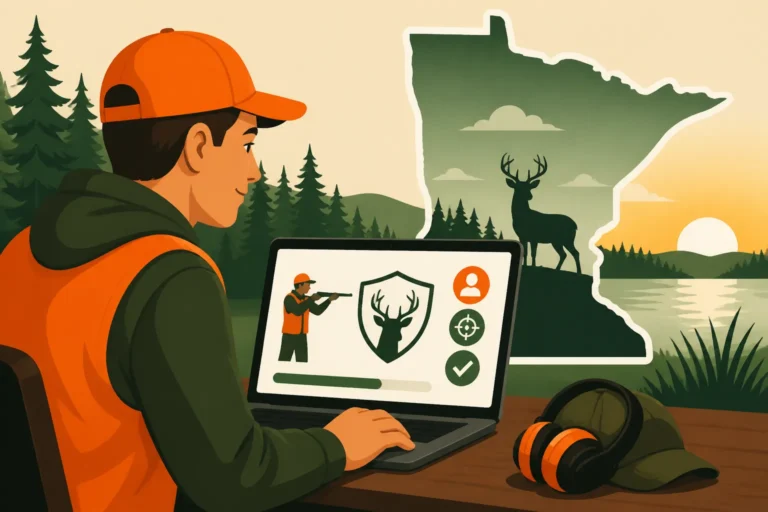
The primary way to check your CWD results is through the Minnesota Department of Natural Resources (DNR) website, specifically using their eLicense system. This is where your hunting license information and any related submissions are tied together.
Here's a general step-by-step guide:
- Visit the Minnesota DNR Website: Head to the official MN DNR site and look for the "CWD" or "Hunting" sections.
- Navigate to CWD Results: There will typically be a direct link for "Check CWD Results" or "Deer Sample Results."
- Enter Your Information: You'll usually need your DNR customer ID number (found on your hunting license), your date of birth, and possibly the sample ID number you received when you submitted your deer's head or lymph nodes at a CWD sampling station. Make sure you hold onto that sample ID number! It's your key to tracking your specific animal.
- View Results: Once logged in, you should be able to see the status of your submitted sample. It might show "Pending," "Processing," or "Complete" with the actual result (e.g., "Not Detected").
This online portal is updated regularly, so it's the best and most current source of information. You don't need to call the DNR; everything you need should be accessible here. For those looking for broader information on CWD trends or surveillance areas, resources like GoHunt often aggregate state-specific hunting news, including updates on CWD. This can be helpful to stay generally informed, but for your specific results, the DNR portal is the definitive source. If you're uncertain about which zone you're in, the DNR website also usually provides maps and lists of permit areas subject to CWD testing, which can sometimes be cross-referenced with tools like Scouting With the Minnesota Recreation Compass App or Reading Aerial Photos for Big Woods Deer to ensure you're aware of any specific requirements for your hunting location. Remember that Applying for the Antlerless Lottery Before September 10 or understanding Minnesota Deer Seasons and Permit Areas often ties into these zone designations.
What to Do While You Wait (and If Results Are Positive)
The waiting period can be tough, especially if you're wondering about freezing and processing your venison. The DNR strongly recommends that hunters in CWD zones do not consume any meat from a harvested deer until a "Not Detected" (negative) CWD result is confirmed. This is a critical safety measure.
While you wait:
- Proper Carcass Handling: Store the meat safely. If temperatures allow, hanging the carcass in a cool, dry place is an option. Otherwise, processing and freezing the meat while you wait is acceptable, but ensure it's clearly marked as "CWD Pending." This way, if a positive result comes back, you can easily discard that specific meat. This also applies to things like Field Dressing a Deer in Cold Weather and preparing for Butchering a Deer at Camp. Always keep your venison separate and clearly labeled until you have definitive results.
- Stay Informed: Keep an eye on the DNR's CWD result portal. They often provide general updates on average turnaround times during peak season. You can also explore their site for information on Minnesota's Four-Year CWD Testing Rotation or Where CWD Was First Found in Minnesota to understand the broader context.
- Don't Stress Unduly: The vast majority of CWD tests in Minnesota come back negative. While it's vital to be cautious, try not to let the wait ruin your post-hunt satisfaction.
If a Result is Positive:
This is the scenario no hunter wants to face, but it's important to know the protocol. If your deer tests positive for CWD:
- DNR Contact: The Minnesota DNR will contact you directly and quickly, often within 24-48 hours of the confirmed positive result. They will walk you through the necessary steps.
- Do Not Consume: You will be instructed not to consume any part of the deer.
- Disposal Guidance: The DNR will provide specific guidance on how to properly dispose of the carcass and any processed meat to prevent further environmental contamination. This is crucial for public health and herd management.
- Information Sharing: The DNR may ask for additional information about where the deer was harvested to help with their ongoing surveillance and research efforts. Your cooperation is vital for understanding and mitigating the disease.
While a positive CWD result is a crushing blow for any hunter, knowing the procedures in advance can help you navigate the difficult situation. It underscores the importance of the testing program in safeguarding Minnesota's cherished deer herd for future generations. For additional resources and updates regarding wildlife health, you can often find valuable information through dedicated hunting platforms like GoHunt, which often covers news and regulations related to Chronic Wasting Disease in Minnesota Deer.
Disclaimer
The information provided in this guide is for general informational purposes only and is not intended as legal or professional advice. Hunting regulations and CWD protocols in Minnesota can change, and it is the hunter's responsibility to consult the latest official Minnesota Department of Natural Resources (DNR) regulations and guidelines before participating in any hunting activities. Always prioritize safety and adherence to current laws.